
AIによるインサイトを行動へとつなげる

現在のトレンド
Categories
Government Considers Ending Aircraft Leasing Tax by 2030

Government Proposes Phasing Out Aircraft Leasing Tax by 2030
The Lula administration is preparing a proposal to gradually eliminate the withholding income tax on aircraft leasing contracts by 2030, aiming to alleviate financial pressures on Brazil’s airline industry. This initiative, currently being developed by the Ministry of Ports and Airports in collaboration with the Finance Ministry’s economic team, will require congressional approval before implementation.
Current Tax Framework and Proposed Changes
At present, airlines are subject to a 3% income tax on leasing contracts, which allow carriers to rent aircraft from foreign owners. Under existing tax regulations, this rate is scheduled to increase incrementally, returning to its original 15% by 2027. Government officials have expressed concern that such a rise would significantly increase operational costs for airlines, potentially resulting in higher airfares and diminished demand for air travel.
The draft proposal maintains the 3% tax rate through 2027, followed by a gradual reduction of one percentage point annually until the tax is fully eliminated in 2030. This plan has garnered support within the Finance Ministry’s economic team and has been under internal discussion since the previous year. Initial reports of the negotiations appeared in Folha de S.Paulo and were subsequently confirmed by Valor.
Some government representatives contend that the current tax is based on a misinterpretation, as payments for leased aircraft are made to foreign owners and do not constitute income remitted abroad by Brazilian airlines. However, the administration has yet to determine whether to present the proposal to Congress as a formal bill or through a provisional presidential decree, both of which would necessitate amendments to existing legislation.
Government and Industry Perspectives
Ports and Airports Minister Tomé Franca has publicly underscored the importance of maintaining and gradually reducing the tax rate to support the aviation sector. In an interview with Valor, Franca emphasized that such measures ultimately benefit Brazilian travelers by facilitating more accessible air travel. The government’s proposal emerges amid growing pressure from airlines, which cite rising costs—including those driven by increased international oil prices and jet fuel expenses—as factors that could compel fare hikes or service reductions.
In response to these challenges, the government has introduced several initiatives to ease the sector’s financial burden, including federal credit lines and exemptions from PIS/Cofins taxes on aviation kerosene (QAV).
Market Implications and Industry Outlook
Industry analysts suggest that the potential phase-out of the leasing tax could significantly alter competitive dynamics within Brazil’s aviation market. Airlines that have benefited from favorable tax conditions may need to adjust pricing strategies and enhance operational efficiency to mitigate cost increases. Meanwhile, competitors might explore alternative financing arrangements or seek new cost advantages, potentially leading to short-term market volatility as stakeholders adapt to the anticipated policy changes.
As the government finalizes its proposal, the aviation sector and its competitors remain attentive to developments, recognizing that the outcome could have far-reaching effects on ticket pricing, market share, and the broader travel industry in Brazil.

Etihad and Swissport Extend Global Partnership
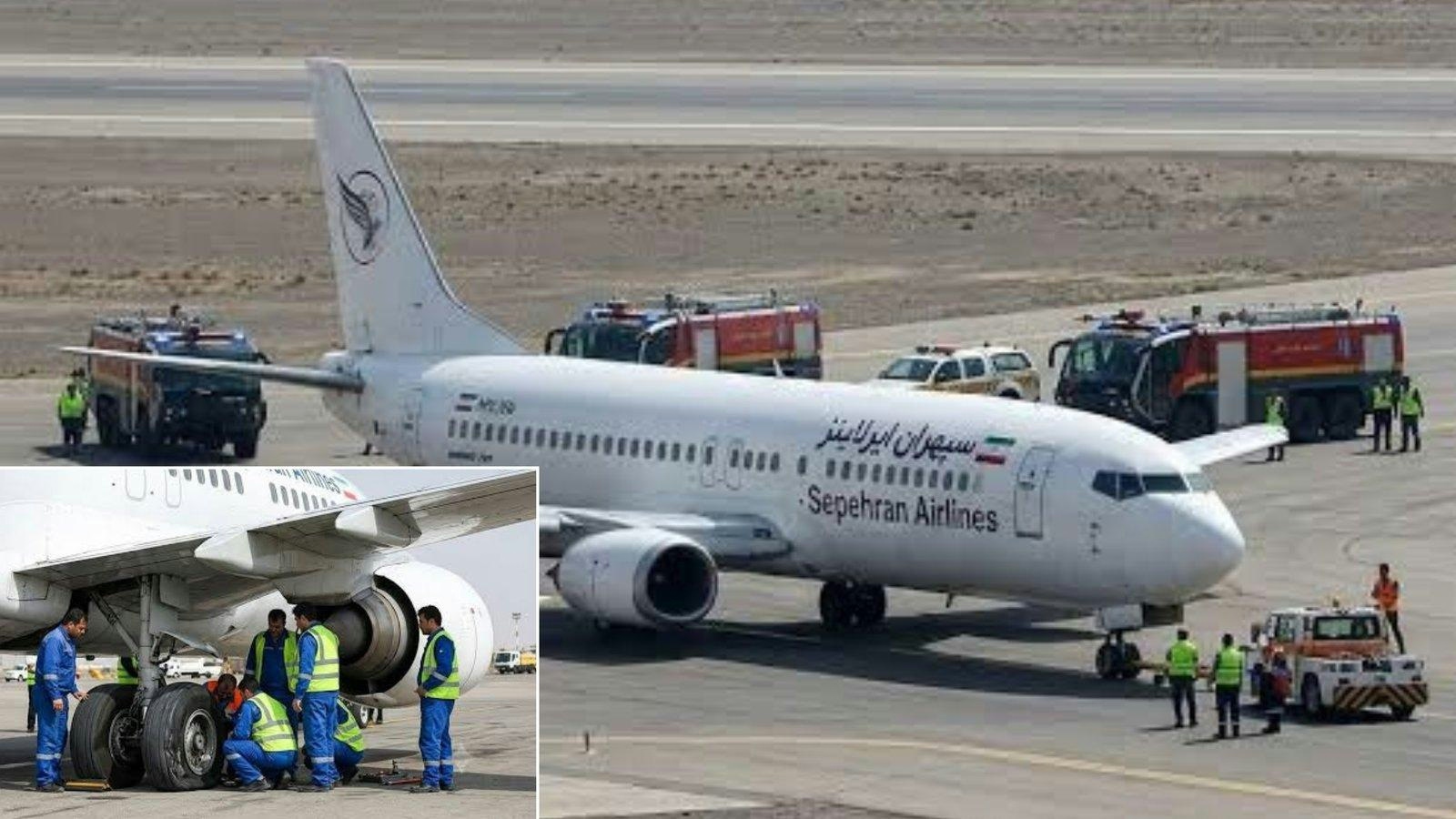
Sepehran Airlines B737 Returns to Mashhad After Tyre and Engine Issues

Etihad Deploys Widebody Fleet to Meet Strong Demand
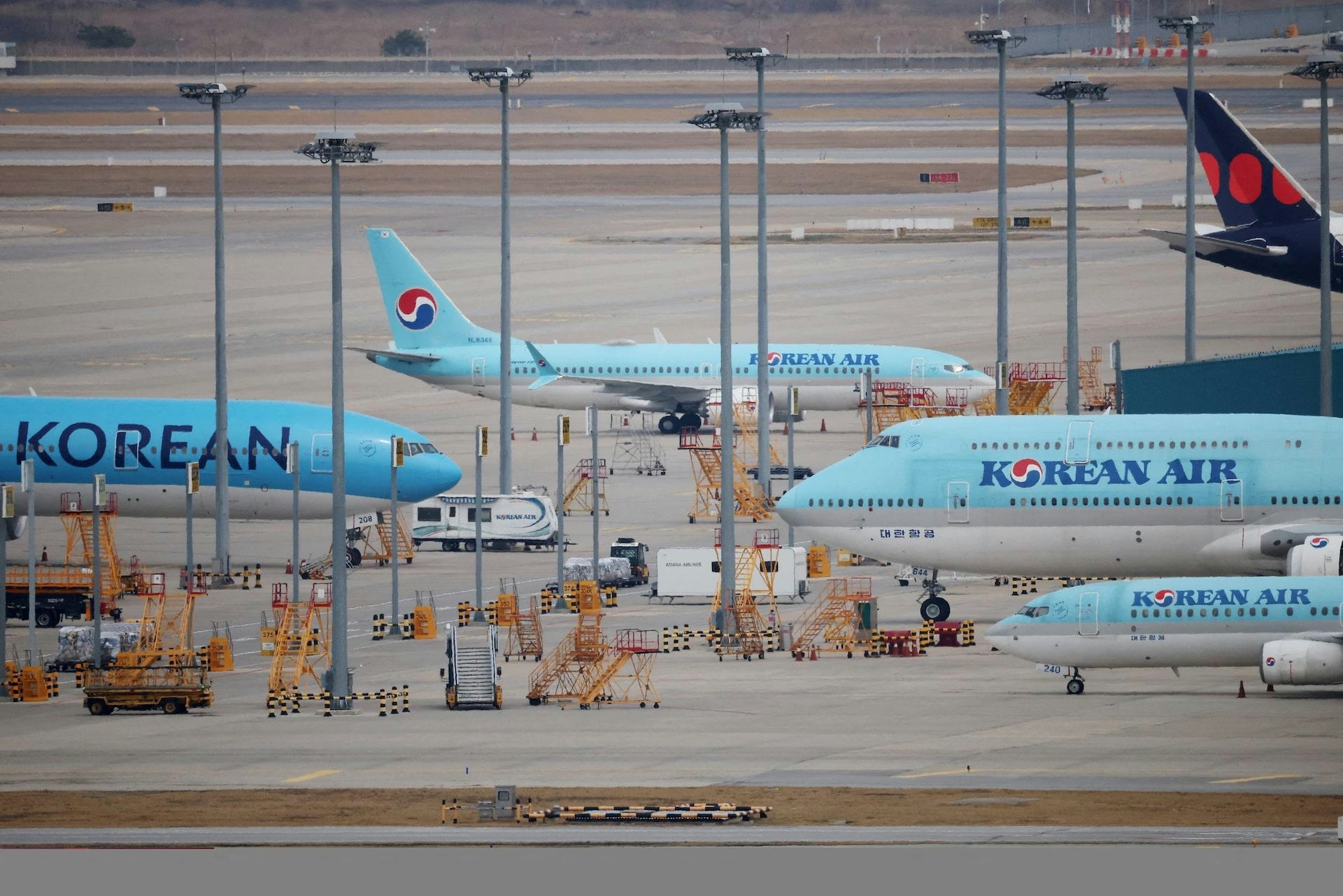
Korean Air Finalizes $36.2 Billion Deal with Boeing

Australia’s RFDS Queensland Section Orders Six King Air 260Cs

Korean Air Finalizes Order for 103 Boeing Jets and Engines
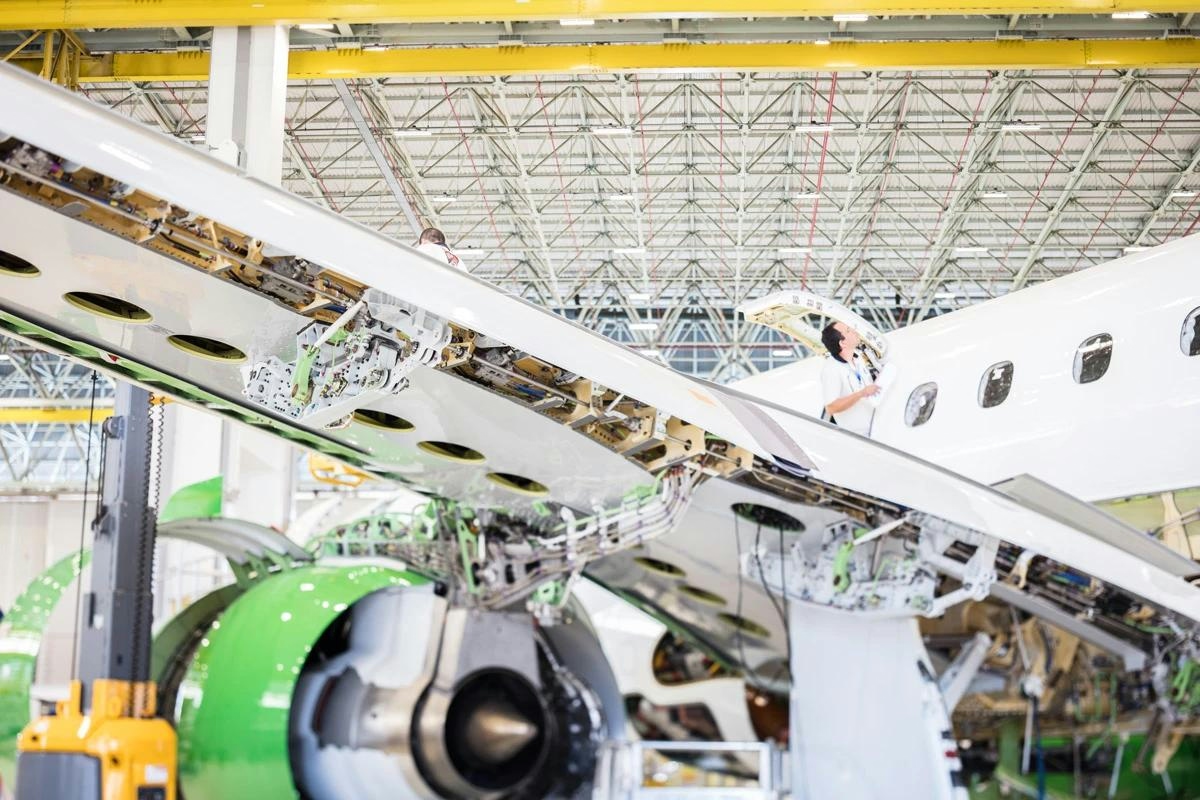
Embraer E195-E2 Features Distinctive Engine Placement Among Regional Jets
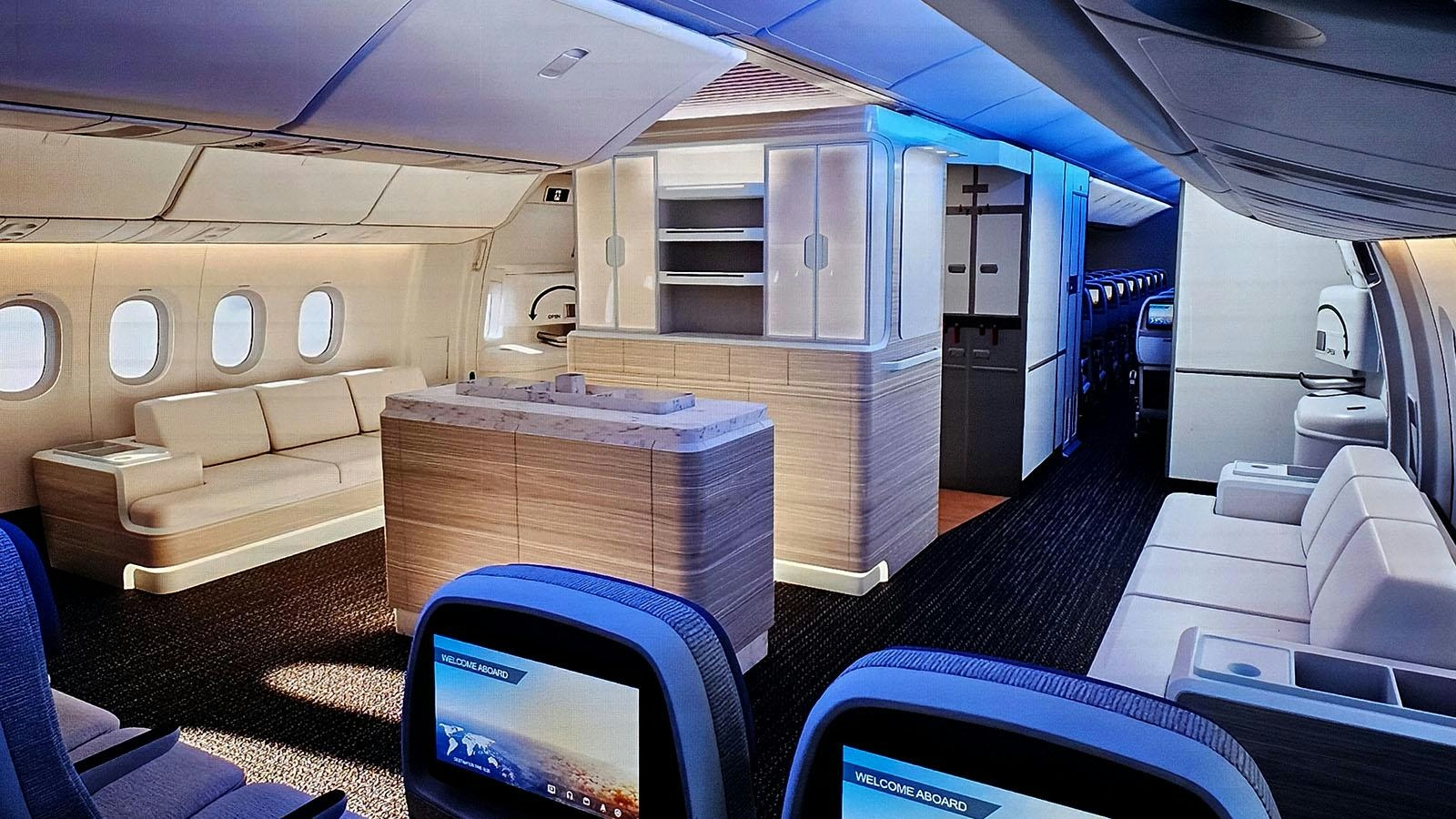
What Passengers Can Expect on Boeing’s New 777X Jet

How Ethiopian Airlines Became Africa’s Leading Carrier Amid Gulf Competition
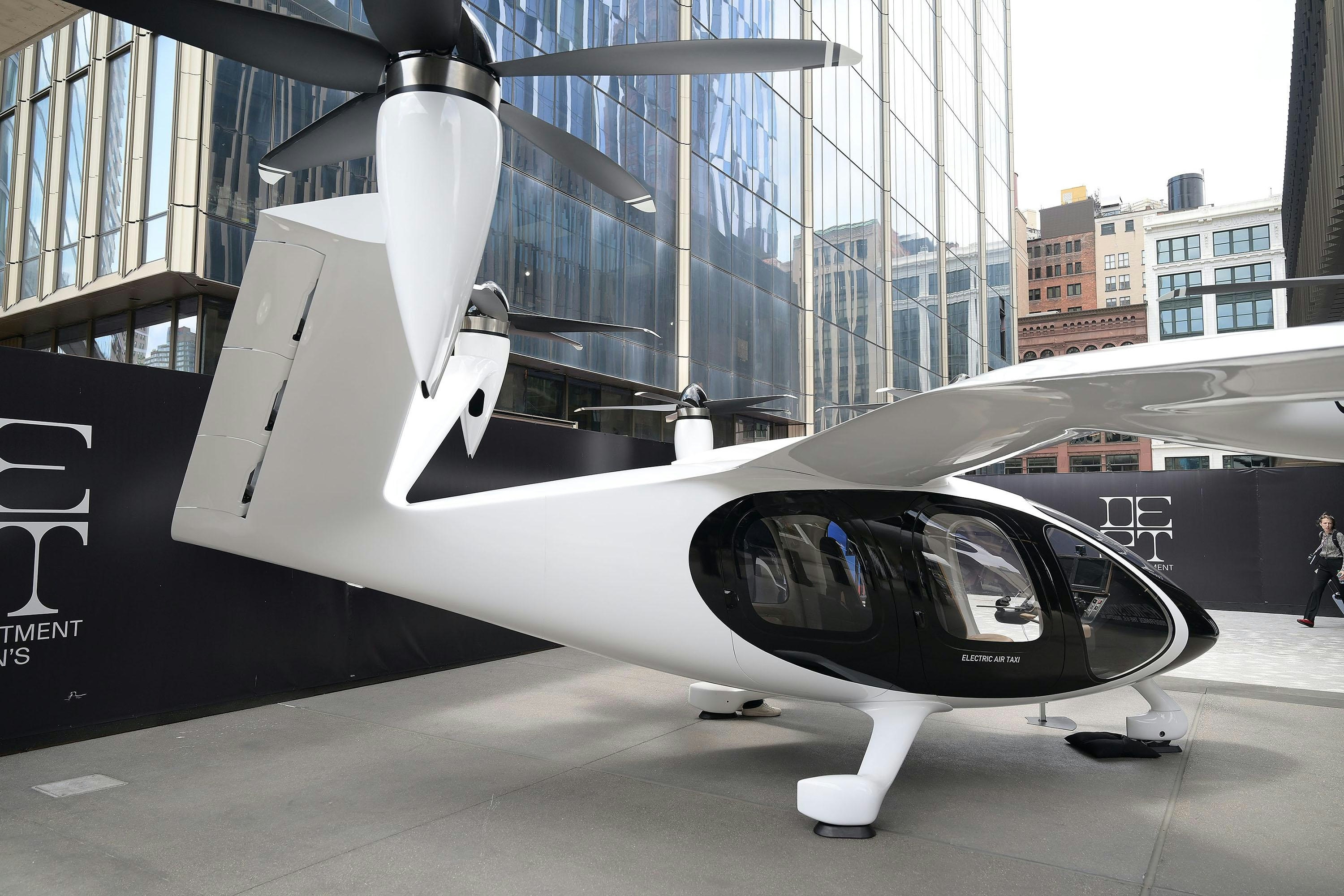
Joby Aviation Extends Autonomous Flight Capabilities with Cross-Country Tour
