
AIによるインサイトを行動へとつなげる

現在のトレンド
Categories
He 111Z Zwilling: Twin Fuselages, Five Engines, One Pilot
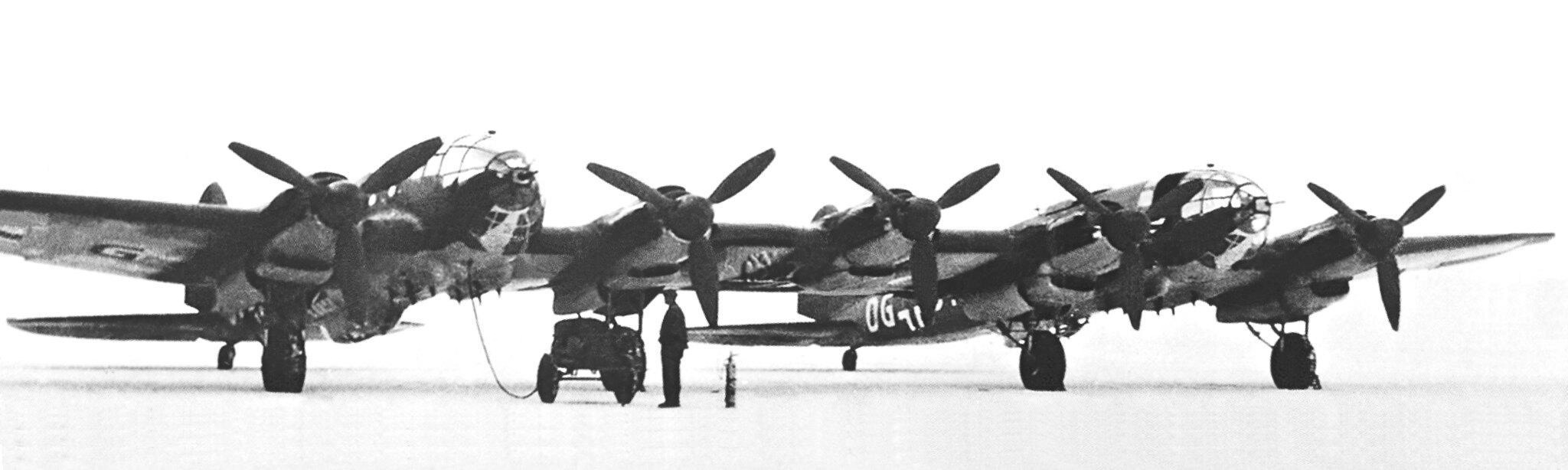
He 111Z Zwilling: Twin Fuselages, Five Engines, One Pilot
Overcoming the Challenges of Heavy Glider Towing
During World War II, the Messerschmitt Me 321 Gigant represented a remarkable logistical achievement. Designed to transport heavy military equipment such as an 88 mm gun with its tractor, a medium tank, or up to two hundred fully equipped soldiers, its cargo hold was deliberately sized to match German railway flatcars. This design allowed for seamless transition between rail and air transport. However, as a massive glider, the Me 321 faced a critical obstacle: how to achieve takeoff with such an enormous and heavy structure.
The Luftwaffe initially addressed this problem with the Troikaschlepp method, which involved three Bf 110 heavy fighters flying in a V-formation to tow the glider, assisted by rocket-powered takeoff units. This approach was inherently perilous, as any minor error or mechanical failure could result in catastrophe. A frequently cited but unverified incident from 1941 at Leipheim allegedly involved a collision between tow planes, resulting in the deaths of all 129 personnel aboard four aircraft. Despite its prevalence in popular accounts, this story remains unconfirmed and is based on uncertain sources.
The Heinkel He 111Z Zwilling: An Engineering Solution
In response to the risks posed by the Troikaschlepp, German engineers developed a more reliable and powerful towing aircraft: the Heinkel He 111Z Zwilling. This innovative design fused two He 111 bombers with a newly engineered center wing section, creating a twin-fuselage aircraft powered by five Junkers Jumo 211F engines, each delivering approximately 1,300 horsepower. The He 111Z was capable of towing large gliders such as the Go 242 or Me 321 for up to ten hours at cruising speed, significantly enhancing operational range and safety.
The aircraft featured a crew of seven distributed between the two fuselages, with flight controls located exclusively in the port fuselage. It carried an internal fuel capacity of 8,570 liters, supplemented by four 600-liter drop tanks. To assist with takeoff, the He 111Z was equipped with jettisonable rocket pods mounted on each fuselage and wing, providing an additional thrust of around 500 kilograms. Testing took place at Rechlin in 1941, but the exact number produced remains uncertain, with sources citing anywhere from four to ten units. Operational history includes one aircraft being shot down over France in March 1944 and eight others destroyed later that year.
Legacy and Impact on Aviation
While the He 111Z Zwilling’s distinctive twin-fuselage, five-engine configuration captured the imagination of aviation enthusiasts, it also introduced significant engineering and operational challenges. The complexity of its design resulted in high development and maintenance costs, raising concerns about reliability and practicality in active service. Commercial operators, cautious of these factors, were reluctant to adopt such an unconventional aircraft. Consequently, competing manufacturers concentrated on developing more conventional yet powerful aircraft designs that were easier to certify and maintain.
Despite the He 111Z’s limited operational lifespan, the broader aerospace industry continues to thrive, particularly in the production of advanced components such as aircraft fan frames. Industry forecasts predict a compound annual growth rate of 5.7% through 2036, underscoring sustained demand for sophisticated engineering solutions reminiscent of those embodied by the He 111Z Zwilling.
Ultimately, the He 111Z Zwilling remains a symbol of wartime innovation and the extraordinary lengths to which engineers went to address unprecedented logistical challenges. Its story endures as both a cautionary example and a testament to the spirit of aviation ingenuity.
Strengthening Europe's Aviation Supply Chain Amid Uncertainty
Monacair Plans Electric Air Taxi Service Between Monaco and Nice by 2029
Somalia’s Starsky Aviation Plans International Expansion
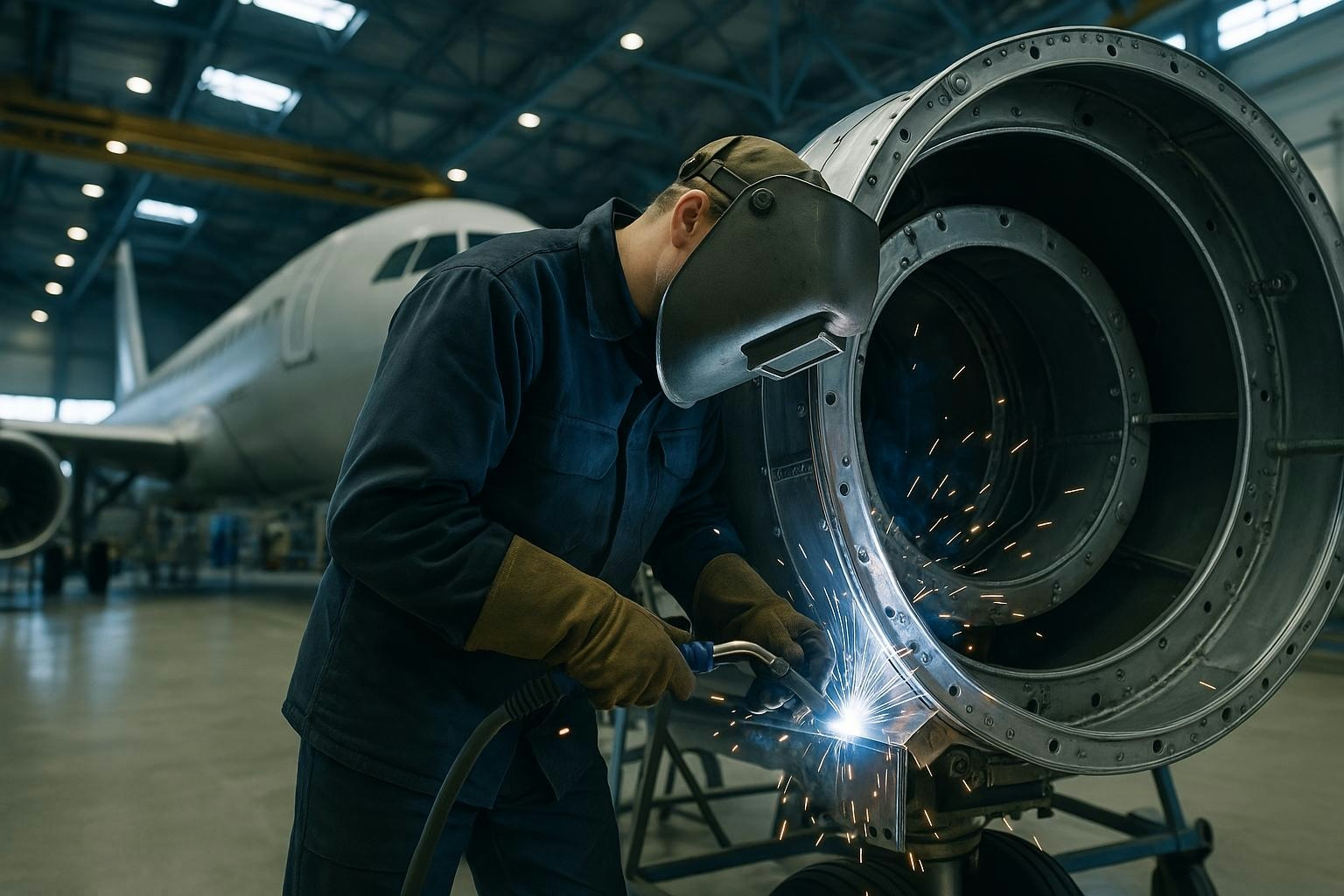
Precision and Care Essential in Aerospace Coating Applications
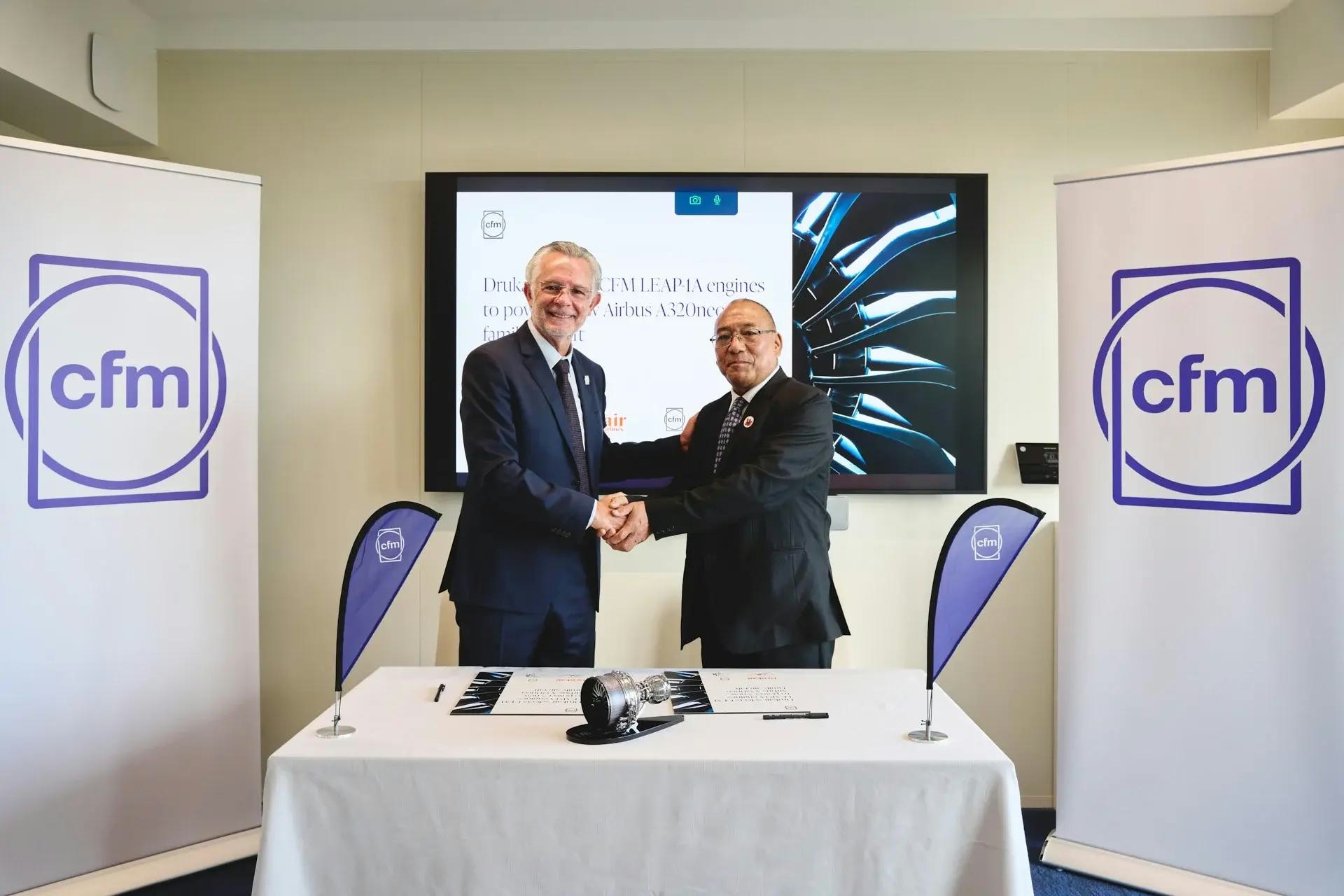
Drukair Chooses LEAP Engines for Five Airbus Aircraft

Russia Tests Air Taxis with Passenger Flights Possible in 2-3 Years
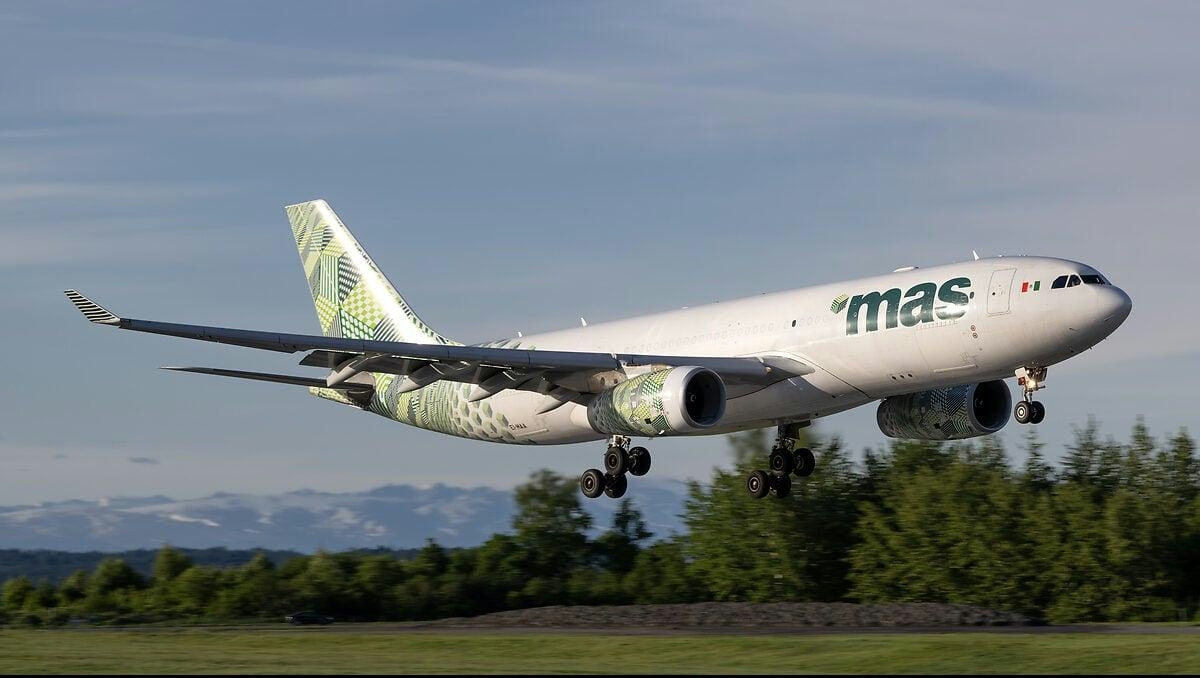
EPCOR and MAS Sign Five-Year A330 APU Support Agreement
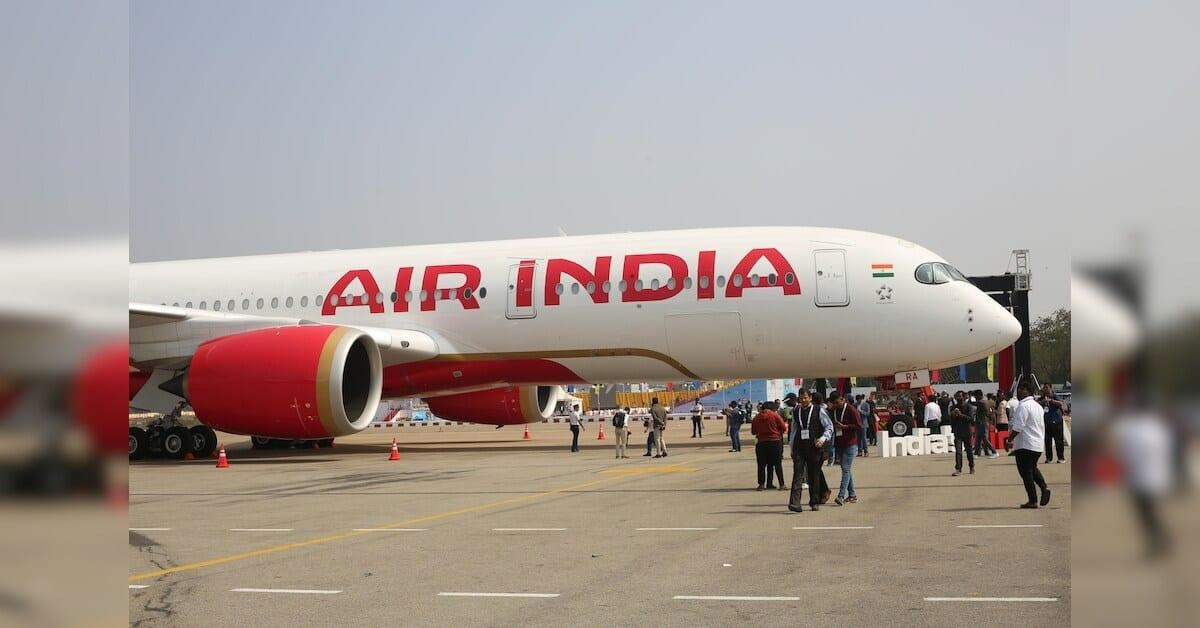
Air India Expands Use of Salesforce AI to Enhance Customer Service
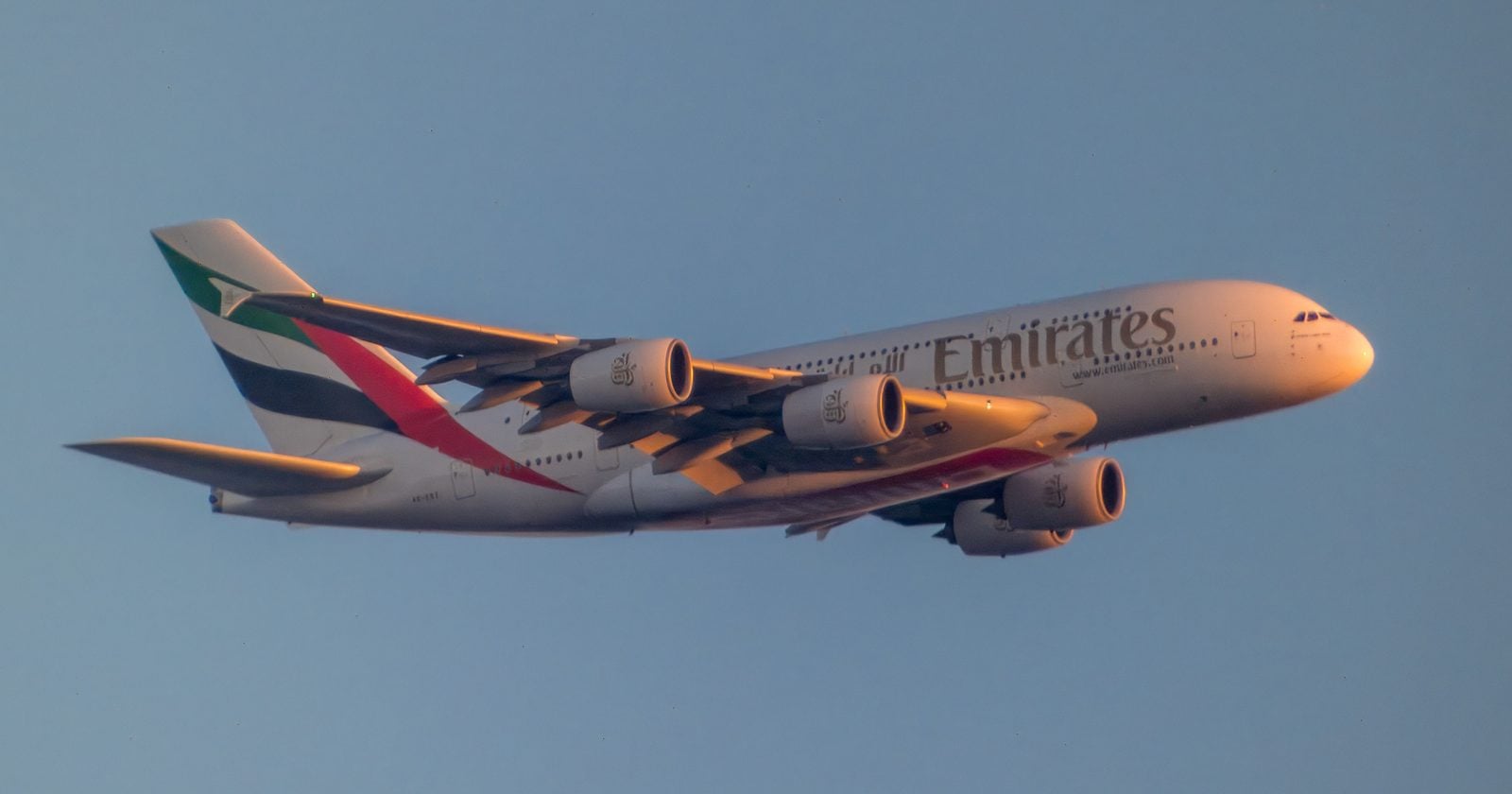
European Regulators Order Urgent Inspections After Cracks Found in Airbus A380 Wing Spars
European Regulators Order Urgent Inspections After Cracks Found in Airbus A380 Wing Spars
