
AIによるインサイトを行動へとつなげる

現在のトレンド
Categories
How AI Can Help Aircraft Avoid Lightning
How AI Can Help Aircraft Avoid Lightning
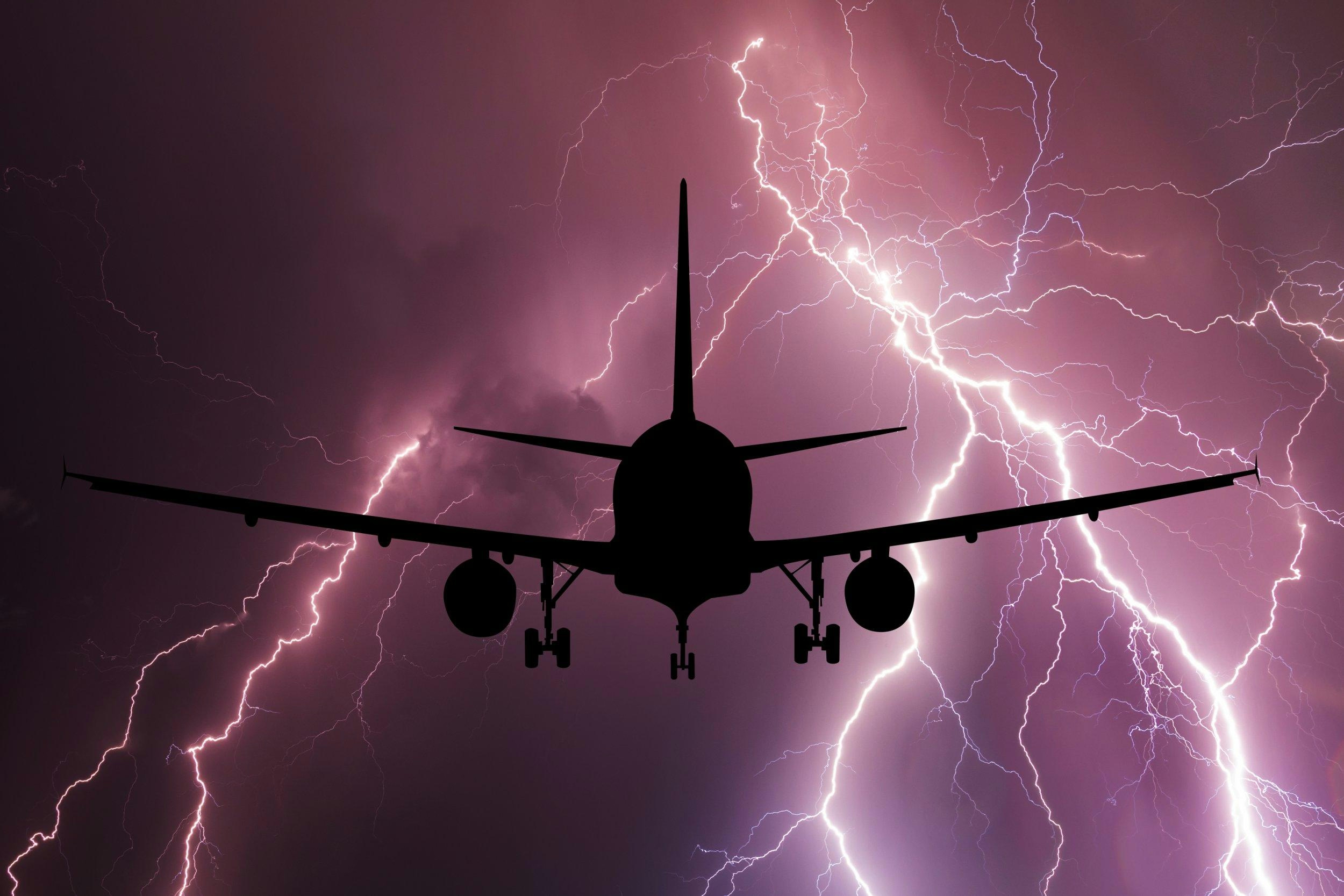
One of the less visible consequences of climate change is the global increase in lightning frequency, driven by warmer and wetter weather patterns. For the aviation industry, this trend poses a growing risk of lightning strikes and the associated damage to aircraft. In response, Mitsubishi Heavy Industries (MHI) Group has developed an AI-powered system designed to predict lightning activity, allowing airlines to adjust flight routes and reduce exposure to hazardous storms.
The Rising Threat of Lightning to Aviation
Lightning activity has surged by approximately 10% during the first two decades of the 21st century, with notable increases in regions such as tropical Africa, Southeast Asia, and North America. Scientists link this rise to elevated surface temperatures and greater atmospheric moisture. Additionally, extreme weather events, including Australia’s wildfires, have been associated with spikes in lightning occurrences. In Japan alone, several hundred lightning strike incidents involving aircraft are reported annually, resulting in costly inspections, repairs, and operational disruptions.
While aircraft are engineered to protect passengers from lightning strikes, the phenomenon can still inflict significant damage. Lightning generates temperatures exceeding 30,000℃, which can cause delamination of composite materials used in the airframe and wings, potentially compromising structural integrity. Moreover, sensitive electronic systems, such as navigation and communication equipment, remain vulnerable to electrical surges. Following a strike, aircraft require comprehensive inspections before returning to service, contributing to an estimated $2 billion in annual costs for airlines due to delays and cancellations.
Leveraging AI for Lightning Prediction and Avoidance
To mitigate these risks, Japan Airlines (JAL) and MHI have introduced a digital platform named Lilac. This system employs an AI-based prediction model developed in collaboration with the Japanese space agency and incorporates real-time data from the Japanese Meteorological Agency. Ground operators can access updated lightning risk maps through a web interface, while pilots receive alerts via cockpit WiFi or other onboard communication systems. By identifying high-risk zones both before and during flights, airlines can proactively reroute aircraft to avoid thunderstorms, thereby enhancing safety and operational efficiency.
Implementation Challenges and Industry Implications
Despite its potential, the deployment of AI for lightning avoidance faces several challenges. Ensuring the system’s accuracy and reliability across diverse and rapidly changing weather conditions is paramount. Integrating this technology with existing aircraft systems also requires careful coordination. Furthermore, regulatory approval and rigorous safety validation are necessary before the system can be widely adopted.
The aviation sector has expressed considerable interest in such innovations, with competitors expected to develop similar AI-driven solutions to strengthen their safety protocols. This development is part of a broader surge in AI-related investments and initial public offerings, underscoring the technology’s expanding role across multiple industries, including aviation.
As climate change continues to exacerbate weather extremes, AI-powered tools like Lilac may become essential for airlines aiming to minimize risks, reduce operational costs, and maintain reliable service in an increasingly unpredictable environment.

Etihad and Swissport Extend Global Partnership

Sepehran Airlines B737 Returns to Mashhad After Tyre and Engine Issues

Etihad Deploys Widebody Fleet to Meet Strong Demand

Korean Air Finalizes $36.2 Billion Deal with Boeing

Australia’s RFDS Queensland Section Orders Six King Air 260Cs

Korean Air Finalizes Order for 103 Boeing Jets and Engines

Embraer E195-E2 Features Distinctive Engine Placement Among Regional Jets

What Passengers Can Expect on Boeing’s New 777X Jet

How Ethiopian Airlines Became Africa’s Leading Carrier Amid Gulf Competition

Joby Aviation Extends Autonomous Flight Capabilities with Cross-Country Tour
