
AIによるインサイトを行動へとつなげる

現在のトレンド
Categories
Microsoft and Alaska Airlines Collaborate to Advance E-Fuel Supply
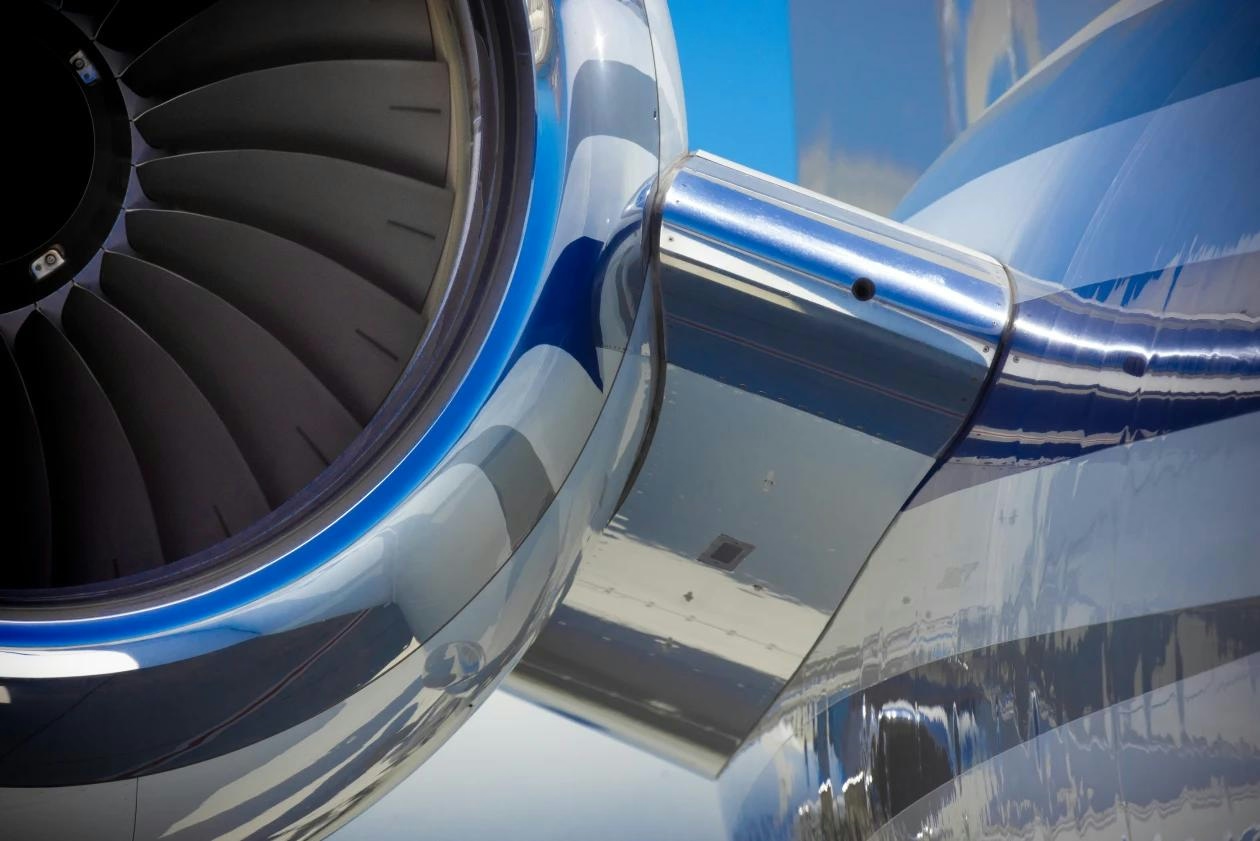
Microsoft and Alaska Airlines Collaborate to Advance E-Fuel Supply
Launch of Commercial-Scale Synthetic Fuel Plant
Microsoft, Alaska Airlines, and industrial technology company Twelve have joined forces to inaugurate a commercial-scale synthetic e-fuel facility in Moses Lake, Washington. The plant, known as AirPlant One, produces low-carbon jet fuel by synthesizing captured carbon dioxide, water, and renewable electricity. According to Twelve, this innovative process can reduce lifecycle carbon dioxide emissions by up to 90 percent compared to traditional jet fuel, representing a significant advancement in efforts to decarbonize the aviation sector.
The synthetic fuel generated at AirPlant One is designed as a drop-in replacement, fully compatible with existing aircraft and airport infrastructure. It meets all current technical standards, enabling airlines to integrate the fuel without requiring modifications to their fleets or fueling systems. This compatibility is crucial for facilitating the adoption of sustainable aviation fuels (SAF) on a broader scale.
Industry Challenges and Market Dynamics
Despite this technological progress, the partnership underscores the persistent challenges confronting the aviation industry’s transition to sustainable fuels. Production costs for SAF remain prohibitively high, limiting its share to just 0.6 percent of total aviation fuel consumption in the previous year. Airlines striving to reduce their carbon footprints must also contend with rising operational expenses and geopolitical uncertainties that continue to affect fuel supply and pricing.
The push toward greener fuels has intensified competition within the industry. Leading carriers such as Lufthansa and Air France-KLM are strengthening their positions by investing heavily in SAF and exploring alternative sustainable solutions. This wave of market consolidation is likely to influence the future structure of aviation fuel supply, as airlines and technology providers compete to scale production and secure dependable sources of low-carbon fuel.
Strategic Collaborations and Future Prospects
The collaboration between Microsoft and Alaska Airlines exemplifies how corporate procurement strategies can support emerging clean technology companies like Twelve in obtaining the necessary financing to bring innovative projects to fruition. As the aviation sector faces increasing pressure to reduce emissions, such partnerships may prove vital in overcoming both economic and technical obstacles, thereby facilitating wider adoption of sustainable fuels across the industry.

Hong Kong's Five-Year Plan Includes Andrew Fan's Aircraft Parts Processing Hub Proposal

ACIA Aero Leasing Delivers ATR72-600 to Air Nostrum

RTX Appoints Jill Albertelli as Head of Pratt & Whitney

TAT Technologies Joins Beyond Aero Hydrogen Aircraft Program

AURAK Study Highlights Barriers to Air Taxi Adoption in Emerging Economies

Xiamen Air Selects Altitude for 787 Maintenance at Heathrow

Etihad and Swissport Extend Global Partnership
Sepehran Airlines B737 Returns to Mashhad After Tyre and Engine Issues

Etihad Deploys Widebody Fleet to Meet Strong Demand

Korean Air Finalizes $36.2 Billion Deal with Boeing
