
AIによるインサイトを行動へとつなげる

現在のトレンド
Categories
Morphing Aircraft Skin Improves Safety and Fuel Efficiency
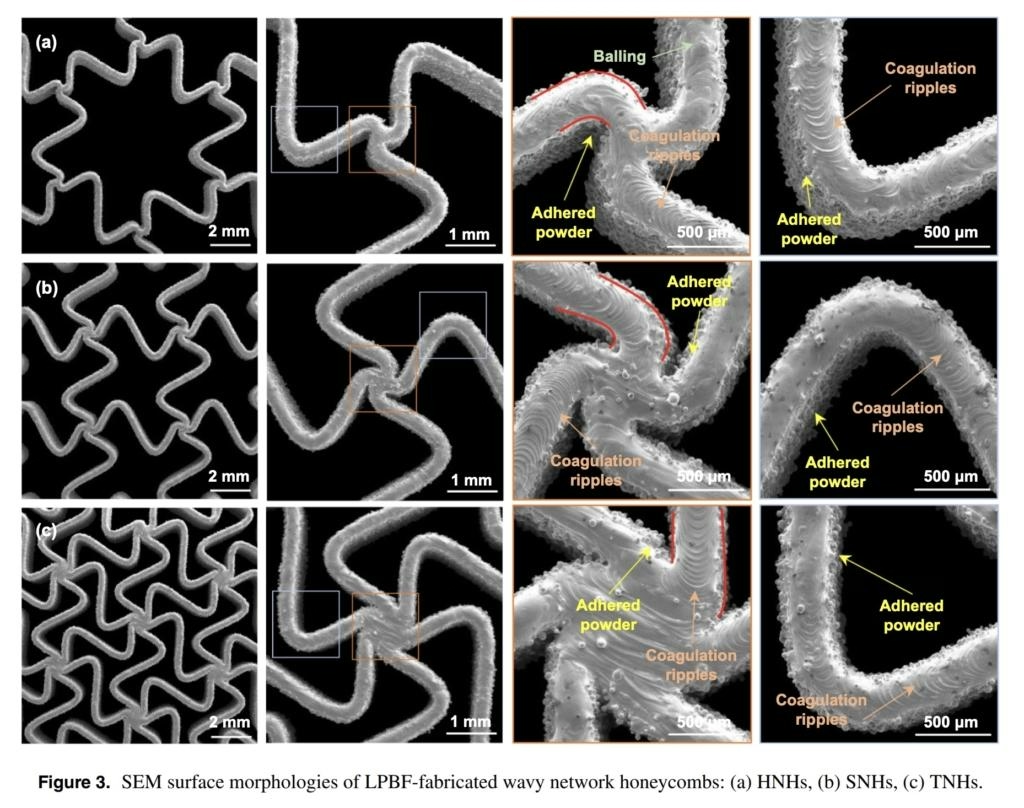
Morphing Aircraft Skin Improves Safety and Fuel Efficiency
Innovative Adaptive Wing Technology
Researchers at the Indian Institute of Technology Madras (IIT Madras) have developed a groundbreaking "morphing skin" technology for aircraft wings, drawing inspiration from the adaptive flight mechanisms of birds. This novel technology enables the wing surface to dynamically reshape in real time, with the primary objective of preventing aerodynamic stalls—a critical hazard in aviation—and enhancing both flight safety and fuel efficiency.
Aerodynamic stalls occur when airflow separates from the wing surface, resulting in a sudden loss of lift that can jeopardize aircraft stability. The IIT Madras team, led by Dr. Rinku Mukherjee and supported by alumni Antony Samuel B and Dr. Aritras Roy, has engineered an adaptive external skin that responds instantaneously as airflow begins to detach. Rather than allowing a stall to develop, the flexible skin adjusts its shape to maintain smooth airflow, thereby stabilizing the aircraft even at higher angles of attack. This innovation improves lift, reduces drag, and enables safer operation across a wider range of flight conditions.
Practical Applications and Industry Implications
The immediate applications of this technology are particularly relevant to commercial aviation, where safer take-offs and landings are paramount, especially on congested or short runways. By enhancing lift and minimizing drag, the morphing skin not only improves operational safety but also contributes to significant fuel savings and reduced emissions, aligning with the aviation sector’s sustainability objectives. Additionally, unmanned aerial vehicles (UAVs) stand to benefit from increased endurance and enhanced maneuverability afforded by this adaptive wing surface.
The research findings, published in the European Journal of Mechanics - B/Fluids, have been substantiated through computational simulations and wind tunnel testing. The team reports that the technology is now prepared for real-world flight trials and holds potential for retrofitting onto existing aircraft fleets.
Challenges and Industry Outlook
Despite its promising advantages, the widespread adoption of morphing skin technology faces considerable challenges. Integrating advanced materials and adaptive mechanisms into current aircraft structures involves complex engineering hurdles. Furthermore, regulatory approval processes are anticipated to be rigorous and time-consuming, necessitating extensive validation to ensure safety and reliability.
The aviation market has responded positively, with airlines expressing interest in innovations that enhance safety and operational efficiency. Aerospace competitors may pursue similar adaptive technologies or invest in complementary advancements to maintain competitive advantage. Nevertheless, current assessments indicate that morphing aircraft skin remains in the developmental phase, with full-scale implementation expected to require additional time and testing.
Future Prospects
As the aviation industry continues to pursue safer, more environmentally friendly, and efficient flight solutions, the morphing skin technology developed by IIT Madras represents a significant advancement. Pending successful integration and regulatory approval, this innovation has the potential to transform aircraft design and operation, delivering measurable benefits to both commercial and unmanned aviation sectors.
BBN Airlines Becomes IATA Member

FAA Orders Breeze Airways and Delta to Inspect Airbus A220 Fuel Hoses

Philippine Aviation Navigates Expansion and Costs Amid Fuel Price Volatility
On April 26, 1971, an SR-71 Blackbird Flew Over 15,000 Miles in 10.5 Hours, Limited by Liquid Nitrogen Supply
Boeing 747 Airframe Valued Less Than One Landing Gear Component

The Rear-Fan Engine Behind the Crash of the World's Fastest Airliner

BRICS Nations Commit to Enhanced Cooperation on Sustainable Transport and Green Aviation
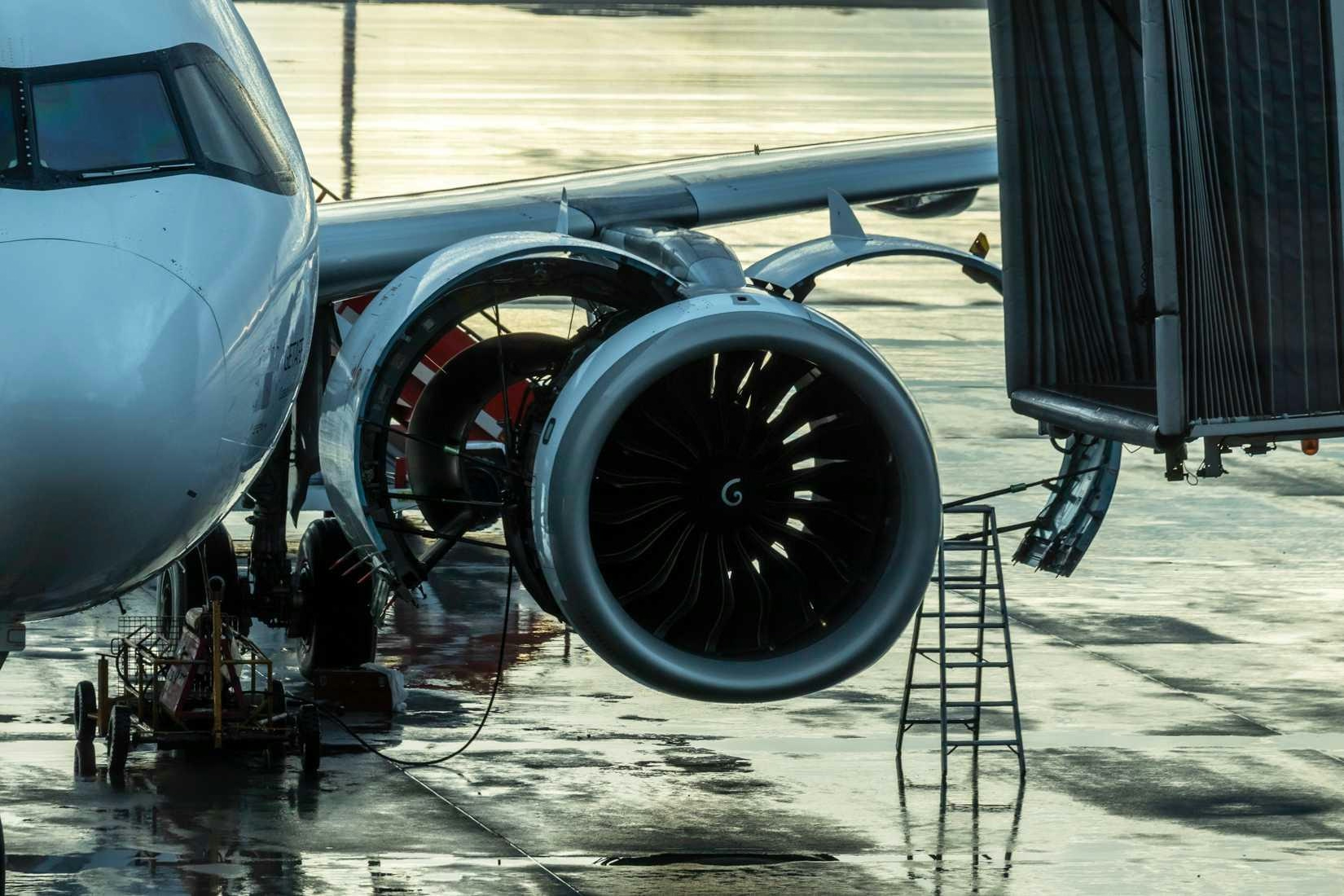
CFM Turbine Upgrade Doubles LEAP Engine Service Life in Harsh Conditions
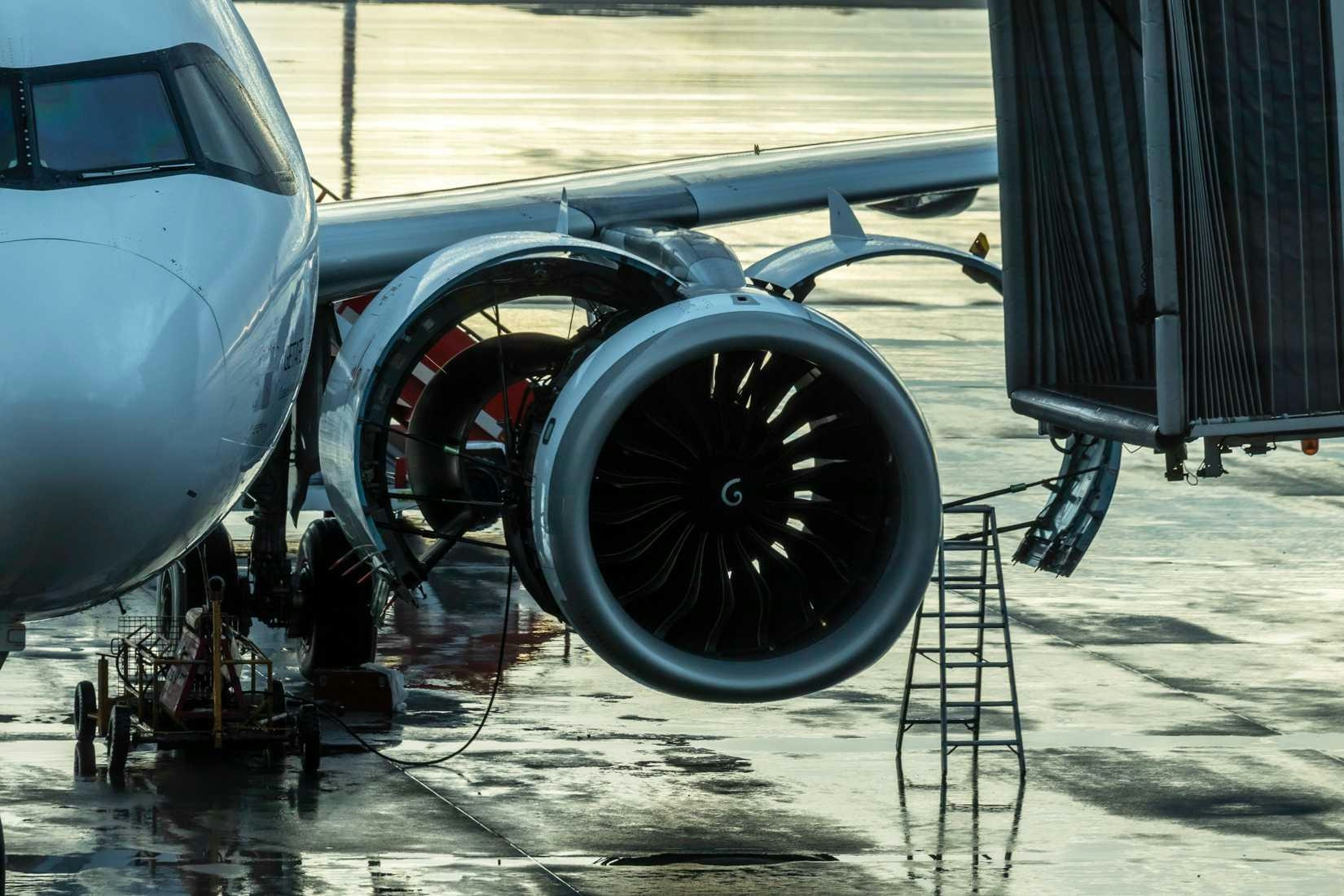
CFM Upgrade Doubles LEAP Engine Lifespan in Harsh Climates

Sonoma County Board of Supervisors Revisits Controversial Government Office Deal
