
AIによるインサイトを行動へとつなげる

現在のトレンド
Categories
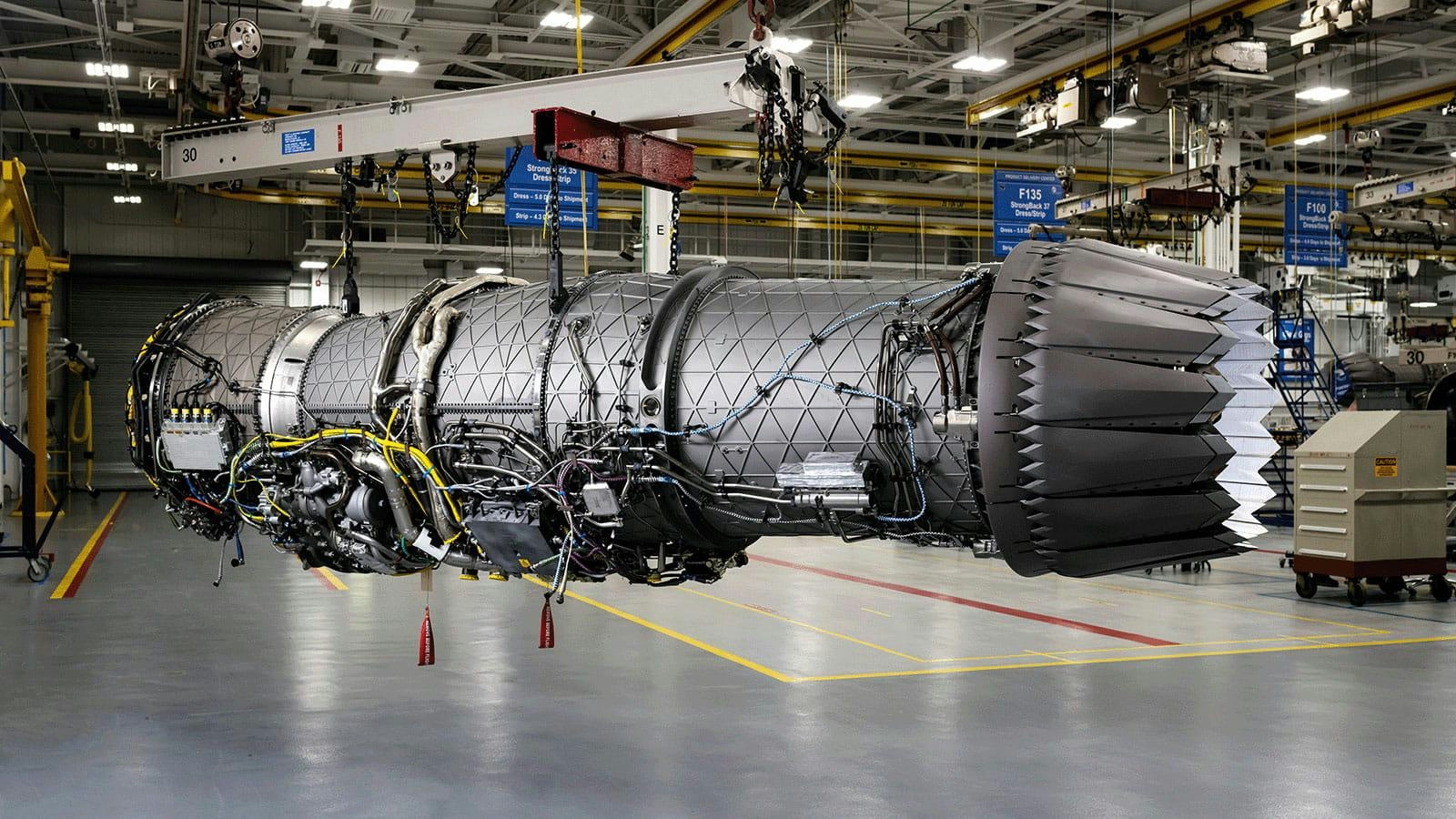
PD-8 and PD-14 Engines to Be Reduced in Size by Half

Advances in 3D Printing Enable Significant Downsizing of PD-8 and PD-14 Aircraft Engines
Recent developments in 3D-printing technology are poised to revolutionize the manufacturing of key aircraft engine components, potentially reducing their weight by up to 40% compared to parts produced through traditional methods. Russian state corporation Rostec has reported that additive manufacturing allows for the creation of complex cooling channels within engine blades, facilitating heat dissipation based on optimal physical principles rather than the constraints imposed by conventional machining techniques. This innovation is expected to enhance both the efficiency and operational economy of aircraft engines.
Rostec emphasizes that modern 3D-printing materials retain the necessary strength and wear resistance required for aviation applications. The technology also enables the production of single, integral components, thereby reducing the need for assembly from multiple parts. This consolidation minimizes seams and joints, which are potential weak points, ultimately increasing the reliability of the engines. Notably, these additive manufacturing techniques are already being integrated into current aircraft engine production lines, moving beyond experimental phases.
Targeted Weight Reduction and Industry Implications
The PD-14 engine, which currently has a dry weight of 2,870 kilograms and delivers a takeoff thrust of 14,000 kgf, along with the PD-8 engine, weighing 2,300 kilograms with nacelle and producing approximately 8,000 kgf of thrust, are the primary candidates for this significant weight reduction. Engineers at United Engine Corporation (ODK) are actively pursuing further weight decreases by incorporating carbon fiber reinforced plastics and optimizing engine design.
Despite the promising prospects, halving the size and weight of these engines presents considerable challenges. Extensive testing will be necessary to ensure that the lighter engines maintain the required reliability and safety standards under rigorous operational conditions. This drive toward smaller, more efficient engines is also eliciting responses from global competitors. For instance, MTU Aero Engines is expanding its portfolio to include smaller turbojet engines, indicating a potential shift in market demand toward compact propulsion systems.
The trend toward downsized engines is particularly pronounced in the defense sector, where the demand for mini jet engines has surged. The recent supply constraints faced by Ukraine’s attack drone fleet underscore the strategic importance of reliable, lightweight engines. As demand intensifies, supply chains will need to adapt swiftly to support the production of these advanced components.
While the advantages of 3D printing and novel materials are evident, the aerospace industry must address both technical and market challenges to fully harness the potential of next-generation, downsized aircraft engines.

Etihad Airways Suspends Airbus A380 Flights on Key Route

Aditya Birla Group Seeks Approval for Aircraft Leasing in GIFT City

Qatar Airways Highlights Innovation and Connectivity at Arabian Travel Market 2026

Hong Kong's Five-Year Plan Includes Andrew Fan's Aircraft Parts Processing Hub Proposal

ACIA Aero Leasing Delivers ATR72-600 to Air Nostrum
RTX Appoints Jill Albertelli as Head of Pratt & Whitney

TAT Technologies Joins Beyond Aero Hydrogen Aircraft Program

AURAK Study Highlights Barriers to Air Taxi Adoption in Emerging Economies

Xiamen Air Selects Altitude for 787 Maintenance at Heathrow

Etihad and Swissport Extend Global Partnership
