
AIによるインサイトを行動へとつなげる

現在のトレンド
Categories
Restoring an Etihad Airways Airbus A380 After Six Years in Storage
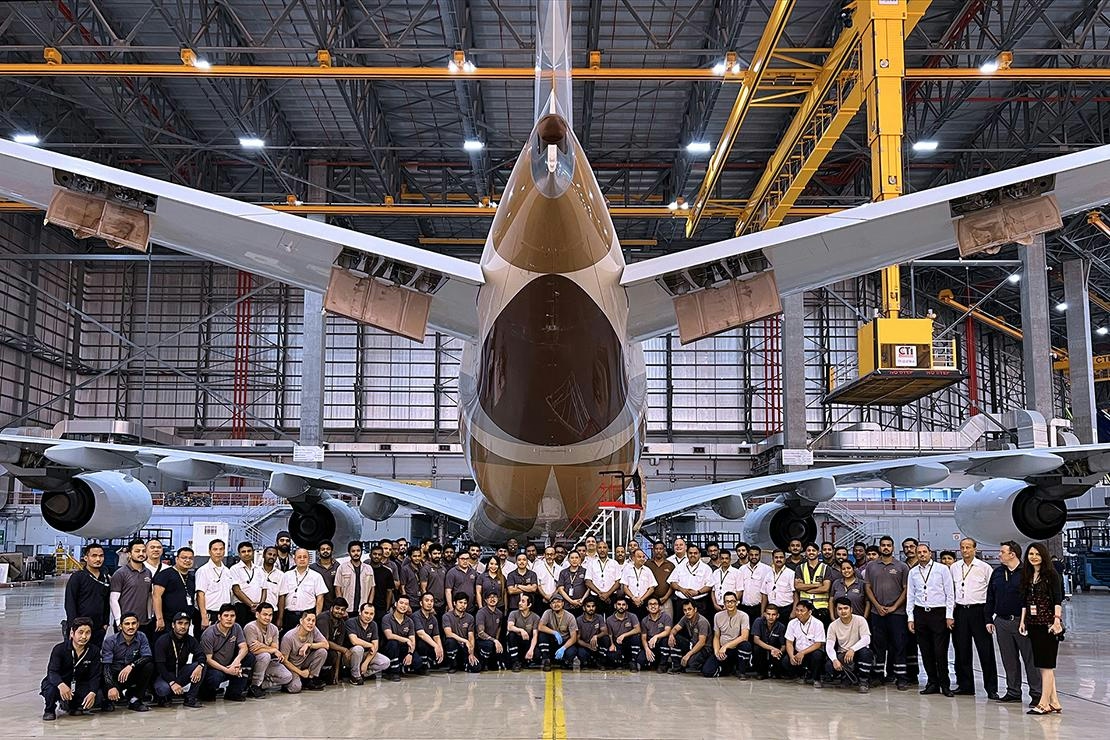
Restoring Etihad Airways’ Airbus A380s After Six Years in Storage
Etihad Airways is preparing to return two Airbus A380 aircraft, registered as A6-APC and A6-APB, to commercial service after nearly six years in long-term storage. This move highlights the ongoing challenges posed by the global shortage of available aircraft. Reactivating these superjumbos involves a complex and time-consuming process that extends far beyond simply restarting parked jets. It requires months of rigorous inspections, structural assessments, software updates, engine preservation procedures, and extensive flight testing before the aircraft can safely carry passengers once again.
This decision comes amid widespread delivery delays and a backlog exceeding 17,000 commercial aircraft orders worldwide. Faced with long wait times for new jets from manufacturers such as Airbus and Boeing, airlines are increasingly opting to extend the operational life of their existing fleets to sustain long-haul capacity. For Etihad, restoring its A380s is now economically viable despite the aircraft’s traditionally high operating costs, particularly as demand on premium international routes continues to recover.
However, this strategy carries inherent risks. The aviation sector is under significant financial strain, exemplified by recent developments such as JetBlue securing $500 million in financing by using Airbus jets as collateral. The looming 2026 global fuel crisis has seen jet fuel prices double within eight weeks, sharply increasing operational expenses and compelling airlines to reevaluate their financial strategies. Etihad’s commitment to maintaining the A380 fleet until at least 2032 represents a long-term investment in the superjumbo’s continued relevance in modern air travel. Yet, with competitors like Emirates planning rapid expansion in the post-conflict environment following the Iran war, market conditions remain volatile. This may invite scrutiny from investors and analysts concerned about the financial sustainability and operational efficiency of Etihad’s approach.
The Complex Process of Reactivating a Stored Superjumbo
Reactivating an Airbus A380 after extended storage is a formidable engineering challenge. Many of the world’s superjumbos were parked in desert storage during the pandemic, with some airlines initially assuming these aircraft would never return to service. However, as global travel demand rebounded more quickly than expected, carriers began the painstaking process of bringing these planes back online to meet growing capacity needs on busy long-haul routes.
The restoration process involves far more than routine maintenance. Aircraft stored for prolonged periods require thousands of hours of inspections, testing, and component replacements to ensure airworthiness. Engineers typically replace critical parts such as wheels, brakes, and oxygen systems, while conducting thorough checks of landing gear, avionics, hydraulics, and engines. Prior to leaving storage, the aircraft undergoes engine runs and comprehensive operational testing. Industry experts estimate that reactivating a single A380 demands approximately 4,500 hours of labor before the aircraft can even be flown to a dedicated maintenance facility. Even after departing storage, substantial work remains before the aircraft is fully prepared to carry passengers.
Financial Implications of Restoration
Although airlines seldom disclose precise restoration costs, industry estimates indicate that the total expense can reach tens of millions of dollars per aircraft. These costs encompass labor, replacement parts, engine servicing, testing, and cabin refurbishment. For instance, Qantas reported that returning one of its final stored A380s to service required over 100,000 hours of engineering work, marking the largest maintenance project in the airline’s history. While this figure is modest compared to the A380’s original purchase price of approximately $445 million, it nonetheless represents a significant financial commitment, especially in an environment of soaring fuel prices and intensifying competition.
As Etihad advances with its A380 restoration program, the airline is making a calculated decision to balance the urgent need for increased capacity against the challenges posed by rising costs and an uncertain competitive landscape.

Etihad Airways Suspends Airbus A380 Flights on Key Route

Aditya Birla Group Seeks Approval for Aircraft Leasing in GIFT City

Qatar Airways Highlights Innovation and Connectivity at Arabian Travel Market 2026

Hong Kong's Five-Year Plan Includes Andrew Fan's Aircraft Parts Processing Hub Proposal

ACIA Aero Leasing Delivers ATR72-600 to Air Nostrum

RTX Appoints Jill Albertelli as Head of Pratt & Whitney

TAT Technologies Joins Beyond Aero Hydrogen Aircraft Program

AURAK Study Highlights Barriers to Air Taxi Adoption in Emerging Economies

Xiamen Air Selects Altitude for 787 Maintenance at Heathrow

Etihad and Swissport Extend Global Partnership
