
AIによるインサイトを行動へとつなげる

現在のトレンド
Categories
Rolls-Royce Doubles Engine Time on Wing Since Transformation Began

Rolls-Royce Doubles Trent Engine Time on Wing Since Transformation Began
Rolls-Royce has reached a significant milestone in enhancing the durability of its Trent engine family, announcing that these engines now remain on wing twice as long between scheduled maintenance intervals compared to three years ago. This achievement, confirmed by Rob Watson, President of Civil Aerospace, during a pre-Farnborough Airshow briefing in July 2026, represents a 100% improvement in time on wing—substantially exceeding the company’s initial targets.
From Ambitious Goals to Surpassing Expectations
In 2023, Rolls-Royce committed £1 billion ($1.3 billion) to improve the durability of its modern Trent engines, initially targeting a 40% increase in time on wing—the duration an engine remains installed on an aircraft before requiring removal for scheduled maintenance. As development progressed, this target was raised to 80%, driven by life extension programs for the Trent XWB-84 and proven upgrades on the Trent 7000. By 2026, the company had doubled its original goal, achieving a 100% improvement across the Trent 1000 (used on the Boeing 787), Trent 7000 (Airbus A330neo), and Trent XWB (Airbus A350) engine families.
Rob Watson emphasized the significance of this progress, stating, “We have really delivered on our commitment to get our engines performing where our customers wanted them to perform.” The extended time on wing allows airlines to operate Trent-powered aircraft for twice as long between shop visits, thereby reducing downtime and lowering maintenance costs.
The Importance of Time on Wing
Time on wing is a critical performance metric for airlines, indicating how long an engine can operate before it must be removed for scheduled maintenance. Longer intervals between maintenance translate into fewer operational disruptions, reduced maintenance expenses, and improved aircraft availability. These factors are essential for enhancing airline profitability and operational efficiency.
Competitive Landscape and Market Impact
Rolls-Royce’s durability advancements come at a pivotal moment as the company seeks to regain market share lost to competitors following earlier durability challenges with the Trent 1000. These issues had allowed GE Aerospace’s GEnx engine to gain ground in the widebody engine sector. The latest upgrades, particularly to the Trent 1000 XE, have been positively received by the market and are helping Rolls-Royce reverse this trend. Nonetheless, GE Aerospace continues to emphasize the reliability of its GEnx engine, maintaining strong competition.
Looking forward, Rolls-Royce faces the ongoing challenge of sustaining its competitive advantage not only through durability improvements but also by advancing sustainability initiatives. The company is investing in hydrogen propulsion and other green technologies, although the commercial viability and widespread adoption of these innovations remain uncertain as the aerospace industry evolves.
Future Outlook for Rolls-Royce
With its Trent engines now achieving industry-leading time on wing, Rolls-Royce is focused on maintaining momentum in both reliability and innovation. As airlines and manufacturers increasingly prioritize operational efficiency alongside environmental performance, the company’s ability to deliver on these fronts will be crucial to its continued success in the civil aerospace market.

Etihad and Swissport Extend Global Partnership

Sepehran Airlines B737 Returns to Mashhad After Tyre and Engine Issues

Etihad Deploys Widebody Fleet to Meet Strong Demand

Korean Air Finalizes $36.2 Billion Deal with Boeing
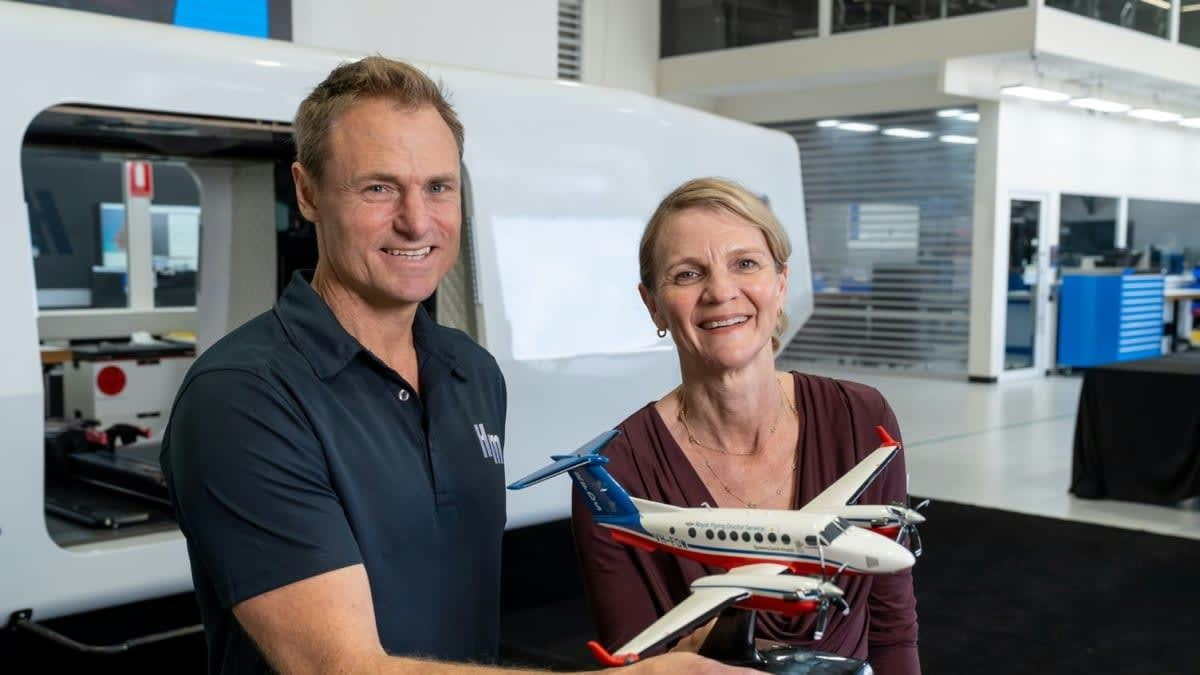
Australia’s RFDS Queensland Section Orders Six King Air 260Cs
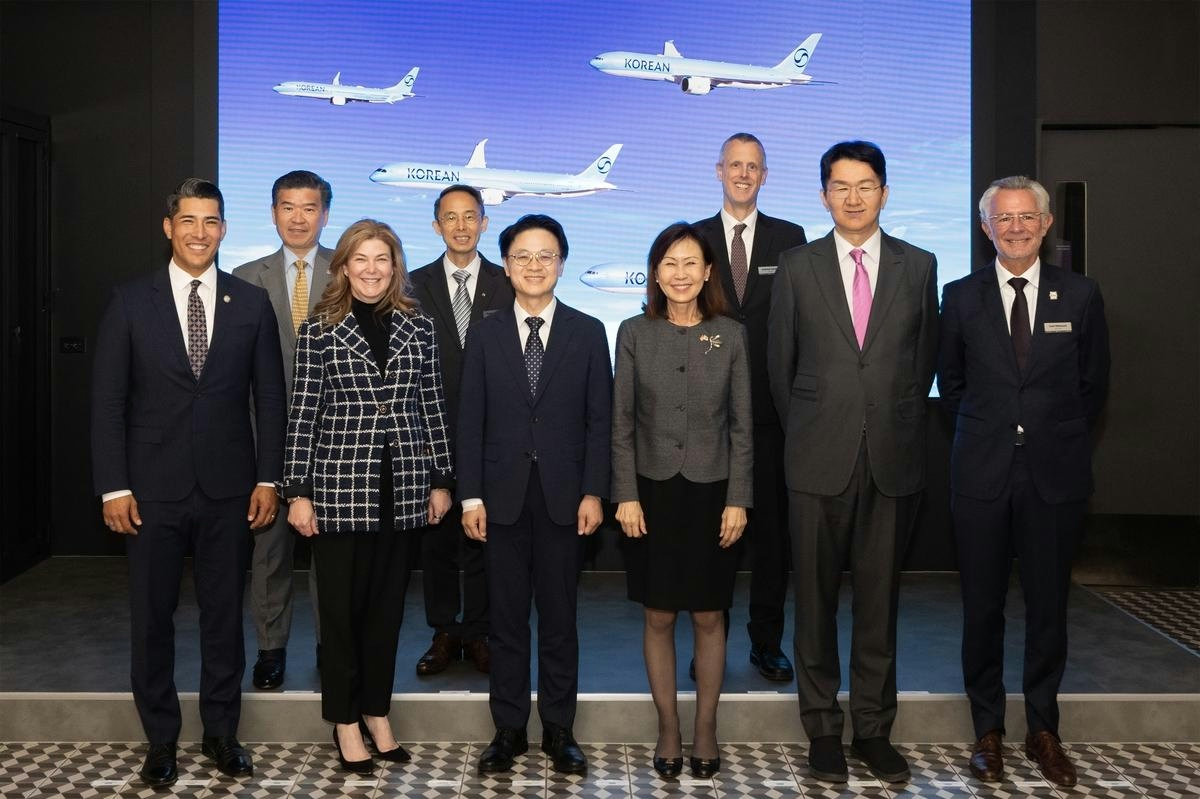
Korean Air Finalizes Order for 103 Boeing Jets and Engines

Embraer E195-E2 Features Distinctive Engine Placement Among Regional Jets
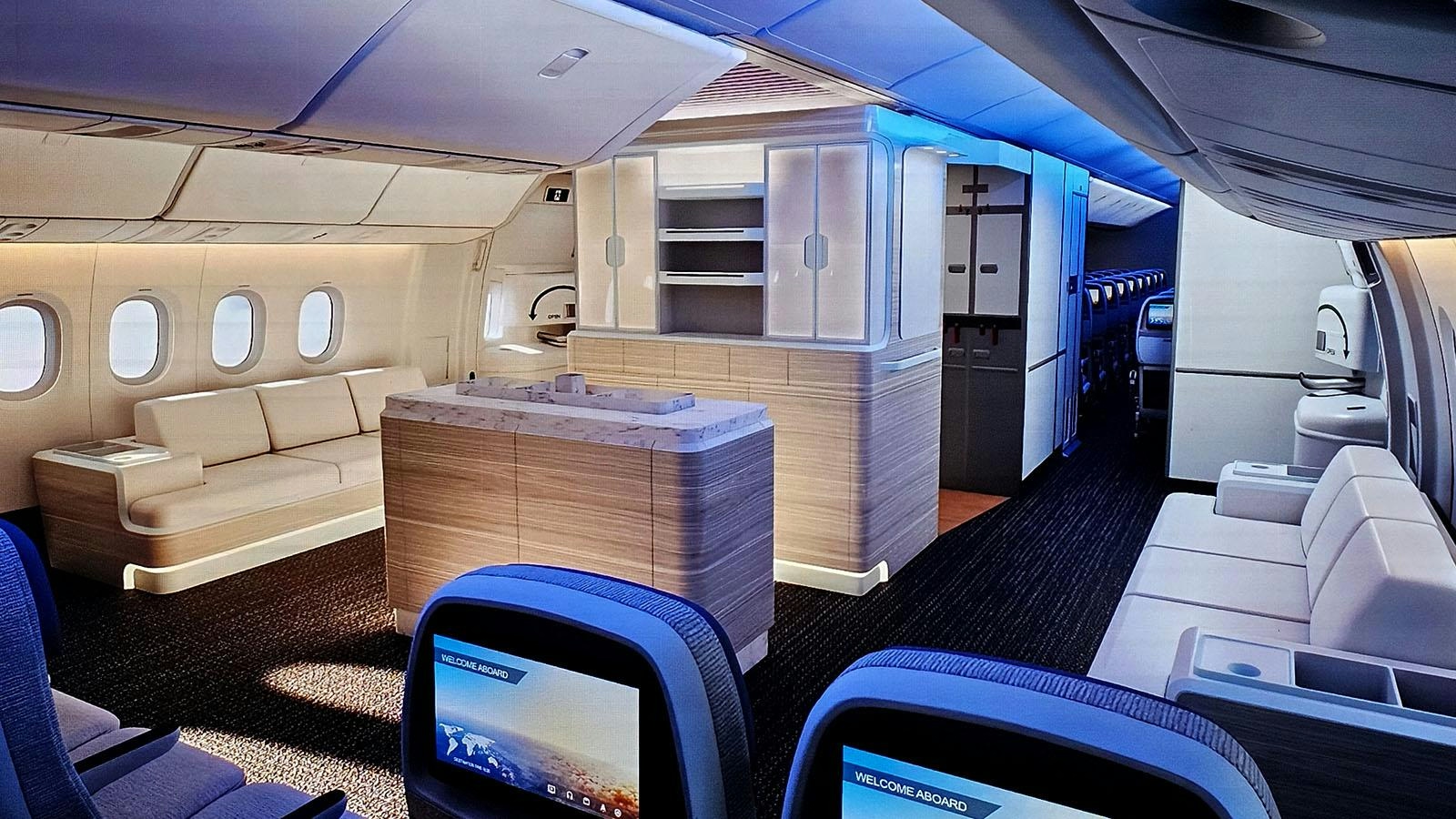
What Passengers Can Expect on Boeing’s New 777X Jet
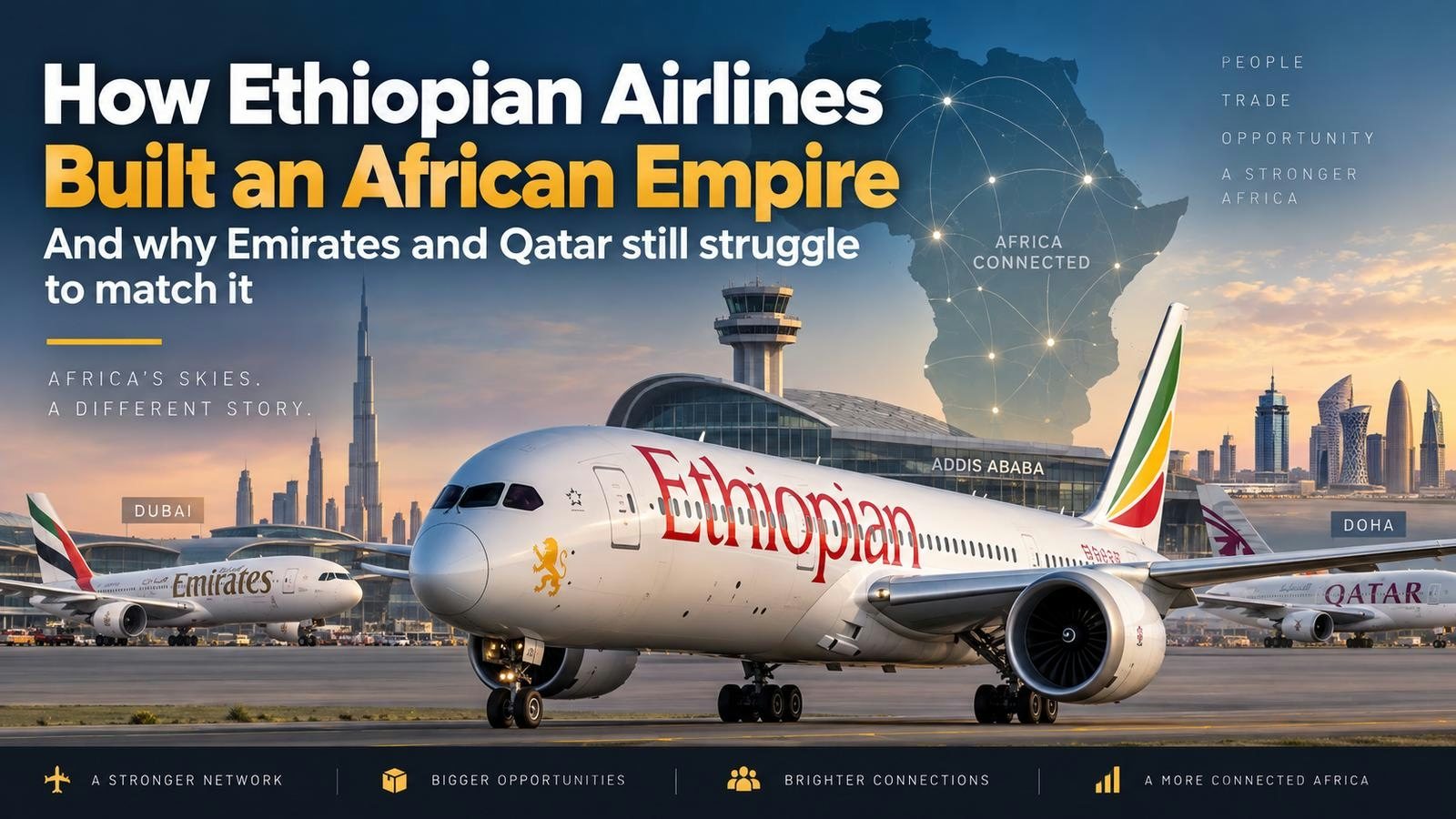
How Ethiopian Airlines Became Africa’s Leading Carrier Amid Gulf Competition
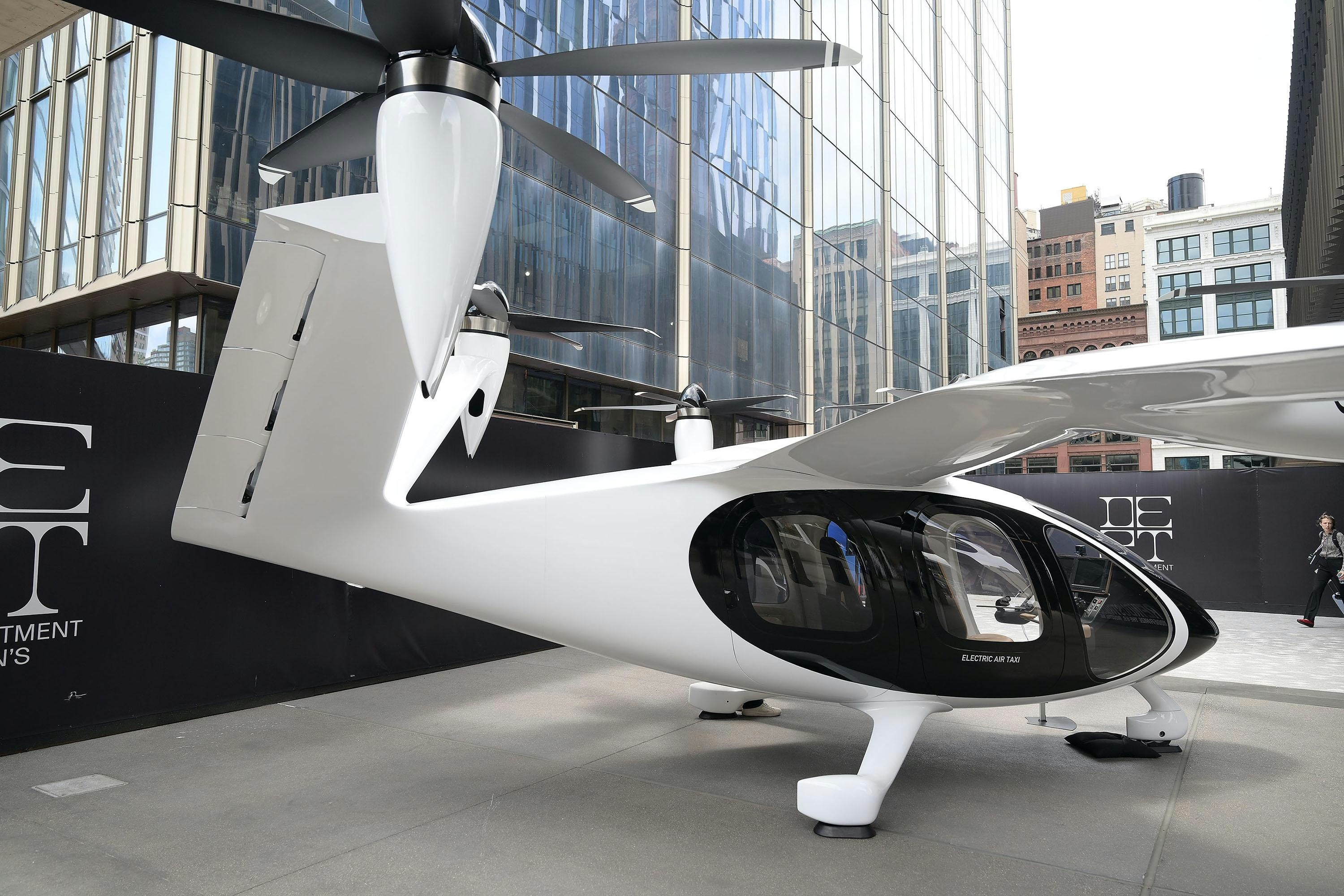
Joby Aviation Extends Autonomous Flight Capabilities with Cross-Country Tour
