
AIによるインサイトを行動へとつなげる

現在のトレンド
Categories
Schiphol and easyJet Introduce Engine-Free Taxiing
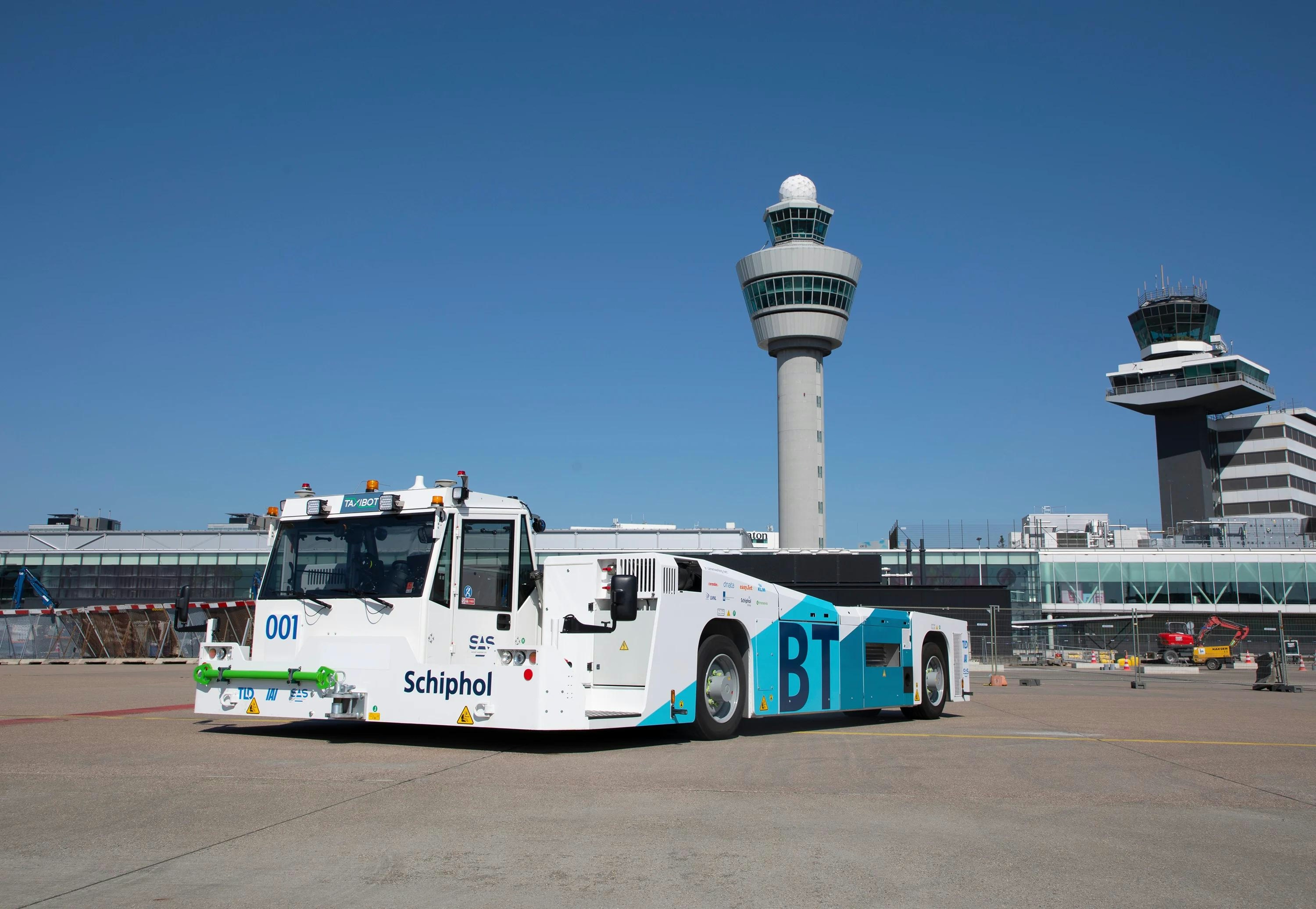
Schiphol and easyJet Introduce Engine-Free Taxiing to Advance Sustainable Aviation
Amsterdam Schiphol Airport and easyJet have jointly launched electronic TaxiBot operations for Airbus aircraft, marking a notable advancement in sustainable ground handling and operational efficiency. This initiative, supported by the SESAR HERON project, follows a successful trial earlier this year and represents a pioneering effort to reduce emissions and noise during aircraft taxiing.
Innovation in Ground Operations
TaxiBot is a semi-robotic aircraft tug that allows planes to taxi between the gate and runway using only their auxiliary power unit (APU), thereby eliminating the need to engage the main engines during ground movement. This method significantly reduces fuel consumption, carbon dioxide emissions, and apron noise. After initial testing in March, easyJet operated its first passenger flight using TaxiBot on April 30. The airline is now equipping three additional Airbus A320neo aircraft with the system as part of a comprehensive programme developed in collaboration with Schiphol, Menzies Aviation, Airbus, and SAS.
easyJet estimates that each flight utilizing TaxiBot can save approximately 95 kilograms of fuel and reduce CO₂ emissions by 299 kilograms. Schiphol, the first European airport to deploy electric TaxiBot technology for Airbus operations, projects that widespread adoption could reduce taxiing fuel consumption by up to 65%, while also lowering nitrogen oxide (NOx) and ultrafine particle emissions. This rollout forms a key component of Schiphol’s broader sustainability strategy, which involves close cooperation with airlines, ground handlers, air traffic control, and technology providers to mitigate the environmental impact of daily airport activities.
Challenges and Industry Response
Despite its promise, the introduction of engine-free taxiing faces several challenges. Regulatory scrutiny remains a significant concern, as the European Union continues to deliberate potential barriers and protectionist measures that could influence the adoption of new aviation technologies. Additionally, integrating TaxiBot into existing airport operations presents logistical and operational complexities, requiring airlines and ground handlers to adapt to new procedures.
Market reactions have been varied. While some airlines embrace the innovation for its potential to reduce emissions and operational costs over time, others express reservations regarding the initial investment and the complexity of incorporating the system into their fleets. Competitors such as Air France-KLM and Lufthansa are closely observing the development, with some expected to accelerate their own sustainability initiatives or lobby for regulatory adjustments to ensure fair competition.
The broader aviation sector is watching the progress at Schiphol and easyJet with keen interest. The success of engine-free taxiing could catalyse a wider shift toward sustainable ground operations across Europe and beyond. As airports and airlines face mounting pressure to reduce their environmental footprint, technologies like TaxiBot may become instrumental in the industry’s transition toward greener practices.

Etihad Airways Suspends Airbus A380 Flights on Key Route

Aditya Birla Group Seeks Approval for Aircraft Leasing in GIFT City

Qatar Airways Highlights Innovation and Connectivity at Arabian Travel Market 2026

Hong Kong's Five-Year Plan Includes Andrew Fan's Aircraft Parts Processing Hub Proposal

ACIA Aero Leasing Delivers ATR72-600 to Air Nostrum

RTX Appoints Jill Albertelli as Head of Pratt & Whitney

TAT Technologies Joins Beyond Aero Hydrogen Aircraft Program

AURAK Study Highlights Barriers to Air Taxi Adoption in Emerging Economies

Xiamen Air Selects Altitude for 787 Maintenance at Heathrow

Etihad and Swissport Extend Global Partnership
