
AIによるインサイトを行動へとつなげる

現在のトレンド
Categories
Skills, AI, and Competency Highlighted at APATS 2026 Maintenance Conference
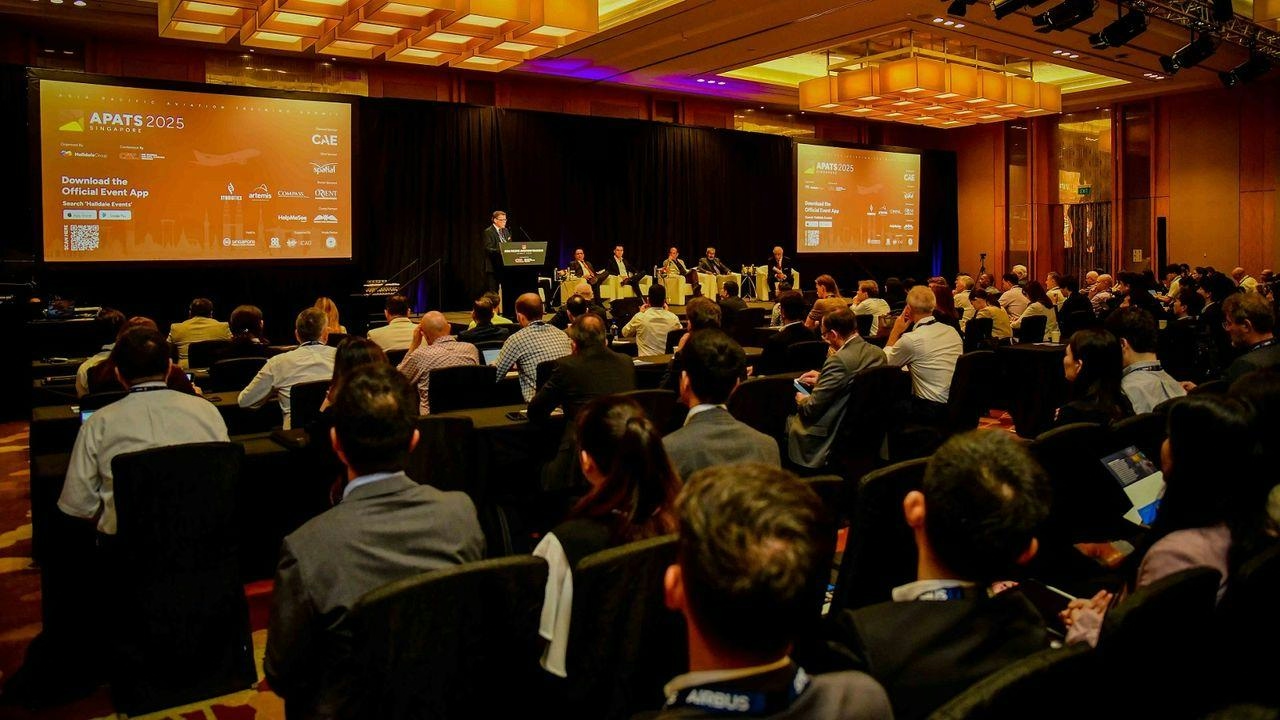
Skills, AI, and Competency Highlighted at APATS 2026 Maintenance Conference
The APATS 2026 Maintenance Conference brought together industry leaders and academics to explore the evolving landscape of aircraft maintenance training. Central to the discussions were three transformative themes: competency-based training, flexible learning models, and the integration of artificial intelligence (AI) within the sector.
From Compliance to Competence
The conference commenced with a clear shift in emphasis from mere regulatory compliance to fostering operational competence. Joey Sweet, Senior Manager of Maintenance Training at Boeing Global Services, delivered a keynote address underscoring the necessity for training programs to extend beyond procedural knowledge. She argued that effective training must cultivate resilience, sound judgment, and behaviors that mitigate maintenance errors. Sweet detailed Boeing’s implementation of Competency-Based Training and Assessment (CBTA), a methodology designed not only to enhance technical skills but also to build confidence and decision-making capabilities critical for high-pressure operational environments. This approach requires the adoption of new assessment techniques and a greater focus on instructor coaching.
Jayani Senanayake from SriLankan Aviation College illustrated CBTA in practice by describing hands-on training sessions where students inspect actual aircraft components containing real defects. By engaging directly with parts such as tyres, fan blades, and windshields, trainees develop practical tool proficiency alongside the nuanced “feel” that only experiential learning can provide. These examples reinforced a growing consensus within the industry: cultivating professional judgment is as vital as technical expertise in preparing maintenance technicians for the complexities of modern airline operations.
Extending the Classroom
The conference also addressed the challenge of training a geographically dispersed workforce, emphasizing the importance of remote and hybrid learning models. David Cirulli, Head of Flight Operations Asia at Embry-Riddle Aeronautical University, advocated moving beyond the binary debate of online versus face-to-face instruction. He urged training leaders to focus on the quality of instructional design, highlighting how flexible learning can accommodate shift workers, support career advancement, and reduce attrition rates without compromising technical rigor or regulatory compliance.
Adding an industry perspective, Glenn Ryan, CEO of Aviation Australia, stressed the critical role of scalable and accessible training programs in attracting and retaining scarce technical talent. As maintenance organizations contend with increasing competition for skilled workers, continuous education is becoming a cornerstone of workforce development rather than merely an entry-level requirement.
AI with Human Oversight
The integration of AI into maintenance training emerged as a prominent theme, reflecting both its potential benefits and inherent challenges. While AI offers opportunities to improve training efficiency and decision support, experts highlighted a significant skills gap, particularly in regions such as India, where demand for AI expertise exceeds supply. Chief Human Resources Officers are prioritizing candidates with AI-related competencies but face difficulties sourcing suitable talent, prompting investments in targeted training initiatives and collaborations with educational institutions.
This skills gap is not confined to aviation; across various industries, companies are intensifying AI training efforts to prepare their future workforce. Nonetheless, skepticism remains, especially in markets like the United States, where concerns about transparency and control over AI-generated information persist. Conference speakers emphasized the necessity of human-centric AI integration, ensuring that technology serves to augment rather than supplant human judgment.
Looking Ahead
The APATS 2026 Maintenance Conference underscored that the future of aircraft maintenance training will be defined by a synthesis of technical competence, adaptable learning frameworks, and prudent AI adoption. As the industry confronts talent shortages and rapid technological change, a balanced approach that harmonizes human expertise with innovation will be indispensable for maintaining safe and effective operations.

Etihad and Swissport Extend Global Partnership
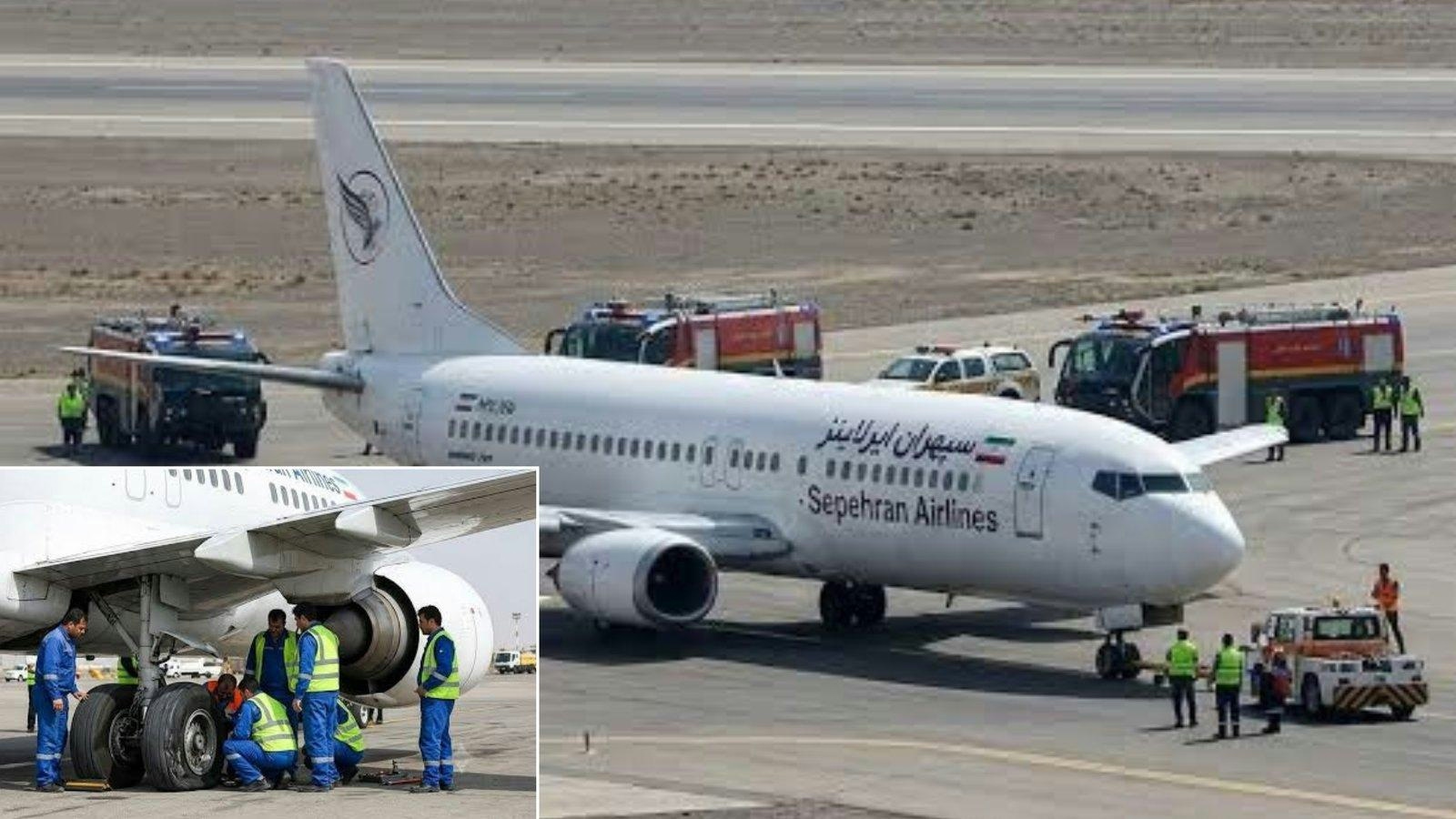
Sepehran Airlines B737 Returns to Mashhad After Tyre and Engine Issues

Etihad Deploys Widebody Fleet to Meet Strong Demand

Korean Air Finalizes $36.2 Billion Deal with Boeing
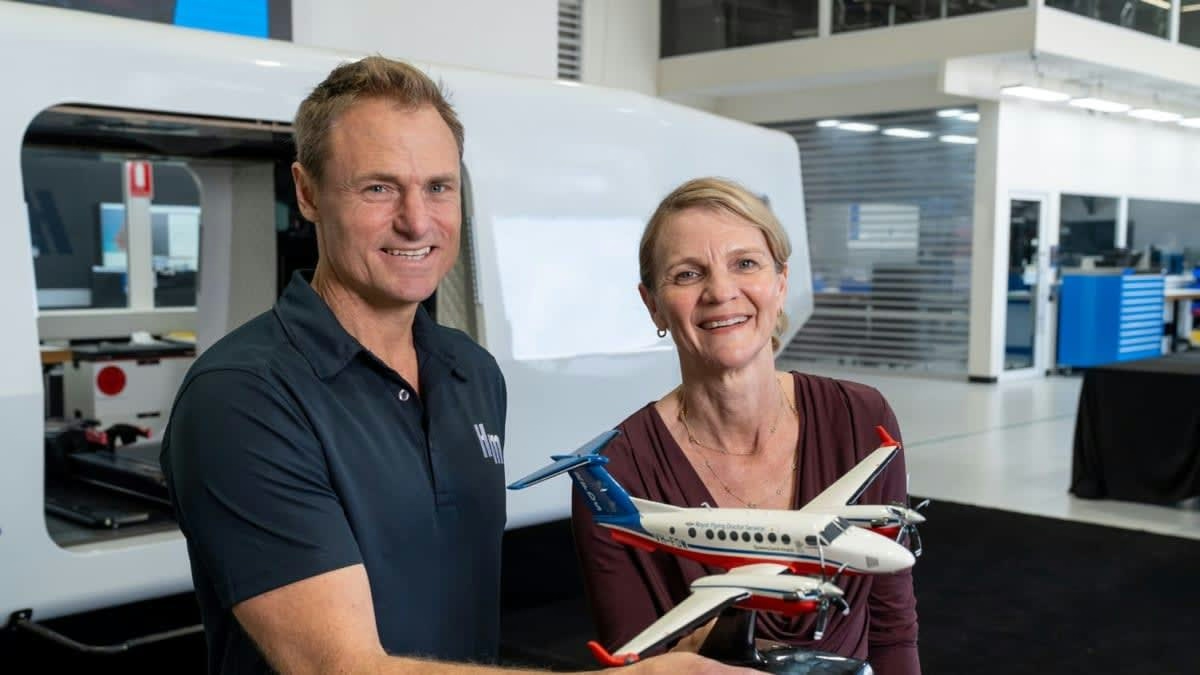
Australia’s RFDS Queensland Section Orders Six King Air 260Cs
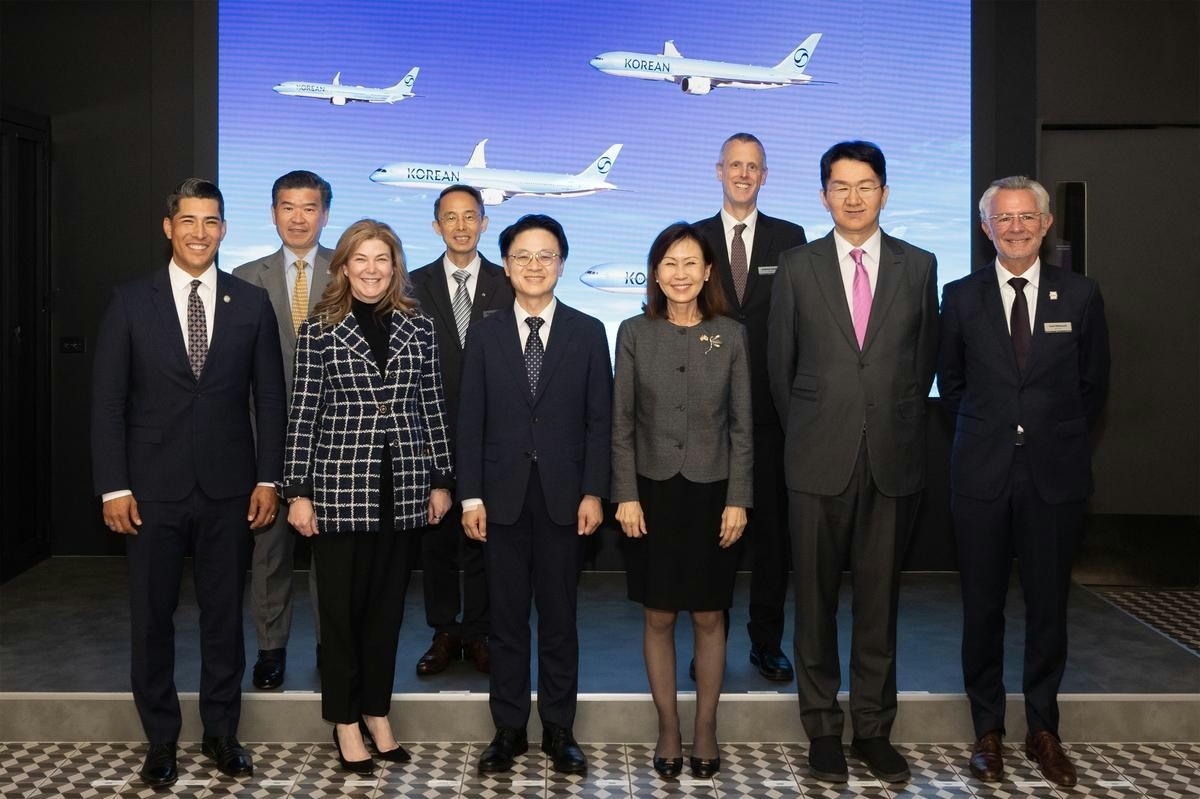
Korean Air Finalizes Order for 103 Boeing Jets and Engines
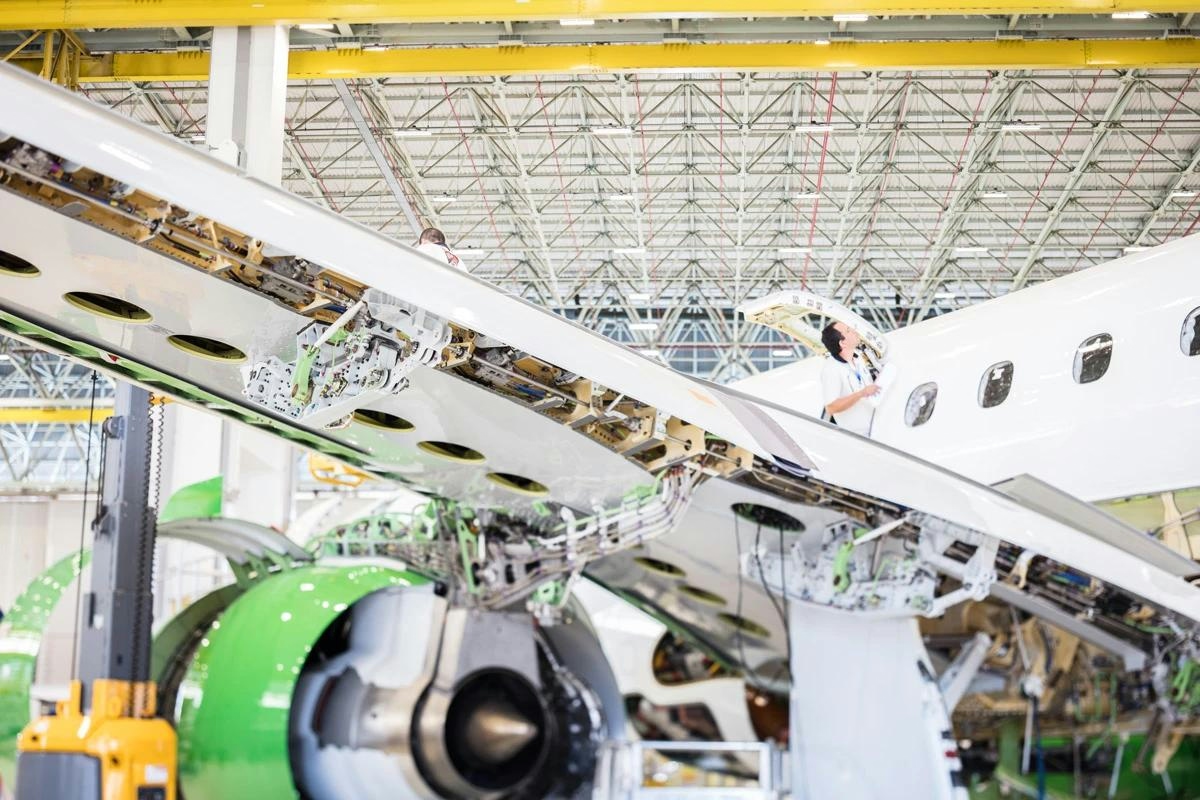
Embraer E195-E2 Features Distinctive Engine Placement Among Regional Jets
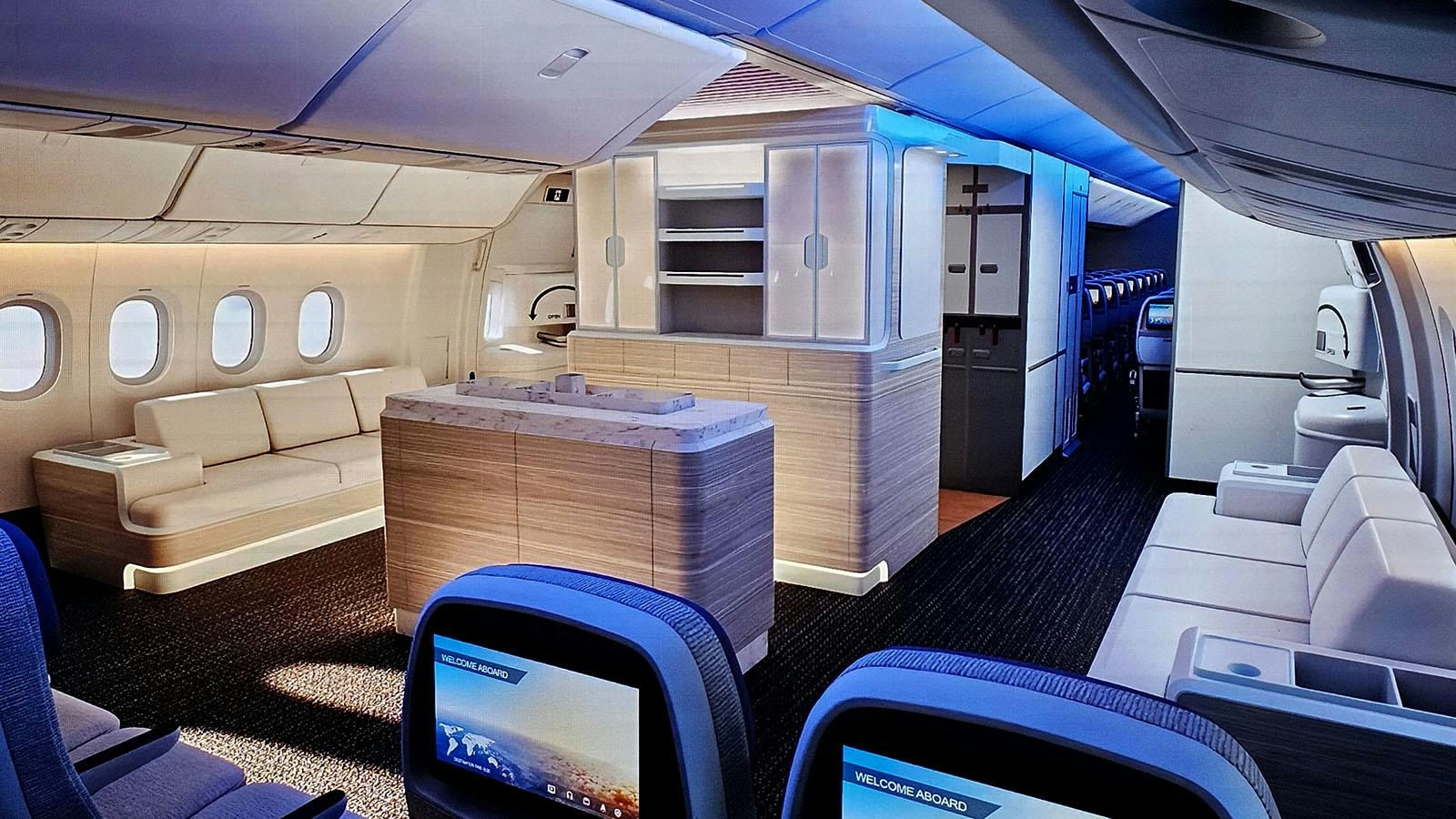
What Passengers Can Expect on Boeing’s New 777X Jet

How Ethiopian Airlines Became Africa’s Leading Carrier Amid Gulf Competition
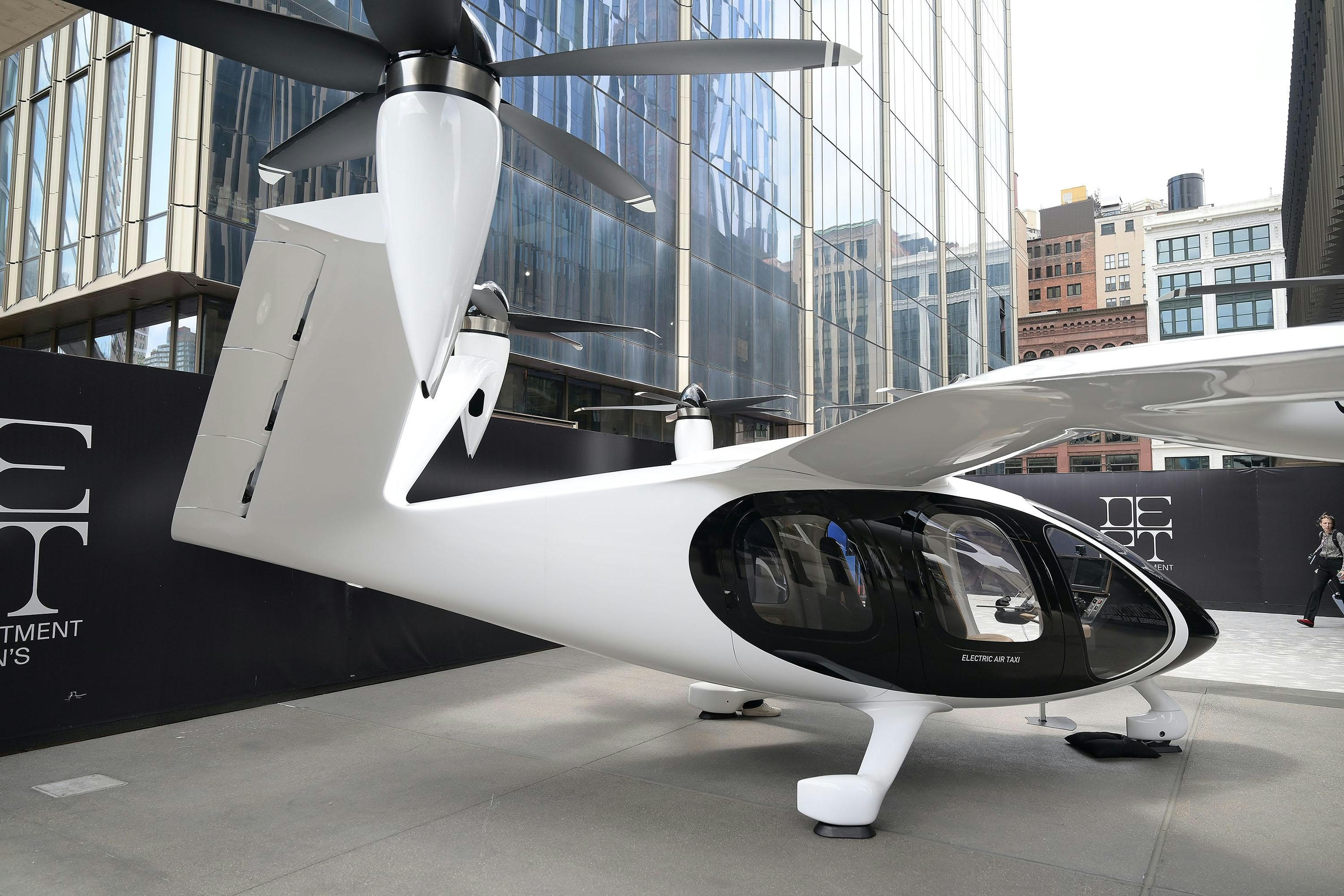
Joby Aviation Extends Autonomous Flight Capabilities with Cross-Country Tour
