
AIによるインサイトを行動へとつなげる

現在のトレンド
Categories
South Korea Begins Local Production of Key Aircraft Engine Materials, Challenging GE and Rolls-Royce Dominance
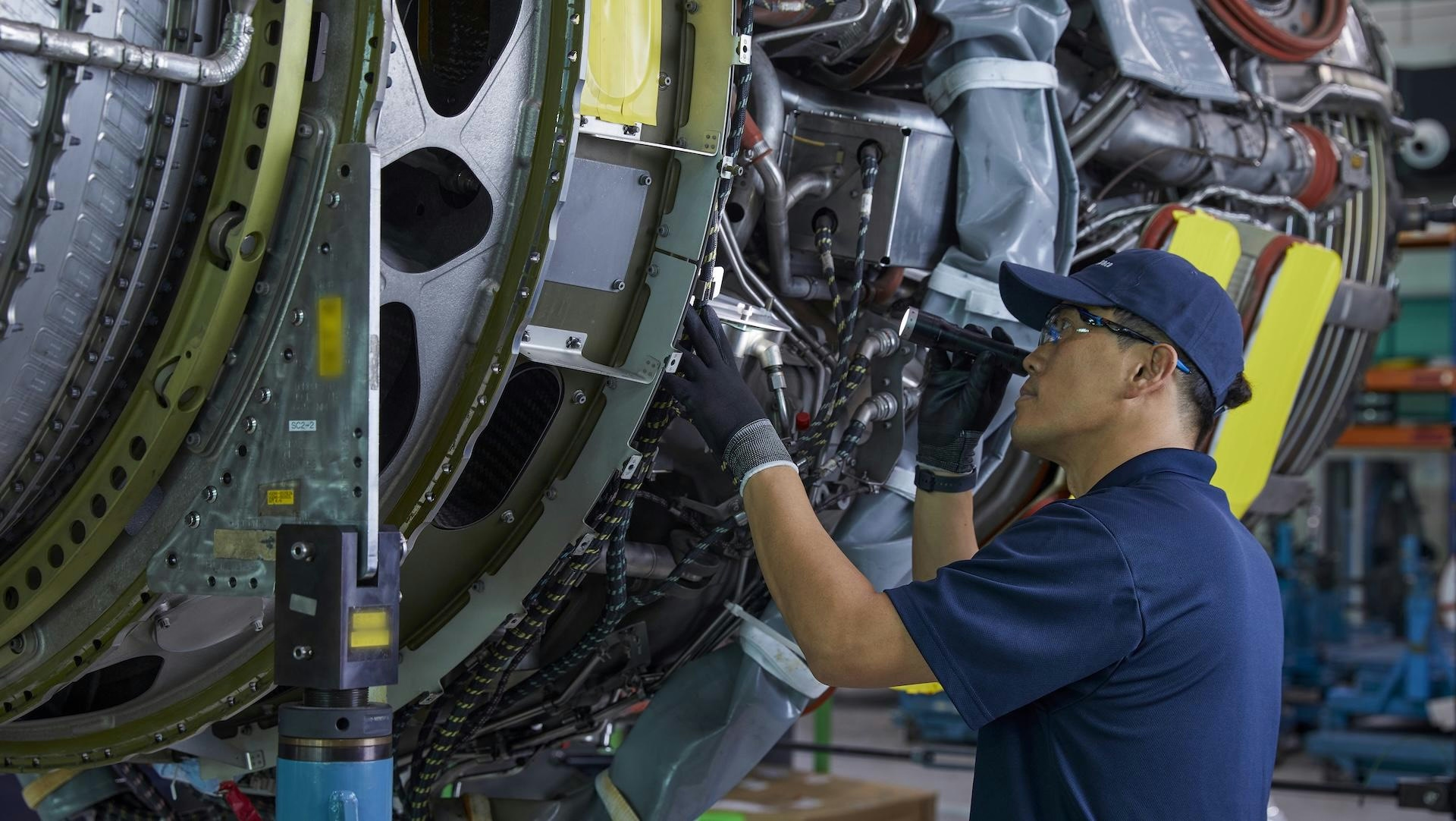
South Korea Advances Domestic Production of Critical Aircraft Engine Materials
South Korea has embarked on a significant initiative aimed at reducing its dependence on foreign suppliers for aircraft engine components. The Korea Aerospace Administration (KASA) has launched a five-year, 42.9 billion won ($31 million) project focused on developing essential heat-resistant materials and core engine parts. This ambitious effort seeks to challenge the longstanding dominance of established industry leaders such as General Electric, Pratt & Whitney, Rolls-Royce, and Safran.
Strategic Development of Advanced Materials and Components
Announced on June 17, the project titled "Development of High-Strength Materials and Components for Aircraft Gas Turbine Engine Structures" unites 20 organizations, including nine materials companies alongside 11 universities and research institutes. The collaboration aims to advance technologies in forged lightweight materials, high-strength alloys, super heat-resistant substances, and precision casting. Aircraft engines demand materials capable of withstanding extreme temperatures and pressures while complying with rigorous certification standards. Until now, only a select group of countries—the United States, United Kingdom, and France—have possessed the technological infrastructure to produce these sophisticated materials and components, leaving South Korea reliant on costly imports and limiting its domestic expertise.
Over the course of the project, efforts will concentrate on developing five types of lightweight, heat-resistant materials and four core engine components. KASA’s approach extends beyond mere localization; it aspires to establish a comprehensive technological framework encompassing material design, manufacturing, testing, evaluation, data accumulation, and product application. This full-cycle strategy is designed to underpin independent aircraft engine development and enhance the technological competitiveness of South Korea’s aviation industry.
Potential Impact on the Global Aircraft Engine Market
South Korea’s entry into this high-barrier sector could have significant implications for the global market. The emergence of a new competitor may compel established players like GE and Rolls-Royce to accelerate innovation and explore new strategic partnerships to safeguard their market positions. Airlines, grappling with ongoing concerns about engine shortages—as underscored recently by the United Airlines CEO—might reconsider their supplier options amid evolving competitive dynamics and potential cost reductions.
KASA Administrator Tae Seog Oh underscored the strategic importance of the initiative, stating, "Aircraft engines are a core sector that determines the competitiveness of the national aviation industry. The materials and components technologies supporting this are the starting point for independent engine development and for creating industrial added value." He further emphasized that the project will serve as a foundation for expanding aerospace materials research and gradually achieving full independence in aircraft engine technology.
As South Korea intensifies its efforts, the global aircraft engine market may witness increased innovation, shifting alliances, and a more diversified supply chain, potentially reshaping the competitive landscape in the years ahead.
Strengthening Europe's Aviation Supply Chain Amid Uncertainty
He 111Z Zwilling: Twin Fuselages, Five Engines, One Pilot

Monacair Plans Electric Air Taxi Service Between Monaco and Nice by 2029

Somalia’s Starsky Aviation Plans International Expansion
Precision and Care Essential in Aerospace Coating Applications
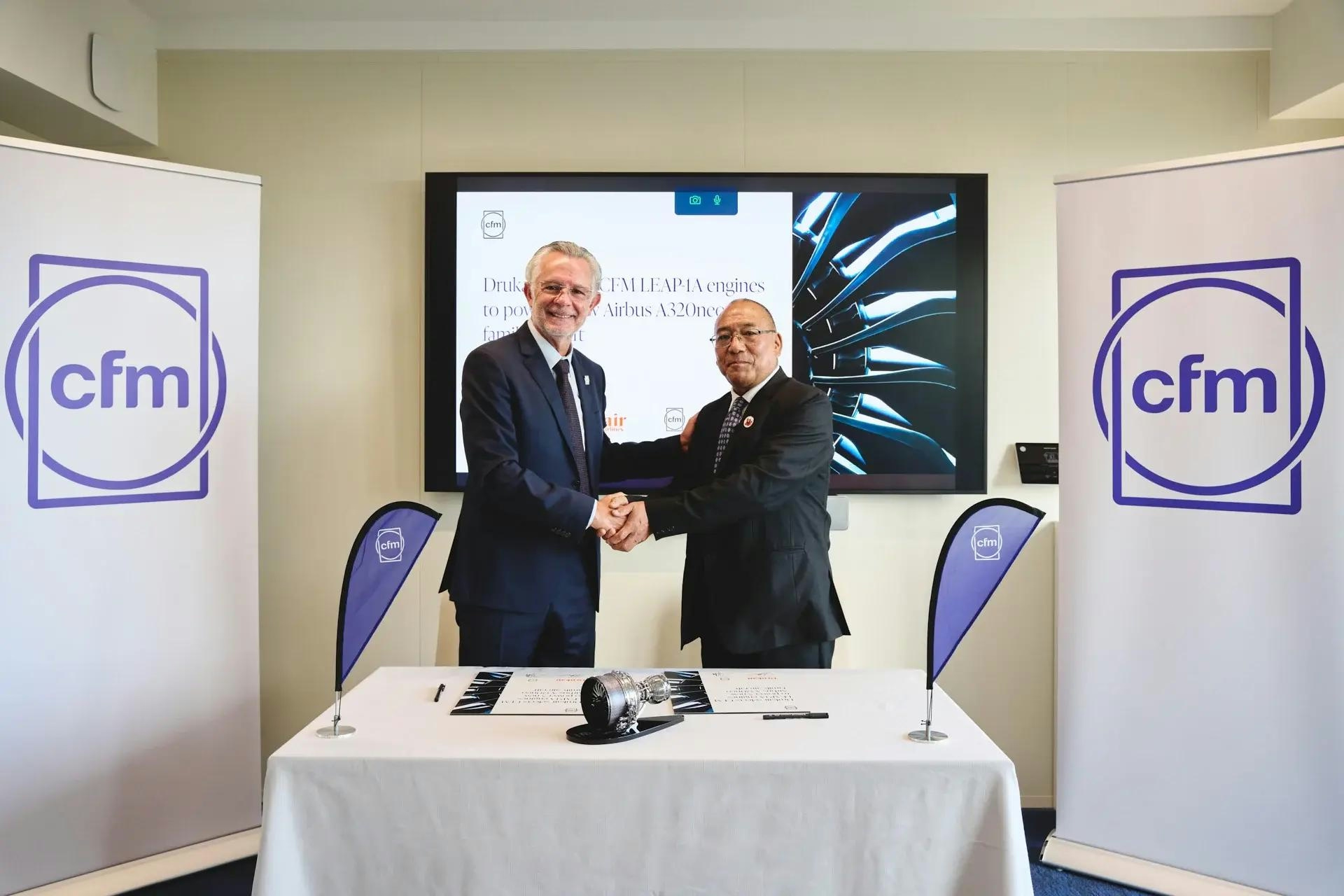
Drukair Chooses LEAP Engines for Five Airbus Aircraft

Russia Tests Air Taxis with Passenger Flights Possible in 2-3 Years
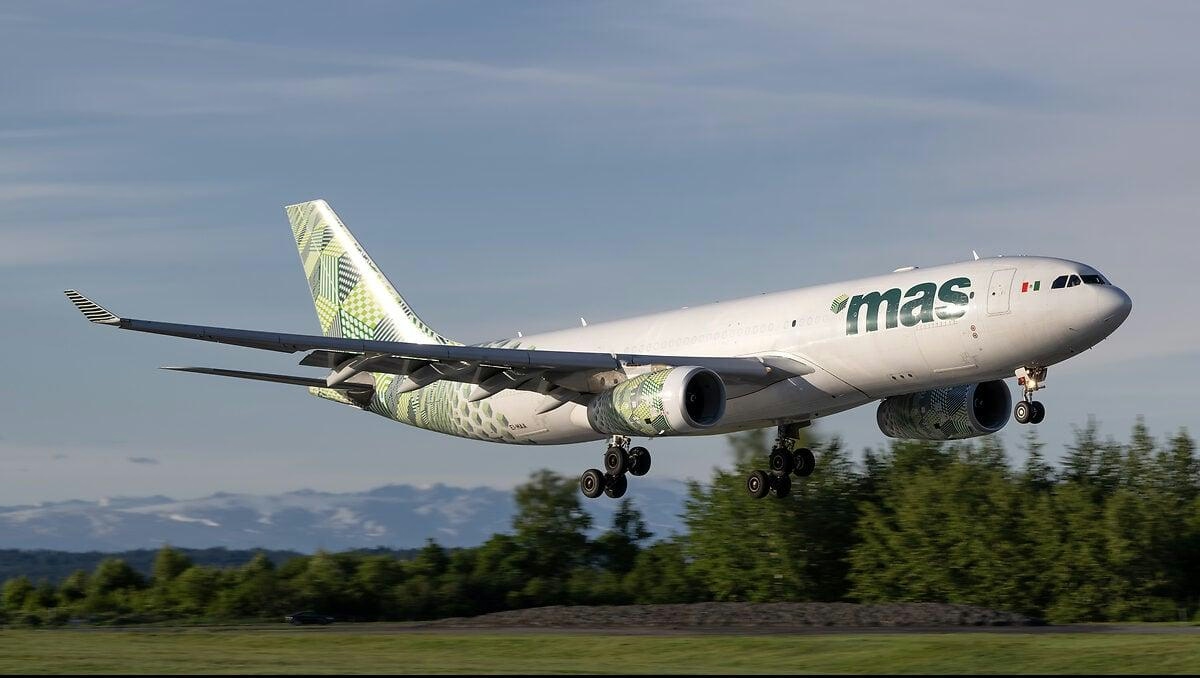
EPCOR and MAS Sign Five-Year A330 APU Support Agreement
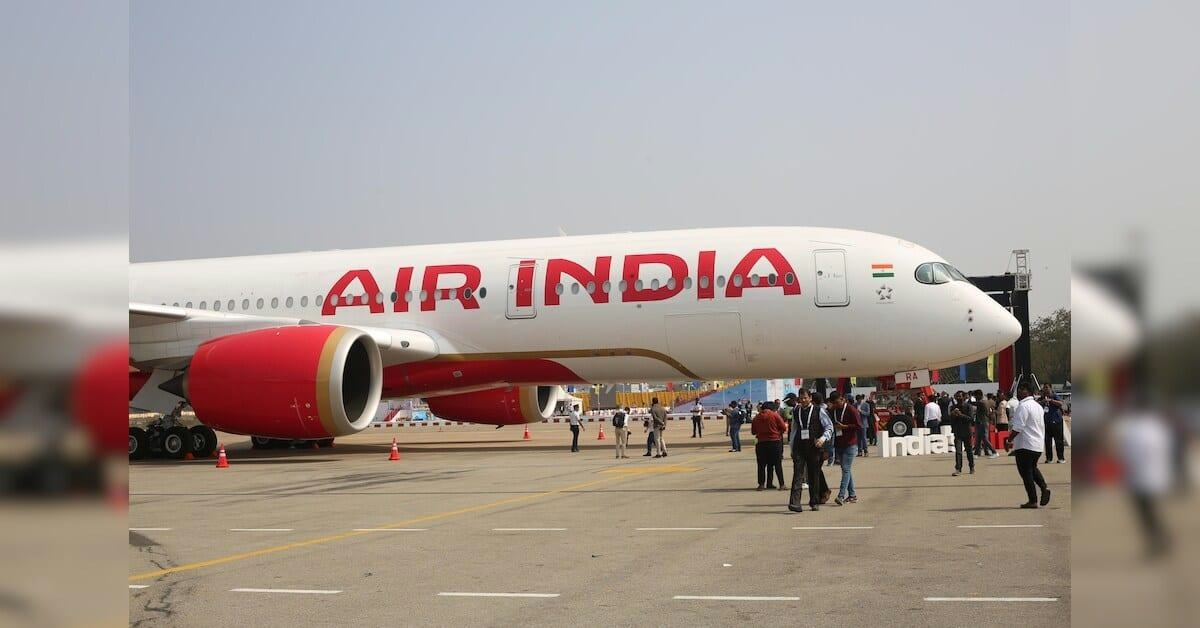
Air India Expands Use of Salesforce AI to Enhance Customer Service
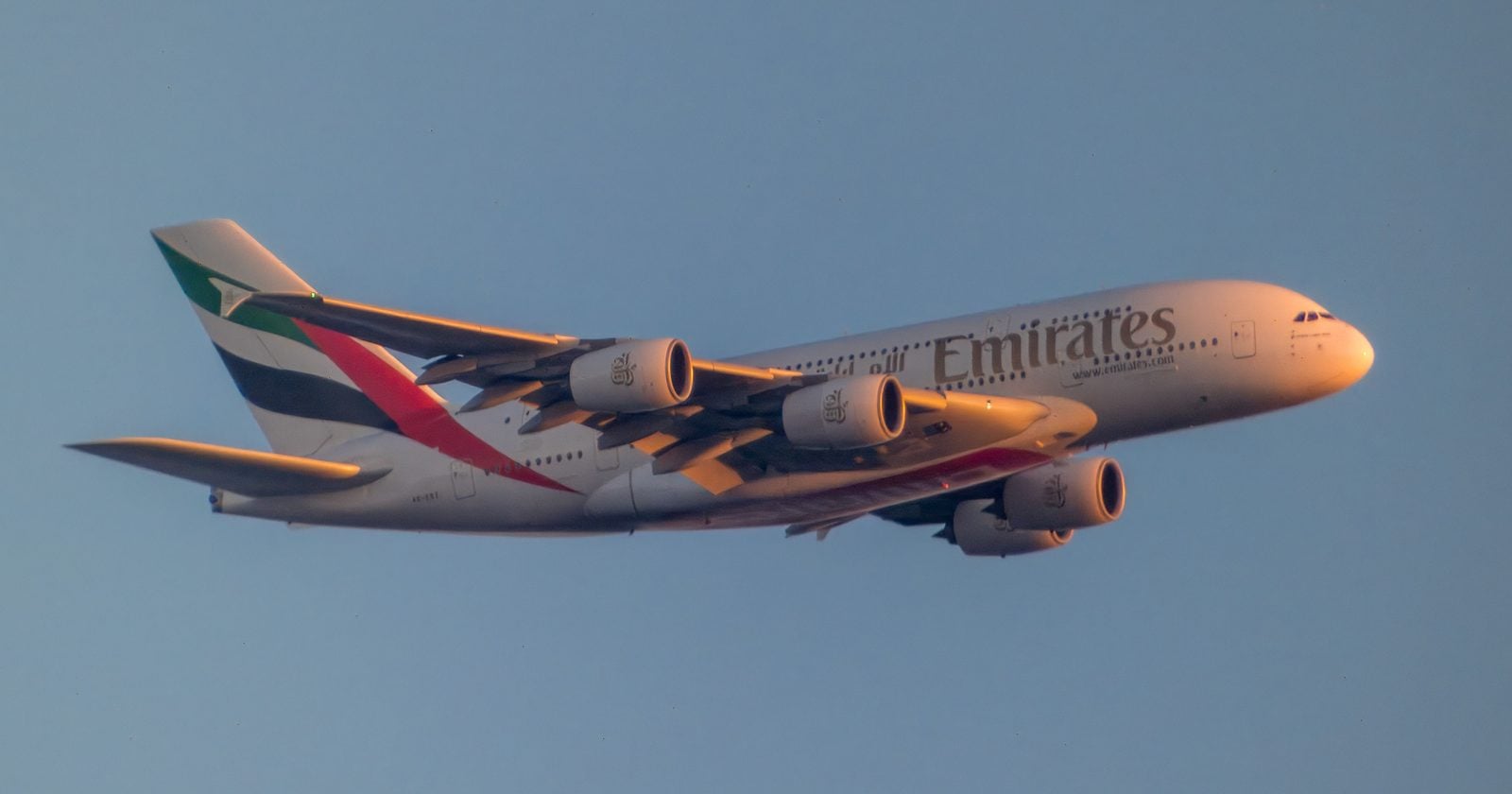
European Regulators Order Urgent Inspections After Cracks Found in Airbus A380 Wing Spars
