
AIによるインサイトを行動へとつなげる

現在のトレンド
Categories
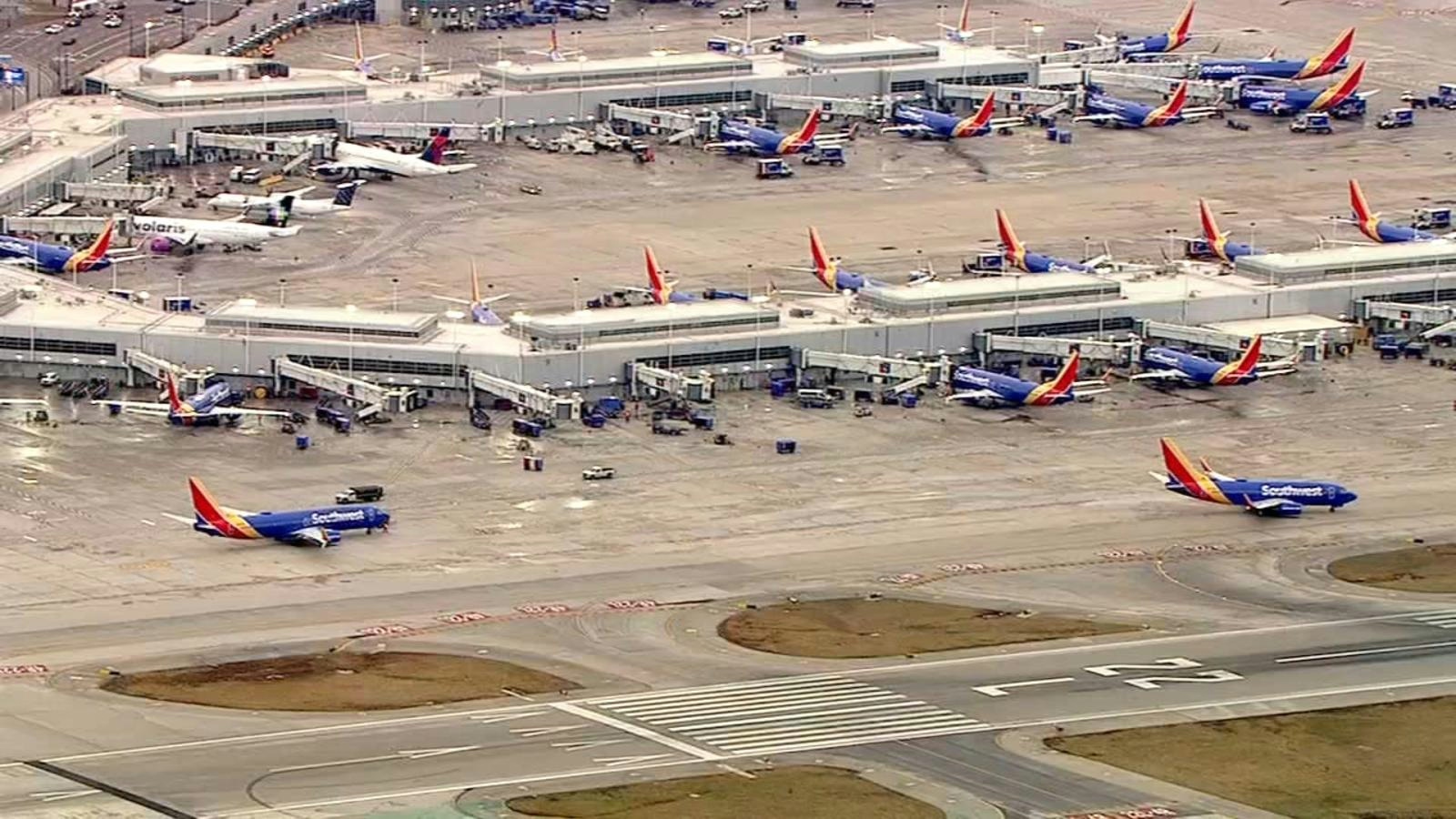
Southwest Airlines to Replace Outdated Software Behind 16,700 Flight Cancellations by 2028
Southwest Airlines to Replace Outdated Software Behind 16,700 Flight Cancellations by 2028
The 2022 Operational Crisis and Its Causes
In December 2022, Southwest Airlines experienced the most severe operational disruption in U.S. airline history, canceling over 16,700 flights in the wake of Winter Storm Elliott. The airline’s aging crew scheduling software, SkySolver, was identified as the primary cause of the chaos. Originally implemented in 2004, SkySolver was overwhelmed by the scale and speed of the disruptions, unable to process real-time changes effectively. As the storm intensified, crew schedulers were forced to abandon the automated system and resort to manual processes, resulting in widespread delays, stranded crews, and planes left without staff. The operational turmoil persisted from December 21 through December 30, leaving passengers frustrated and operations in disarray.
The fallout from the incident was severe. The U.S. Department of Transportation imposed a record $140 million fine on Southwest, while the airline reported losses exceeding $1 billion. Unlike its competitors, Southwest was disproportionately affected, revealing significant vulnerabilities in its technological infrastructure. SkySolver, designed for a smaller and less complex operation, struggled to accommodate the airline’s expanded schedule, which has grown by nearly 70% since the software’s introduction.
Internal Warnings and Deferred Upgrades
Concerns about the limitations of SkySolver had been raised internally as early as 2018. However, Southwest’s leadership reportedly postponed necessary upgrades in an effort to maintain its low-cost business model. The absence of a backup system and inadequate employee training further exacerbated the crisis, leaving staff ill-equipped to manage the system’s failure. Despite numerous modifications over the years, the core software remained outdated and ill-suited to the demands of modern airline operations.
Plans for Modernization Amid Industry Challenges
In response to the crisis, Southwest has announced plans to replace SkySolver with a new cloud-based scheduling system by 2028. This transition, however, comes at a time of considerable uncertainty within the software industry. The sector is grappling with the disruptive effects of artificial intelligence and faces a looming “maturity wall” of loans due in 2028, which may complicate financing for large-scale IT projects. Market analysts caution that Southwest’s financial position could come under increased scrutiny, potentially attracting interest from private credit investors as the airline undertakes this significant technological overhaul.
Competitors are also accelerating their technology investments and forging new partnerships to adapt to the evolving landscape. Southwest, for instance, has committed to enhancing in-flight connectivity through a collaboration with Starlink, reflecting a broader strategy to modernize its operations. Nonetheless, recent operational issues, such as those experienced at Rhode Island’s airport, highlight the ongoing challenges the airline faces in maintaining efficiency and protecting its reputation.
As Southwest moves forward with this critical upgrade, the effectiveness of its new scheduling system will be closely monitored. The outcome will not only test the airline’s technological resilience but also serve as an important indicator for the industry regarding the necessity of robust and adaptable IT infrastructure in an era marked by rapid change.
Comments

Etihad and Swissport Extend Global Partnership

Sepehran Airlines B737 Returns to Mashhad After Tyre and Engine Issues

Etihad Deploys Widebody Fleet to Meet Strong Demand

Korean Air Finalizes $36.2 Billion Deal with Boeing

Australia’s RFDS Queensland Section Orders Six King Air 260Cs

Korean Air Finalizes Order for 103 Boeing Jets and Engines

Embraer E195-E2 Features Distinctive Engine Placement Among Regional Jets

What Passengers Can Expect on Boeing’s New 777X Jet

How Ethiopian Airlines Became Africa’s Leading Carrier Amid Gulf Competition

Joby Aviation Extends Autonomous Flight Capabilities with Cross-Country Tour
