
AIによるインサイトを行動へとつなげる

現在のトレンド
Categories
The Role of Human Leadership and Empathy in the Future of Travel Automation

The Role of Human Leadership and Empathy in the Future of Travel Automation
The travel industry is undergoing a profound transformation as artificial intelligence (AI) becomes increasingly integrated into its operations. Airlines, cruise lines, hotels, and travel agencies are adopting automation not only to streamline back-end processes but also to reshape labor organization and customer service. However, as AI assumes responsibility for routine and repetitive tasks, the sector faces a critical challenge: preserving human-centric leadership and empathy as essential components of the travel experience.
Empathy as a Core Leadership Competency
Don Gregori, Chief Operating Officer of First Factory, emphasizes that empathy has evolved beyond a mere “soft skill” to become a vital leadership capability. While AI excels in data analysis and delivering personalized interactions, it is the human element that remains indispensable in service recovery and complex decision-making. In hospitality and tourism, where trust is fundamental, AI can optimize logistics and operational efficiency, but only human leaders can effectively manage the emotional consequences of disruptions such as flight cancellations or medical emergencies at sea.
Automation’s Influence on Workforce Dynamics
Automation is streamlining various functions across the travel ecosystem, yet it also introduces psychological and professional challenges for employees. In airlines, automated scheduling and operations require human leaders to manage crew anxiety and facilitate role transitions. Hotels employ AI-powered reservation and concierge tools, but maintaining high-touch hospitality and empathy remains a distinctly human responsibility. Cruise lines utilize predictive planning and guest services automation, yet complex problem-solving during disruptions demands human intervention. Similarly, travel agencies leverage data-driven personalization and booking bots, while high-level advisory roles and emotional intelligence continue to rely on human expertise.
Building Traveler Trust in AI Systems
A significant obstacle in the adoption of AI within travel is cultivating traveler trust. Evan Konwiser of Amex GBT stresses the importance of transparency in AI systems, noting that explaining AI-generated recommendations is crucial to earning traveler confidence. Market trends reveal that the most substantial returns on AI investments arise from augmenting human capabilities rather than replacing them. Duane Overgaard highlights that operational efficiency and enhanced guest experiences are best achieved when AI supports human staff instead of supplanting them.
In response, competitors are developing AI agents capable of retaining contextual information over time, aiming to foster persistent and personalized relationships with travelers. This approach reflects a broader industry effort to deepen customer engagement through technology while preserving the human touch.
Managing the Digital Transition in Travel
For travel organizations, integrating AI represents more than a technological upgrade; it is a fundamental workforce transition. Effective strategies include clear communication to establish transparent timelines for AI implementation, thereby reducing uncertainty and resistance among employees. Upskilling initiatives are essential to redefine roles, focusing on “exception management” where humans address complex cases beyond AI’s capabilities. Regular “human-in-the-loop” audits empower staff to identify and rectify AI shortcomings, ensuring continuous improvement. Additionally, aligning AI adoption with regional digital transit policies—such as India’s Digi Yatra or Europe’s ETIAS—is critical to avoid introducing new bureaucratic obstacles.
Toward a Hybrid Model of Travel
The shift toward AI-driven travel represents a structural reorganization of the tourism economy. Organizations that fail to invest in human leadership risk diminished employee engagement and a depersonalized customer experience. The future of travel infrastructure will be inherently hybrid: AI will provide scale and efficiency, while human leaders will deliver value through empathy and judgment. As articulated in Don Gregori’s award-winning framework, The Emergent Leader, the equilibrium between automation and human leadership will define the next era of travel.
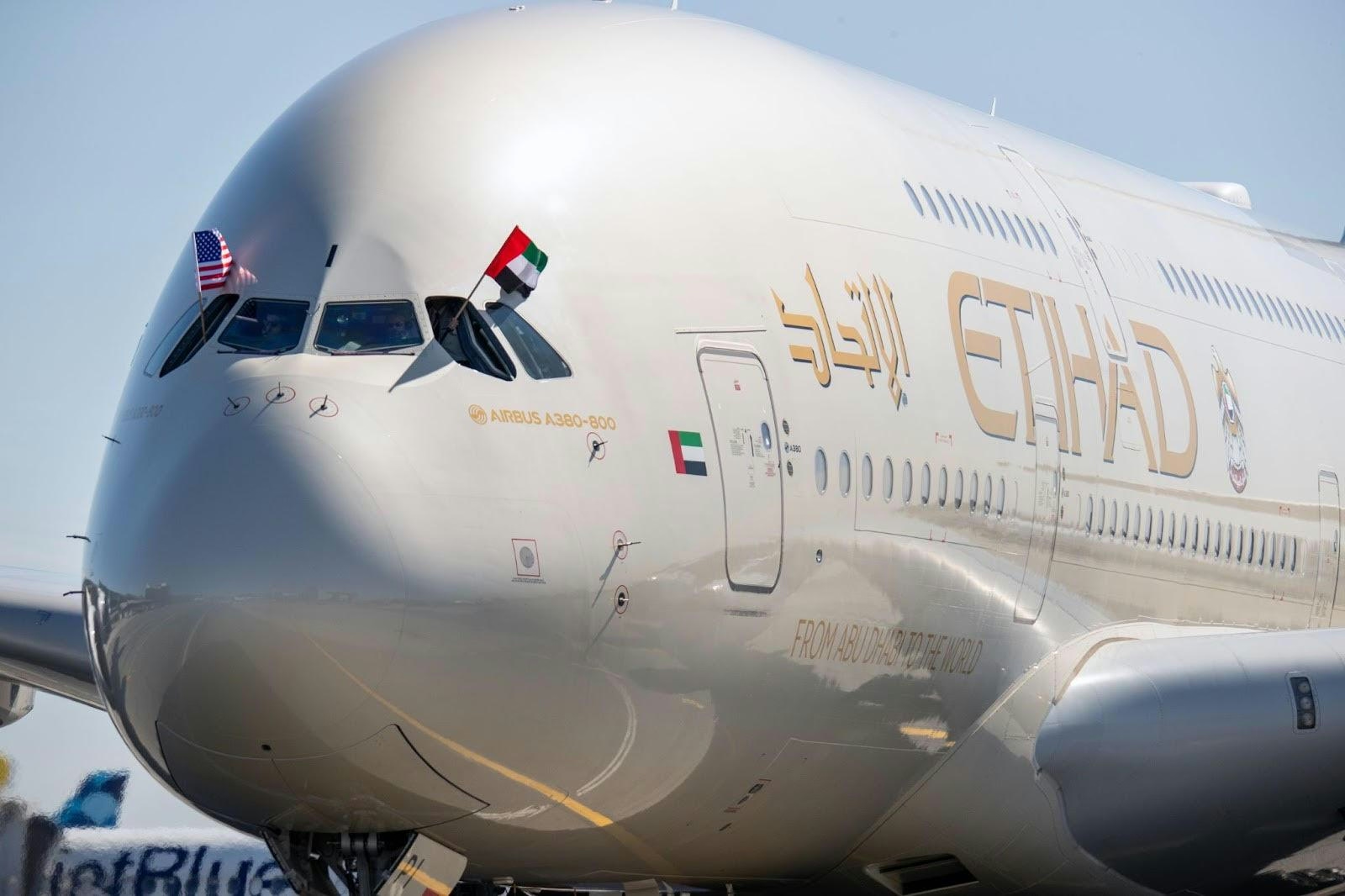
Etihad Airways Suspends Airbus A380 Flights on Key Route

Aditya Birla Group Seeks Approval for Aircraft Leasing in GIFT City

Qatar Airways Highlights Innovation and Connectivity at Arabian Travel Market 2026
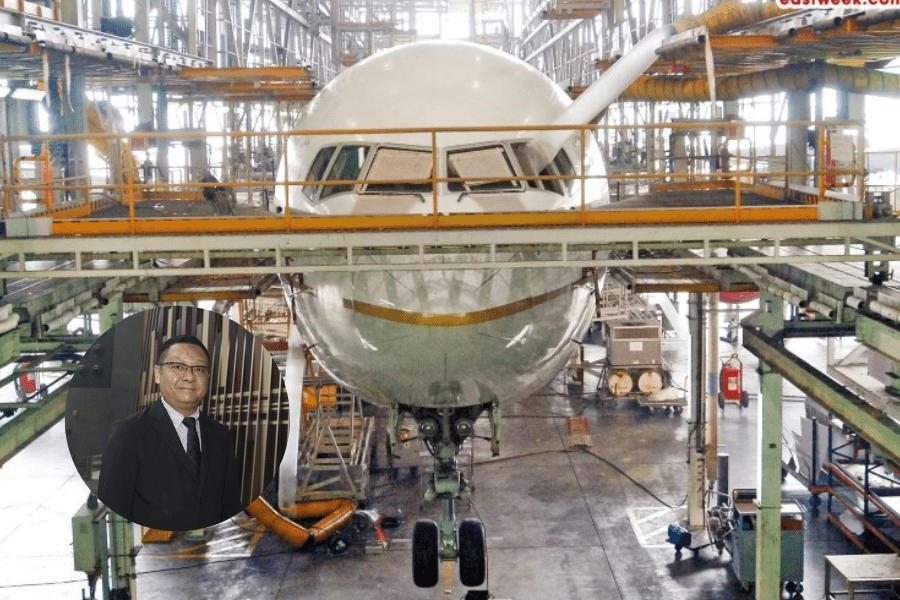
Hong Kong's Five-Year Plan Includes Andrew Fan's Aircraft Parts Processing Hub Proposal

ACIA Aero Leasing Delivers ATR72-600 to Air Nostrum
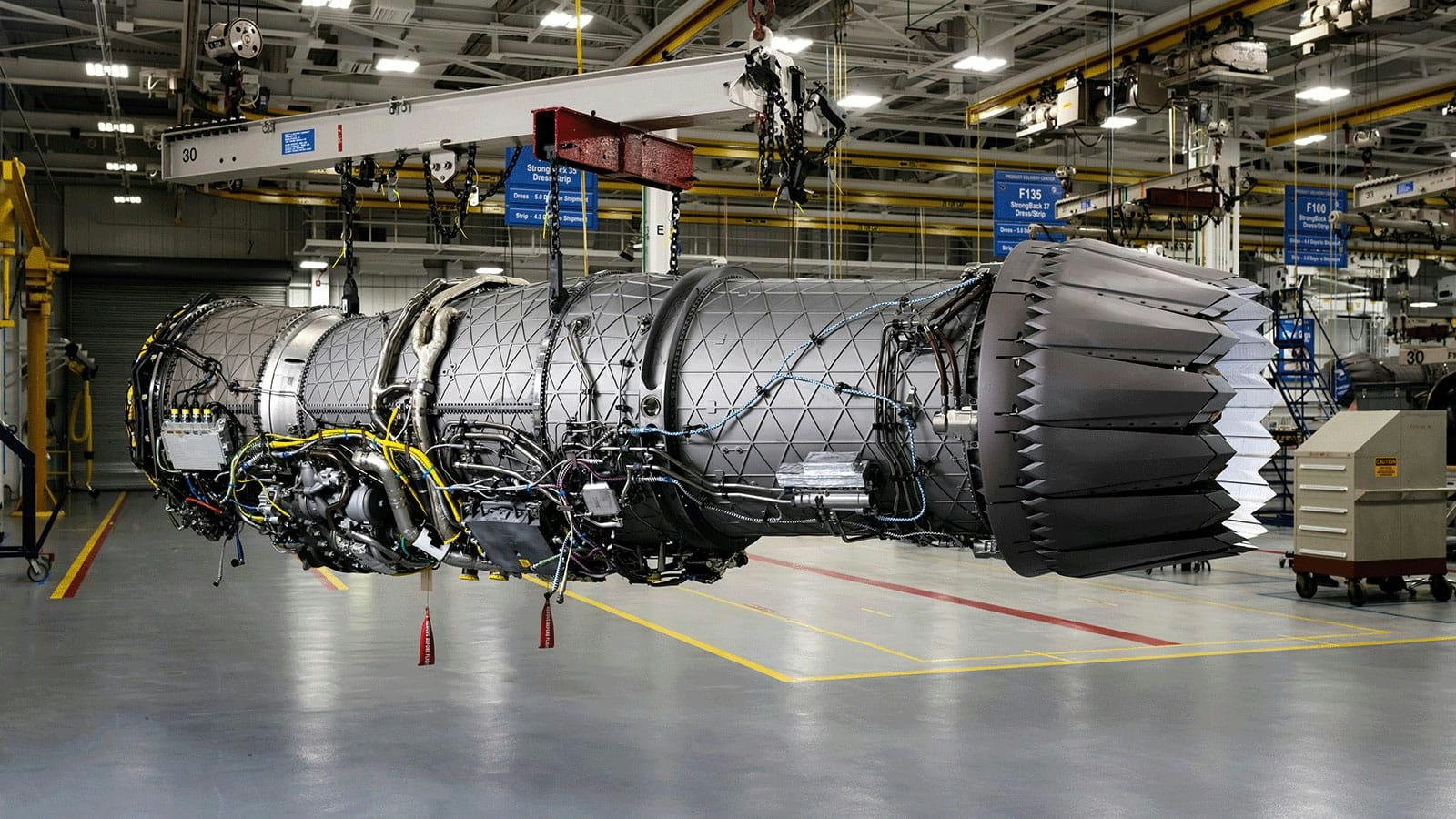
RTX Appoints Jill Albertelli as Head of Pratt & Whitney
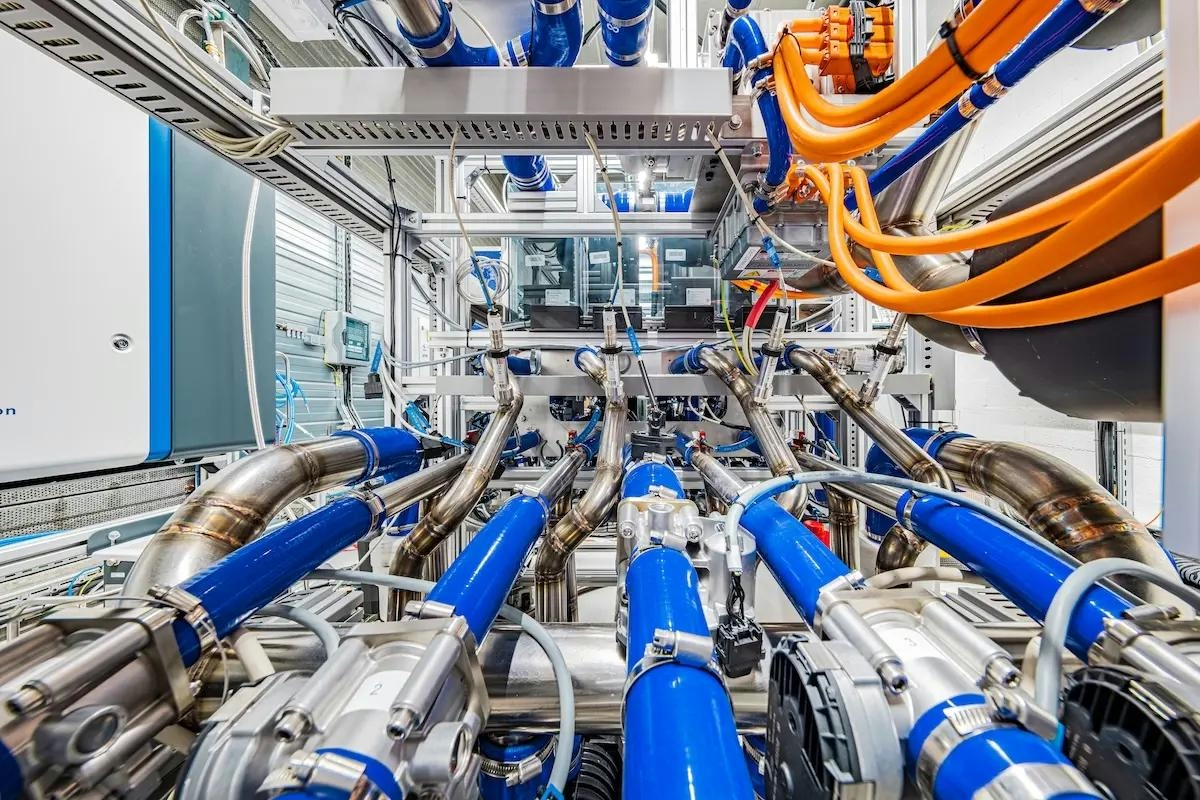
TAT Technologies Joins Beyond Aero Hydrogen Aircraft Program

AURAK Study Highlights Barriers to Air Taxi Adoption in Emerging Economies
Xiamen Air Selects Altitude for 787 Maintenance at Heathrow
Etihad and Swissport Extend Global Partnership
