
AIによるインサイトを行動へとつなげる

現在のトレンド
Categories
Virgin Australia Implements Embraer’s AHEAD System
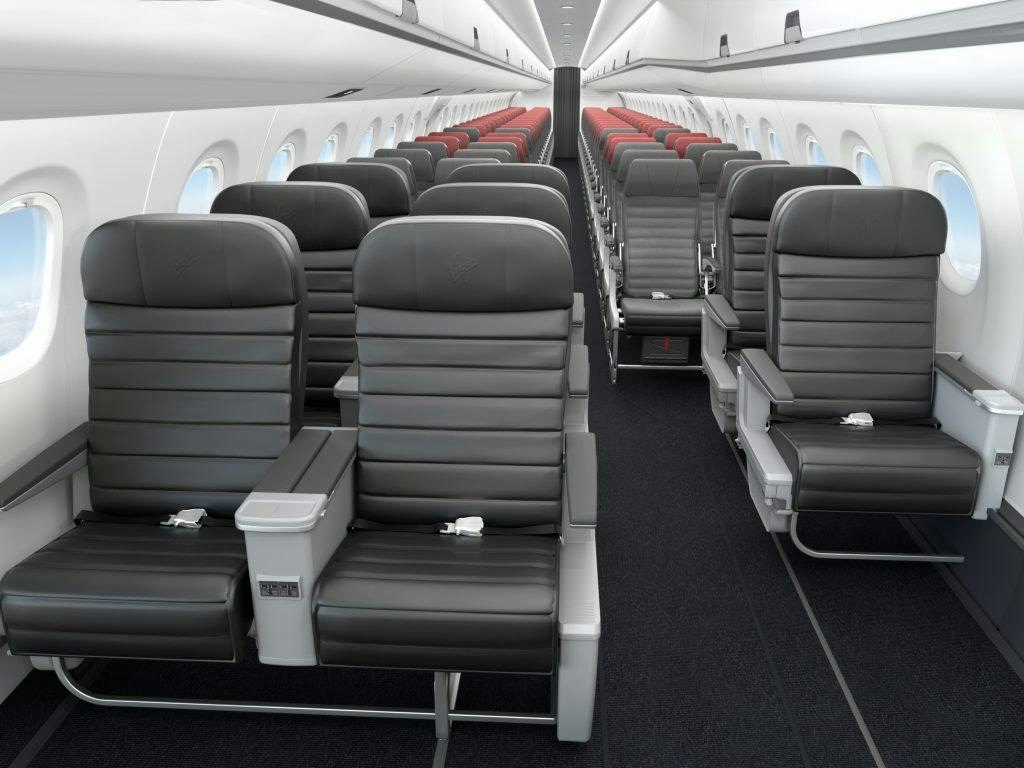
Virgin Australia Implements Embraer’s AHEAD System for E2 Fleet
Embraer has formalized an agreement with Virgin Australia to equip the airline’s E2 fleet with its advanced Aircraft Health Analysis and Diagnosis (AHEAD) system. This initiative represents a significant advancement in digital predictive maintenance for Virgin Australia’s E-Jet aircraft. The AHEAD platform utilizes real-time data to continuously monitor critical aircraft systems, including the auxiliary power unit (APU), fuel, pneumatics, hydraulics, avionics, engines, navigation, air conditioning, and flight controls, both during flight and on the ground. By employing sophisticated analytics and predictive algorithms, the system is designed to detect and anticipate potential technical issues before they escalate, thereby enabling proactive maintenance interventions.
Enhancing Operational Efficiency and Sustainability
The integration of the AHEAD system is expected to substantially reduce unscheduled downtime, optimize fleet availability, and lower operational costs for Virgin Australia. Additionally, by minimizing avoidable fuel consumption associated with maintenance-related disruptions, the airline anticipates a reduction in CO₂ emissions. Nathan Miller, Executive General Manager at Virgin Australia Regional Airlines, emphasized the transformative potential of the E2 jets, describing them as “a game-changer” that delivers enhanced reliability, efficiency, and passenger comfort. He further noted that the AHEAD tool will be instrumental in preempting maintenance challenges, thereby maximizing aircraft performance and strengthening operational resilience across the airline’s network.
Virgin Australia currently holds firm orders for eight E2 jets and has already taken delivery of two aircraft. The E190-E2 fleet is based in Perth and operated by Virgin Australia Regional Airlines (VARA).
Challenges and Industry Implications
Despite the anticipated benefits, the implementation of Embraer’s AHEAD system presents several challenges. Integrating this new digital maintenance platform with existing aircraft systems may involve complex technical hurdles, potentially delaying full operational deployment. Moreover, the transition will necessitate comprehensive training programs for both pilots and maintenance personnel to ensure the effective utilization of the technology.
The initiative has attracted considerable attention from aviation regulators and industry competitors alike. Regulatory authorities are expected to closely monitor the integration process to ensure compliance and safety standards. Meanwhile, rival airlines may accelerate their own development and adoption of advanced aircraft health monitoring systems to maintain competitive parity. This growing focus on predictive maintenance technologies is poised to influence industry standards and stimulate further innovation within the sector.
Embraer’s broader strategic priorities—including efforts to increase E2 sales and expand into defense and electric vertical take-off and landing (eVTOL) markets—may also impact the pace and extent of support provided for Virgin Australia’s AHEAD system rollout. As Embraer manages these multiple objectives, the success of this partnership could serve as a critical benchmark for future digital transformation initiatives in commercial aviation.

Etihad Airways Suspends Airbus A380 Flights on Key Route

Aditya Birla Group Seeks Approval for Aircraft Leasing in GIFT City

Qatar Airways Highlights Innovation and Connectivity at Arabian Travel Market 2026

Hong Kong's Five-Year Plan Includes Andrew Fan's Aircraft Parts Processing Hub Proposal

ACIA Aero Leasing Delivers ATR72-600 to Air Nostrum

RTX Appoints Jill Albertelli as Head of Pratt & Whitney

TAT Technologies Joins Beyond Aero Hydrogen Aircraft Program

AURAK Study Highlights Barriers to Air Taxi Adoption in Emerging Economies

Xiamen Air Selects Altitude for 787 Maintenance at Heathrow

Etihad and Swissport Extend Global Partnership
