
AIによるインサイトを行動へとつなげる

現在のトレンド
Categories
Wizz Air Grounds Two A321XLR Aircraft and Cuts Future Orders
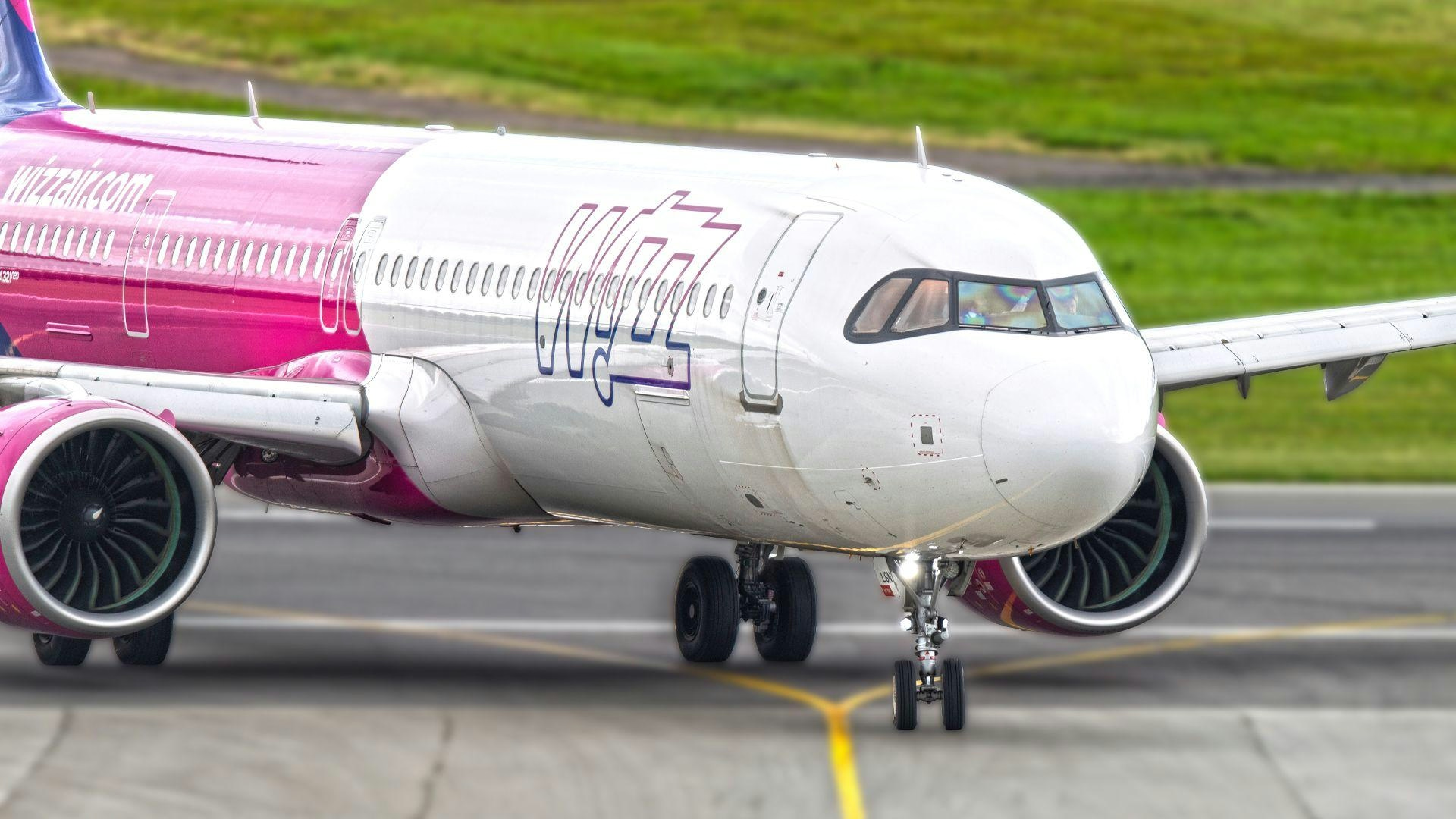
Wizz Air Grounds Two A321XLR Aircraft and Revises Future Orders Amid Fleet Challenges
Wizz Air has announced a substantial reduction in its Airbus A321XLR commitments, grounding two recently delivered aircraft and converting the majority of its future orders to the standard A321neo model. This strategic adjustment comes amid persistent supply chain disruptions and a widespread shortage of aircraft engines affecting the aviation industry.
Order Revisions and Delivery Delays
In a statement released on Friday, Wizz Air confirmed it will reduce its A321XLR order from 47 to 11 units, including the five aircraft already delivered. The remaining 36 orders will be converted to the A321neo variant. Additionally, the airline is postponing the delivery schedule for 88 jets by three years, a move that could significantly impact its fleet expansion and capacity growth plans in the near term.
The grounding specifically involves two A321XLRs operated by Wizz Air Malta, registered as 9H-XLA and 9H-XLB. Both aircraft, delivered in July and October of this year, are currently parked at Bydgoszcz Airport in Poland. Wizz Air explained that the engines from these grounded jets are being repurposed to maintain the operational readiness of its standard A321neo fleet during the winter season. The airline described this as a temporary measure designed to address global supply chain challenges while adhering to its Customer First Compass initiative, which focuses on enhancing the passenger experience.
Industry-Wide Engine Shortages and Operational Impact
The aviation sector continues to face extensive groundings of aircraft from the A320neo family, A220, and Embraer E2 series due to mandatory maintenance and inspections on Pratt & Whitney engines. Other carriers, including SWISS, have similarly grounded aircraft to cannibalize engines and parts to support their active fleets.
Within the Wizz Air group, three additional A321XLRs are operated by its UK subsidiary. One of these, registered as G-XLRA, has been grounded in Prague since September following a hard landing incident. Only two A321XLRs remain in active service, primarily operating routes between London Gatwick and destinations such as Jeddah, Medina, and Prague. Notably, one of these aircraft was recently used to transport Hungarian Prime Minister Viktor Orbán to Washington, D.C.
Strategic and Market Implications
Wizz Air’s decision to ground aircraft and reduce its A321XLR orderbook may result in operational disruptions and financial consequences. The reduction in capacity could create opportunities for competitors to increase their market share. Budget carriers such as Vietjet, which recently confirmed orders for 100 Airbus A321neos, may seek to capitalize on Wizz Air’s scaled-back expansion plans.
Industry analysts are closely monitoring Wizz Air’s financial stability and strategic adjustments, as these developments could influence broader market dynamics and prompt other airlines to reevaluate their fleet strategies. As Wizz Air contends with these challenges, its ability to sustain service levels and control costs will be under scrutiny, with the wider low-cost carrier sector observing potential shifts in the competitive landscape.

Etihad Airways Suspends Airbus A380 Flights on Key Route

Aditya Birla Group Seeks Approval for Aircraft Leasing in GIFT City

Qatar Airways Highlights Innovation and Connectivity at Arabian Travel Market 2026

Hong Kong's Five-Year Plan Includes Andrew Fan's Aircraft Parts Processing Hub Proposal

ACIA Aero Leasing Delivers ATR72-600 to Air Nostrum

RTX Appoints Jill Albertelli as Head of Pratt & Whitney

TAT Technologies Joins Beyond Aero Hydrogen Aircraft Program

AURAK Study Highlights Barriers to Air Taxi Adoption in Emerging Economies

Xiamen Air Selects Altitude for 787 Maintenance at Heathrow

Etihad and Swissport Extend Global Partnership
