
Orchestrate AI insights into action

Trending
Categories
Airbus Signs €50 Million Contract to Integrate AI into French Armed Forces Systems
Airbus Secures €50 Million Contract to Integrate AI into French Armed Forces Systems
Airbus Defence and Space has been awarded a framework contract worth up to €50 million by the French Defence Procurement Agency (DGA) to incorporate artificial intelligence (AI) across a wide range of military information, communication, cybersecurity, and weapons systems utilized by the French armed forces. This contract includes systems developed by both Airbus Defence and Space and Airbus Helicopters, underscoring France’s strategic commitment to enhancing sovereign military AI capabilities and reducing dependence on foreign technologies.
Strategic Coordination and Initial Focus
The project is being closely coordinated with the Ministerial Agency for Defence AI (AMIAD), established in May 2024 to spearhead France’s military AI strategy. This strategy prioritizes expanding the operational use of AI while ensuring national control over critical defense infrastructure. The initial phase of the contract will concentrate on upgrading Spationav, France’s maritime surveillance system. AI integration will automate the fusion of satellite surveillance data with Spationav’s sensor inputs, thereby improving situational awareness and expediting decision-making processes in naval operations. Beyond maritime surveillance, AI applications are being developed or assessed in intelligence gathering, cybersecurity, and military telecommunications, including real-time decision support for network management and optimization.
Challenges and Market Dynamics
The DGA highlights the exponential increase in sensor-generated data—from satellites, radars, drones, smartphones, and social networks—as a driving force behind the necessity for AI. AI technologies are expected to accelerate data processing and triage tasks traditionally performed by personnel, while also undertaking missions beyond human capacity due to the volume and urgency of information. Establishing robust infrastructure for data storage, archiving, and structuring is a parallel priority to support these extensive AI systems.
Nonetheless, integrating AI into existing military platforms presents significant challenges. The complexity of merging new AI technologies with legacy systems, the need for comprehensive data-sharing protocols, and the development of secure, scalable infrastructure remain critical obstacles. As defense sector investments in AI grow, market analysts and investors are increasingly scrutinizing the long-term viability and return on investment of such initiatives. This scrutiny has prompted a shift toward focusing on the most complex and impactful AI challenges, amid concerns of a potential market correction in AI investments.
Competitive Landscape and Future Prospects
Competitors such as Dassault Aviation are expected to intensify efforts to secure technological leadership, particularly in collaborative programs like the Future Combat Air System. This competitive environment is likely to stimulate further innovation and strategic partnerships as defense firms strive to maintain their positions amid rapid technological advancements.
As France advances its military AI capabilities, the success of this initiative will hinge not only on effective technological integration but also on navigating the operational, market, and strategic complexities inherent in a rapidly evolving defense landscape.
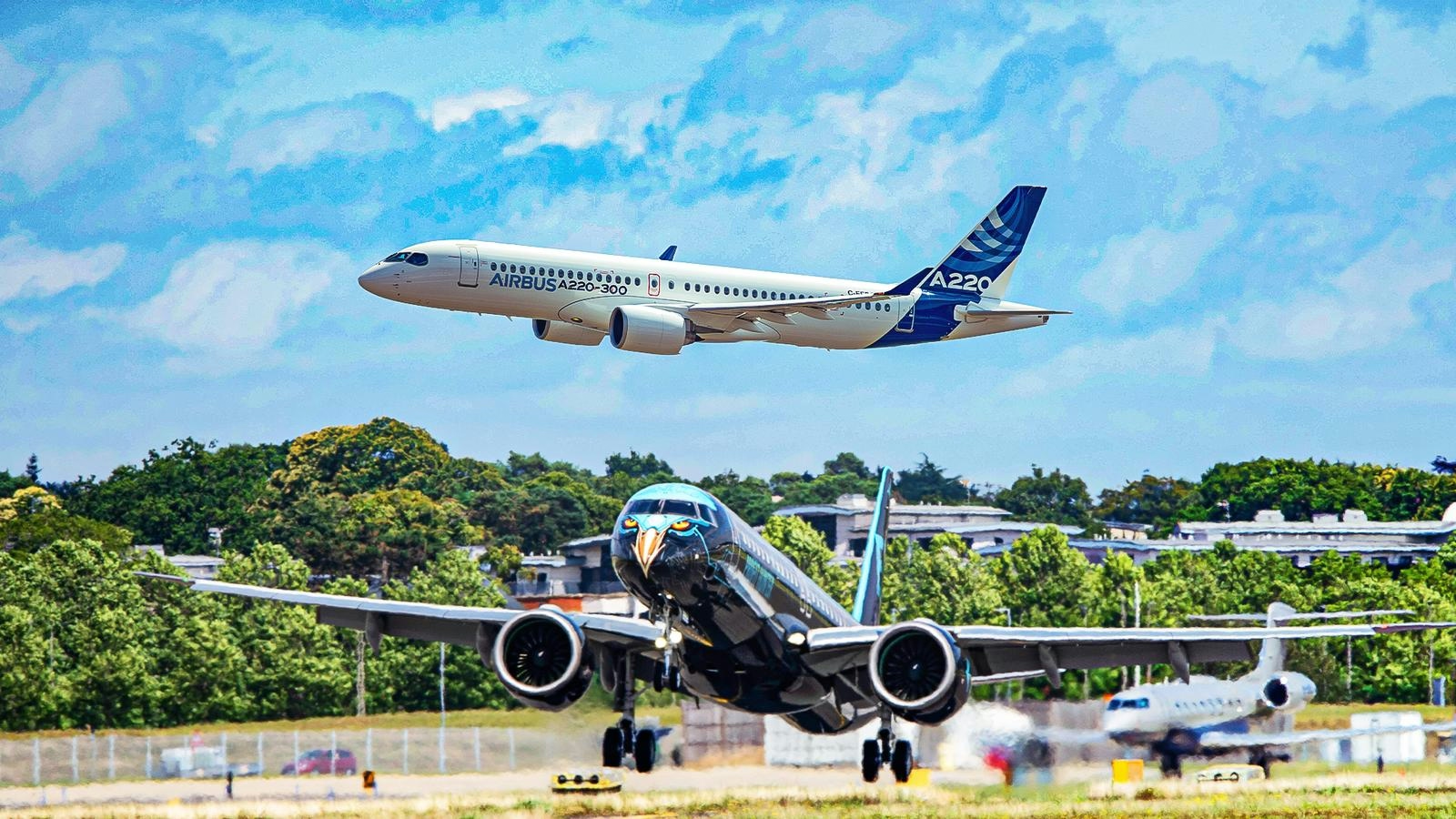
Embraer Delivers 2,000th E-Jet as Airbus A220 Seeks Market Share
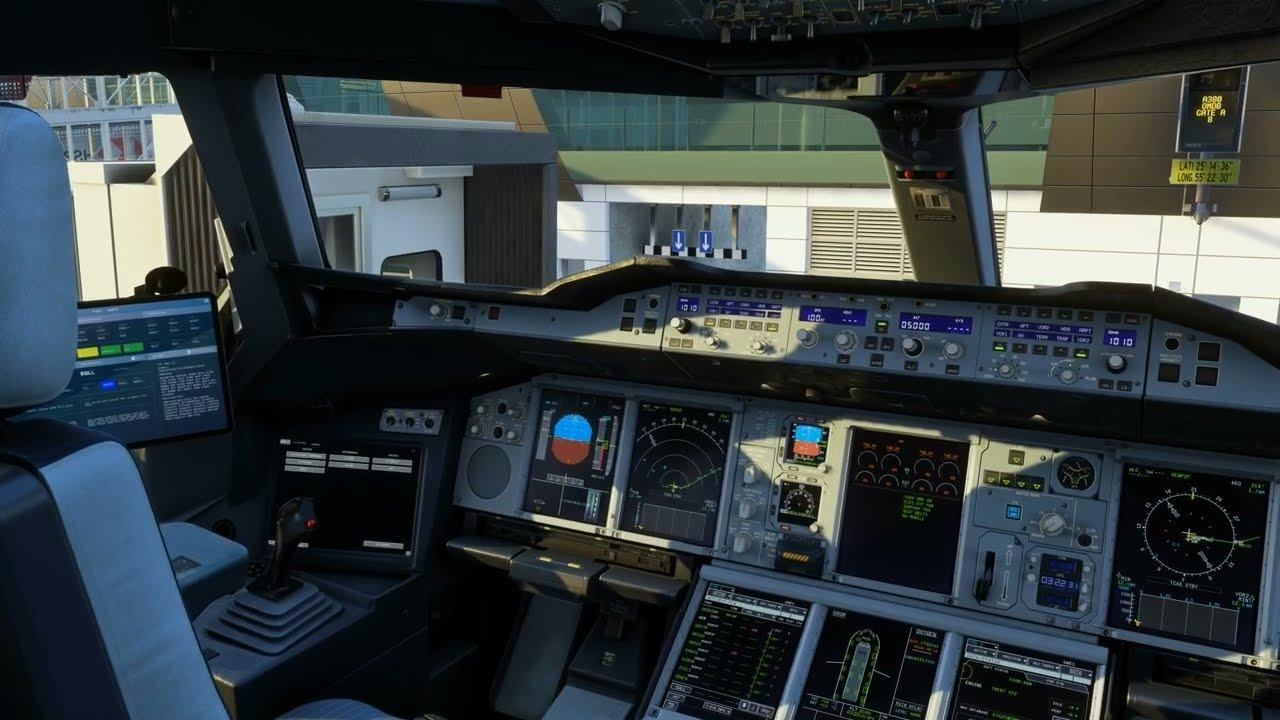
iniBuilds Releases Second In-Depth A380 Video
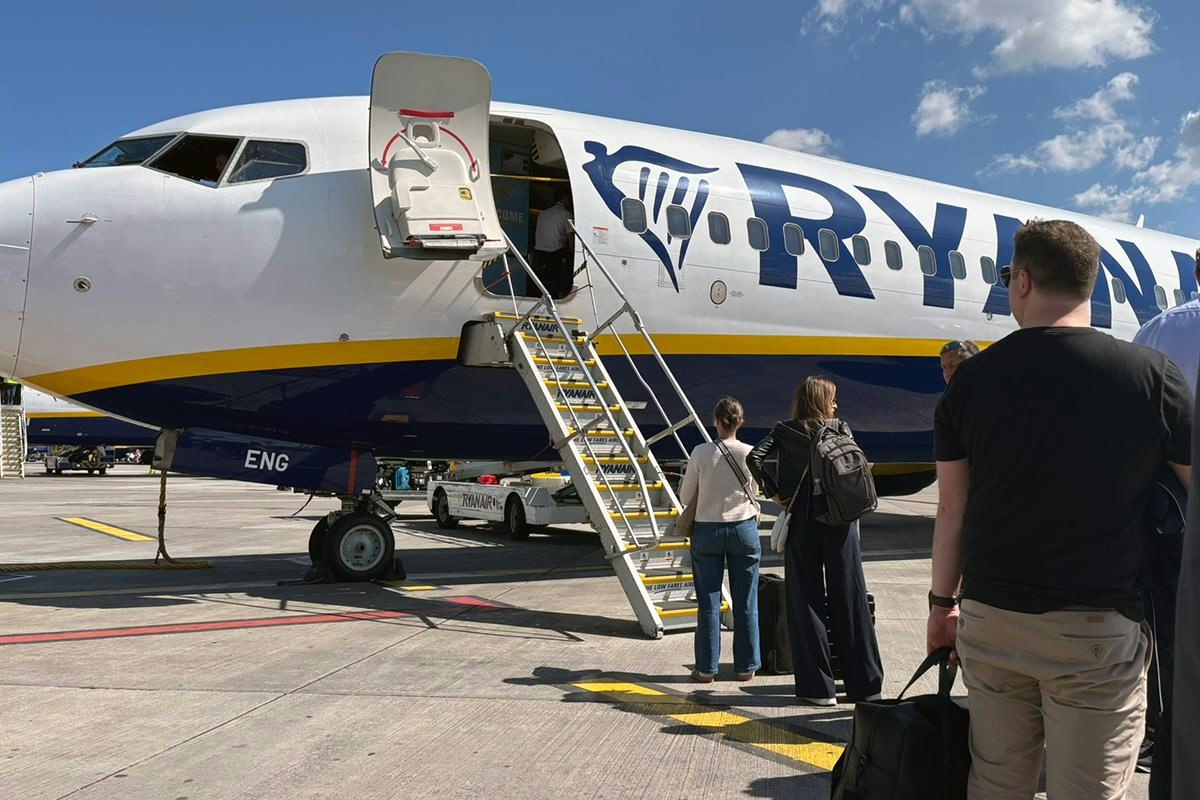
Ryanair and Alaska Airlines Apply AI to Operational Decision-Making
Digital Payments, AI, and Aviation Strengthen Philippines-India Relations
PlaneSense Suspends PC-12 Jet Card Sales
How AI Could Transform Bird-Strike Prevention for Business Aviation
American Airlines and Boeing Complete First 737 MAX Landing Gear Swap
Vietjet and Thales sign major MRO and AI deals in Paris
Etihad CEO Cites Aircraft Capacity as Limiting Factor Amid Growth in China and Africa
Artificial Intelligence Enters the Cockpit
