
Orchestrate AI insights into action

Trending
Categories
Airbus vs Boeing: Who won Farnborough Airshow 2026?

Airbus vs Boeing: Who Won Farnborough Airshow 2026?
The 2026 Farnborough International Airshow once again highlighted the intense rivalry between Airbus and Boeing, the two dominant players in the global aerospace industry. While Boeing secured a larger number of firm orders during the four trade days, the broader context of existing backlogs and supply chain challenges provides a more nuanced picture of the competition.
Boeing’s Order Dominance
Boeing emerged from the airshow with a total of 186 firm aircraft orders, surpassing Airbus by 29 aircraft. When including preliminary agreements, Boeing’s lead expanded further, notably due to Philippine Airlines’ commitment for up to 20 Boeing 787 Dreamliners. The US manufacturer’s order book was bolstered by significant deals such as AerCap’s acquisition of 15 Dreamliners, Riyadh Air’s additional 28 Boeing 787s, Uganda Airlines’ purchase of four 737 MAX 8s, and MSC Air Cargo’s five 777-8 Freighters. These transactions contributed to Boeing’s tally of 134 narrowbody and 52 widebody aircraft orders, underscoring its strength across both market segments.
Despite this success, Boeing entered the show with a record backlog that extends production well into the next decade. The company’s ability to convert orders into deliveries remains influenced by ongoing supply chain constraints, which have tempered the pace of expansion despite robust demand.
Airbus’ Strategic Gains
Airbus secured 157 firm orders during the event, with an additional nine aircraft included through a Memorandum of Understanding with Philippine Airlines. While Airbus trailed Boeing in total firm orders, it achieved several strategically important deals. The most notable was a 100-aircraft order for the A320neo family from SMBC Aviation Capital, matching Boeing’s largest single order on an aircraft-for-aircraft basis. Airbus’ firm orders comprised 127 narrowbody and 30 widebody aircraft, reflecting a balanced portfolio.
Airbus’ widebody sales were supported primarily by Riyadh Air’s order for six additional A350-1000s and flynas’ acquisition of five A330-900s. However, unlike Boeing, Airbus did not secure firm contracts from Philippine Airlines during the show, only a memorandum of understanding.
Market Segments and Order Breakdown
The narrowbody segment, which represents the single-aisle market, was closely contested. Boeing’s advantage amounted to just seven aircraft, largely driven by the SMBC Aviation Capital order and Uganda Airlines’ purchase. This near parity highlights the competitive intensity in the most commercially significant sector of the industry.
In contrast, Boeing’s lead was more pronounced in the widebody, or long-haul, market. With 52 firm widebody orders compared to Airbus’ 30, Boeing’s strength in this segment was evident. The widebody orders included a mix of passenger and freighter aircraft, reinforcing Boeing’s diversified appeal to airlines and cargo operators alike.
Conclusion: A Complex Victory
Measured strictly by the number of aircraft sold during the Farnborough Airshow, Boeing emerged as the clear winner in 2026. However, both manufacturers entered the event with substantial order backlogs that extend production schedules well into the future. The ongoing battle between Airbus and Boeing is shaped as much by supply chain dynamics and production capacity as by new sales, underscoring the complexity of the aerospace market beyond headline order figures.

Etihad Deploys Widebody Fleet to Meet Strong Demand
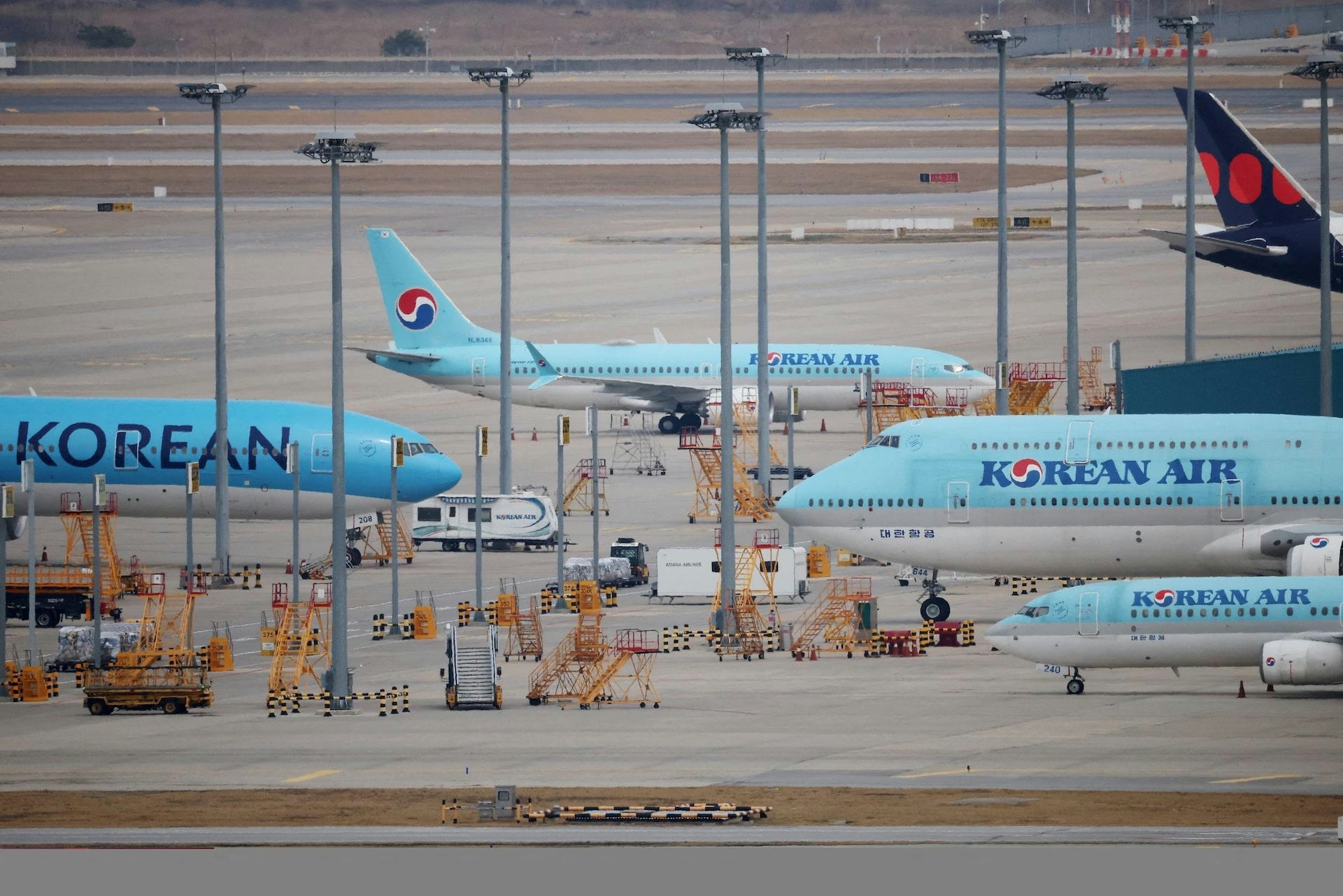
Korean Air Finalizes $36.2 Billion Deal with Boeing

Australia’s RFDS Queensland Section Orders Six King Air 260Cs

Korean Air Finalizes Order for 103 Boeing Jets and Engines
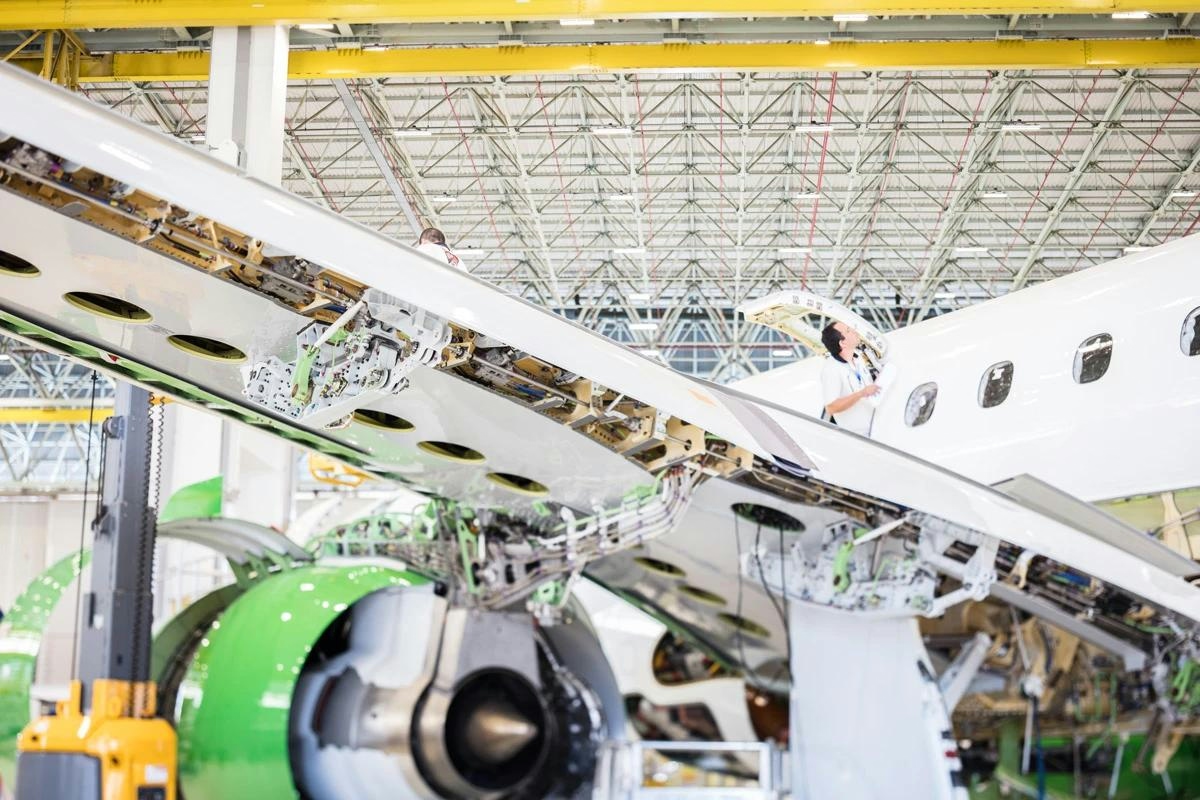
Embraer E195-E2 Features Distinctive Engine Placement Among Regional Jets
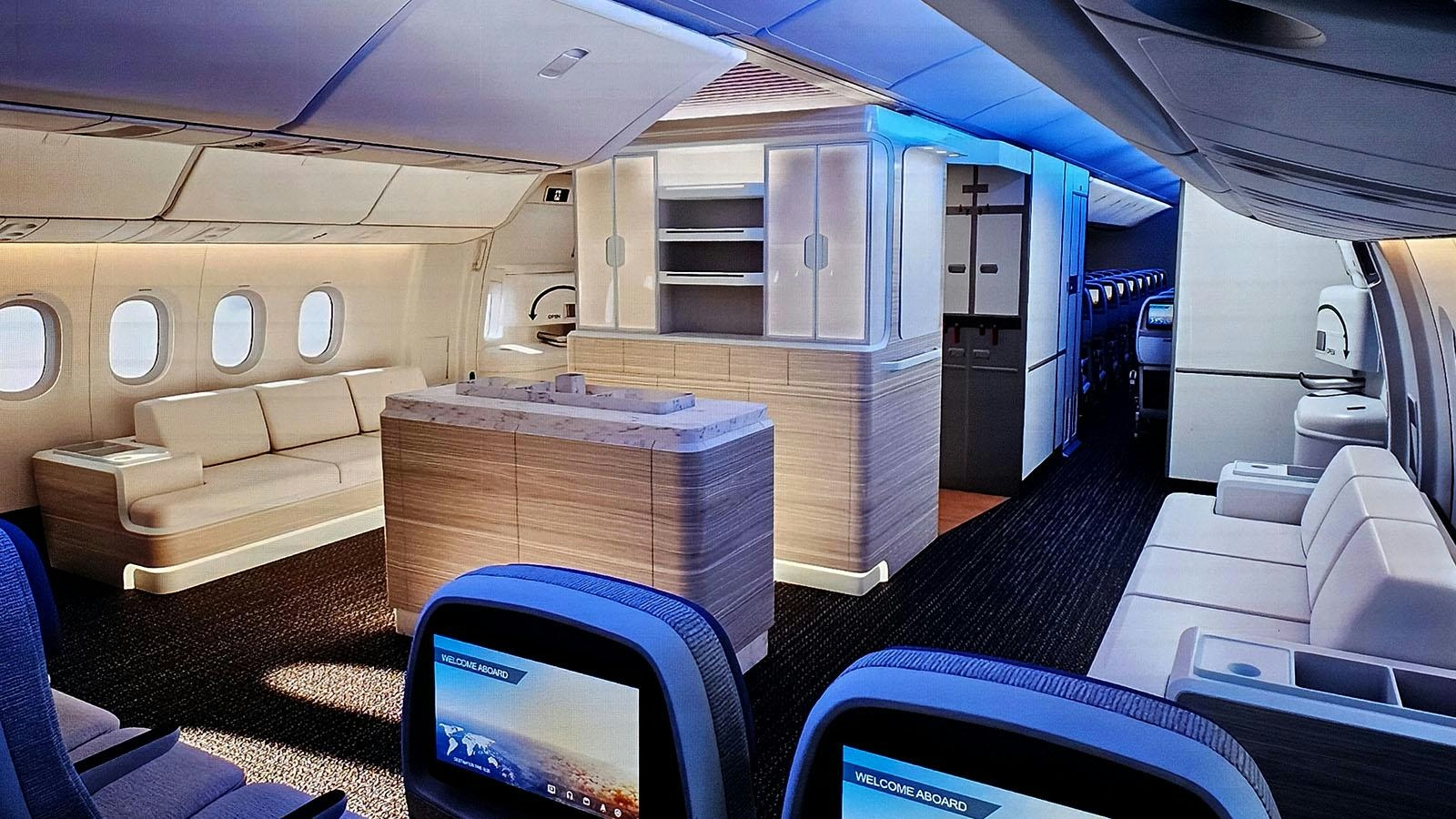
What Passengers Can Expect on Boeing’s New 777X Jet

How Ethiopian Airlines Became Africa’s Leading Carrier Amid Gulf Competition
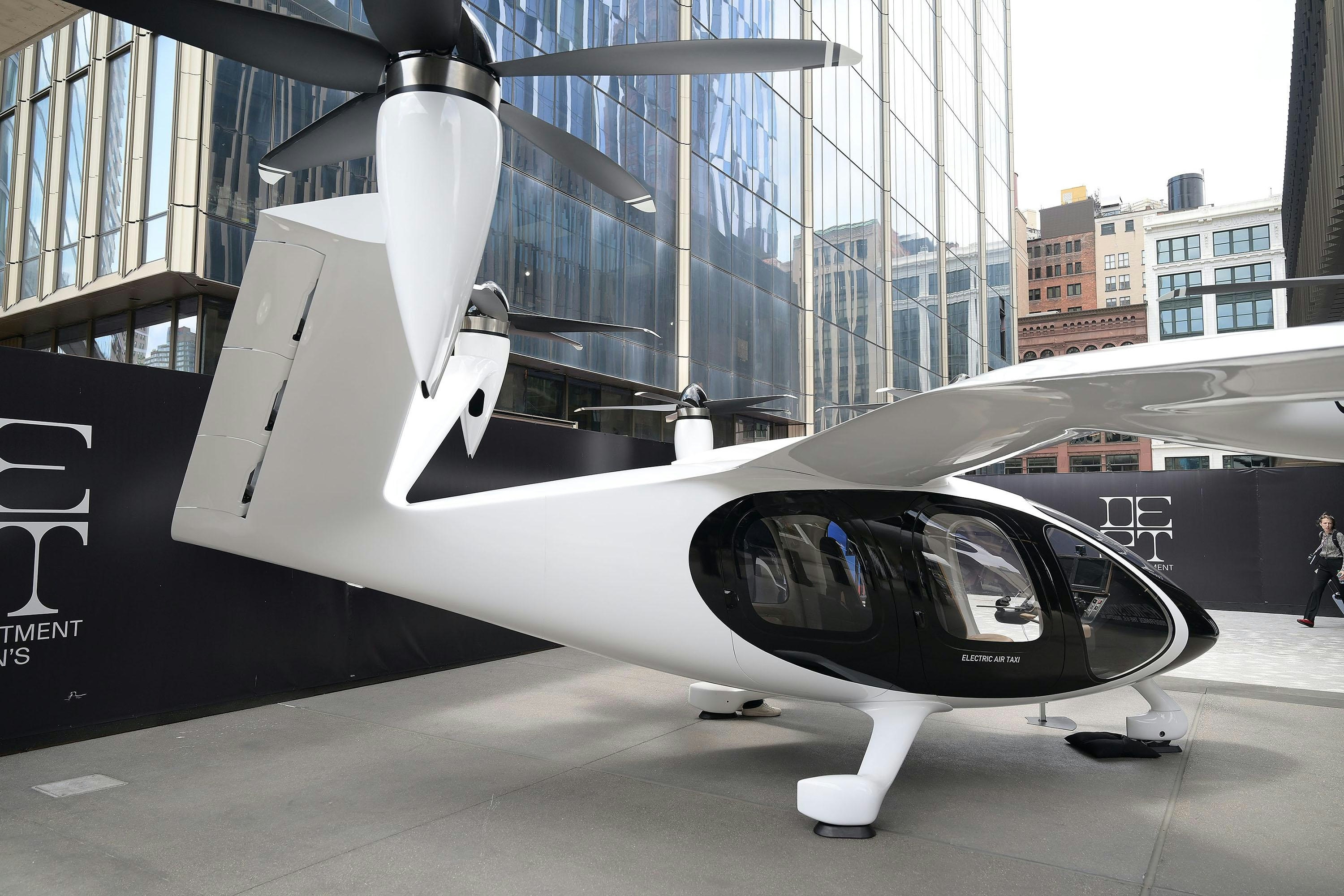
Joby Aviation Extends Autonomous Flight Capabilities with Cross-Country Tour
Strengthening Europe's Aviation Supply Chain Amid Uncertainty
The Evolution of the Aircraft Maintenance Engineer Role
