
Orchestrate AI insights into action

Trending
Categories
Airlines Adapt Strategies for the AI Era

Airlines Adapt Strategies for the AI Era
Artificial intelligence (AI) is rapidly transforming the travel industry, prompting airlines to reconsider their strategies in connectivity, retailing, and customer engagement. While much of the discourse around advanced, agentic AI remains speculative, concrete advancements are already visible, particularly in the area of personalization. However, these developments introduce new complexities that require careful management.
Personalization and Customer Engagement Challenges
Tanner Huysman, director of e-commerce, ancillaries, and loyalty at Vueling Airlines, highlighted the importance of a measured approach to personalization during an executive panel at Phocuswright Europe. He warned that excessive or misdirected personalization could alienate customers by misinterpreting their intentions, thereby increasing friction rather than enhancing the travel experience. Huysman stressed the need for airlines to understand customer profiles holistically over time to deliver thoughtful and effective messaging.
The Role of AI in Travel Discovery and Planning
The integration of large language models (LLMs) is reshaping how travelers search for and plan their trips. David Gunnarsson, CEO of Dohop, observed that as AI-driven search tools become more prevalent, travelers are shifting their focus from brand loyalty to selecting the best options tailored to their needs. This trend presents a challenge for airlines, which traditionally rely on brand recognition. Gunnarsson noted that airlines will need to adapt as AI increasingly influences the discovery and planning phases, where the brand may become less prominent.
This shift is underscored by broader market trends, with AI-driven search emerging as a vital distribution channel. Currently, 82% of AI-generated hotel recommendations originate from online travel agencies (OTAs) and editorial media, underscoring the pressure on airlines to integrate AI into their systems. This integration is essential not only to maintain visibility but also to differentiate their offerings in an increasingly competitive digital environment.
Overcoming Obstacles to AI Adoption
Despite the promise of AI, airlines face significant challenges in its adoption. Integrating AI technologies with legacy systems, safeguarding data privacy and security, and overcoming traveler skepticism remain major hurdles. Surveys reveal that 80% of Americans harbor concerns about AI, particularly regarding the transparency and reliability of AI-generated content.
Trust is a pivotal issue as the industry moves toward more automated booking experiences. Juan Manuel Agudo Carrizo, vice president of product at Travelport, emphasized the necessity of high-quality data and effective feedback mechanisms to enhance AI’s reliability. He contrasted the current trust placed in human travel agents with the skepticism toward AI systems, which can sometimes produce inaccurate or “hallucinated” information, especially in sensitive transactions like credit card processing. Nonetheless, Agudo Carrizo expressed confidence that as AI systems improve in sophistication and trustworthiness, airlines and travel agencies will increasingly depend on them to manage bookings and customer relationships.
Navigating the AI-Driven Retail Environment
Panelists also examined the implications of New Distribution Capability (NDC) within an AI-driven retail context, alongside evolving payment systems. As airlines navigate the AI era, they must strike a careful balance between innovation, transparency, security, and customer trust to sustain their competitive advantage in a rapidly evolving marketplace.
Comments

Etihad and Swissport Extend Global Partnership
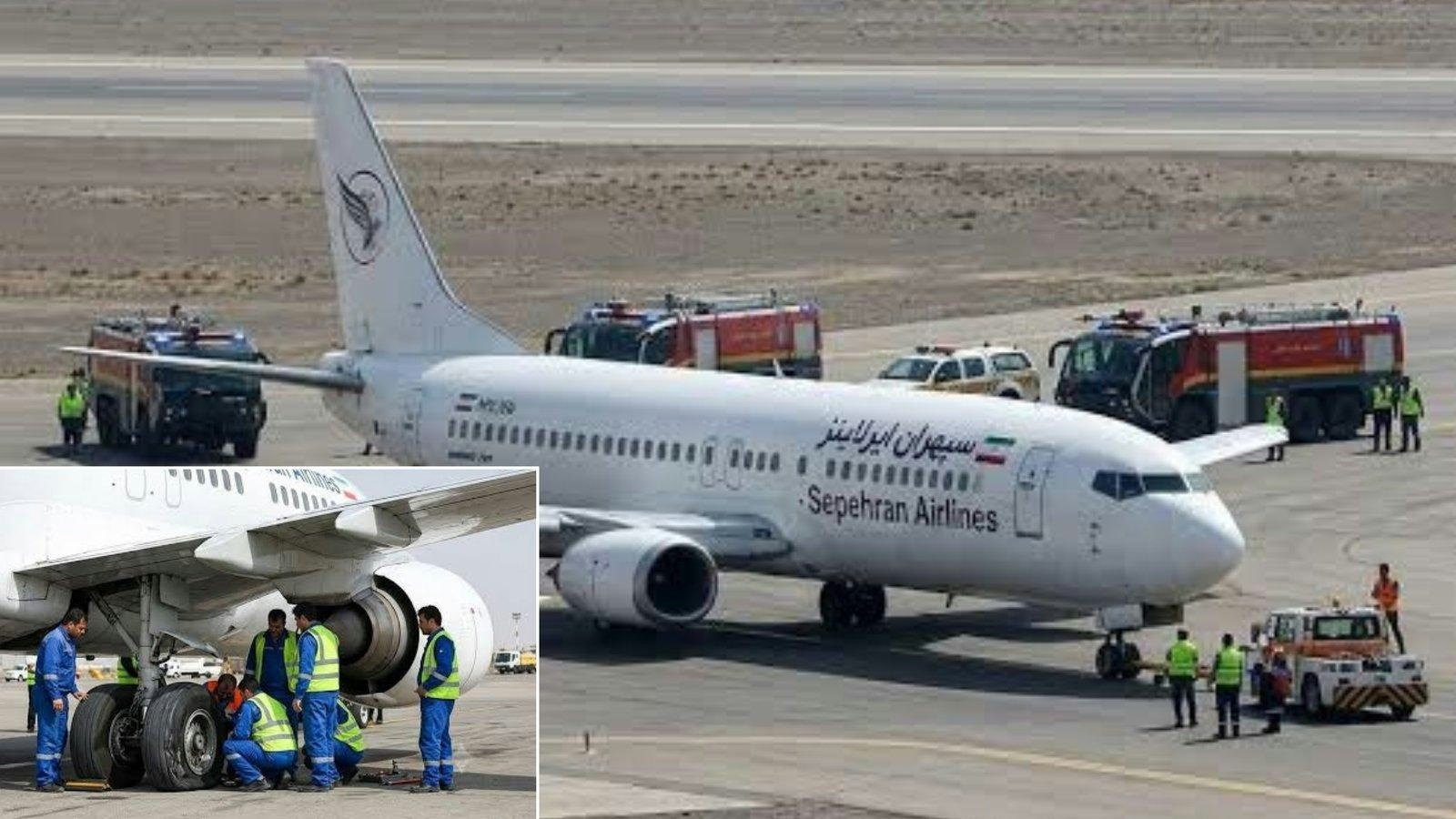
Sepehran Airlines B737 Returns to Mashhad After Tyre and Engine Issues

Etihad Deploys Widebody Fleet to Meet Strong Demand
Korean Air Finalizes $36.2 Billion Deal with Boeing
Australia’s RFDS Queensland Section Orders Six King Air 260Cs

Korean Air Finalizes Order for 103 Boeing Jets and Engines
Embraer E195-E2 Features Distinctive Engine Placement Among Regional Jets
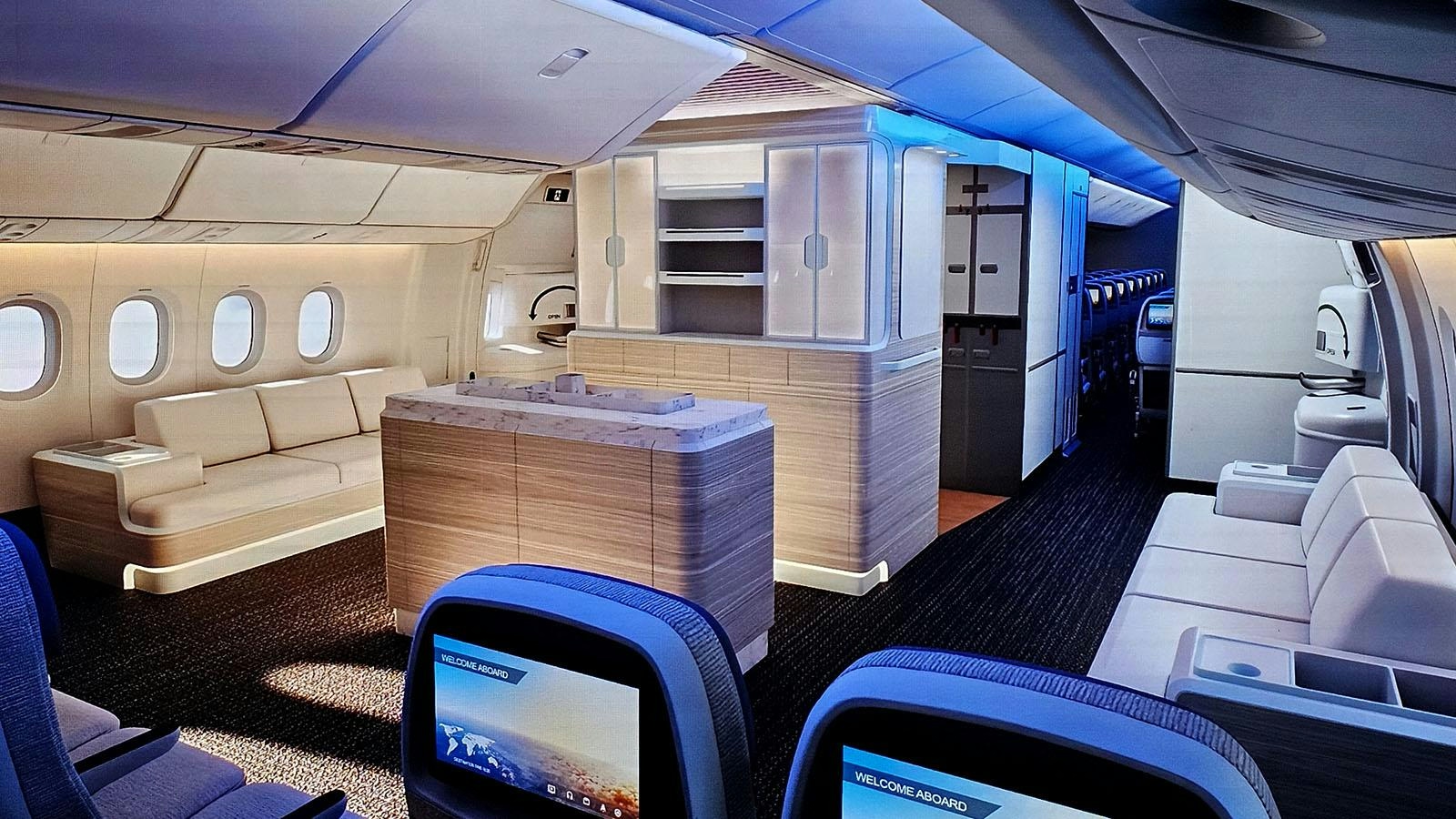
What Passengers Can Expect on Boeing’s New 777X Jet
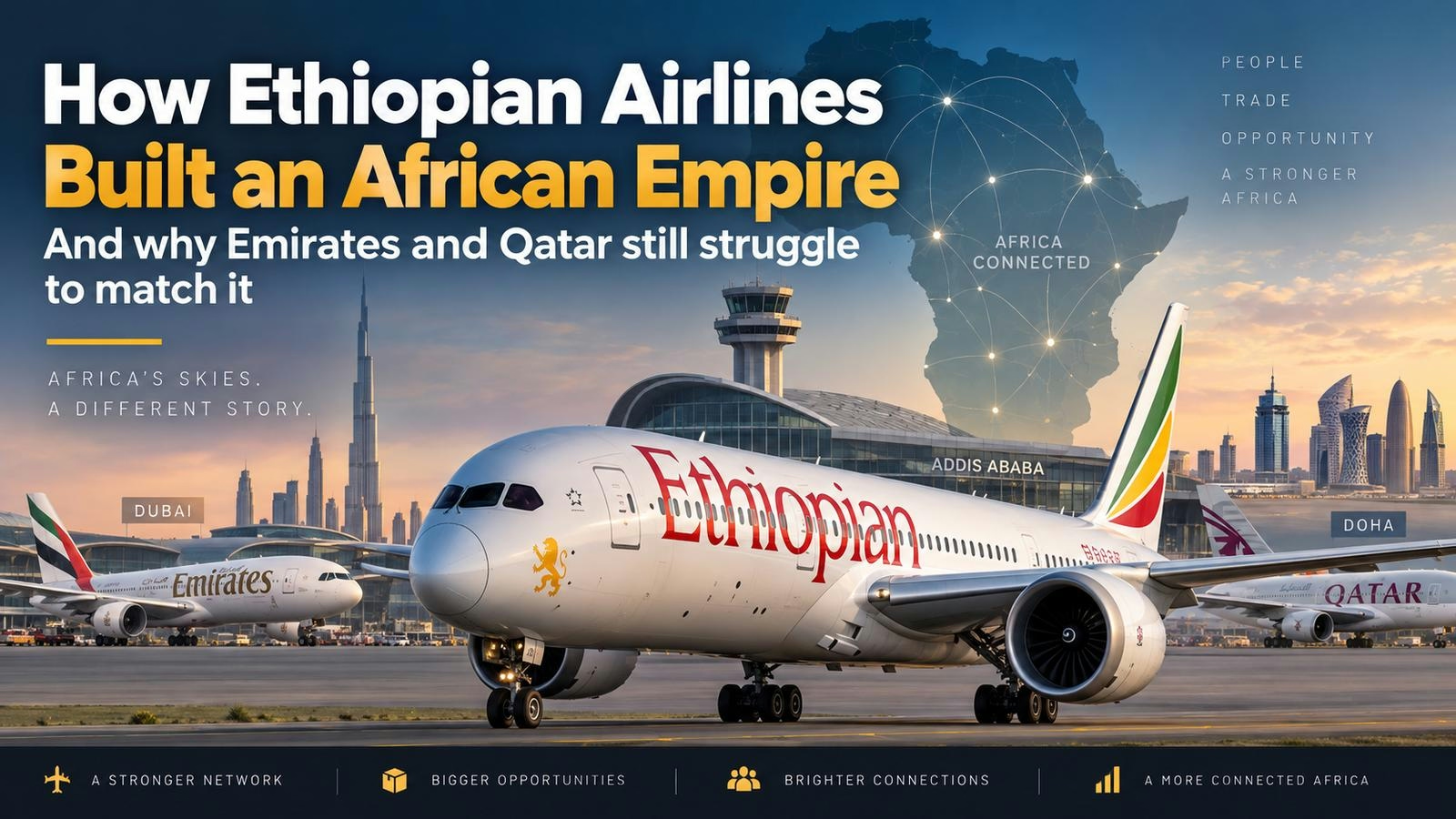
How Ethiopian Airlines Became Africa’s Leading Carrier Amid Gulf Competition
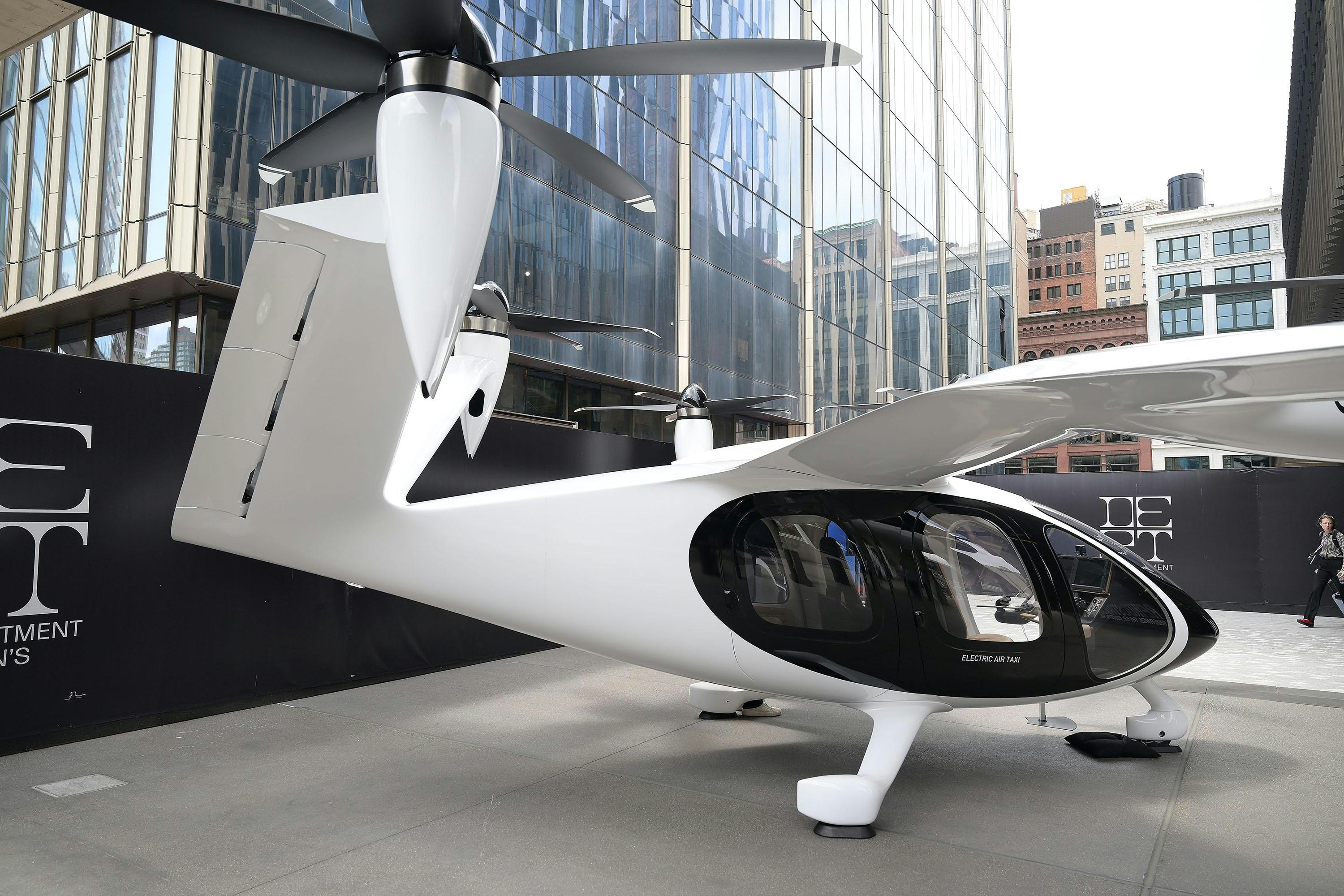
Joby Aviation Extends Autonomous Flight Capabilities with Cross-Country Tour
