
Orchestrate AI insights into action

Trending
Categories
American Airlines Boeing 777 Diverts Over Atlantic After Engine Shutdown En Route from Athens to New York
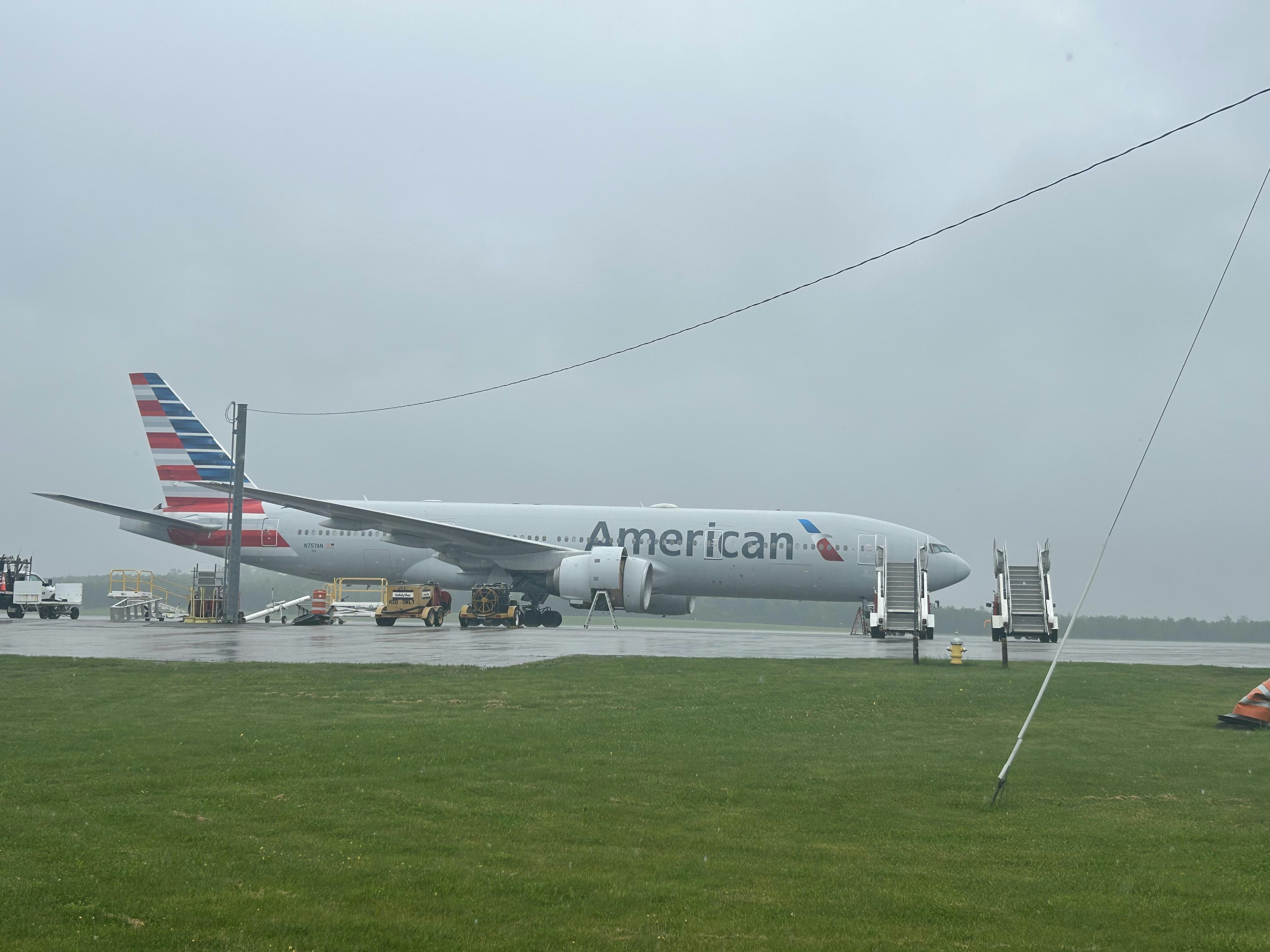
American Airlines Boeing 777 Diverts Over Atlantic Following Engine Shutdown
An American Airlines transatlantic flight from Athens to New York was compelled to divert over the Atlantic Ocean this week after experiencing a mid-flight engine shutdown, prompting renewed concerns about aviation safety and industry oversight.
Incident Details and Response
Flight AA333, operated by a Boeing 777-200ER equipped with Rolls-Royce Trent 800 engines, departed Athens as scheduled and was cruising at 38,000 feet when the flight crew detected a fuel imbalance. This rare but potentially dangerous condition can compromise flight stability. Approximately 290 nautical miles southeast of Bangor, Maine, the crew adhered to emergency protocols by shutting down the right engine and diverting to Bangor International Airport, a critical hub for transatlantic emergencies.
The aircraft landed safely on Runway 16 roughly an hour after the issue was identified. Emergency services were on standby, but no injuries or evacuations occurred. The incident highlights both the robustness of modern commercial aviation and the vital importance of swift, decisive action during high-altitude emergencies.
Investigation and Industry Implications
Subsequent technical investigations by American Airlines determined that a broken fuel tube disrupted fuel distribution between tanks, causing the imbalance and necessitating the engine shutdown. The defective component was replaced, and the aircraft underwent standard safety inspections before being cleared to return to service. Although the problem was promptly resolved, the event has intensified scrutiny of aging wide-body aircraft fleets and the critical components required for safe long-haul operations.
This incident follows a series of similar occurrences within the industry. Recent reports indicate that other carriers, including United Airlines, have encountered comparable mid-flight engine issues, raising broader concerns about the reliability of long-haul aircraft and their systems. Aviation authorities are expected to conduct thorough reviews of the incident, potentially leading to regulatory investigations into maintenance procedures and component lifespans.
Market reactions have been immediate, with regulators increasing their focus and passenger confidence potentially affected. Competing airlines may respond by highlighting their safety measures or implementing additional protocols to reassure travelers. The episode also intensifies ongoing debates about the adequacy of current safety standards for aging aircraft, a subject already under active discussion among industry experts.
Just weeks prior, another American Airlines flight, AA154, was forced to divert after smoke was detected onboard, further fueling concerns about operational safety and the challenges airlines face in managing older fleets.
As investigations proceed, the aviation sector confronts mounting pressure to address mechanical vulnerabilities and uphold public trust. For both passengers and airlines, the incident serves as a stark reminder of the complexities and risks inherent in flying at cruising altitudes over vast oceanic expanses.

Etihad Airways Suspends Airbus A380 Flights on Key Route

Aditya Birla Group Seeks Approval for Aircraft Leasing in GIFT City

Qatar Airways Highlights Innovation and Connectivity at Arabian Travel Market 2026

Hong Kong's Five-Year Plan Includes Andrew Fan's Aircraft Parts Processing Hub Proposal

ACIA Aero Leasing Delivers ATR72-600 to Air Nostrum

RTX Appoints Jill Albertelli as Head of Pratt & Whitney

TAT Technologies Joins Beyond Aero Hydrogen Aircraft Program

AURAK Study Highlights Barriers to Air Taxi Adoption in Emerging Economies

Xiamen Air Selects Altitude for 787 Maintenance at Heathrow

Etihad and Swissport Extend Global Partnership
