
Orchestrate AI insights into action

Trending
Categories
American Airlines Uses AI to Improve Family Travel Experience
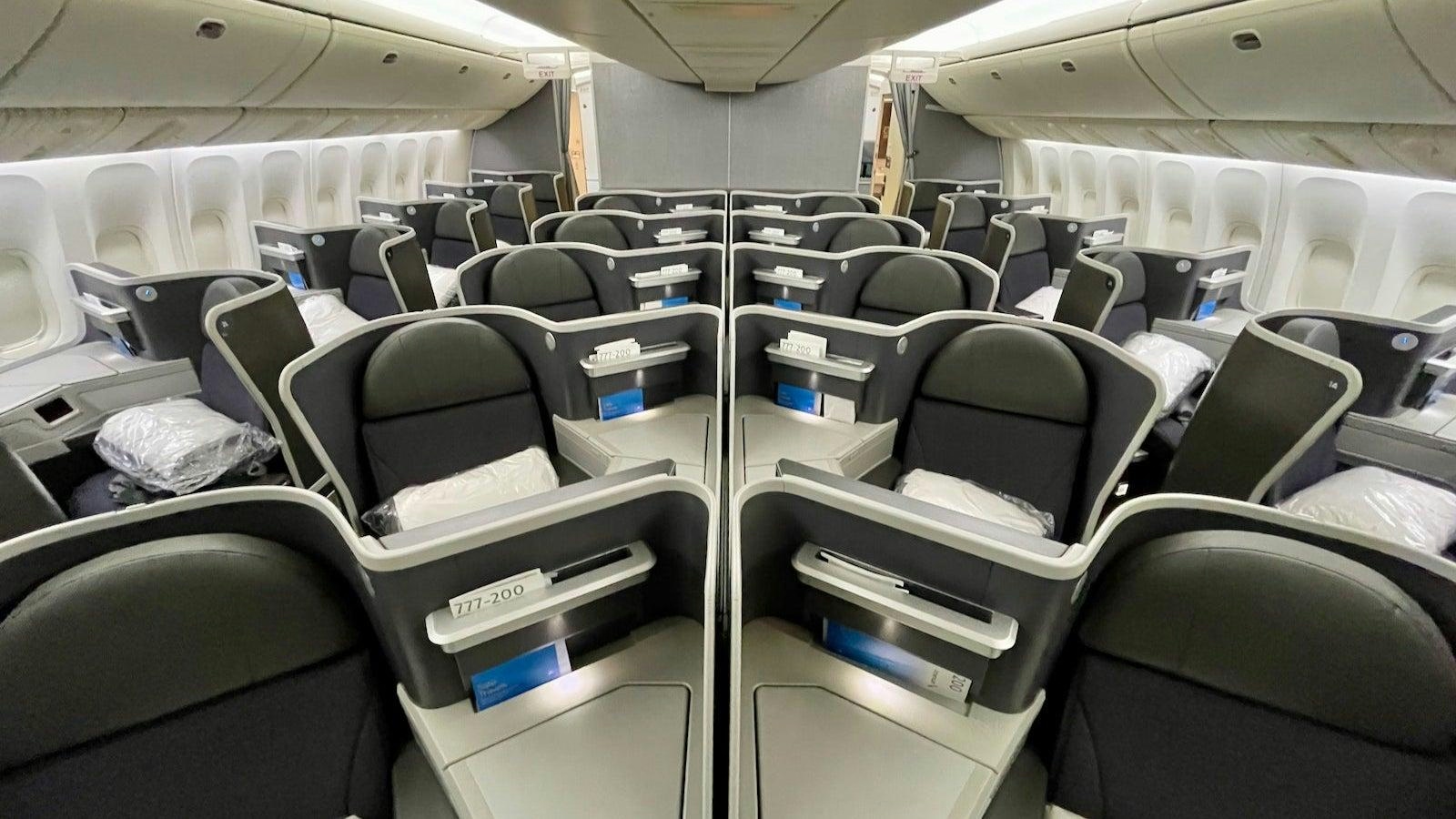
American Airlines Employs AI to Enhance Family Travel Experience
The familiar anxiety of missing a connecting flight is a common concern for travelers, particularly families. Delays, long distances between gates, and the looming departure of a connecting plane can quickly turn an eagerly anticipated vacation into a source of frustration. American Airlines is addressing this challenge at major hubs such as Dallas-Fort Worth and Charlotte by implementing artificial intelligence designed to keep families together and ensure smoother travel connections.
AI-Powered Solutions for Seamless Connections
Central to this initiative is “Connect Assist,” an AI-driven tool that processes real-time flight information to improve connection reliability. The system monitors flight arrivals, calculates walking times between gates, and assesses whether a connecting flight can be held—typically for up to ten minutes—without causing broader schedule disruptions. This brief delay has the potential to save thousands of trips annually, transforming the often stressful rush through terminals into a more manageable experience.
Passengers identified as at risk of missing their connections receive timely text notifications if their subsequent flight is being held, providing reassurance and alleviating anxiety. With millions affected by delays each year, according to the Bureau of Transportation Statistics, American Airlines’ AI initiative aims to mitigate these disruptions and enhance the overall travel experience.
Economic Significance and Industry Implications
Reliable flight connections play a crucial role in supporting the tourism economy. When travelers successfully reach their destinations, they contribute to local economies by dining, sightseeing, and engaging in cultural activities across cities such as Miami, Phoenix, and Philadelphia. Consistent and dependable service fosters trust in the travel industry, encouraging increased visitation to American cities and reinforcing the United States’ standing as a hospitable destination.
The Connect Assist system is also operational at key airports including Chicago O’Hare and Los Angeles International, which serve as vital gateways for both domestic and international travelers. Efficient connections at these hubs facilitate easier access for visitors from abroad and reduce stress for families traveling to vacation destinations.
Navigating Innovation, Reliability, and Regulation
While AI solutions like Connect Assist offer significant advantages, they also introduce new challenges. Ensuring the reliability and security of these systems is essential, as is addressing passenger concerns regarding automated decision-making. While some travelers welcome the convenience of AI, others remain more comfortable with traditional, human-centered service. Competitors in the industry may respond by adopting similar technologies or by emphasizing personalized customer care to maintain differentiation.
Regulatory oversight is intensifying as AI becomes more integrated into travel operations. Compliance with data protection regulations and transparency about the use of passenger information are critical to maintaining customer trust and confidence.
Operational Efficiency and Financial Impact
Missed connections impose substantial costs on airlines, often necessitating compensation through hotel accommodations, meal vouchers, and rebooking expenses. By leveraging AI to reduce these occurrences, American Airlines not only enhances the passenger experience but also lowers operational costs. These savings can be redirected toward further improvements in service quality.
Future Outlook
As American Airlines and its competitors continue to explore AI-driven innovations in travel, the emphasis remains on balancing technological advancement with customer trust and regulatory compliance. For families navigating busy airports, these developments promise a less stressful journey and a more enjoyable travel experience.

Etihad Airways Suspends Airbus A380 Flights on Key Route

Aditya Birla Group Seeks Approval for Aircraft Leasing in GIFT City

Qatar Airways Highlights Innovation and Connectivity at Arabian Travel Market 2026

Hong Kong's Five-Year Plan Includes Andrew Fan's Aircraft Parts Processing Hub Proposal

ACIA Aero Leasing Delivers ATR72-600 to Air Nostrum

RTX Appoints Jill Albertelli as Head of Pratt & Whitney

TAT Technologies Joins Beyond Aero Hydrogen Aircraft Program

AURAK Study Highlights Barriers to Air Taxi Adoption in Emerging Economies

Xiamen Air Selects Altitude for 787 Maintenance at Heathrow

Etihad and Swissport Extend Global Partnership
