
Orchestrate AI insights into action

Trending
Categories
Boeing to Sell Three eVTOL Subsidiaries to Archer Aviation
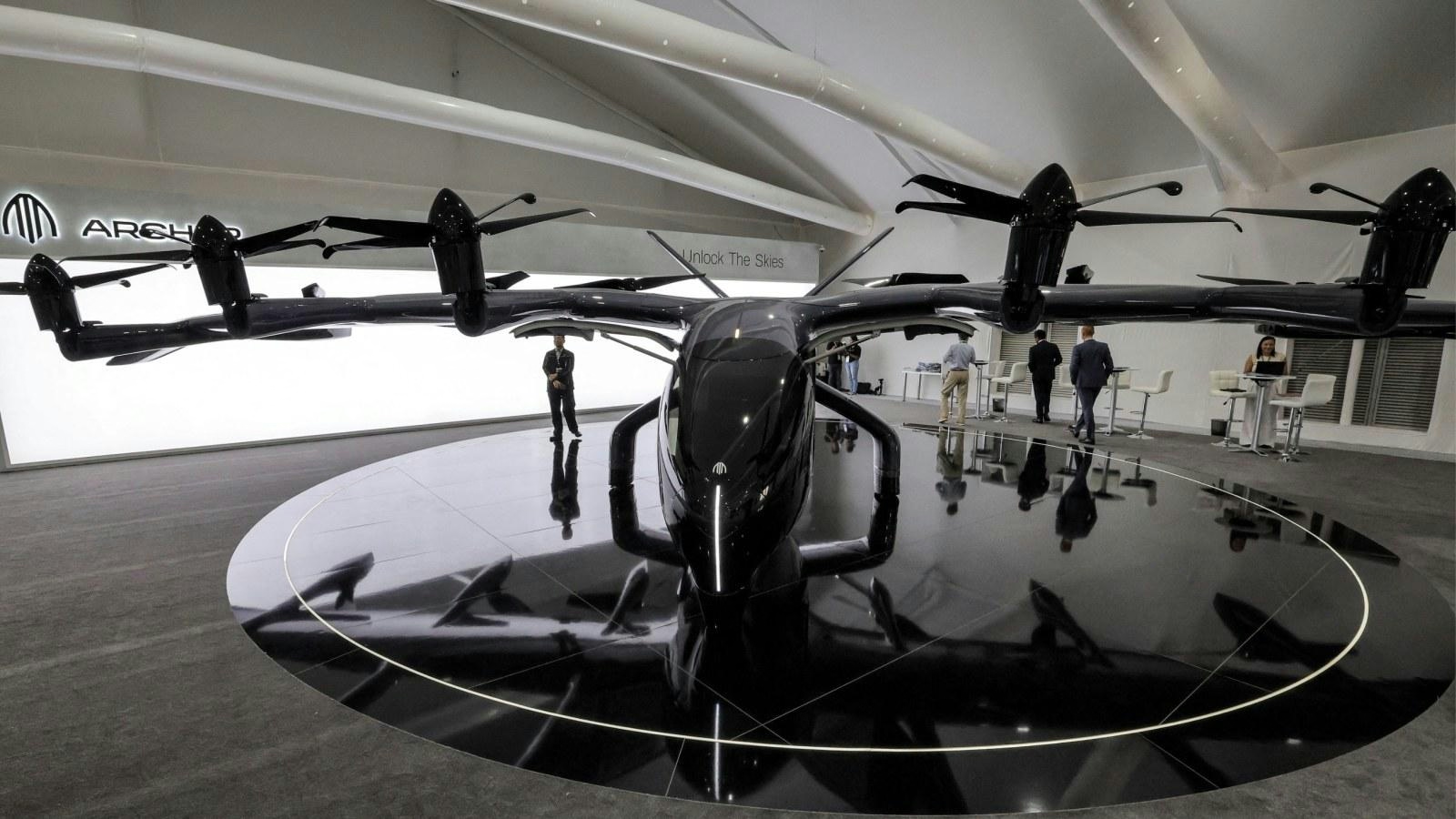
Boeing to Divest Three eVTOL Subsidiaries to Archer Aviation
Boeing has announced its intention to sell three subsidiaries specializing in electric vertical takeoff and landing (eVTOL) technology to Archer Aviation, signaling a strategic realignment for both companies within the burgeoning urban air mobility sector. The transaction, anticipated to conclude by the end of 2026 subject to regulatory approval, will transfer ownership of Wisk Aero, SkyGrid, and Insitu from Boeing to Archer.
Strategic Implications and Transaction Details
As part of the agreement, Boeing will acquire an equity stake of nearly 20 percent in Archer Aviation, along with warrants and a seat on Archer’s board of directors. Financial terms of the deal have not been publicly disclosed. The acquisition provides Archer with access to a portfolio of advanced technologies and businesses: Wisk Aero, which focuses on autonomous electric aircraft development; SkyGrid, a provider of air traffic management software tailored for urban air taxi operations; and Insitu, a manufacturer of high-altitude drones utilized by the U.S. Navy.
This consolidation is expected to broaden Archer’s revenue base and expedite its efforts to commercialize electric air taxi services. Archer has previously outlined plans to initiate pilot air taxi operations in key U.S. markets, including New York, Texas, and Florida, by the end of the year. Additionally, the company is expanding its footprint in the defense sector, recently unveiling a new eVTOL aircraft developed in collaboration with Anduril, a defense technology firm founded by Palmer Luckey.
For Boeing, the divestiture allows a sharpened focus on its core commercial and defense manufacturing operations. Despite the sale, Boeing will maintain access to Wisk’s autonomous flight systems through cross-licensing and technology exchange agreements, ensuring continued integration of these technologies into its current and future projects.
Brian Utko, Boeing’s vice president of commercial aircraft product development, characterized the deal as “mutually beneficial,” highlighting the potential for both companies to strengthen their positions in the rapidly evolving eVTOL and urban air mobility markets.
Industry Context and Outlook
Analysts suggest that this partnership could enhance Archer’s competitive position in the race to launch commercial electric air taxi services, while enabling Boeing to retain exposure to next-generation aviation technologies without direct operational involvement. Boeing currently holds an order backlog valued at $715 billion, with over 6,200 aircraft pending production. The company continues to face heightened regulatory scrutiny following several high-profile safety incidents, including a 2024 event in which a section of a Boeing 737 Max fuselage detached during flight.
This transaction reflects the dynamic shifts occurring within the aerospace industry, as established manufacturers and emerging startups compete to lead the future of urban air transportation.

Etihad Airways Suspends Airbus A380 Flights on Key Route

Aditya Birla Group Seeks Approval for Aircraft Leasing in GIFT City

Qatar Airways Highlights Innovation and Connectivity at Arabian Travel Market 2026

Hong Kong's Five-Year Plan Includes Andrew Fan's Aircraft Parts Processing Hub Proposal

ACIA Aero Leasing Delivers ATR72-600 to Air Nostrum

RTX Appoints Jill Albertelli as Head of Pratt & Whitney

TAT Technologies Joins Beyond Aero Hydrogen Aircraft Program

AURAK Study Highlights Barriers to Air Taxi Adoption in Emerging Economies

Xiamen Air Selects Altitude for 787 Maintenance at Heathrow

Etihad and Swissport Extend Global Partnership
