
Orchestrate AI insights into action

Trending
Categories
British Airways shows confidence in P&W’s GTF engine with agreement covering over 60 jets
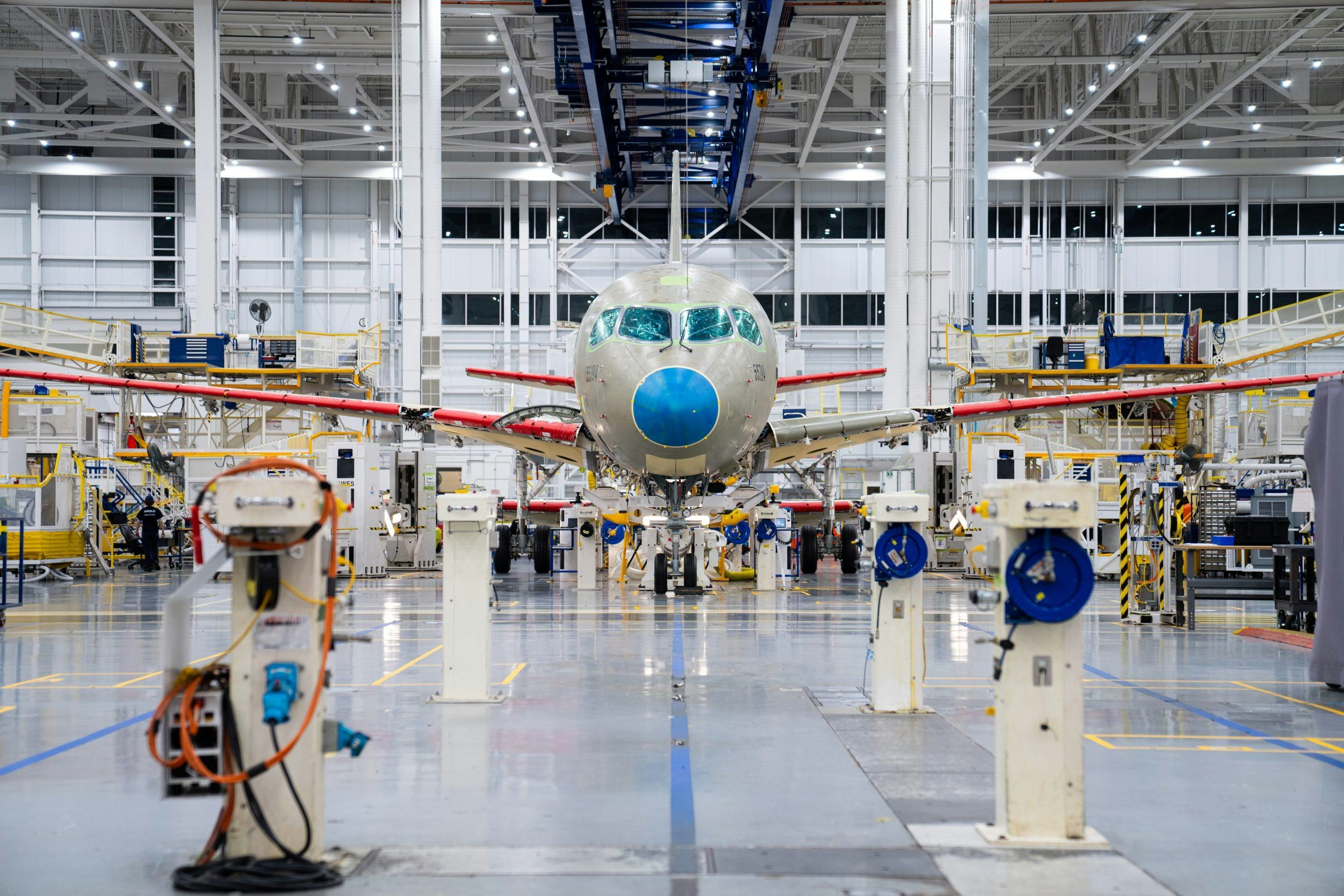
British Airways Endorses Pratt & Whitney’s GTF Engine with Agreement for Over 60 Airbus A320neos
British Airways has committed to equipping up to 63 Airbus A320neo aircraft with Pratt & Whitney’s PW1100G geared turbofan (GTF) engine, signaling a renewed confidence in the powerplant despite its earlier challenges related to durability. The agreement encompasses 33 firm orders alongside options for an additional 30 jets, marking a significant strategic shift for the UK flag carrier and its parent company, International Airlines Group (IAG). Previously, IAG had predominantly favored the rival CFM International Leap-1A engine for its A320neo-family fleet.
Overcoming Early Challenges and Renewed Confidence
IAG’s initial adoption of the GTF engine was limited to its Spanish low-cost subsidiary, Vueling, following a 2017 order placed during a period when the engine was grappling with technical difficulties. Since then, Pratt & Whitney has undertaken extensive efforts to rectify these issues, investing heavily in enhancing the engine’s reliability and expanding production capacity, including the scaling up of PW1900G assembly lines. British Airways’ latest decision reflects a growing assurance in the improvements made, with deliveries of the GTF-powered A320neos scheduled to commence next year.
In addition to the engine supply, British Airways will enter into a comprehensive 12-year maintenance services agreement with Pratt & Whitney, designed to ensure sustained engine performance and operational support over the long term. Rick Deurloo, president of Pratt & Whitney Commercial Engines, described the airline’s selection as a “strong vote of confidence” in the GTF technology.
Industry Context and Competitive Dynamics
While British Airways and other IAG carriers such as Iberia and Aer Lingus have operated aircraft powered by the Leap-1A engine, some competitors remain cautious about adopting the GTF. Historically, the GTF has been associated with higher maintenance costs and concerns over engine availability, factors that continue to influence fleet decisions for airlines like Cyprus Airways.
Pratt & Whitney’s ongoing commitment to resolving reliability issues and increasing production capacity appears to be yielding results, as evidenced by major carriers like British Airways reaffirming their trust in the GTF engine. This agreement not only strengthens Pratt & Whitney’s position in the competitive narrowbody aircraft market but also highlights the evolving considerations airlines face in balancing reliability, cost efficiency, and operational performance in their fleet strategies.

Etihad Deploys Widebody Fleet to Meet Strong Demand
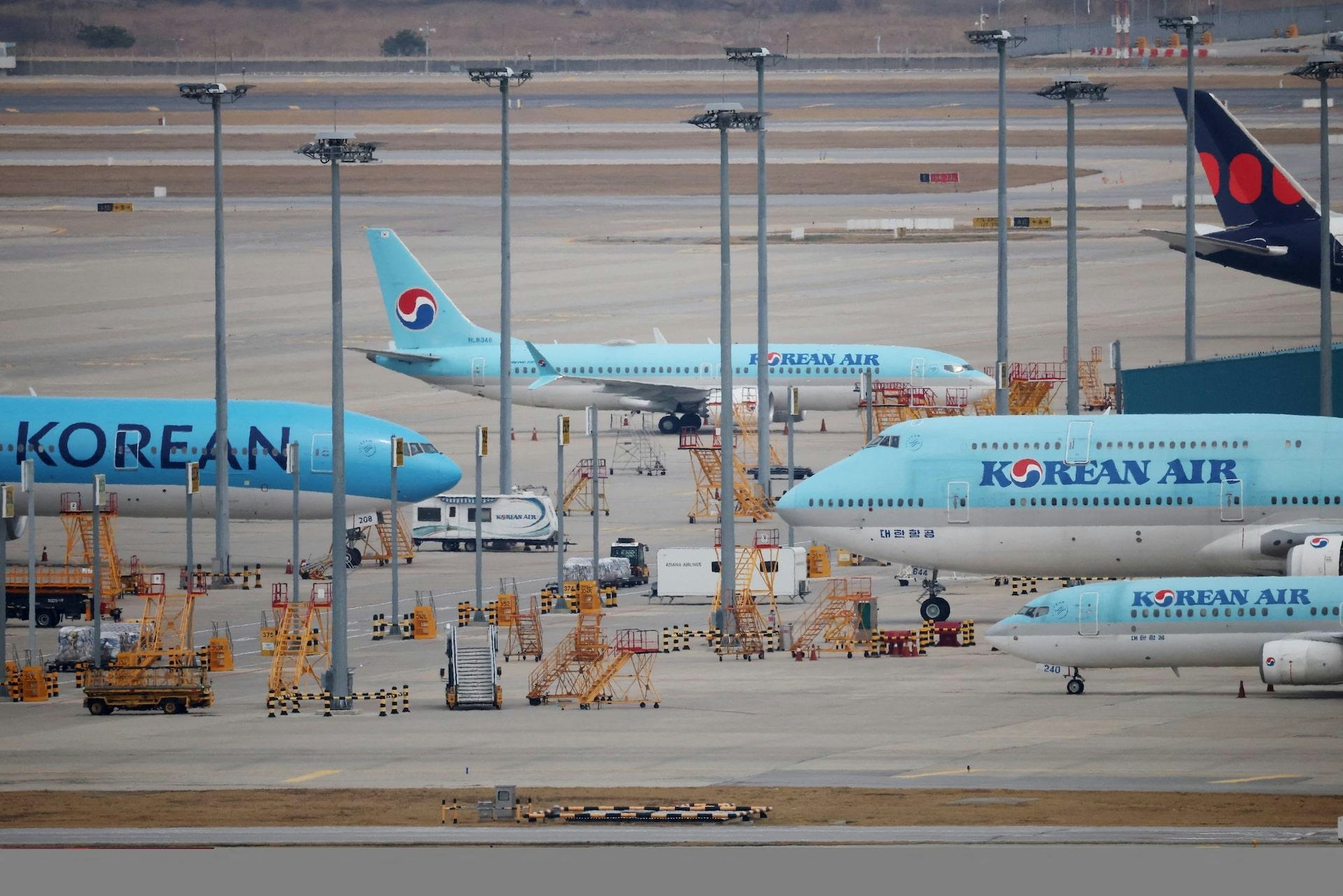
Korean Air Finalizes $36.2 Billion Deal with Boeing

Australia’s RFDS Queensland Section Orders Six King Air 260Cs

Korean Air Finalizes Order for 103 Boeing Jets and Engines
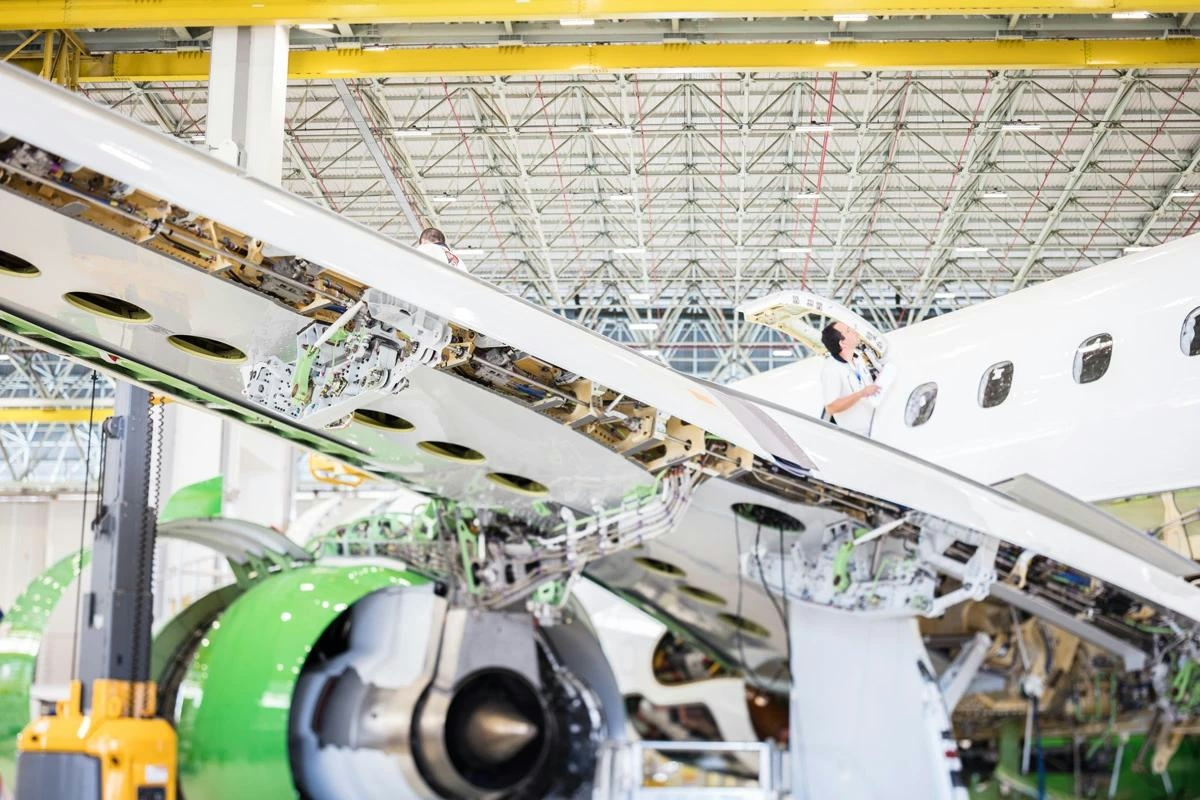
Embraer E195-E2 Features Distinctive Engine Placement Among Regional Jets

What Passengers Can Expect on Boeing’s New 777X Jet

How Ethiopian Airlines Became Africa’s Leading Carrier Amid Gulf Competition

Joby Aviation Extends Autonomous Flight Capabilities with Cross-Country Tour

Strengthening Europe's Aviation Supply Chain Amid Uncertainty
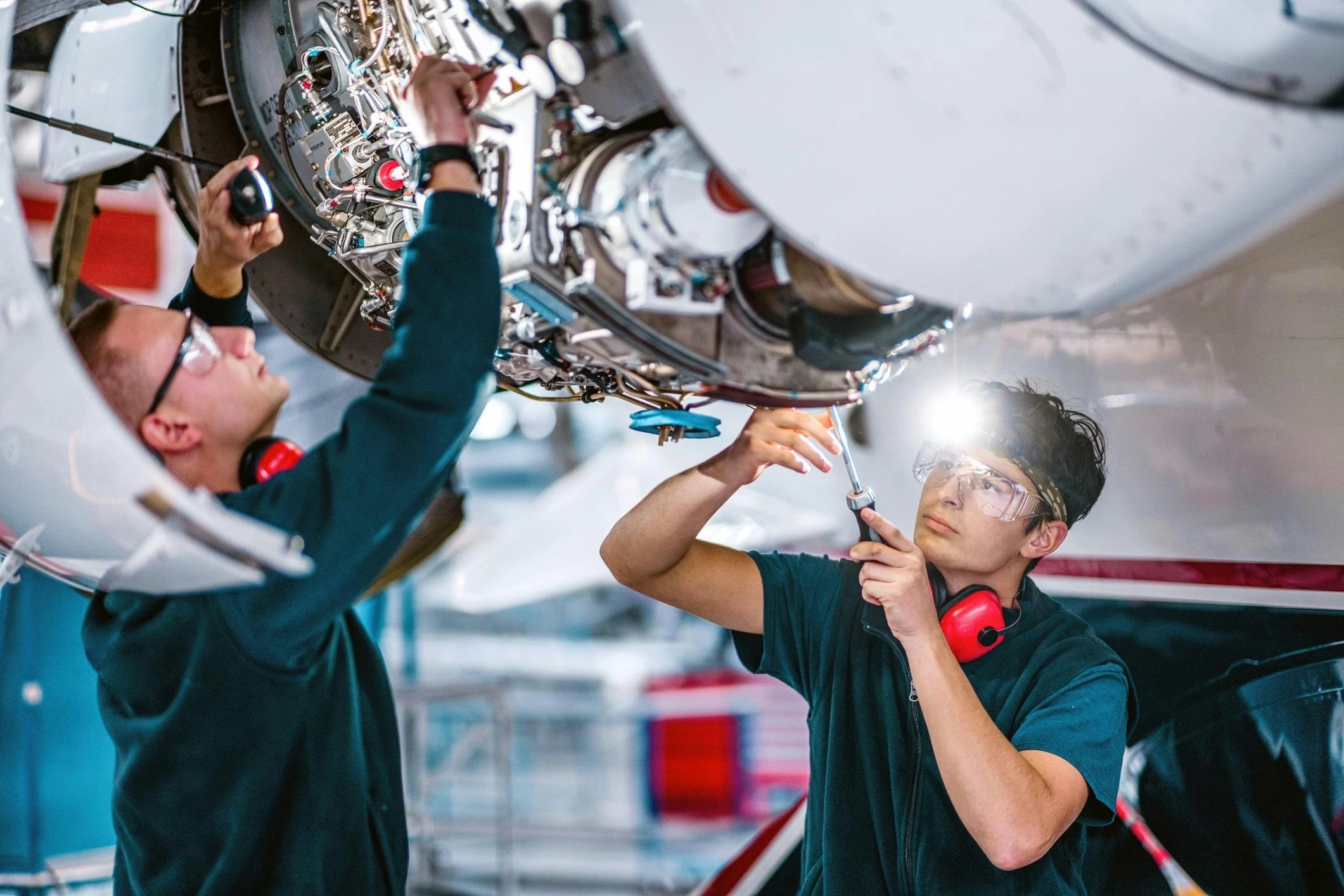
The Evolution of the Aircraft Maintenance Engineer Role
