
Orchestrate AI insights into action

Trending
Categories
Can Artificial Intelligence Improve Pilot Performance?
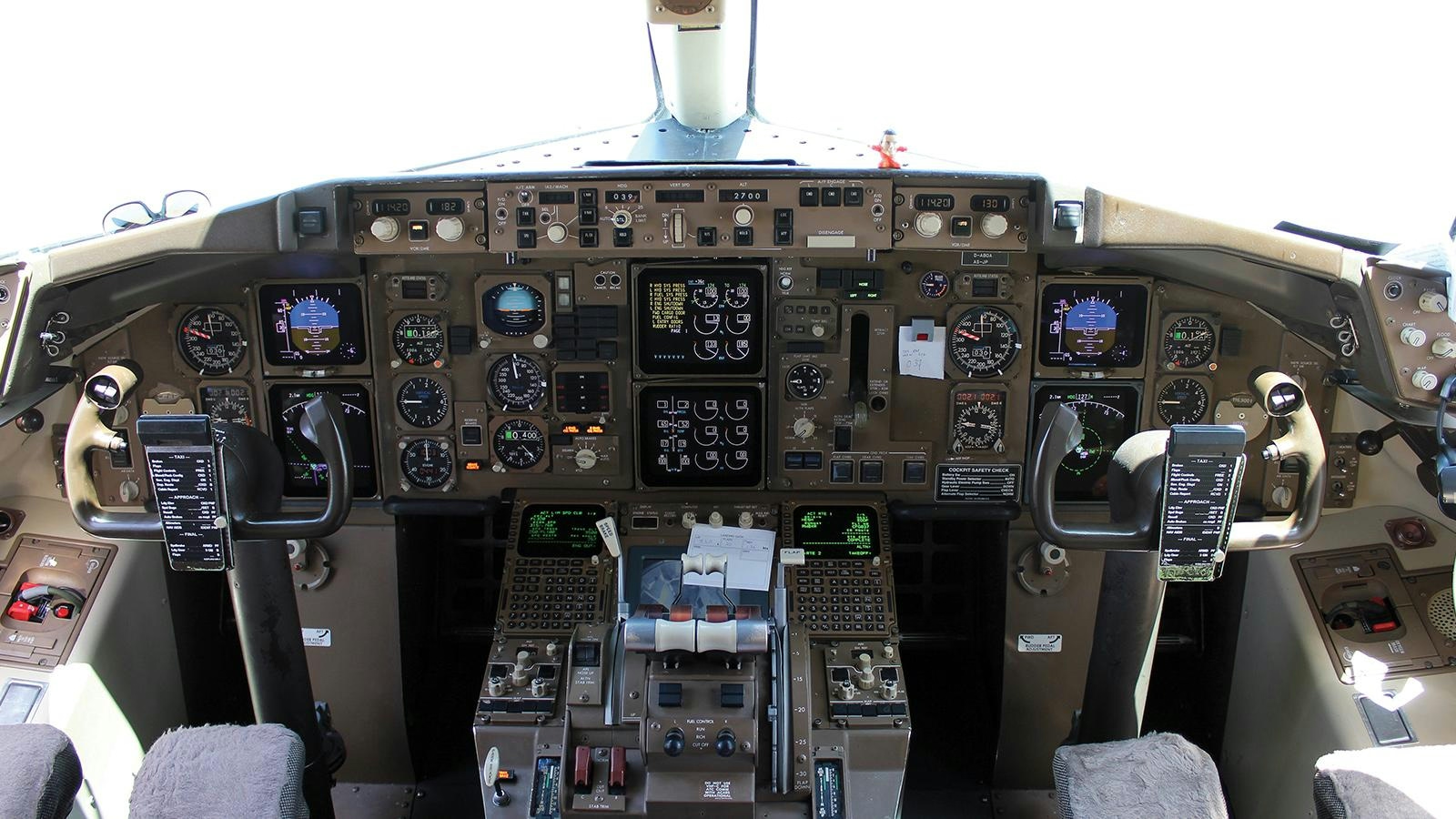
Can Artificial Intelligence Improve Pilot Performance?
Artificial intelligence (AI) is increasingly becoming a vital component of modern aviation, transitioning from speculative fiction to practical application on the flight deck. Its capacity to rapidly analyze vast datasets, clarify options, and assist pilots under intense time constraints offers significant promise. AI’s potential roles range from supporting diversion decisions and identifying operational threats to customizing pilot training, all aimed at enhancing safety and operational efficiency.
Yet, aviation’s history urges caution. While technological aids can simplify flying, their careless introduction risks diminishing essential pilot skills and eroding proficiency. The critical issue is not the adoption of AI in pilot training, but rather how it can be integrated to reinforce, rather than weaken, pilot judgement, resilience, and airmanship.
Regulation and Research
Regulatory bodies and researchers are actively addressing these complexities. The European Union Aviation Safety Agency (EASA) differentiates between AI systems that augment human capabilities and those designed for collaborative human-AI interaction under human supervision. EASA stresses that trustworthy AI in aviation must be supported by rigorous learning assurance, explainability, ethical evaluation, and clear human oversight, cautioning against uncritical technological enthusiasm.
Similarly, the U.S. Federal Aviation Administration (FAA) acknowledges the absence of a standardized approach to AI safety assurance, even as developers strive to embed AI within aviation systems. The discourse has evolved beyond the question of AI’s presence in aviation to focus on its integration in a manner that preserves the core competencies defining skilled human operators.
AI as a Training Partner
In the realm of pilot training, AI’s most valuable contribution lies in augmentation rather than replacement. Effective training traditionally seeks to minimize unnecessary cognitive load, enabling pilots to concentrate on critical functions such as threat recognition, prioritization, energy management, communication, and decision-making. AI can facilitate this process by acting as a cognitive aid.
A recent study by Menig, Becker, and Kleudgen demonstrated that pilots employing an AI-based Virtual Crew Assistant during diversion scenarios experienced a significant reduction in workload. In high-pressure, information-dense environments, this alleviation of cognitive burden preserves mental capacity for higher-order judgement. When properly implemented, AI serves as a training partner that helps pilots navigate complex situations, not merely as a convenience within the cockpit. The advantage lies not in AI making superior decisions but in enabling pilots to think more clearly amid complexity.
Challenges and Industry Response
Despite these benefits, the integration of AI into pilot training faces notable challenges. Regulatory approval, seamless compatibility with existing systems, and ensuring the reliability and safety of AI-driven decisions remain pressing concerns. The aviation industry is responding proactively, with the AI aviation market projected to reach USD 20.63 million by 2034, propelled by demand for predictive maintenance and operational efficiency. Leading carriers such as Air Canada and Korean Air are already exploring advanced AI technologies to maintain competitiveness amid evolving industry dynamics.
Ultimately, the question is not whether AI can enhance pilot performance, but how the aviation sector can leverage its capabilities while preserving the essential skills and judgement that underpin safe flight.

Etihad Deploys Widebody Fleet to Meet Strong Demand

Korean Air Finalizes $36.2 Billion Deal with Boeing

Australia’s RFDS Queensland Section Orders Six King Air 260Cs

Korean Air Finalizes Order for 103 Boeing Jets and Engines
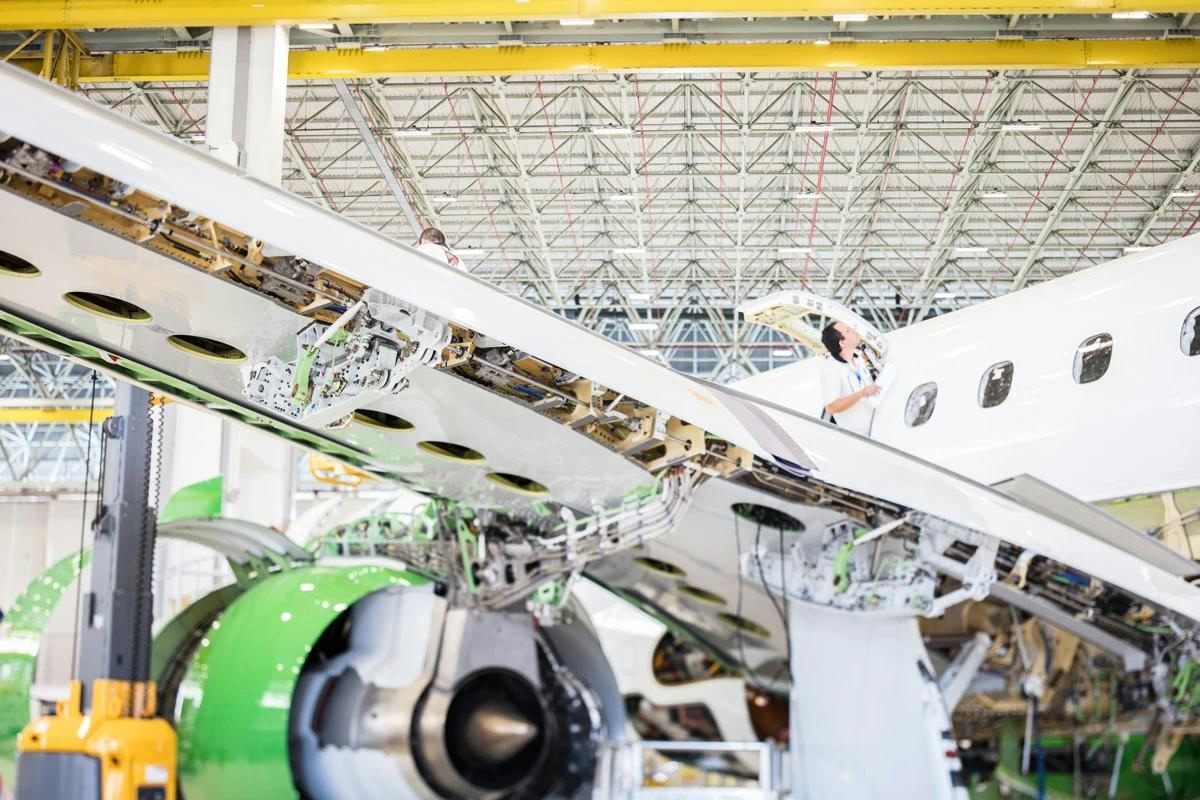
Embraer E195-E2 Features Distinctive Engine Placement Among Regional Jets

What Passengers Can Expect on Boeing’s New 777X Jet

How Ethiopian Airlines Became Africa’s Leading Carrier Amid Gulf Competition
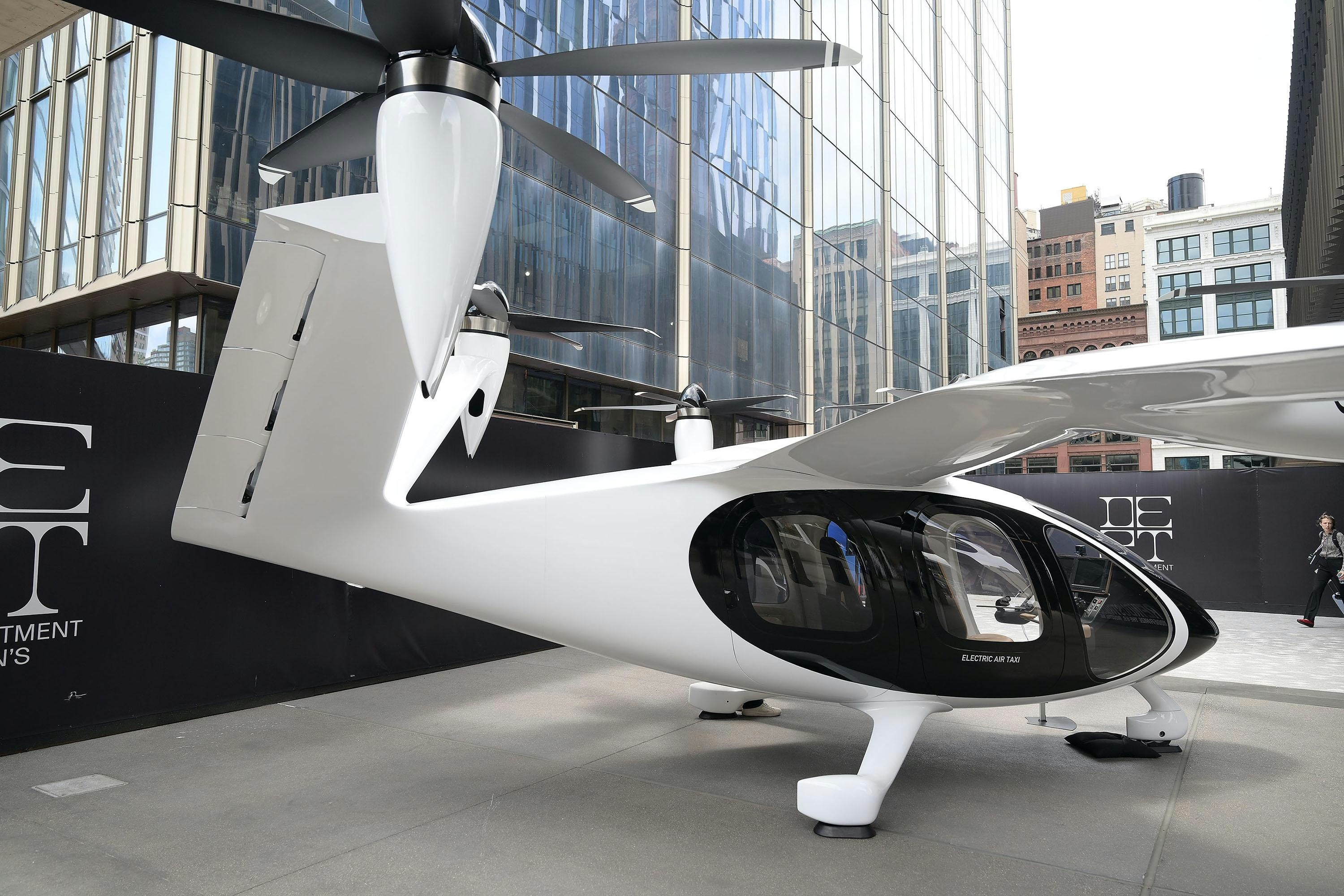
Joby Aviation Extends Autonomous Flight Capabilities with Cross-Country Tour
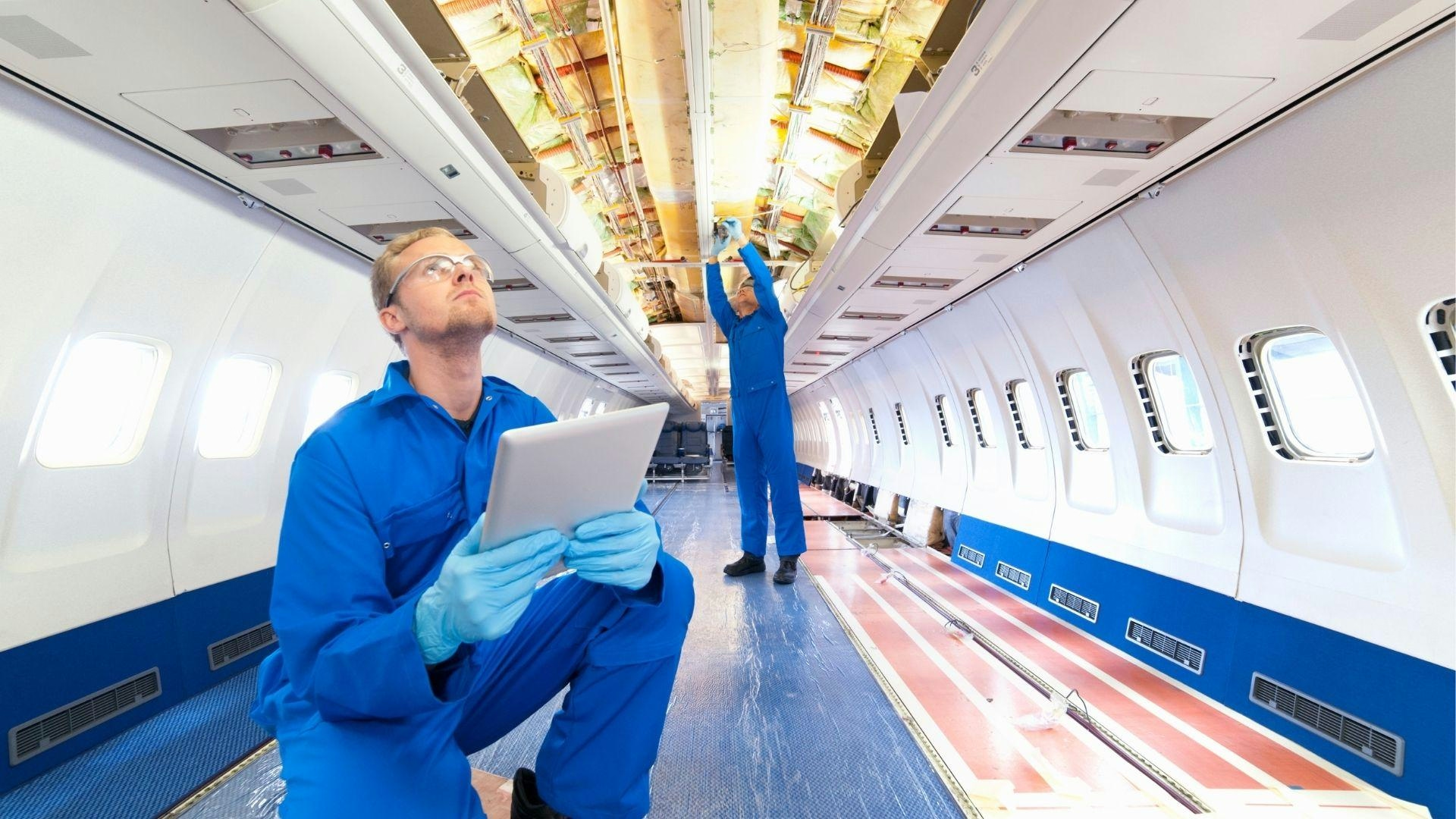
Strengthening Europe's Aviation Supply Chain Amid Uncertainty
The Evolution of the Aircraft Maintenance Engineer Role
