
Orchestrate AI insights into action

Trending
Categories
Farnborough Airshow Opens Amid Industry Efforts to Overcome Supply Chain Challenges
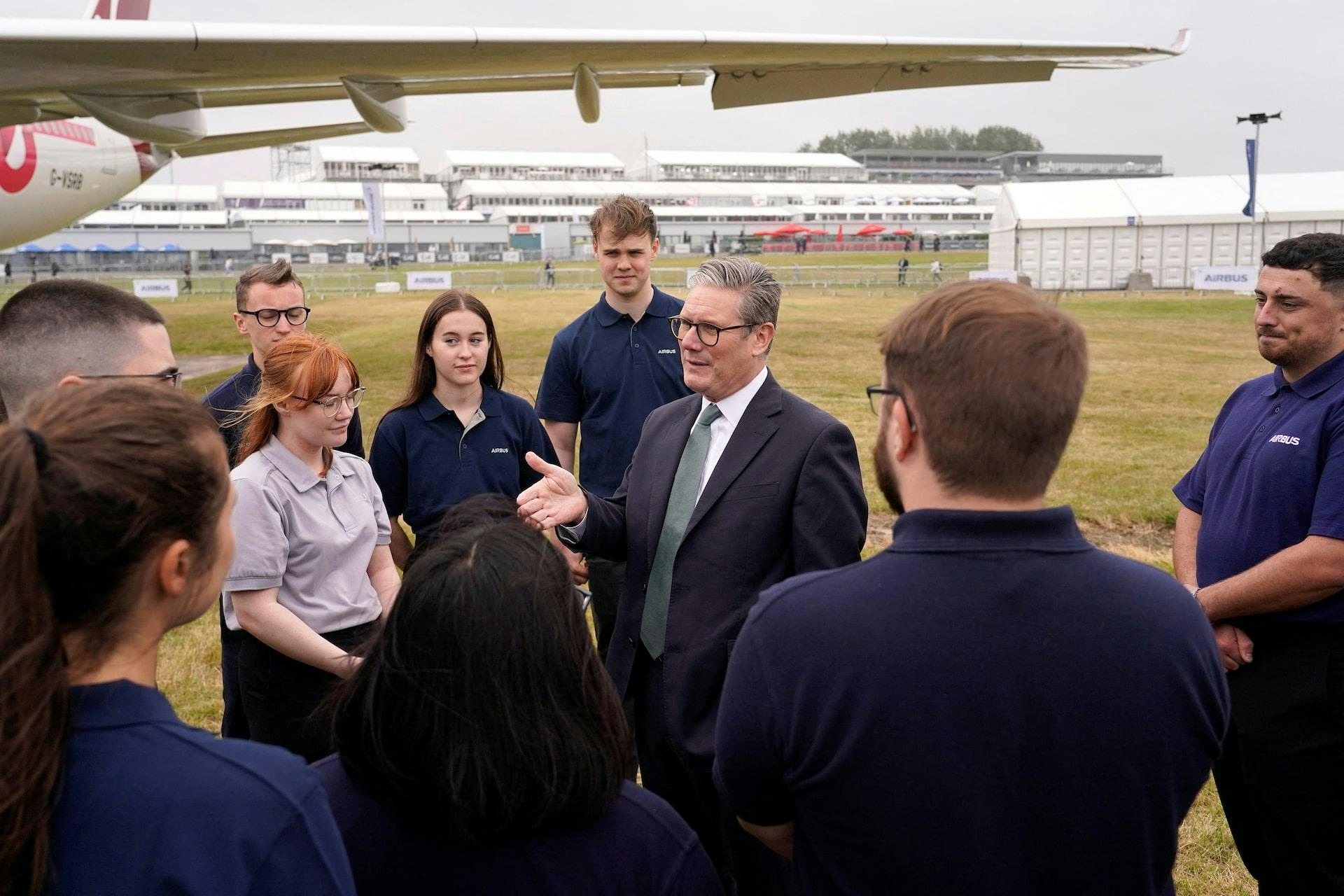
Farnborough Airshow Opens Amid Industry Efforts to Overcome Supply Chain Challenges
The Farnborough International Airshow commenced on Monday, drawing aerospace leaders from around the world to one of the sector’s most significant biennial trade events. Taking place from July 20 to 24, the event has attracted a record 1,600 exhibitors, reflecting strong demand across both commercial aviation and defense markets despite ongoing supply chain disruptions and shifting industry priorities.
Navigating Supply Chain Disruptions and Market Dynamics
This year’s airshow is set against a complex backdrop of robust passenger demand coupled with persistent production bottlenecks and escalating geopolitical tensions that are driving increased military procurement globally. Supply chain challenges remain a critical issue, with major manufacturers such as Boeing moderating their expectations for new aircraft orders. Companies like FDH Aero are actively promoting solutions aimed at mitigating these ongoing disruptions.
While Boeing and Airbus are anticipated to announce several aircraft orders during the event, industry analysts expect the total to be more restrained than in previous years. Reports indicate that combined orders may reach just over 300 aircraft, falling short of earlier forecasts due to shortages in engines and delays in production schedules. Traditional commercial jetliner deals appear subdued, as market participants adopt a cautious stance amid continued uncertainty in supply chains.
Defense Sector and Emerging Technologies Take Center Stage
In contrast to the commercial sector’s cautious outlook, defense has emerged as a dominant focus at Farnborough, representing approximately half of all exhibitors. The exhibition highlights advancements in autonomous systems, artificial intelligence, drones, and next-generation military aircraft, reflecting increased government defense spending in response to conflicts in Ukraine and the Middle East. For instance, Embraer is scaling up production of its KC-390 military transport aircraft to meet growing demand, while electric vertical takeoff and landing (eVTOL) aircraft and drone technologies are attracting considerable attention on the show floor.
Farnborough’s Role for African Aviation Stakeholders
For African airlines, governments, and aerospace suppliers, the airshow remains a vital platform to engage with manufacturers, lessors, financiers, and technology providers. Key discussions for the region focus on fleet renewal, enhancing regional connectivity, establishing maintenance partnerships, and advancing sustainable aviation initiatives. Several African carriers are expected to announce fleet expansion plans as manufacturers compete for business in one of the fastest-growing aviation markets globally.
Having evolved well beyond its origins as a showcase for British aerospace technology, the Farnborough International Airshow now serves as a premier venue for aircraft orders, strategic partnerships, and high-level policy dialogue shaping the future of global aviation. This year, the event is defined as much by the industry’s efforts to address supply chain challenges as by the unveiling of next-generation technologies and the increasing prominence of defense in a rapidly evolving geopolitical landscape.

Etihad and Swissport Extend Global Partnership
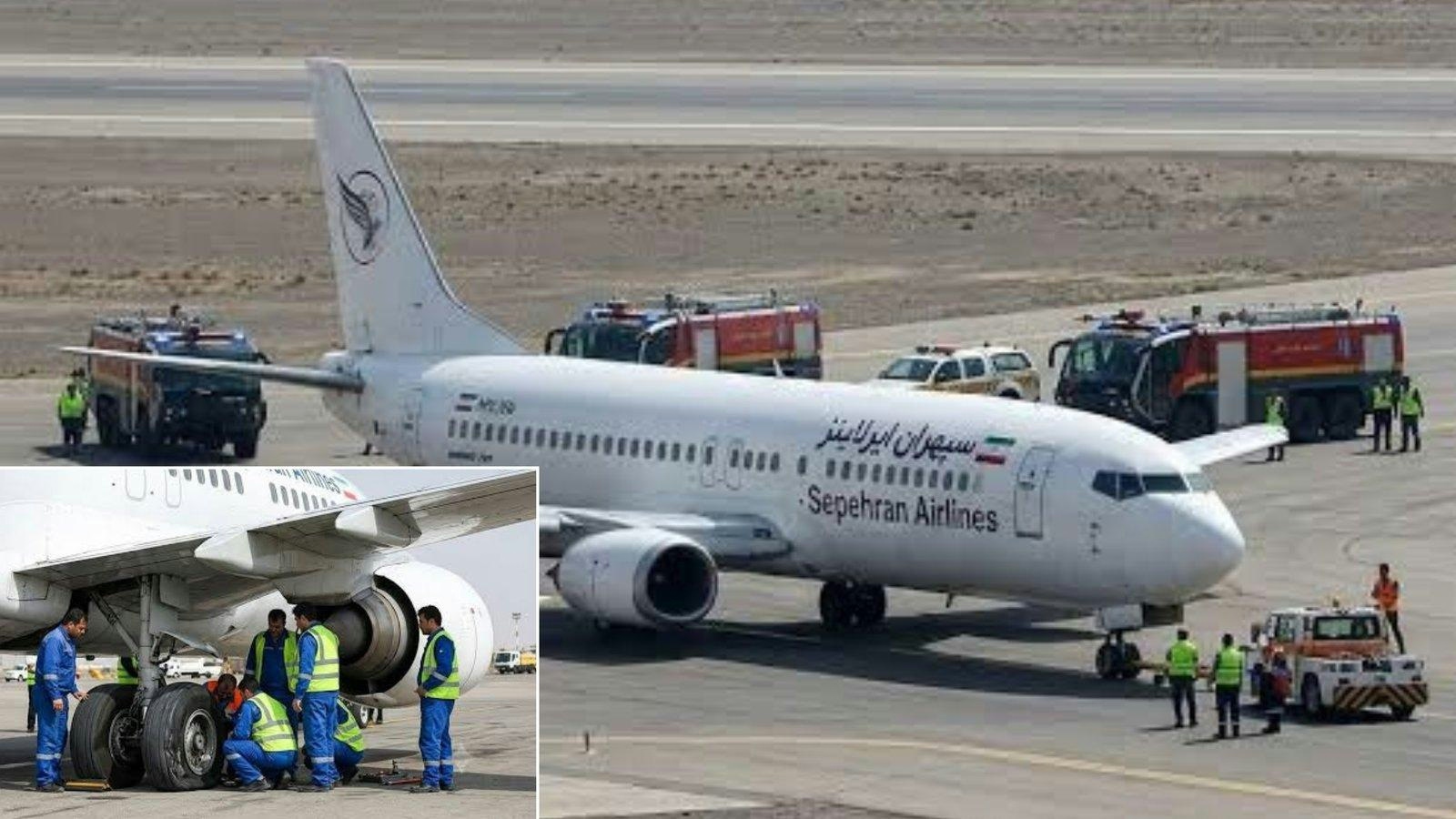
Sepehran Airlines B737 Returns to Mashhad After Tyre and Engine Issues

Etihad Deploys Widebody Fleet to Meet Strong Demand
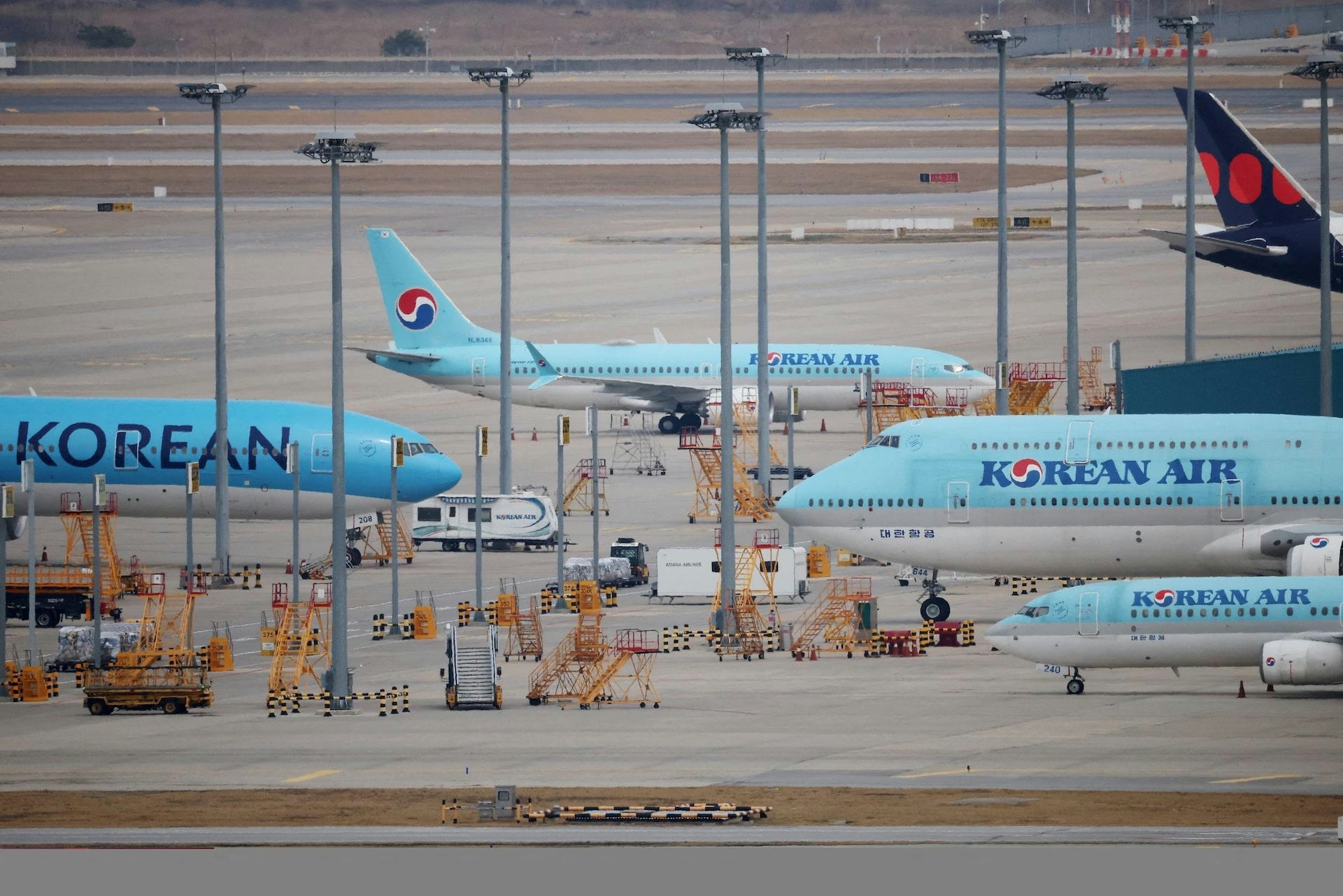
Korean Air Finalizes $36.2 Billion Deal with Boeing

Australia’s RFDS Queensland Section Orders Six King Air 260Cs

Korean Air Finalizes Order for 103 Boeing Jets and Engines
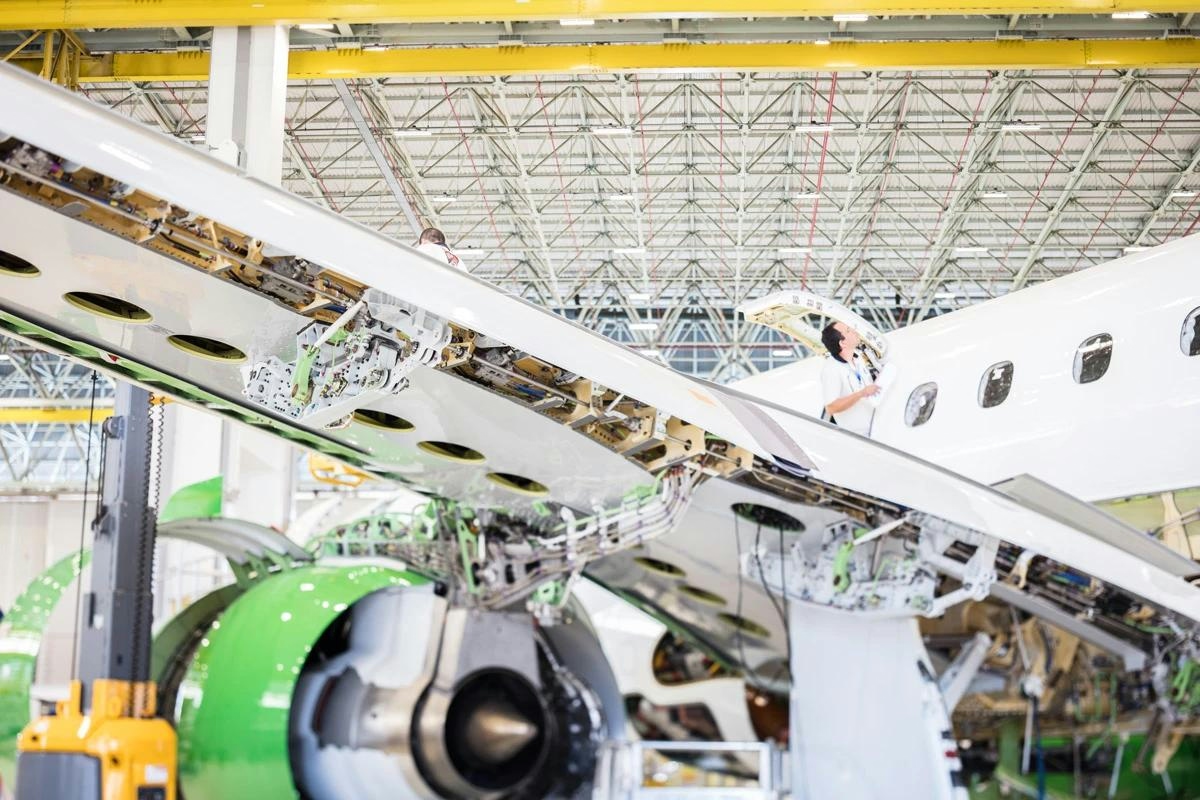
Embraer E195-E2 Features Distinctive Engine Placement Among Regional Jets

What Passengers Can Expect on Boeing’s New 777X Jet

How Ethiopian Airlines Became Africa’s Leading Carrier Amid Gulf Competition

Joby Aviation Extends Autonomous Flight Capabilities with Cross-Country Tour
