
Orchestrate AI insights into action

Trending
Categories
Farnborough News Summary, July 21, 2026
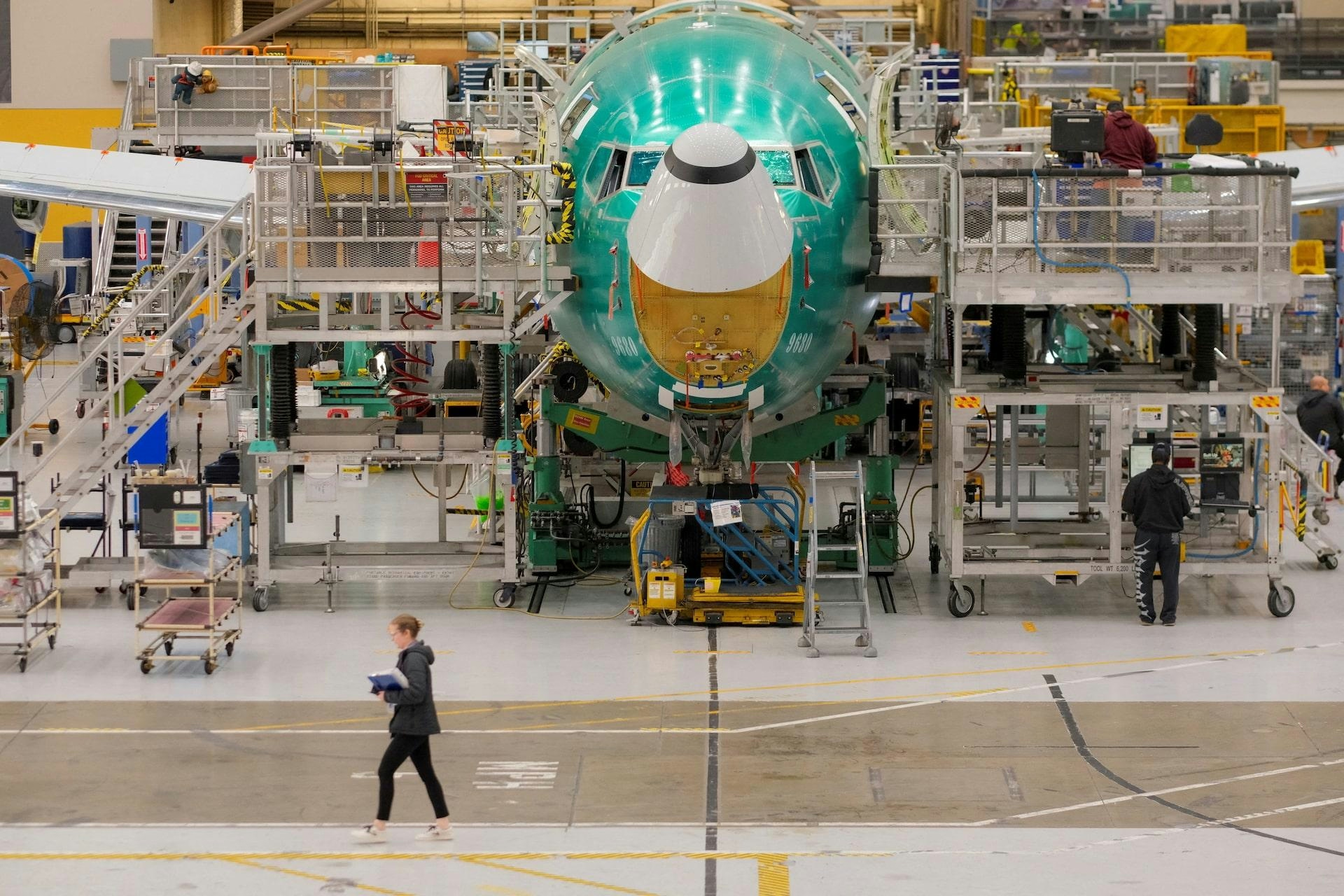
Farnborough News Summary, July 21, 2026
Milestone in Hybrid Electric Flight
GE Aerospace has achieved a landmark in aviation by successfully completing the first hybrid electric flight above 30,000 feet, a cruising altitude typical for commercial passenger aircraft. This accomplishment, realized in collaboration with NASA, BETA Technologies, and Boeing, underscores the potential of more electric aircraft engine systems to shape the future of flight. The test campaign included a hybrid electric operation lasting over two hours, setting a new industry standard for endurance.
The record-setting flights utilized a modified Saab 340B as part of NASA’s Electrified Powertrain Flight Demonstration (EPFD) project. The aircraft’s right nacelle was inverted and specially ventilated to accommodate GE Aerospace’s fully integrated megawatt-class, multi-kilovolt hybrid electric propulsion system. This advanced system incorporates GE-developed motor/generators, power converters, controllers, Avio Aero gearboxes, Dowty propellers, Unison heat exchangers, and a CT7 engine. BAE Systems supplied the batteries, while Boeing subsidiary Aurora Flight Sciences provided the complete nacelle, highlighting a complex collaboration across multiple aerospace leaders.
Strategic Partnerships and Sustainability Initiatives
In a separate announcement, GE Aerospace revealed a five-year agreement with the Air France KLM Group—including Air France, Hop!, and Transavia France—to deploy its Fuel Insight analytics solution across the entire group. Already in use by KLM, KLC, Martinair, and Transavia Holland, Fuel Insight will support enhanced fuel optimization, sustainability reporting, and foster greater internal collaboration and best-practice sharing within the group.
Meanwhile, Air Canada and Airbus unveiled plans to establish a Sustainability Co-Investment Platform aimed at accelerating the development of a commercial-scale Sustainable Aviation Fuel (SAF) industry in Canada. The initiative, which plans to invest up to CAD 13.7 million (approximately US$10 million), is contingent on supportive public policy and seeks to advance a Canadian SAF project toward a final investment decision. Both companies emphasized the critical role of industry-government collaboration to ensure domestic SAF production, price competitiveness, and the affordability of air travel. This effort aligns with ongoing advocacy through the Canadian Sustainable Aviation Fuel Coalition (C-SAF).
Industry Trends and Market Dynamics
The Farnborough Airshow also highlighted broader industry trends, particularly the growing market interest in emerging technologies such as electric vertical takeoff and landing vehicles (eVTOLs) and drones. This shift in focus may redirect investment away from traditional aerospace sectors, intensifying competition among established suppliers. New entrants like Phinia, which is expanding into the European market with precision laser machining technology, face significant challenges from entrenched aerospace giants. Despite these obstacles, Phinia’s market entry was met with positive reception, prompting major players including Airbus and Boeing to sharpen their innovation and market positioning strategies. Both Airbus and Boeing secured substantial orders during the event, underscoring the dynamic and competitive nature of the aerospace sector.
As the industry continues to evolve, the Farnborough Airshow served as a platform not only for showcasing technological breakthroughs and sustainability initiatives but also for revealing the shifting priorities and competitive pressures that will shape the future of aerospace.

Etihad Deploys Widebody Fleet to Meet Strong Demand

Korean Air Finalizes $36.2 Billion Deal with Boeing
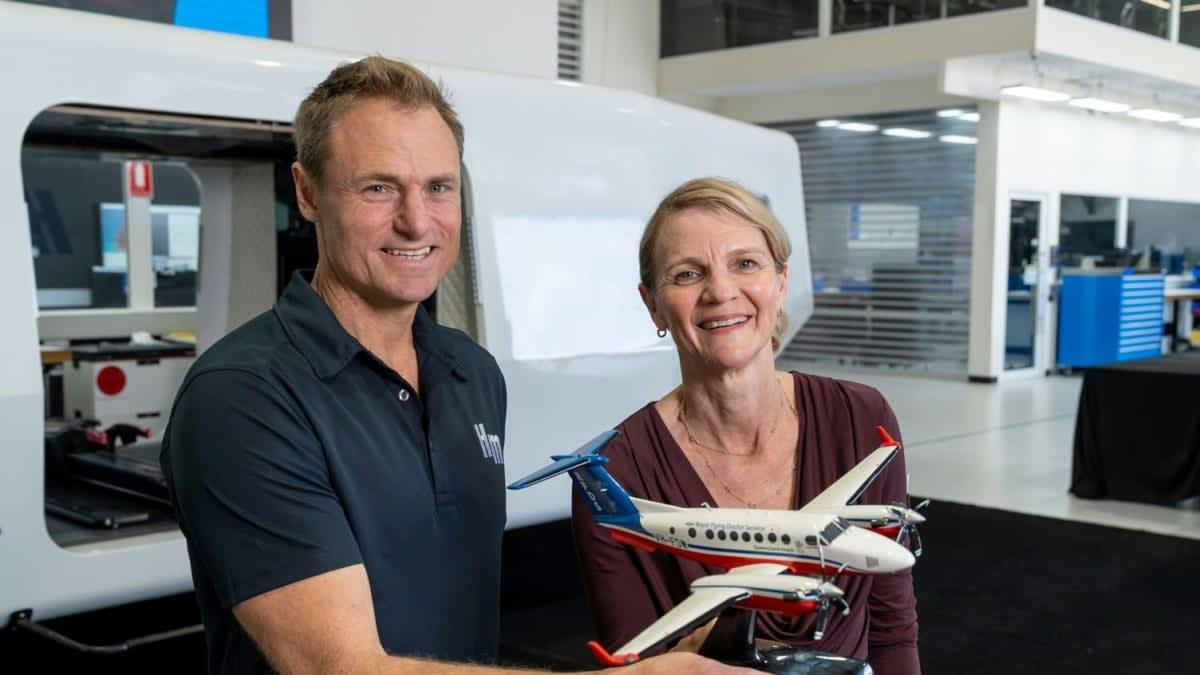
Australia’s RFDS Queensland Section Orders Six King Air 260Cs

Korean Air Finalizes Order for 103 Boeing Jets and Engines
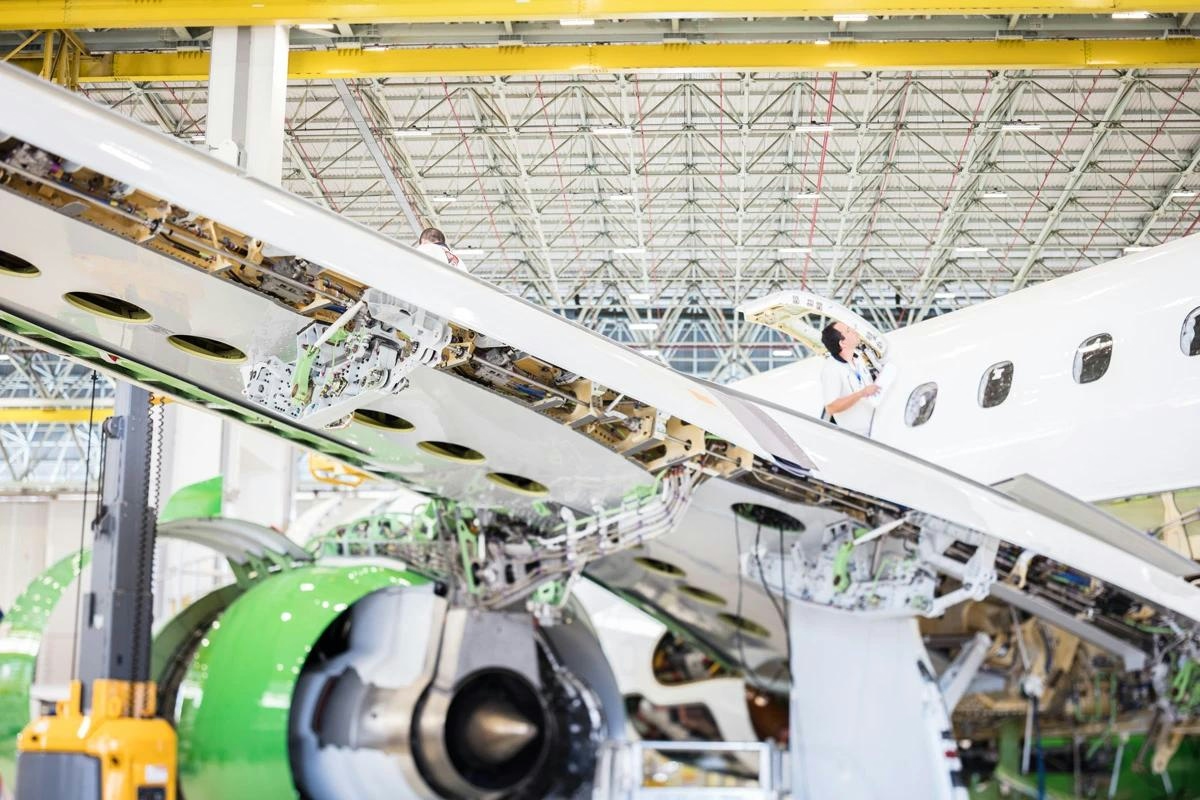
Embraer E195-E2 Features Distinctive Engine Placement Among Regional Jets
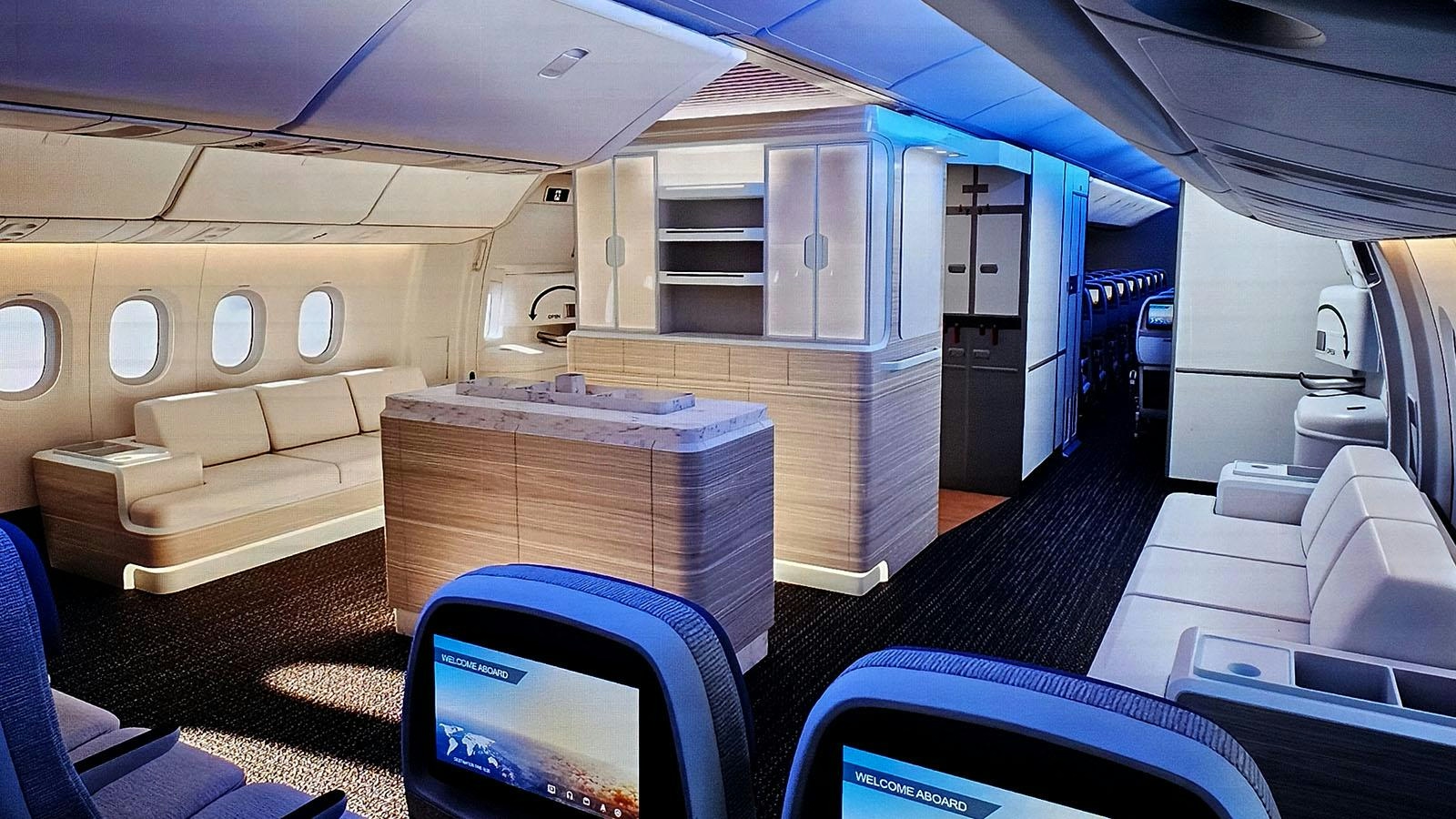
What Passengers Can Expect on Boeing’s New 777X Jet

How Ethiopian Airlines Became Africa’s Leading Carrier Amid Gulf Competition
Joby Aviation Extends Autonomous Flight Capabilities with Cross-Country Tour

Strengthening Europe's Aviation Supply Chain Amid Uncertainty
The Evolution of the Aircraft Maintenance Engineer Role
