
Orchestrate AI insights into action

Trending
Categories
Helios Horizon Tests Solid-State Batteries for Electric Propulsion
Helios Horizon Advances Electric Propulsion with Solid-State Battery Flight Tests
Helios Horizon, a US-based electric aviation development initiative, has achieved a pioneering milestone by completing what it describes as the first human-piloted flight powered by solid-state batteries. The test flights, conducted on June 5 from Zephyrhills Airport in Florida, utilized a modified Pipistrel Taurus Electro motor-glider. This achievement marks a significant step forward as Helios prepares for a series of high-altitude evaluations reaching up to 40,000 feet later this year.
Advantages and Technological Breakthroughs
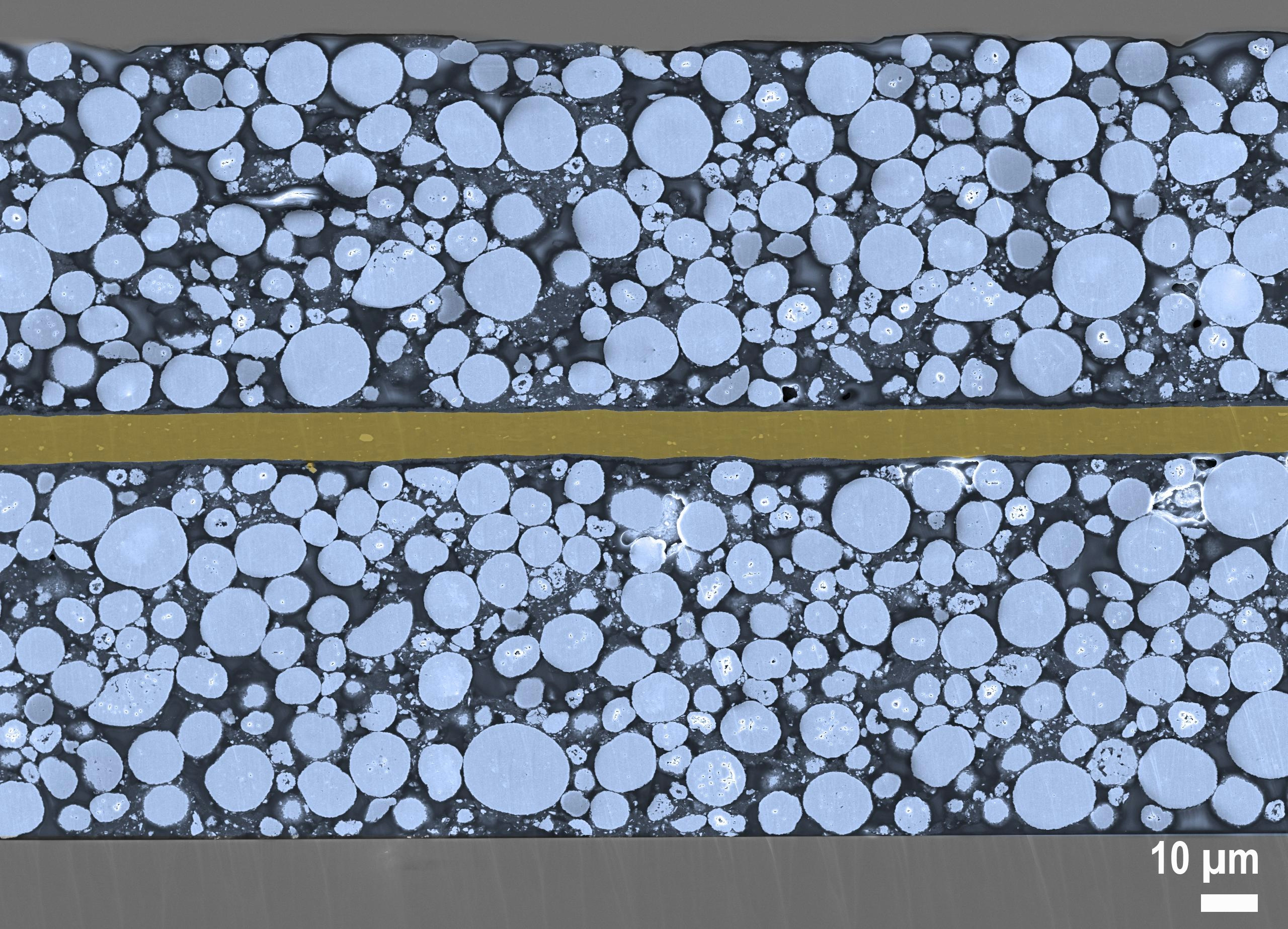
Solid-state batteries replace the liquid electrolyte found in conventional lithium-ion cells with a solid alternative, offering several critical advantages. These include higher energy density, enhanced safety, and faster charging times. Helios reports that these batteries can more than double the range of electric vehicles and recharge to 80% capacity in under 15 minutes, potentially revolutionizing the commercial viability of electric aviation.
Miguel Iturmendi, Helios founder and test pilot, emphasized the importance of this development: “For the first time, we have a battery technology that yields the range and charging times necessary to make commercial electric aviation viable, while providing the safety the flying public will demand.” Iturmendi brings extensive experience from projects such as Perlan and Solar Impulse, underscoring the significance of this advancement.
Previously, Helios’s demonstration flights relied on custom lithium-ion battery systems with an energy density of 260 Wh/kg. The introduction of solid-state batteries has increased this figure to 410 Wh/kg, representing a substantial leap in electric aircraft performance. Despite higher costs and limited current availability, these batteries also offer improved longevity due to their resilience to temperature extremes and reduced cell degradation.
Challenges and Industry Implications
Despite the promising performance, the adoption of solid-state battery technology faces considerable regulatory and manufacturing challenges. Aviation authorities continue to classify these batteries similarly to hazardous liquid lithium-ion types, complicating certification processes and integration into commercial fleets. Additionally, manufacturing complexities and expense remain significant barriers. Helios, however, maintains that ongoing technological improvements are addressing these issues.
The June 5 flights, each lasting only a few minutes, followed extensive ground testing where the aircraft operated at full power until battery depletion. These initial sorties primarily focused on assessing the impact of the new batteries on the aircraft’s weight and balance.
The market response to the potential of safer, more energy-dense batteries has been positive, with the promise of doubling electric vehicle range and dramatically reducing charging times. This progress is prompting established automotive and aviation companies to accelerate their own solid-state battery programs. Notable industry players such as Mercedes-Benz, Hyundai, Kia, and Stellantis have partnered with battery innovators like Factorial Energy to keep pace with advancements demonstrated by Helios Horizon.
Globally, interest in solid-state technology continues to grow. NASA’s SABERS program and several aviation firms are actively researching the technology, while Chinese air taxi developer EHang has previously flown a prototype powered by solid-state batteries. Although challenges remain, Helios Horizon’s successful test flights highlight the transformative potential of solid-state batteries in the future of electric aviation.

Etihad Airways Suspends Airbus A380 Flights on Key Route

Aditya Birla Group Seeks Approval for Aircraft Leasing in GIFT City

Qatar Airways Highlights Innovation and Connectivity at Arabian Travel Market 2026

Hong Kong's Five-Year Plan Includes Andrew Fan's Aircraft Parts Processing Hub Proposal

ACIA Aero Leasing Delivers ATR72-600 to Air Nostrum

RTX Appoints Jill Albertelli as Head of Pratt & Whitney

TAT Technologies Joins Beyond Aero Hydrogen Aircraft Program

AURAK Study Highlights Barriers to Air Taxi Adoption in Emerging Economies

Xiamen Air Selects Altitude for 787 Maintenance at Heathrow

Etihad and Swissport Extend Global Partnership
