
Orchestrate AI insights into action

Trending
Categories
JetBlue Updates A320 Cockpits with Airbus EEIS2 Displays
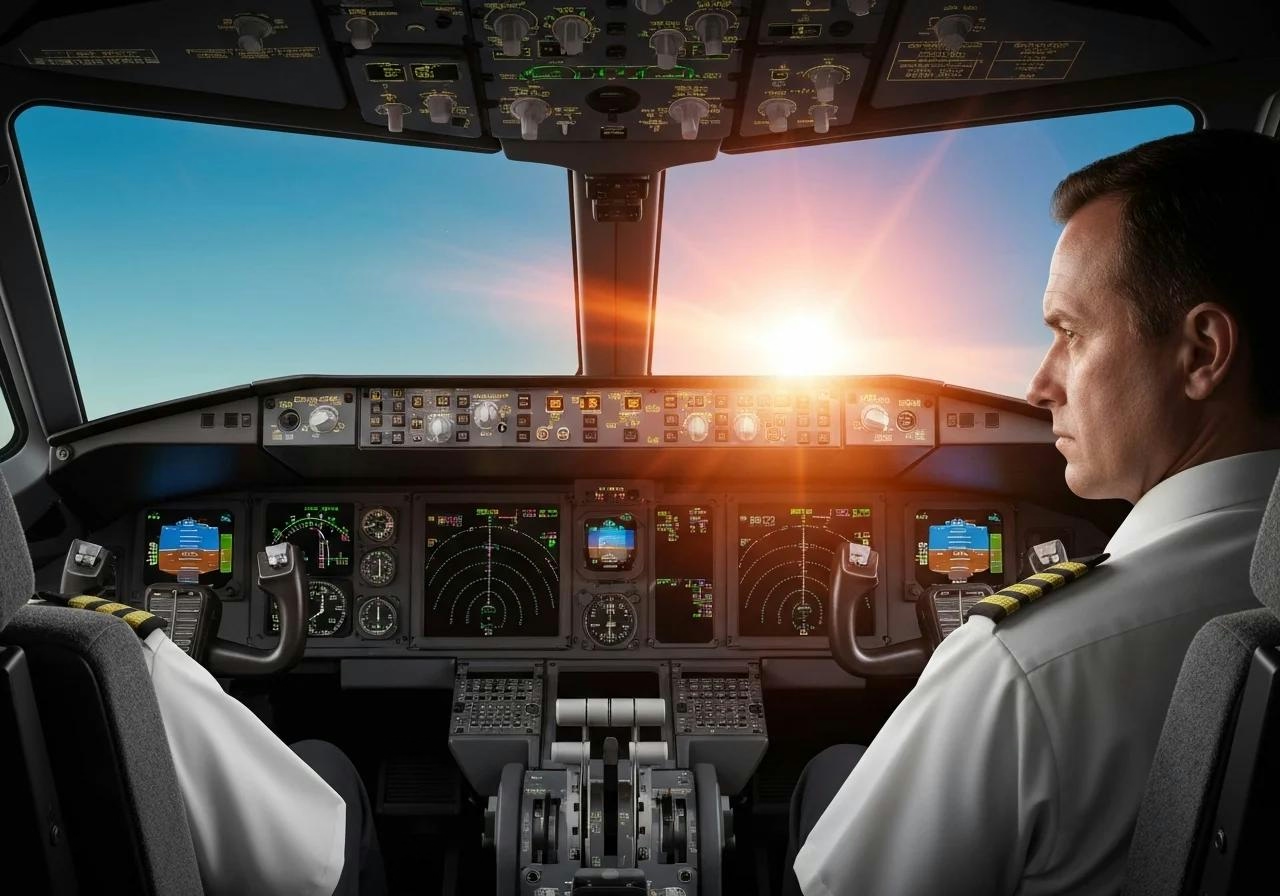
JetBlue Advances A320 Cockpit Technology with Airbus EEIS2 Displays
Fleet Modernization Amidst Industry Challenges
Airbus has entered into an agreement with JetBlue to upgrade the cockpit display systems on 46 aircraft within the airline’s A320 fleet. This initiative, announced at MRO Americas, represents a key component of JetBlue’s broader fleet modernization and operational strategy. The installation of Enhanced Electronic Instrument System (EEIS2) displays aims to standardize the fleet’s cockpit environment while enhancing long-term performance and reliability.
The EEIS2 upgrade replaces legacy cockpit displays with advanced high-resolution LCD technology, significantly improving the pilot interface and expanding system capabilities. Developed by Thales and integrated by Airbus, these new displays are designed to modernize older aircraft, ensuring their continued safety, efficiency, and operational viability. The system also supports future avionics enhancements, including satellite- and ground-based landing systems and improved weather radar functionality. These advancements are expected to provide pilots with clearer and more timely operational information, thereby strengthening situational awareness, particularly in congested airspace.
Strategic Investment Amid Financial Pressures
JetBlue has emphasized that this investment aligns with its JetForward strategy, which prioritizes operational dependability and maintaining high service standards. However, the upgrade occurs during a period of significant financial pressure for the airline and the wider discount carrier sector. Like many of its competitors, JetBlue is contending with elevated fuel costs and market overcapacity. In a recent effort to bolster liquidity, the airline secured $500 million in financing by pledging 22 Airbus jets as collateral, highlighting the financial headwinds it currently faces.
Industry analysts remain cautious about JetBlue’s capacity to sustain such modernization efforts amid ongoing speculation about potential consolidation within the U.S. airline industry. Larger carriers, benefiting from stronger financial positions, are perceived as better equipped to navigate market volatility and may leverage their resources to outcompete smaller rivals. In response to these concerns, JetBlue’s CEO has publicly reassured employees that bankruptcy is not being considered, despite persistent rumors driven by rising operational expenses.
Positioning for Future Competitiveness
As the airline industry anticipates possible consolidation, JetBlue’s commitment to upgrading its fleet with EEIS2 displays signals a strategic effort to remain competitive and uphold service quality. The cockpit modernization is viewed as a foundational step toward integrating next-generation systems in accordance with the latest Federal Aviation Administration (FAA) roadmap. This approach aims to ensure that JetBlue’s aircraft remain efficient and viable within a rapidly evolving market landscape.
While the EEIS2 upgrade promises operational and safety benefits, its ultimate success will depend on JetBlue’s ability to manage ongoing financial challenges and adapt to shifting industry dynamics, as competitors leverage their resources to respond to changing market conditions.

Etihad Airways Suspends Airbus A380 Flights on Key Route

Aditya Birla Group Seeks Approval for Aircraft Leasing in GIFT City

Qatar Airways Highlights Innovation and Connectivity at Arabian Travel Market 2026

Hong Kong's Five-Year Plan Includes Andrew Fan's Aircraft Parts Processing Hub Proposal

ACIA Aero Leasing Delivers ATR72-600 to Air Nostrum

RTX Appoints Jill Albertelli as Head of Pratt & Whitney

TAT Technologies Joins Beyond Aero Hydrogen Aircraft Program

AURAK Study Highlights Barriers to Air Taxi Adoption in Emerging Economies

Xiamen Air Selects Altitude for 787 Maintenance at Heathrow

Etihad and Swissport Extend Global Partnership
