
Orchestrate AI insights into action

Trending
Categories
Lycoming Increases Time Between Overhauls to 2,600 Hours for Multiple Piston Engines

Lycoming Extends Overhaul Interval to 2,600 Hours for Multiple Piston Engines
Lycoming Engines has announced a substantial increase in the recommended time between overhauls (TBO) for a broad range of its piston aircraft engines. The company has raised the base TBO for most factory-new and rebuilt fixed-wing models from 2,200 to 2,600 hours, representing a 400-hour extension. This adjustment aims to reduce operating costs and enhance aircraft availability by allowing engines to remain in service longer before undergoing major maintenance.
Scope and Eligibility of the New TBO
The revised 2,600-hour TBO applies to several of Lycoming’s most widely used engine families, including the O-320, IO-320, O-360, IO-360, IO-390, O-540, and IO-540 series. However, eligibility depends on the specific engine model as well as its maintenance and operational history. Operators are required to continue following Lycoming’s technical publications and comply with all Federal Aviation Administration (FAA) airworthiness standards.
Jim Wright, senior vice president of Lycoming Engines, emphasized that the updated TBO schedule reflects the company’s commitment to delivering maximum value, reliability, and performance to aircraft owners, operators, and maintenance providers. He noted that the extension is grounded in decades of engineering expertise combined with the latest fleet data analysis.
It is important to note that the 2,600-hour interval does not apply universally across all Lycoming engines. Certain turbocharged, high-speed, and higher-horsepower models remain excluded from this extension. Operators are advised to verify the eligibility of their specific engines through authorized Lycoming distributors to ensure compliance.
Industry Context and Implications
Lycoming’s decision to extend overhaul intervals comes amid increasing competition in the piston engine market and shifting operator requirements. The move is expected to undergo regulatory review and will require acceptance from both aviation authorities and the broader market. Industry analysts anticipate that competitors may respond with similar TBO adjustments or alternative measures to maintain their market positions.
This change is also likely to impact operators’ strategies for spare engine availability. Recent developments, such as BeauTech’s new decade-long agreement for spare engines, highlight the critical role of long-term planning in fleet management. With engines now able to remain in service for longer periods, operators may reconsider their approaches to spare engine inventories and maintenance scheduling.
Lycoming’s extension of the TBO signals a broader industry trend toward maximizing engine lifecycle value. It may also stimulate further innovation and competitive responses within the piston engine sector as manufacturers seek to balance performance, reliability, and cost-efficiency.
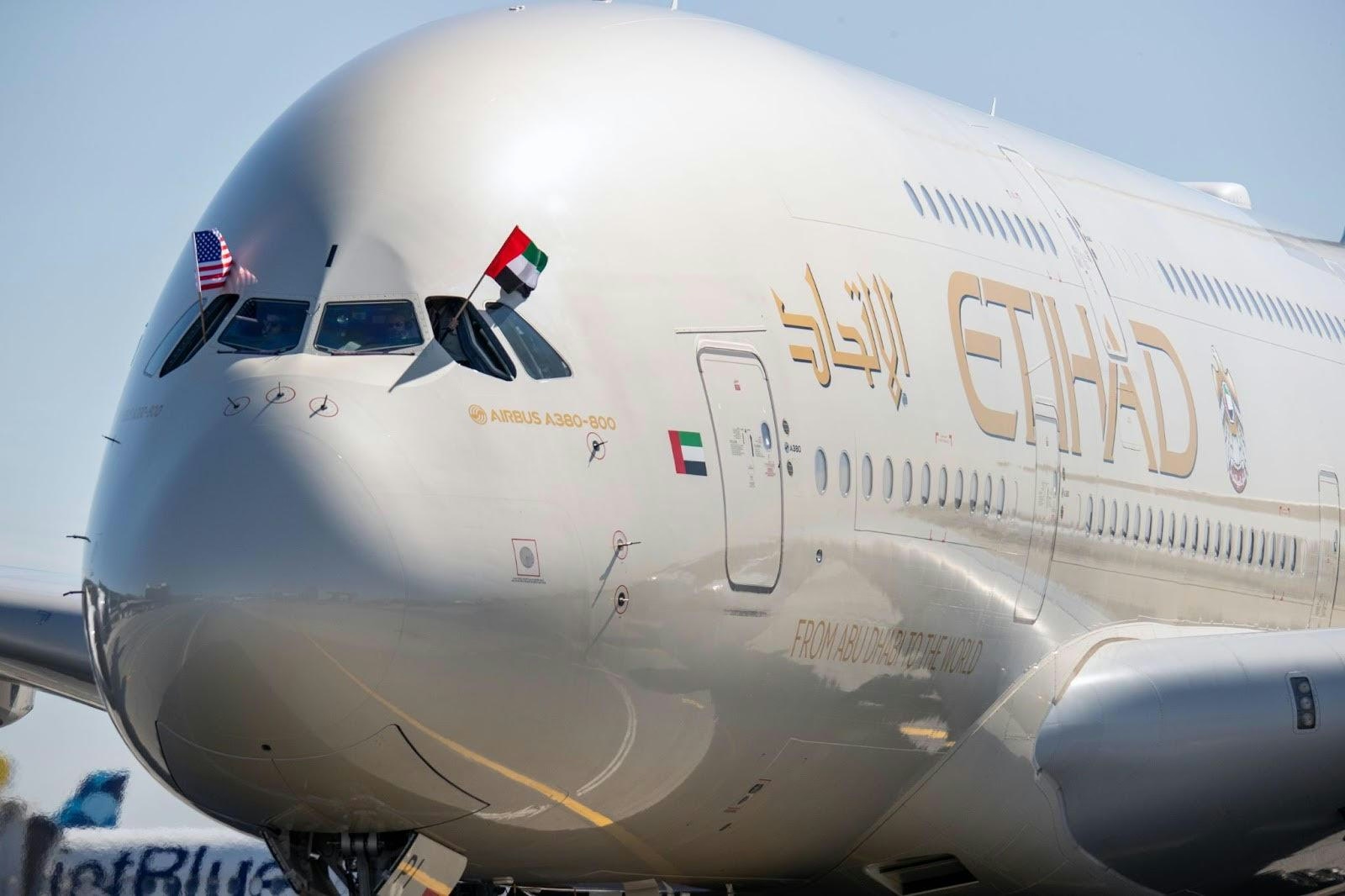
Etihad Airways Suspends Airbus A380 Flights on Key Route

Aditya Birla Group Seeks Approval for Aircraft Leasing in GIFT City
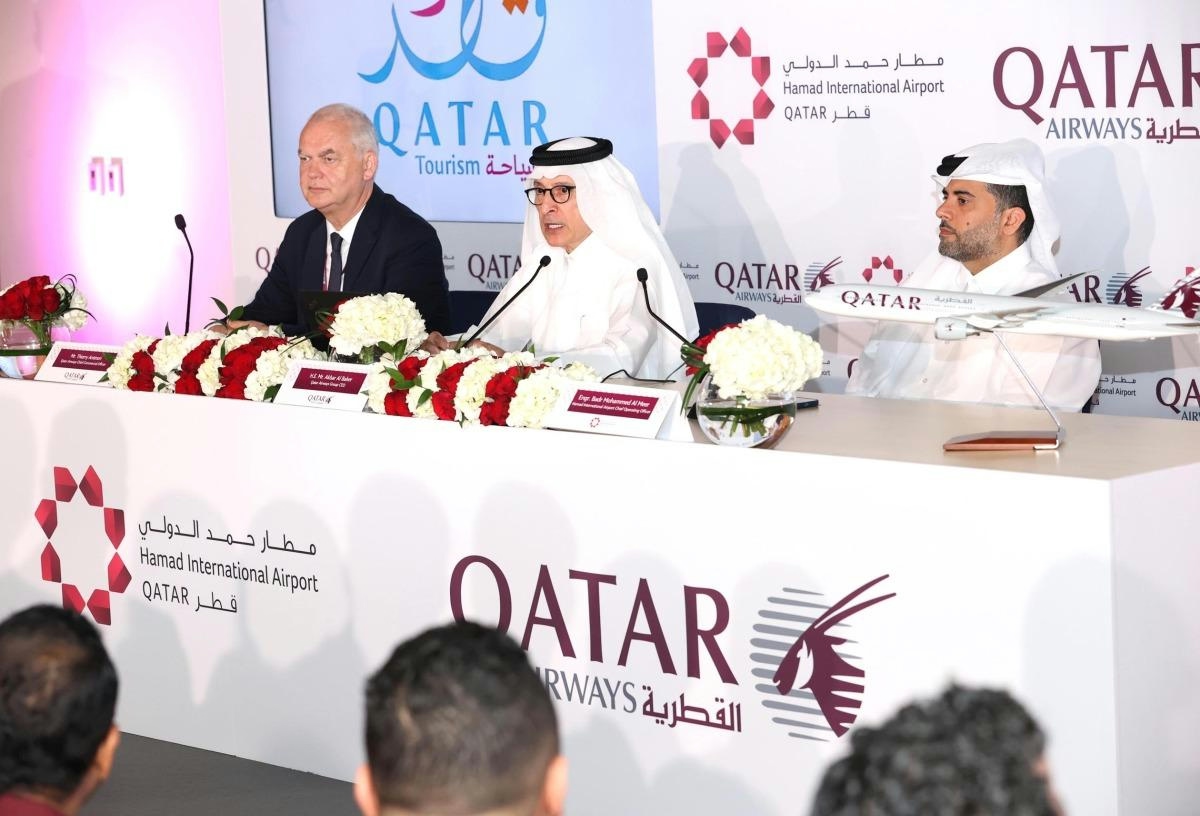
Qatar Airways Highlights Innovation and Connectivity at Arabian Travel Market 2026
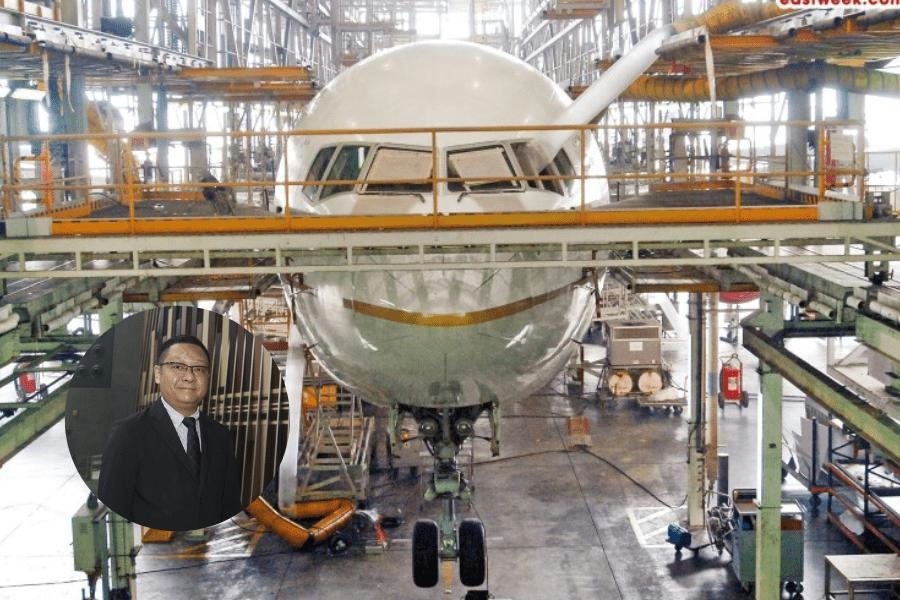
Hong Kong's Five-Year Plan Includes Andrew Fan's Aircraft Parts Processing Hub Proposal
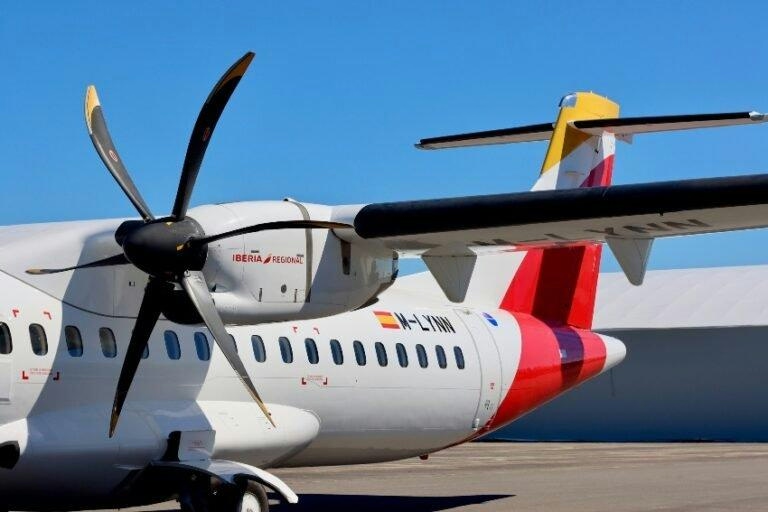
ACIA Aero Leasing Delivers ATR72-600 to Air Nostrum
RTX Appoints Jill Albertelli as Head of Pratt & Whitney
TAT Technologies Joins Beyond Aero Hydrogen Aircraft Program
AURAK Study Highlights Barriers to Air Taxi Adoption in Emerging Economies
Xiamen Air Selects Altitude for 787 Maintenance at Heathrow
Etihad and Swissport Extend Global Partnership
