
Orchestrate AI insights into action

Trending
Categories
New Pilot Training Center to Open in Mumbai
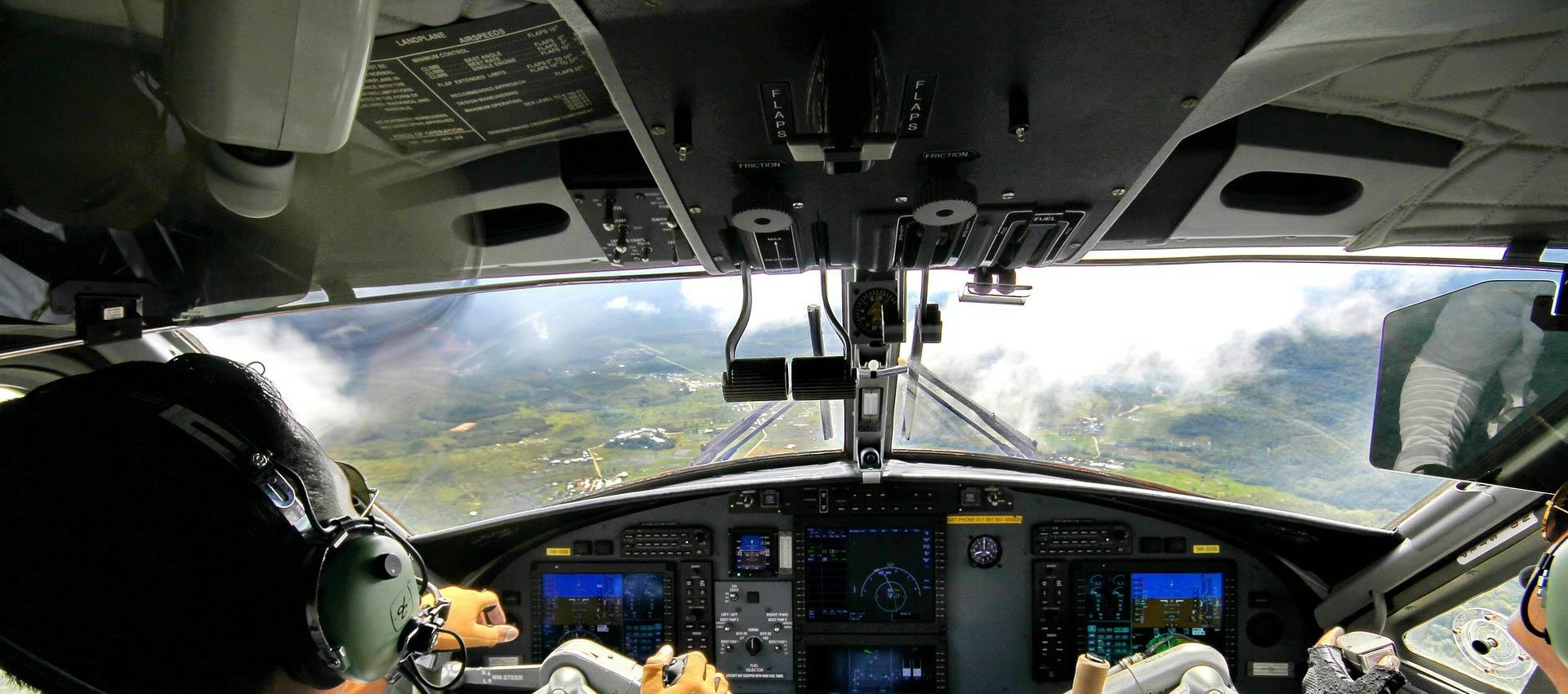
New Pilot Training Center to Open in Mumbai Amid Growing Industry Demand
CAE Simulation Training Private Limited (CSTPL), a joint venture between InterGlobe Enterprises and CAE, has announced the establishment of a new pilot training center in Mumbai. The 44,000-square-foot facility is scheduled to commence operations in the first quarter of 2026. Initially equipped with two Airbus A320 full-flight simulators (FFS), the center is designed with the capacity to expand to six simulators in response to increasing demand.
Addressing India’s Pilot Shortage and Expanding Training Infrastructure
India’s aviation sector is experiencing rapid growth, positioning the country as one of the fastest-growing aviation markets globally. Industry forecasts indicate a need for up to 20,000 new pilots over the next decade, underscoring the urgency for enhanced training infrastructure. The Mumbai center will complement CSTPL’s existing facilities in Greater Noida, Gurugram, and Bengaluru, which collectively house 23 full-flight simulators. By establishing a presence in Mumbai, CSTPL aims to extend its reach across key aviation hubs, ensuring pilot training remains accessible in regions with the highest demand.
The new facility will provide a comprehensive suite of training programs tailored for pilots operating Airbus, ATR, and Boeing aircraft. These programs will include type ratings, recurrent training, and proficiency checks, all conducted in accordance with the Directorate General of Civil Aviation (DGCA) standards. The training offerings are designed to support both novice pilots entering the profession and experienced aviators maintaining their qualifications.
Navigating Industry Challenges and Competitive Pressures
While the launch of the Mumbai center represents a significant expansion, CSTPL faces several challenges. Maintaining rigorous training quality to meet regulatory requirements and market expectations will be paramount. The center will enter a competitive landscape that includes established providers such as FlightSafety International, likely prompting intensified marketing efforts and curriculum enhancements across the sector. Additionally, attracting and retaining qualified instructors remains a critical concern amid a persistent global pilot shortage, despite rising salaries and ongoing staffing pressures within the aviation industry.
The introduction of the Mumbai facility is expected to draw increased scrutiny from aviation regulatory bodies to ensure compliance with safety and training protocols. This competitive environment may also stimulate innovation and improvements in training methodologies as providers strive to capture market share.
According to CAE’s 2025 Aviation Talent Forecast, the Asia Pacific region will require 98,000 new pilots by 2034, highlighting the necessity for sustained investment in pilot training capacity. CSTPL’s Mumbai center is strategically positioned to contribute significantly to meeting this demand by delivering high-quality, locally accessible training for Indian and regional carriers.
This initiative reflects the strategic commitment of InterGlobe Enterprises and CAE to strengthening India’s aviation training ecosystem. The Mumbai center is anticipated to enhance operational efficiency for airlines and provide a foundation for long-term skills development, even as the sector contends with the evolving challenges of the global aviation landscape.

Etihad Airways Suspends Airbus A380 Flights on Key Route

Aditya Birla Group Seeks Approval for Aircraft Leasing in GIFT City

Qatar Airways Highlights Innovation and Connectivity at Arabian Travel Market 2026

Hong Kong's Five-Year Plan Includes Andrew Fan's Aircraft Parts Processing Hub Proposal

ACIA Aero Leasing Delivers ATR72-600 to Air Nostrum

RTX Appoints Jill Albertelli as Head of Pratt & Whitney

TAT Technologies Joins Beyond Aero Hydrogen Aircraft Program

AURAK Study Highlights Barriers to Air Taxi Adoption in Emerging Economies

Xiamen Air Selects Altitude for 787 Maintenance at Heathrow

Etihad and Swissport Extend Global Partnership
