
Orchestrate AI insights into action

Trending
Categories
Pilotless Two-Seater Flying Taxis Begin Operations in China and Dubai, but Urban Commutes Remain Elusive
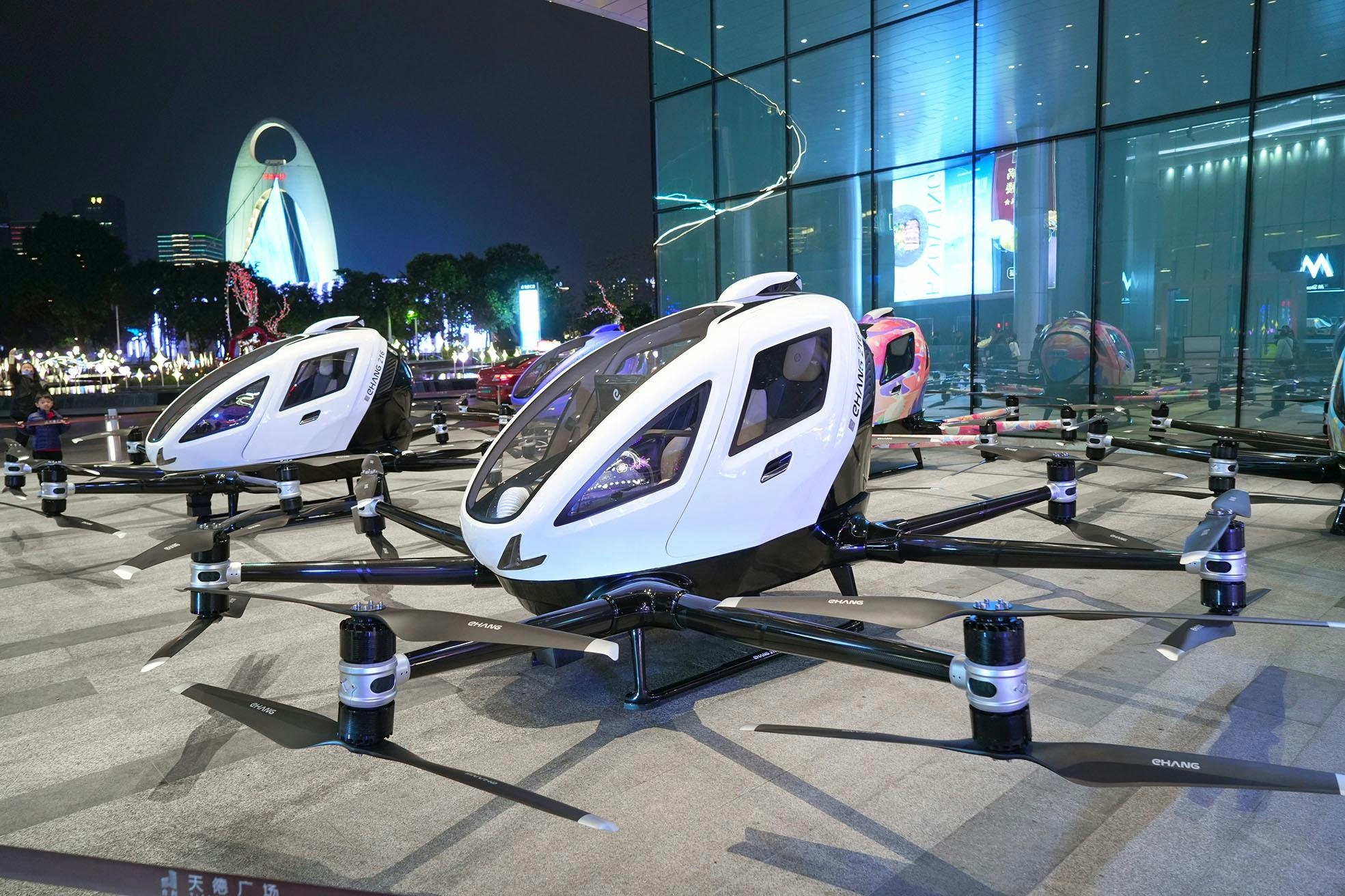
Pilotless Two-Seater Flying Taxis Begin Operations in China and Dubai
The advent of flying taxis has taken a significant step forward with the launch of pilotless two-seater eVTOL (electric vertical takeoff and landing) aircraft in China and Dubai. However, these services currently operate under stringent limitations, confined to short, controlled demonstration flights rather than full-scale urban commutes.
In March, EHang introduced its EH216-S flying taxi to the public in China, offering rides priced at approximately $41 (299 yuan) for a single passenger on a brief circular route. This milestone followed nearly a year of close collaboration with the Civil Aviation Administration of China (CAAC), which in March 2025 granted the world’s first air operator certificates for pilotless passenger aircraft. EHang cited delays caused by the need for extensive ground crew training, certification processes, and ongoing trial flights at its two certified locations: EHang Future City in Guangzhou and Luogang Central Park in Hefei.
The EH216-S is a fully autonomous, two-seat electric aircraft featuring sixteen propellers mounted on eight arms, with no manual controls inside the cabin. Flight operations are remotely managed through a 5G command link. The aircraft offers a maximum range of 30 kilometres, up to 25 minutes of flight time, and a top speed of 130 km/h. It is priced at around $330,000. Despite these capabilities, current certification restricts flights to a single passenger, limited to hovering and circling within a designated area before returning to the departure pad. Point-to-point urban routing remains unavailable at this stage.
EHang executives have acknowledged that broader air taxi services are still three to five years away, a timeline supported by industry analysts. More than a year after certification, the service remains confined to demonstration loops, highlighting the significant technical and regulatory challenges that must be overcome.
Dubai’s Infrastructure and Ambitions for Urban Air Mobility
Dubai is pursuing a complementary but distinct approach to developing flying taxi services. On July 6, the UAE’s General Civil Aviation Authority and Skyports Infrastructure announced the certification of VDX, a purpose-built vertiport located adjacent to Dubai International Airport. This four-storey, 3,100-square-metre facility includes two takeoff and landing pads, fast charging stations, and is designed to handle up to 170,000 passengers annually. Crown Prince Sheikh Hamdan bin Mohammed bin Rashid Al Maktoum has mandated that public service commence before the end of the year.
Dubai’s ambitions extend beyond sightseeing flights. In November 2025, Joby Aviation completed the UAE’s first crewed point-to-point air taxi flight, covering a 17-minute journey from its Margham test site to Al Maktoum International Airport. However, further flight validation has been temporarily suspended due to regional instability, although plans for commercial service remain intact. Skyports anticipates initial test flights into the VDX vertiport this autumn.
Despite these advances, significant obstacles remain. Battery technology limitations, sensitivity to weather conditions, maintenance requirements, and the complexities of integrating flying taxis into congested urban airspace continue to challenge the sector. While rapid technological progress and increasing urban congestion drive market interest, competitive responses are still emerging as the industry evolves. The recent introduction of XPeng’s X2 flying car in Dubai underscores the intensifying competition in the eVTOL market.
For now, progress in urban air mobility is incremental. China’s cautious strategy of certifying limited aircraft for restricted operations aims to gradually expand capabilities as technology and regulatory frameworks mature. Although the promise of flying taxis is drawing nearer, true point-to-point urban commutes remain beyond immediate reach.

Etihad Deploys Widebody Fleet to Meet Strong Demand

Korean Air Finalizes $36.2 Billion Deal with Boeing
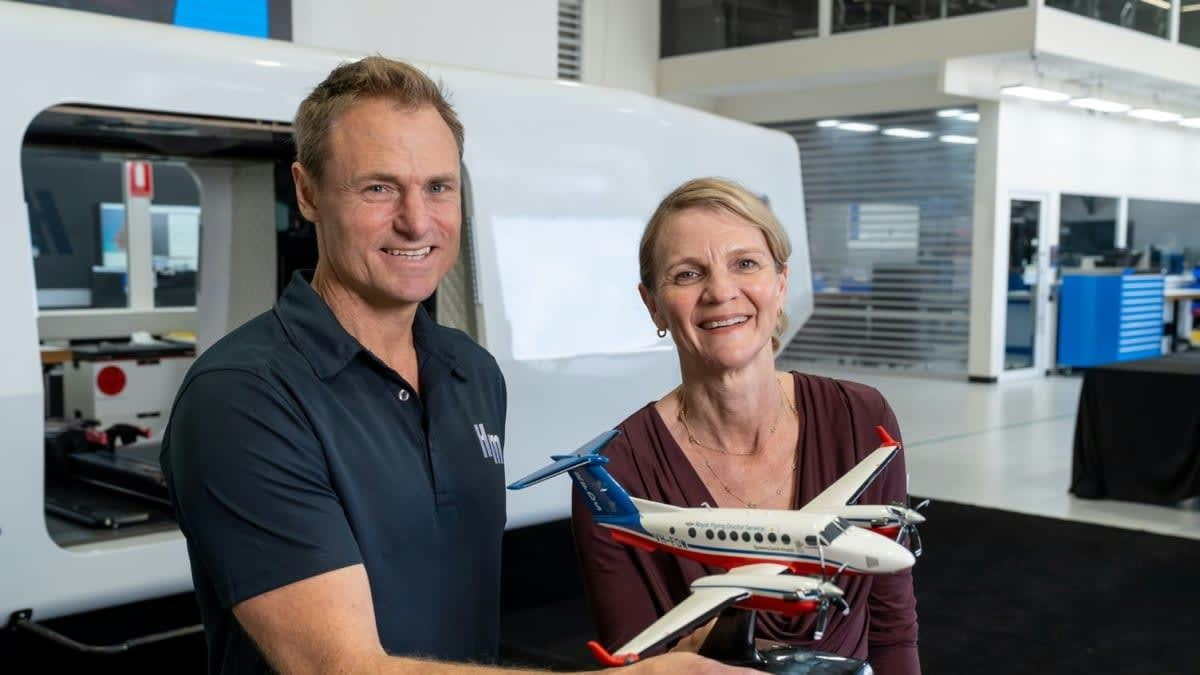
Australia’s RFDS Queensland Section Orders Six King Air 260Cs
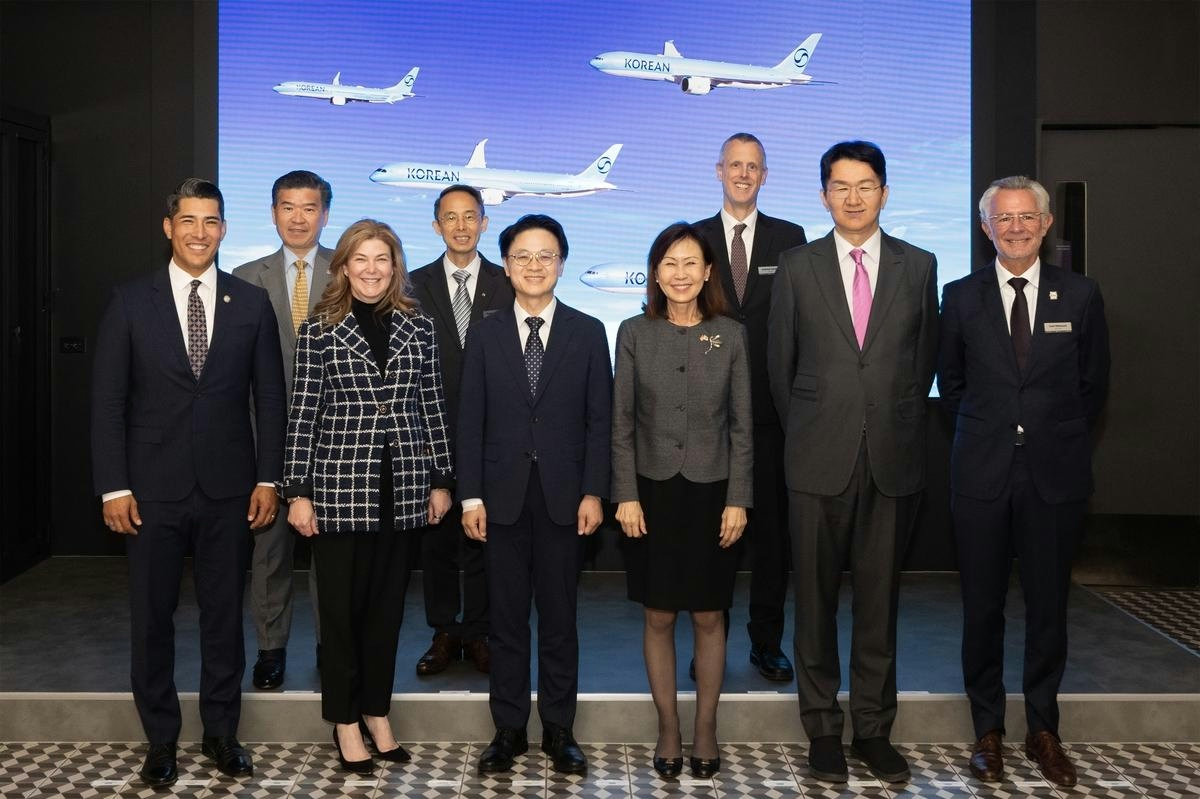
Korean Air Finalizes Order for 103 Boeing Jets and Engines
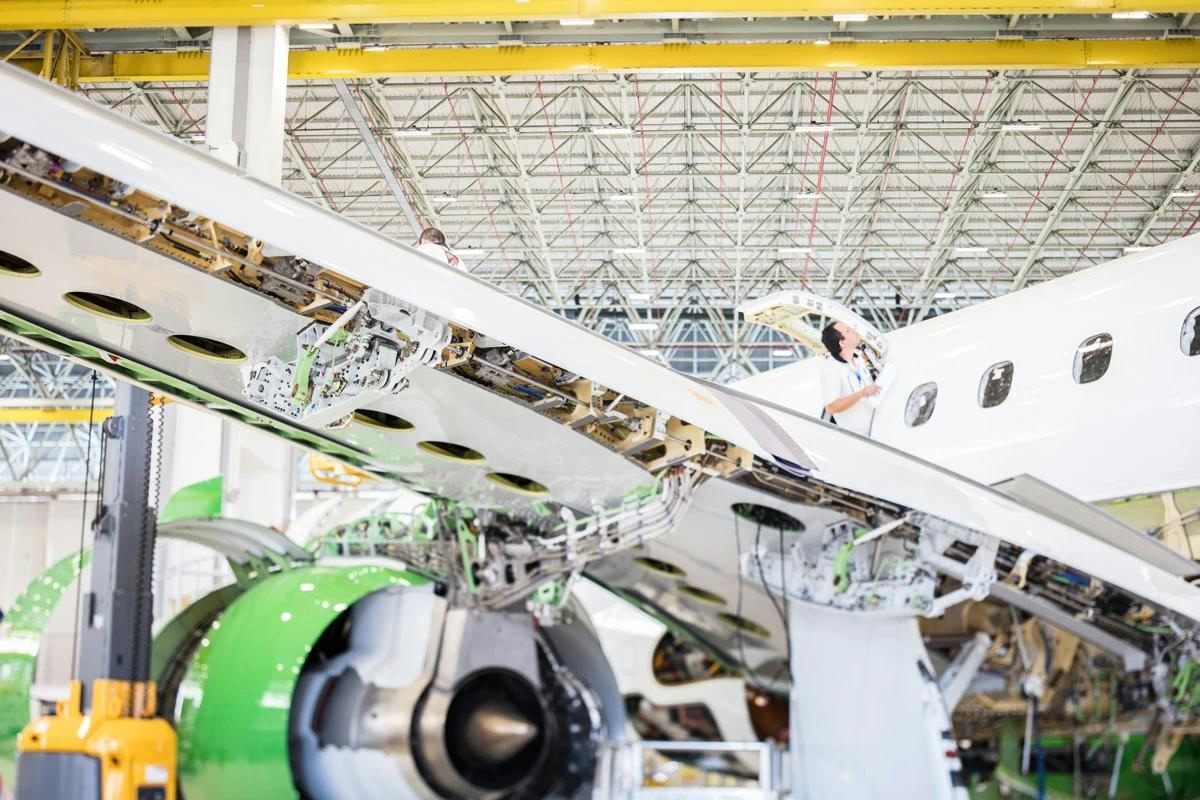
Embraer E195-E2 Features Distinctive Engine Placement Among Regional Jets
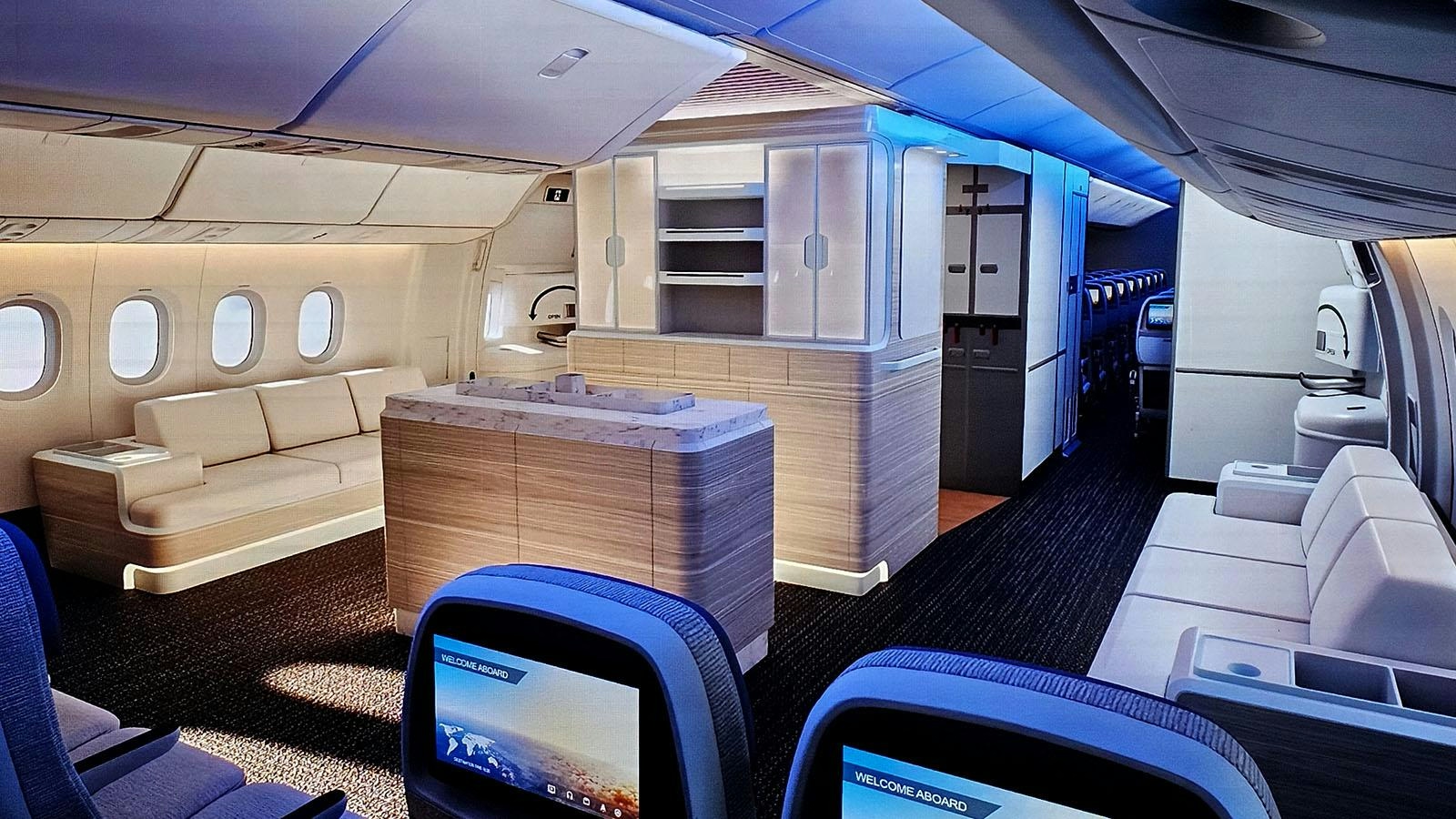
What Passengers Can Expect on Boeing’s New 777X Jet

How Ethiopian Airlines Became Africa’s Leading Carrier Amid Gulf Competition
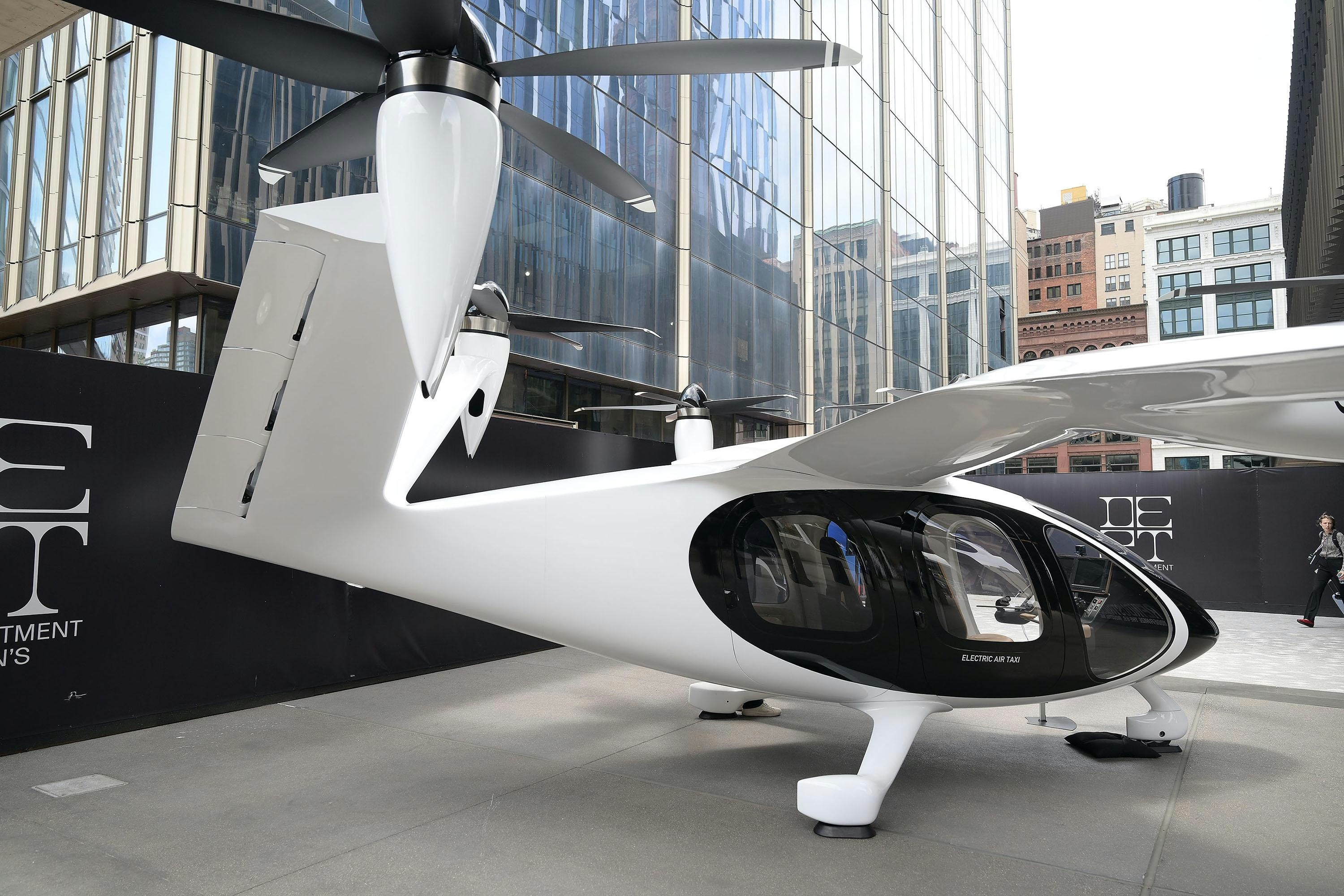
Joby Aviation Extends Autonomous Flight Capabilities with Cross-Country Tour
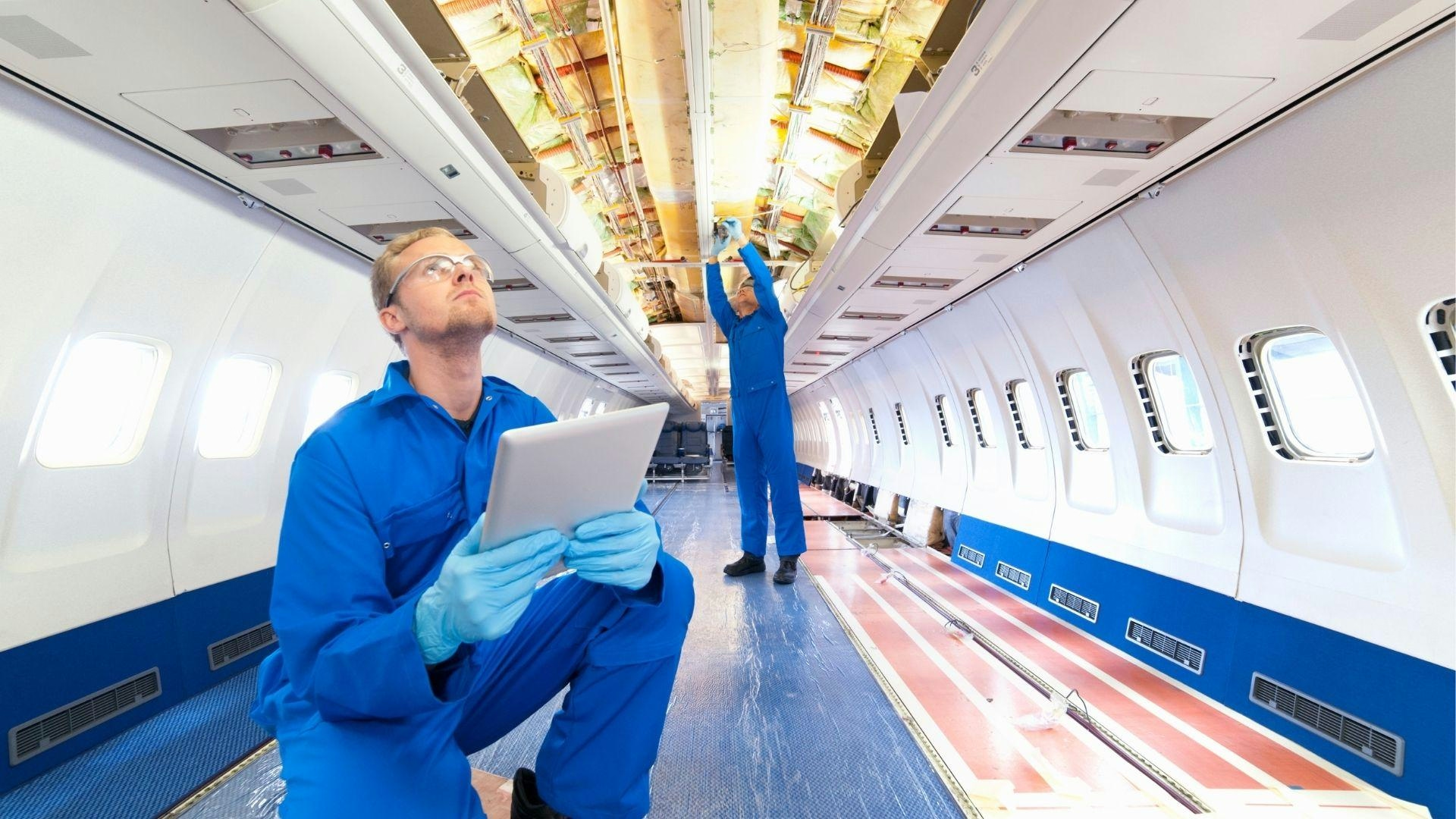
Strengthening Europe's Aviation Supply Chain Amid Uncertainty
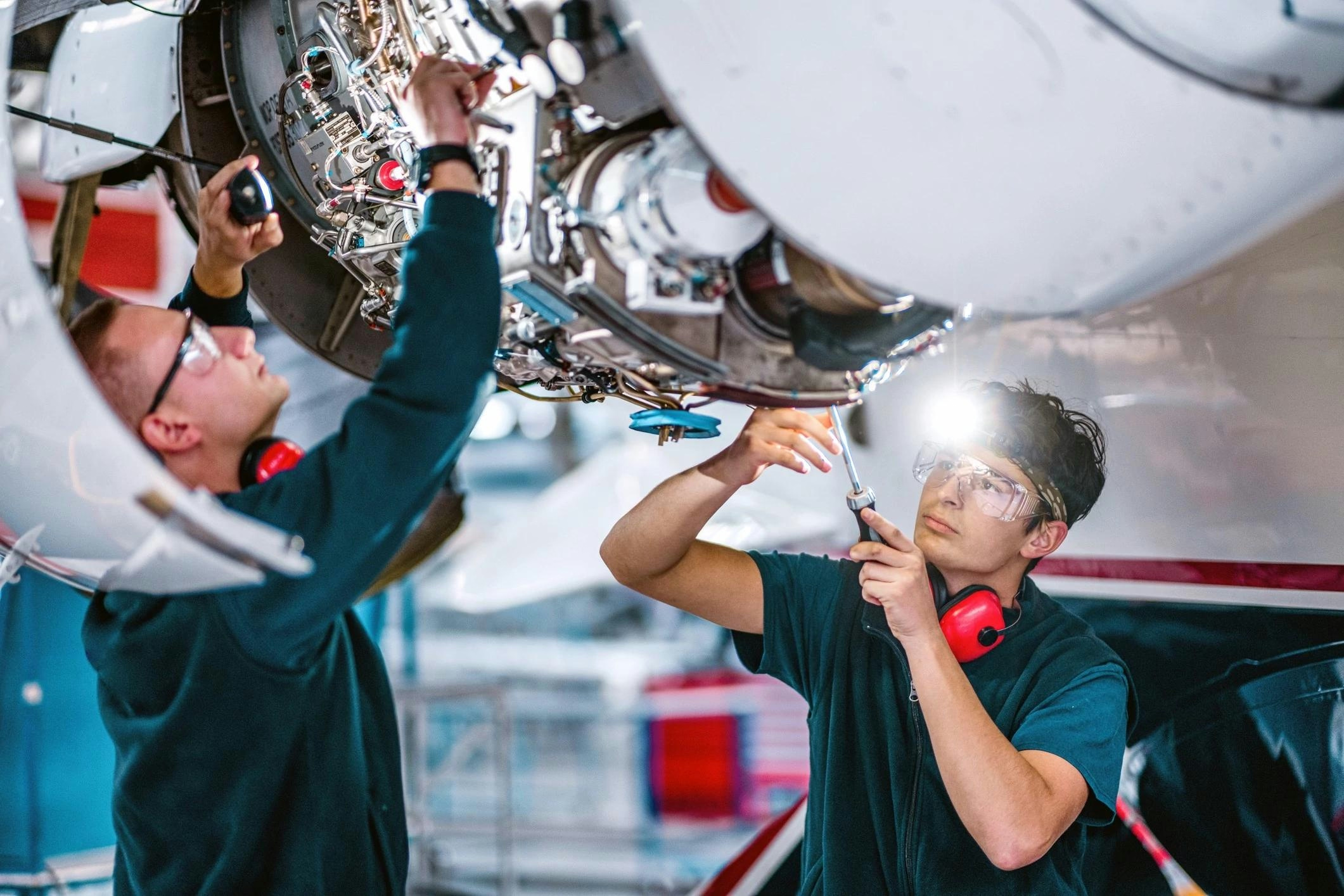
The Evolution of the Aircraft Maintenance Engineer Role
