
Orchestrate AI insights into action

Trending
Categories
Preliminary Probe of Air India Phuket Flight Confirms Hydraulic Pressure Loss, Recommends Action on Pilot Drug Use
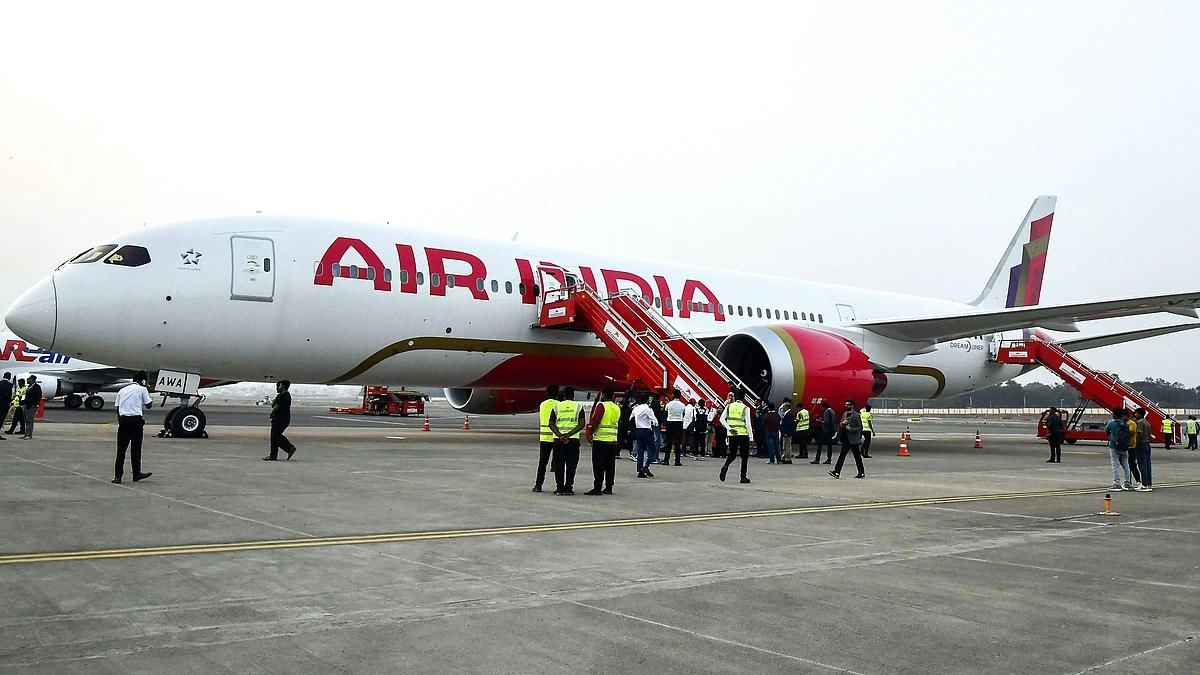
Preliminary Probe Confirms Hydraulic Failure on Air India Phuket Flight, Raises Concerns Over Pilot Drug Use
A preliminary investigation into the Air India flight from Phuket to Delhi last month has confirmed that the aircraft experienced a temporary loss of control due to failures in its hydraulic systems. The incident resulted in injuries to 24 passengers and crew members. The Aircraft Accident Investigation Bureau (AAIB) report further revealed that the 34-year-old captain tested positive for marijuana, raising significant concerns about pilot drug use and prompting urgent calls for regulatory intervention.
Incident Overview and Flight Response
Flight AI 2379, carrying 137 passengers, was cruising at 36,000 feet when the aircraft’s flight-control system detected a loss of pressure in the green hydraulic system. Within seconds, the blue and yellow hydraulic systems also lost pressure, causing the autopilot to disengage and triggering a stall warning. The aircraft experienced a sudden altitude upset, climbing 372 feet before descending 292 feet from its assigned flight level.
During the event, the co-pilot, who was initially flying the aircraft, responded to the situation before the pilot-in-command assumed control. With seat-belt signs off at the time, passengers and crew were thrown about the cabin, resulting in 24 individuals—20 passengers and four crew members—requiring medical attention upon landing in Delhi. While most sustained minor injuries and were discharged, four passengers with serious injuries were hospitalized. The cabin also suffered damage to ceiling panels, passenger-service units, overhead-bin doors, and other fixtures.
Despite the severity of the incident, the flight crew elected to continue to Delhi rather than divert. They requested medical priority clearance from air traffic control and landed safely at Indira Gandhi International Airport at 11:00 AM IST, taxiing to the parking bay under the aircraft’s own power. Weather conditions at the time were reported as clear, although forecasts had indicated possible thunderstorms later in the day. The aircraft was operating with an existing Minimum Equipment List (MEL) item related to its Power Transfer Unit, but no new technical discrepancies were noted prior to departure.
Pilot Drug Use and Regulatory Response
A critical finding of the AAIB’s preliminary report was the captain’s positive test for marijuana. Initial screening for psychoactive substances conducted after the incident was followed by confirmatory testing, which verified the presence of marijuana. The report described this as a “serious concern” and recommended that the aviation regulator take “appropriate actions on priority.”
In response to the findings, Air India has introduced a voluntary self-declaration process for psychoactive substance use among its employees. The Ministry of Civil Aviation has summoned Air India’s CEO to address the incident, which has also intensified scrutiny of the airline’s broader safety protocols and maintenance practices.
Ongoing Investigation and Safety Implications
The AAIB’s preliminary report has not yet determined the root cause of the hydraulic failure, and the investigation remains ongoing. Regulators and the airline face mounting pressure to enhance safety oversight and address the issues highlighted by this incident, particularly concerning pilot fitness and aircraft maintenance standards.

Etihad Airways Suspends Airbus A380 Flights on Key Route

Aditya Birla Group Seeks Approval for Aircraft Leasing in GIFT City

Qatar Airways Highlights Innovation and Connectivity at Arabian Travel Market 2026

Hong Kong's Five-Year Plan Includes Andrew Fan's Aircraft Parts Processing Hub Proposal

ACIA Aero Leasing Delivers ATR72-600 to Air Nostrum

RTX Appoints Jill Albertelli as Head of Pratt & Whitney

TAT Technologies Joins Beyond Aero Hydrogen Aircraft Program

AURAK Study Highlights Barriers to Air Taxi Adoption in Emerging Economies

Xiamen Air Selects Altitude for 787 Maintenance at Heathrow

Etihad and Swissport Extend Global Partnership
