
Orchestrate AI insights into action

Trending
Categories
Rolls-Royce Estimates Up to Seven Years for A350-2000 Engine Development
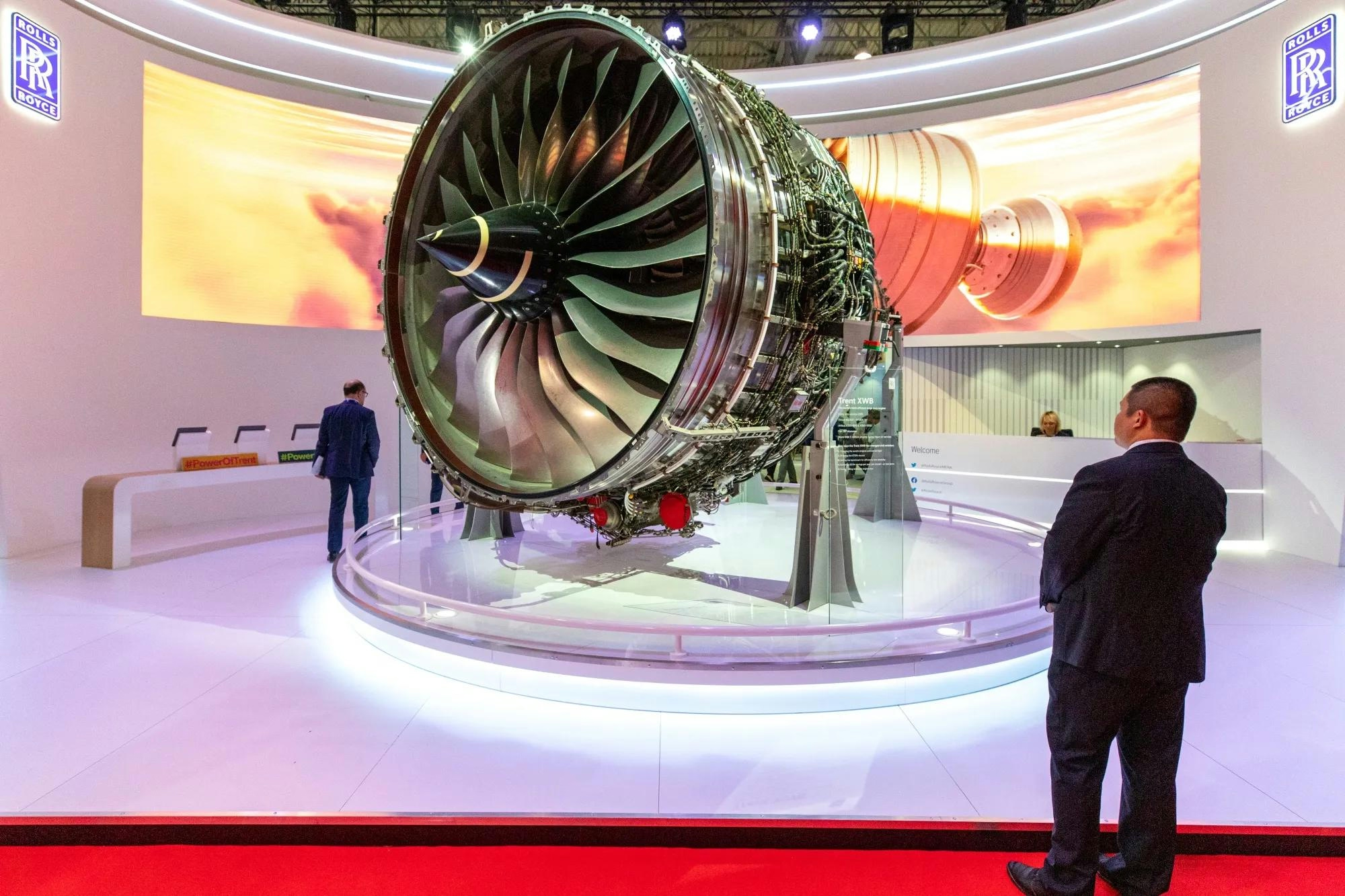
Rolls-Royce Projects Up to Seven Years for A350-2000 Engine Development
Airbus has recently revived industry speculation by engaging in renewed discussions about launching stretched variants of its A220 regional jet and A350 widebody airliner, coinciding with the conclusion of the Farnborough Airshow on July 24. While Airbus has informed Reuters that a decision on these new models is imminent, a significant obstacle remains: Rolls-Royce, the proposed engine supplier for the A350-2000, estimates that developing and certifying a new powerplant could take six to seven years.
Airbus’s Financial Outlook and Production Challenges
Despite a slow start to the year, Airbus shares experienced a notable surge on July 22 following the announcement of a share buyback program and an ambitious target to double profits by 2029. This renewed investor confidence is bolstering momentum for a new flagship twin-aisle aircraft designed to compete with Boeing’s upcoming 777X and to eventually replace the aging A380 superjumbo fleet over the next decade.
At the beginning of 2026, Airbus confronted significant challenges, including a 52% decline in core profit during the first quarter, which fell to approximately €300 million. CEO Guillaume Faury attributed much of this downturn to supply chain disruptions, particularly a shortage of Pratt & Whitney engines for the A320neo family. Airbus now expects these issues to be resolved by 2028, with plans to increase A350 production to 12 aircraft per month by that time.
Engine Development Timeline and Market Implications
The potential launch of a major new variant such as the A350-2000 is closely linked to Airbus’s improving financial health and the stabilization of its supply chain. As these pressures subside, the company appears ready to invest in new developments. However, the timeline for the A350-2000 remains protracted. Rolls-Royce CEO Tufan Erginbilgic has indicated that if Airbus approves the project in early 2027, the engine could be certified and operational by 2033 or 2034.
This extended development period presents several challenges. Rolls-Royce may need to secure subsidies from the UK government to support the new engine program, a factor underscored by Erginbilgic. The lengthy timeline has also raised concerns about Rolls-Royce’s ability to maintain competitiveness against rivals such as General Electric and Safran, both of which are advancing their own next-generation engine projects. In response, these competitors may accelerate their development schedules or enhance existing engine offerings to protect their market share.
To mitigate risks associated with the prolonged development, Rolls-Royce is focusing on improving the performance of its current engines, including the Trent XWB-84 EP variant. These incremental enhancements aim to sustain customer confidence and bridge the gap until the new engine becomes available.
Outlook for Airbus and the A350-2000 Program
Airbus is expected to take up to a year to reach a final decision on the A350-2000. Even with a prompt approval, the European manufacturer would still lag behind Boeing, whose 777X is anticipated to enter service next year. For Airbus to mount a credible challenge, the successful integration of Rolls-Royce’s UltraFan technology will be critical, highlighting the high stakes and complexity involved in the next phase of the program.

Etihad Deploys Widebody Fleet to Meet Strong Demand
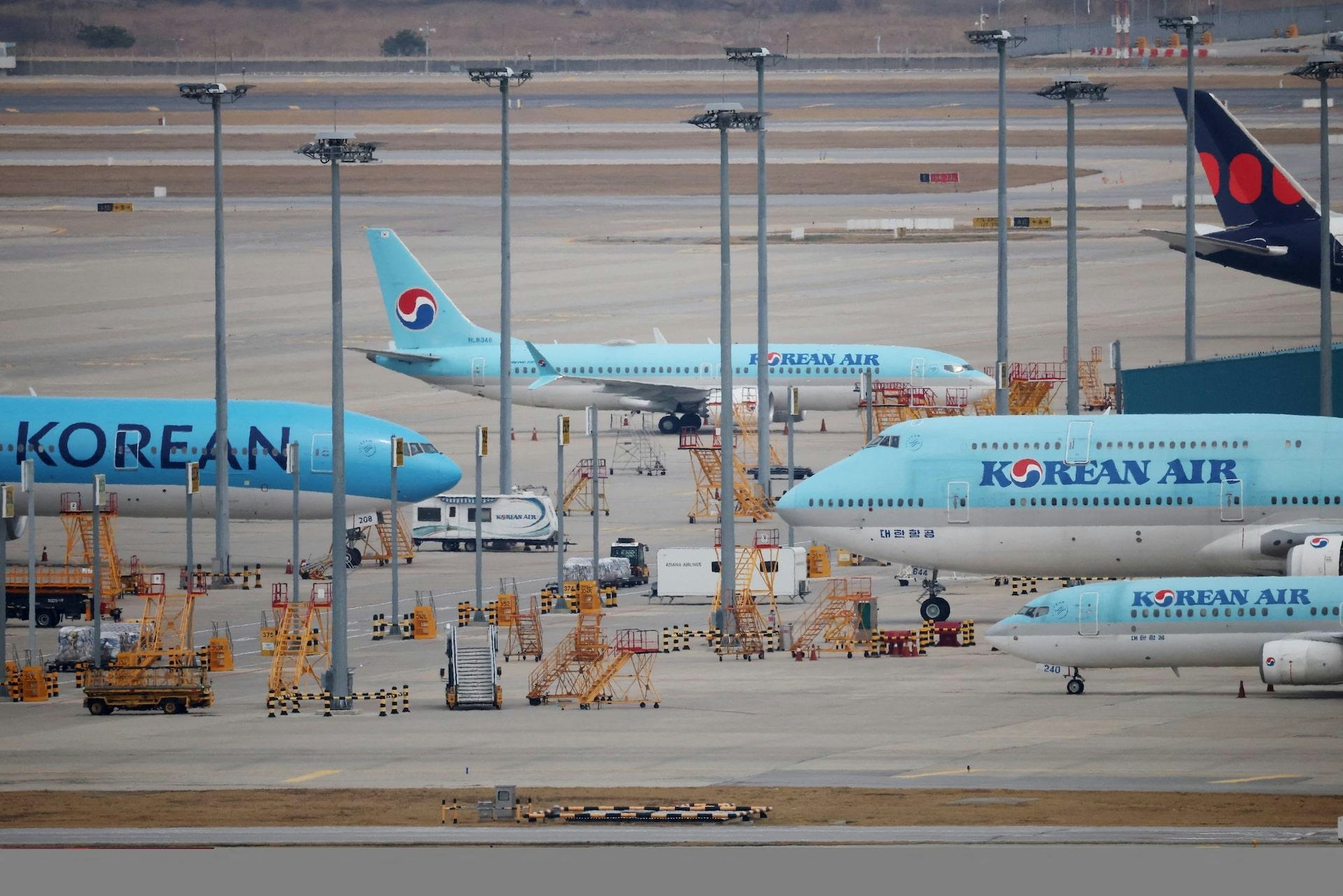
Korean Air Finalizes $36.2 Billion Deal with Boeing
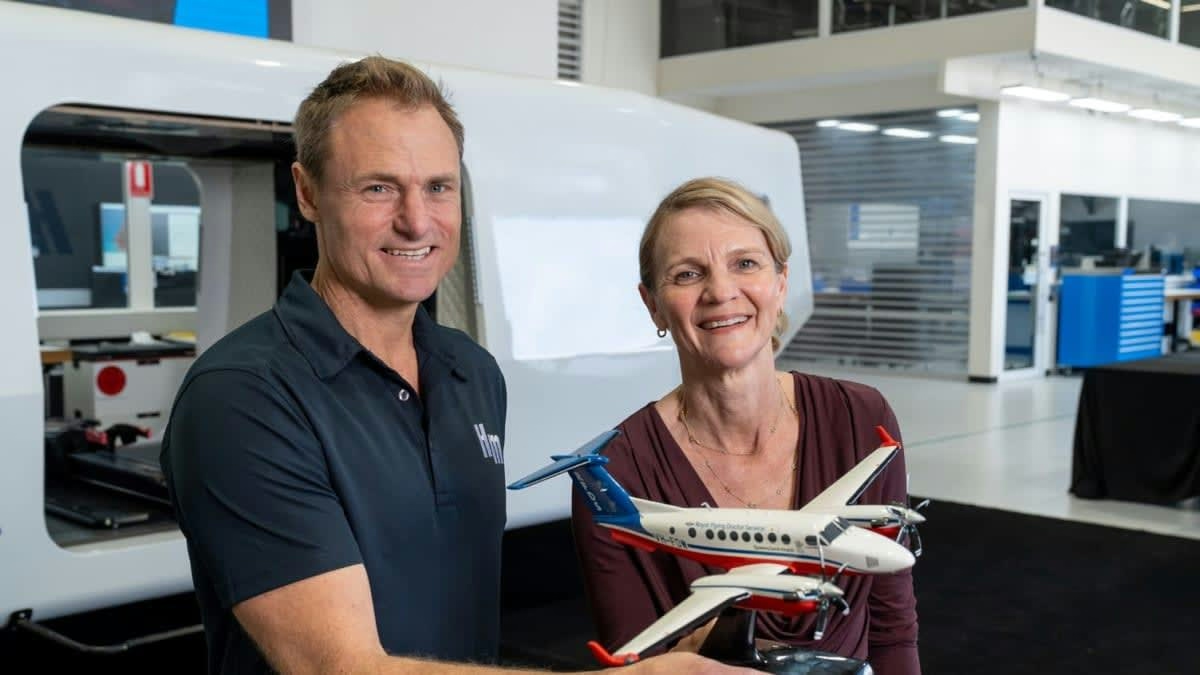
Australia’s RFDS Queensland Section Orders Six King Air 260Cs
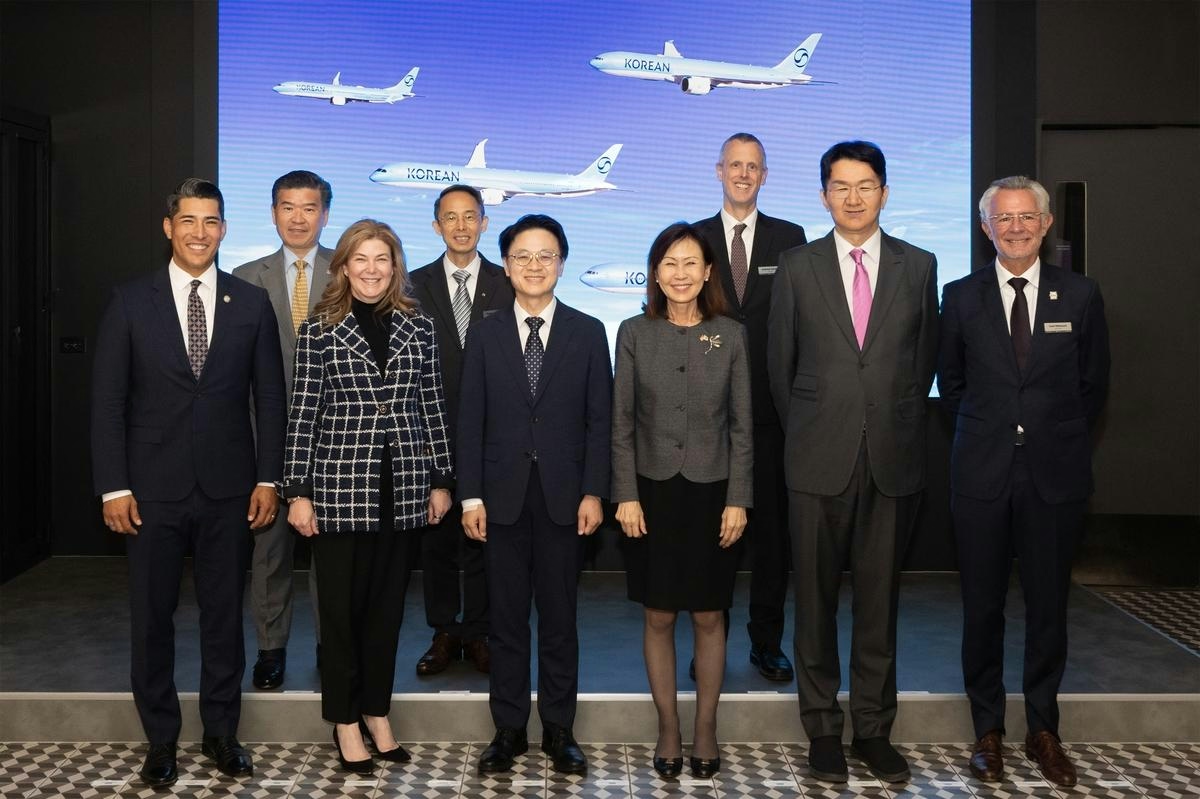
Korean Air Finalizes Order for 103 Boeing Jets and Engines
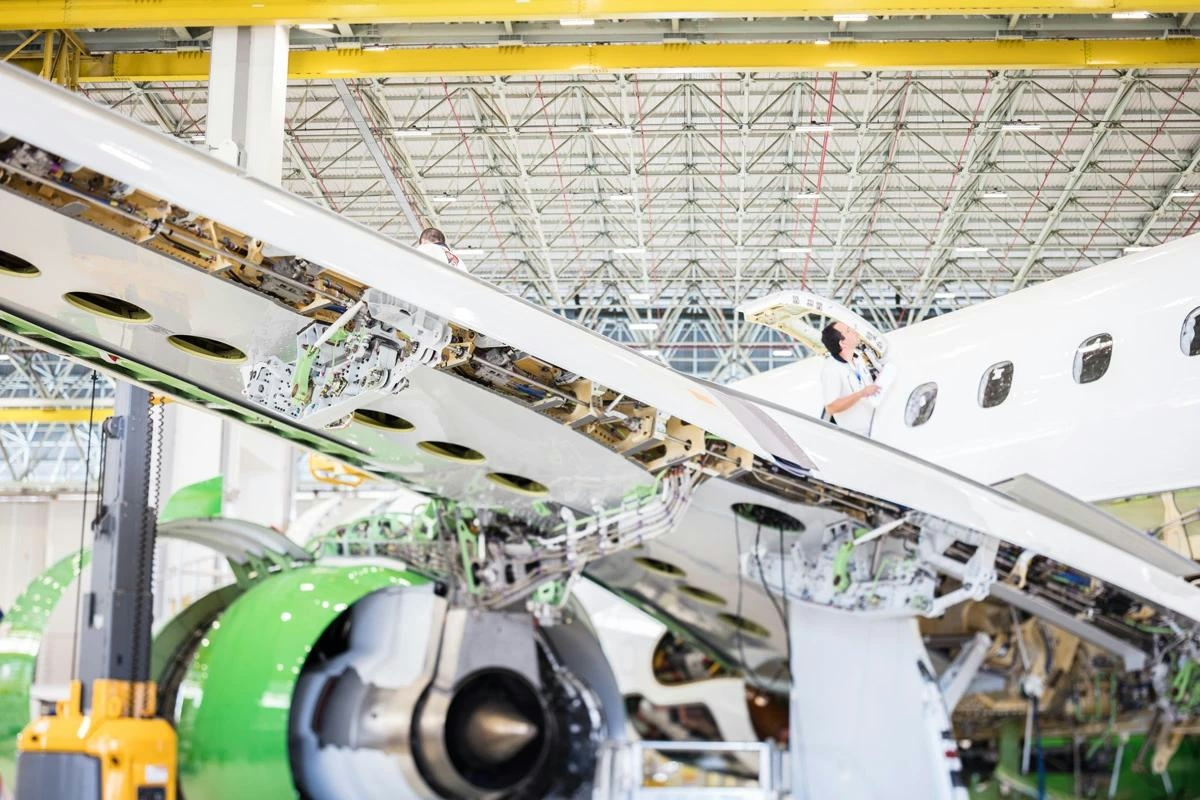
Embraer E195-E2 Features Distinctive Engine Placement Among Regional Jets
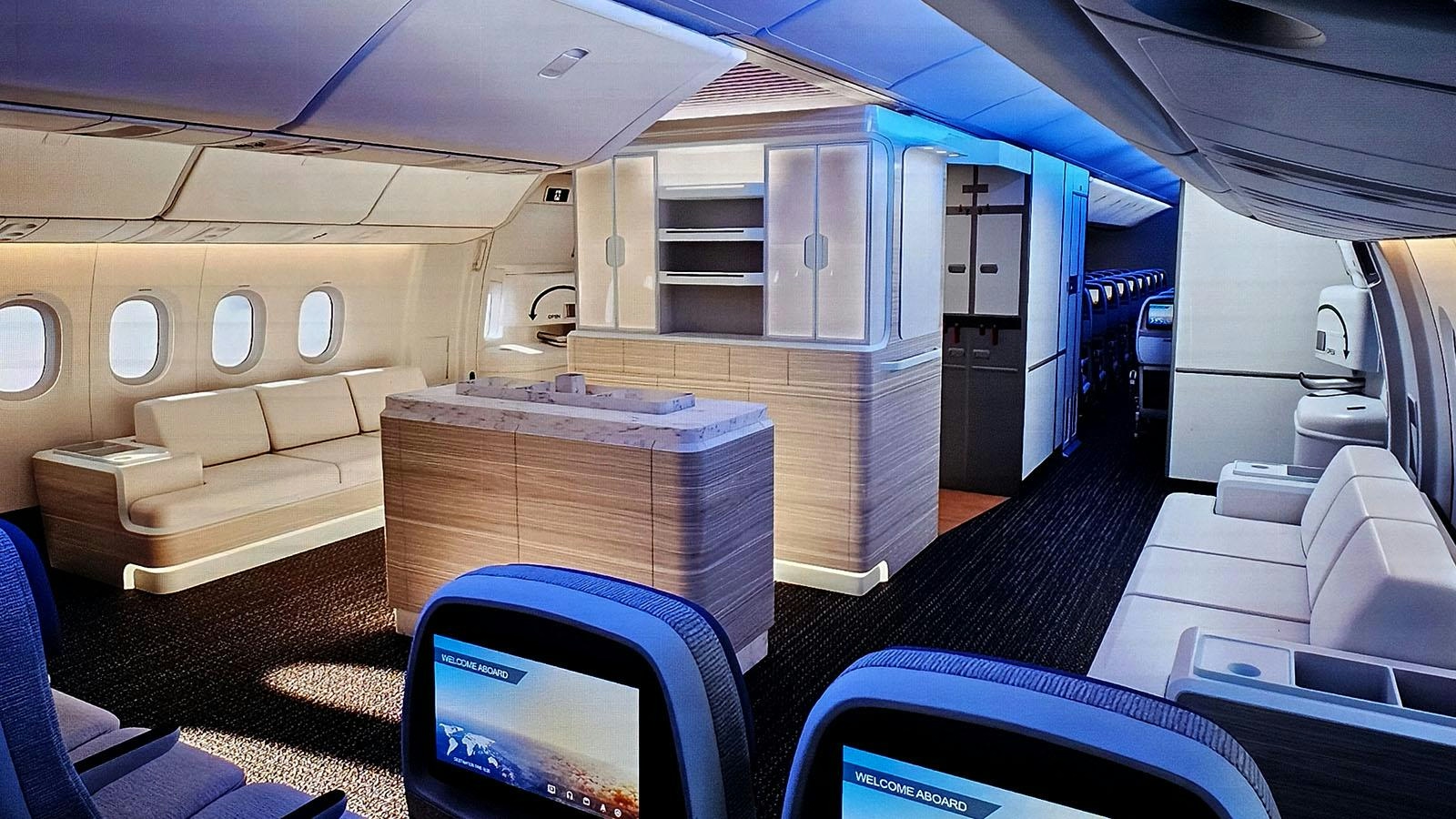
What Passengers Can Expect on Boeing’s New 777X Jet
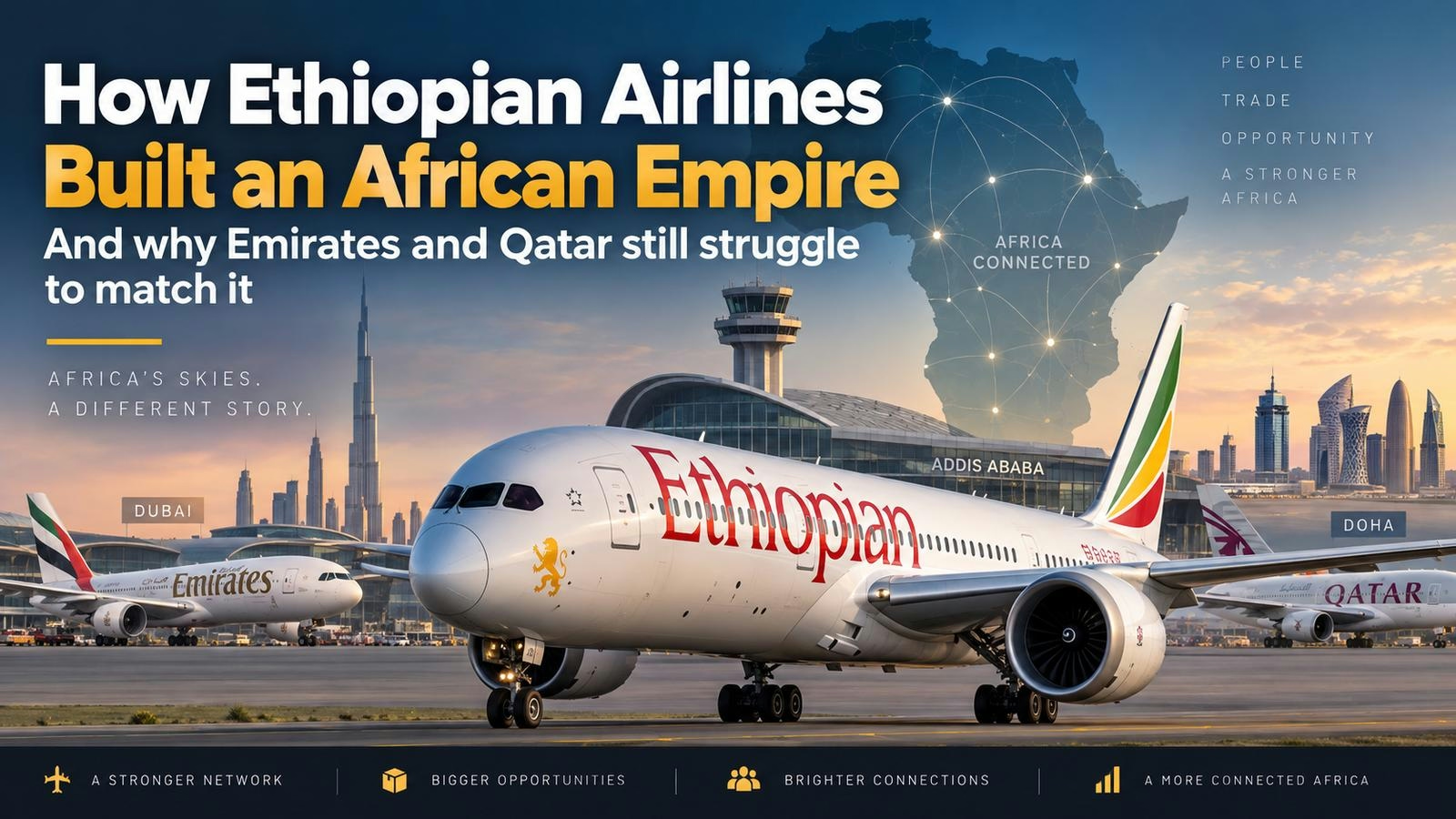
How Ethiopian Airlines Became Africa’s Leading Carrier Amid Gulf Competition
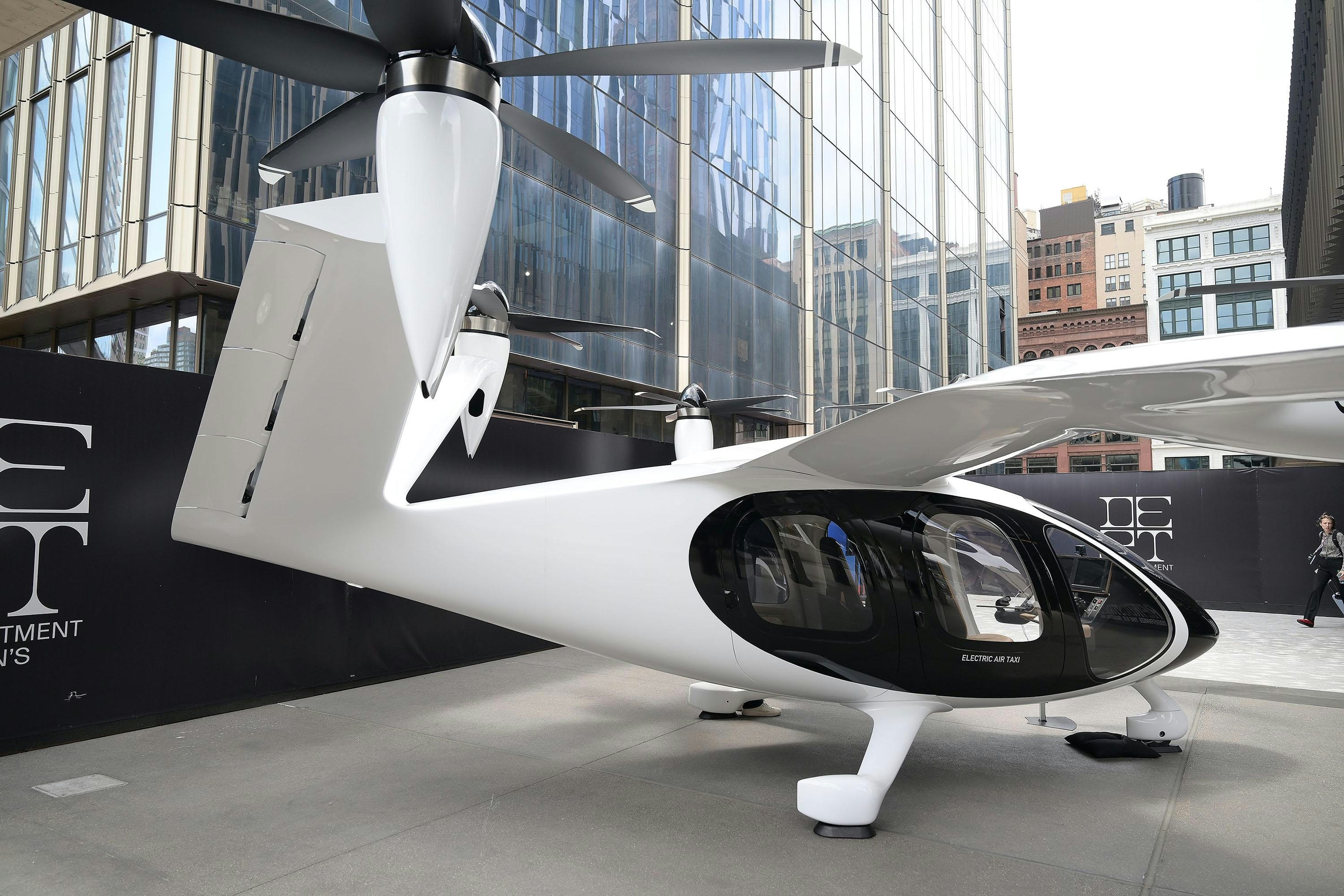
Joby Aviation Extends Autonomous Flight Capabilities with Cross-Country Tour
Strengthening Europe's Aviation Supply Chain Amid Uncertainty
The Evolution of the Aircraft Maintenance Engineer Role
