
Orchestrate AI insights into action

Trending
Categories
Russia Tests Unmanned SKY-TRUCK Helicopter in Extreme Heat and Sandstorms
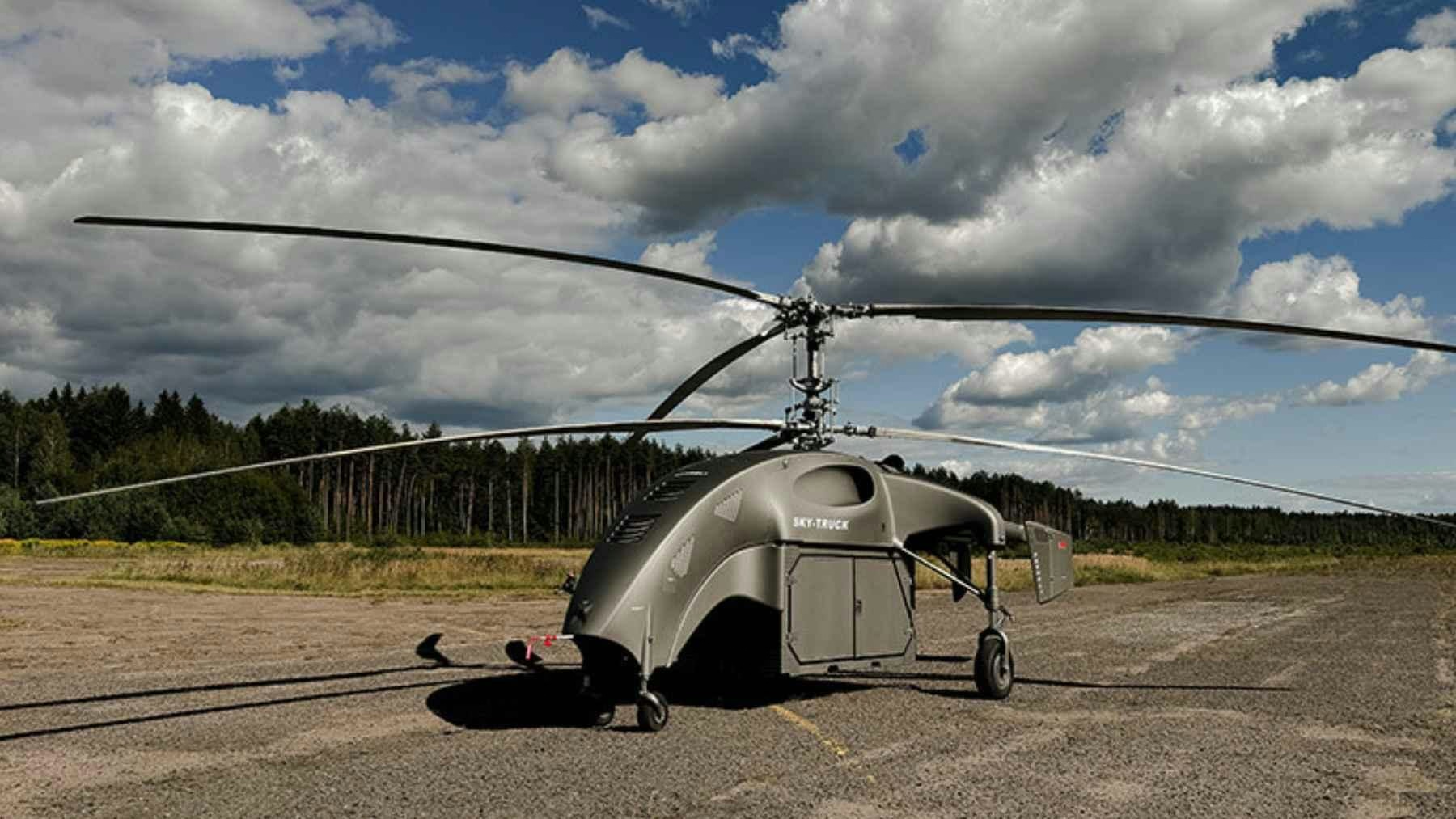
Russia Tests Unmanned SKY-TRUCK Helicopter in Extreme Heat and Sandstorms
Belarusian engineers are preparing the heavy SKY-TRUCK unmanned helicopter to face one of aviation’s most demanding challenges: operating reliably in desert heat and sandstorms. Developed by the Minsk-based design bureau “Unmanned Helicopters” under the UAVHELI brand, the SKY-TRUCK is scheduled for rigorous flight and ground testing this summer under conditions of high temperatures, sand, and dust storms. This specially adapted variant aims to demonstrate its durability and operational capability in some of the world’s harshest environments.
Unlike smaller package drones, the SKY-TRUCK is designed as a robust cargo aircraft intended for critical deliveries to offshore oil platforms, ships, and remote locations where delays in medical shipments or spare parts could have severe consequences. The forthcoming desert trials will focus on evaluating the helicopter’s heat-management systems, sealed electronics, power units, and resistance to dust contamination—factors essential to ensuring reliable operation beyond controlled environments.
Sand and dust present significant hazards to aviation hardware, potentially impairing sensors, engines, and flight systems simultaneously. The ability to withstand these elements is crucial for any unmanned aircraft intended for real-world logistics applications.
Technical Features and Operational Capabilities
The SKY-TRUCK employs a coaxial helicopter design, featuring dual main rotors arranged on the same axis, which eliminates the need for a traditional tail rotor. With a maximum takeoff weight of approximately 5,181 pounds, it can carry up to 1,323 pounds in an AIR BOX container mounted beneath the fuselage. Publicly available specifications indicate the drone can sustain flights of up to four hours, reach speeds of approximately 99 miles per hour, and cover distances nearing 298 miles.
Engineered to deliver urgent cargo such as medical supplies or technical components, the helicopter targets locations that are difficult to access by conventional means. For operators, this capability promises faster and more flexible logistics solutions for offshore vessels or remote facilities where operational downtime carries significant costs.
Addressing Global Operational Demands
UAVHELI underscores that the SKY-TRUCK must perform reliably across a broad spectrum of climates, including the diverse conditions found within Russia itself. However, ambitions for a wider international market necessitate that the aircraft withstand extreme cold, heat, humidity, salt fog, and dust. The desert testing phase is therefore a critical milestone, designed to validate the platform’s readiness for the unpredictable and demanding conditions where unmanned logistics aircraft are most needed.
Market and Strategic Significance
The introduction of the SKY-TRUCK coincides with growing global interest in unmanned cargo systems, which promise faster deliveries and reduced transportation costs. Market attention is likely to focus not only on the technological advancements embodied by the platform but also on its potential military applications, given the strategic importance of reliable unmanned logistics in contested or remote regions.
Competitors in the unmanned aerial vehicle sector may respond by accelerating investments in similar technologies to match or surpass Russia’s progress. The success of the SKY-TRUCK in extreme environments could establish a new benchmark for unmanned cargo aviation, influencing both commercial and defense markets worldwide.

Etihad Deploys Widebody Fleet to Meet Strong Demand
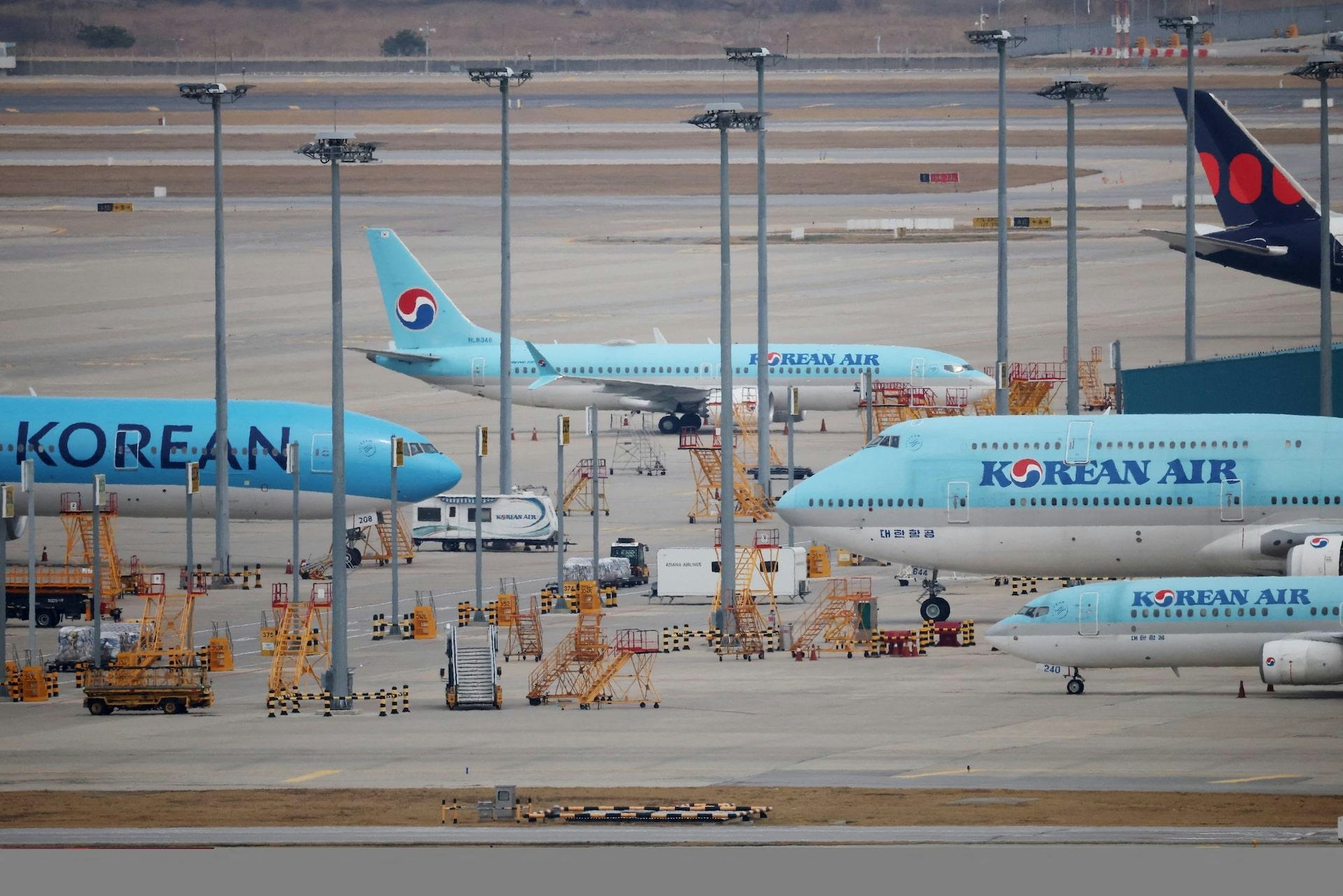
Korean Air Finalizes $36.2 Billion Deal with Boeing
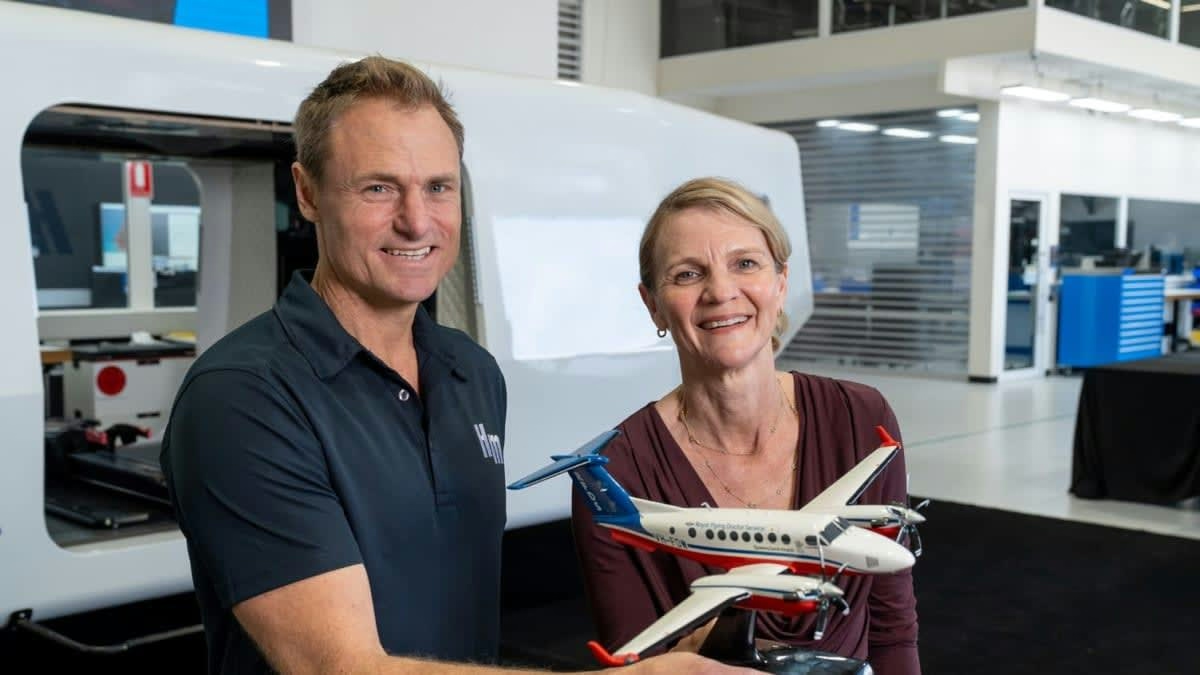
Australia’s RFDS Queensland Section Orders Six King Air 260Cs

Korean Air Finalizes Order for 103 Boeing Jets and Engines
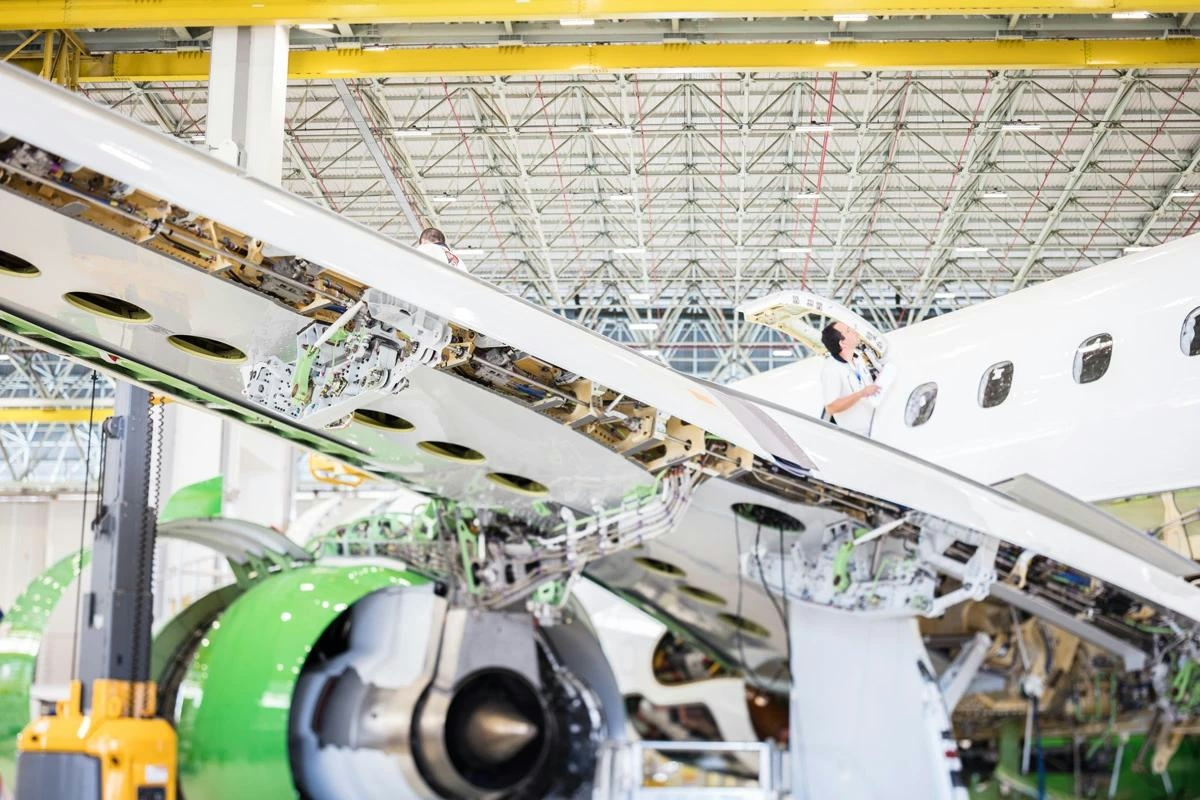
Embraer E195-E2 Features Distinctive Engine Placement Among Regional Jets

What Passengers Can Expect on Boeing’s New 777X Jet

How Ethiopian Airlines Became Africa’s Leading Carrier Amid Gulf Competition
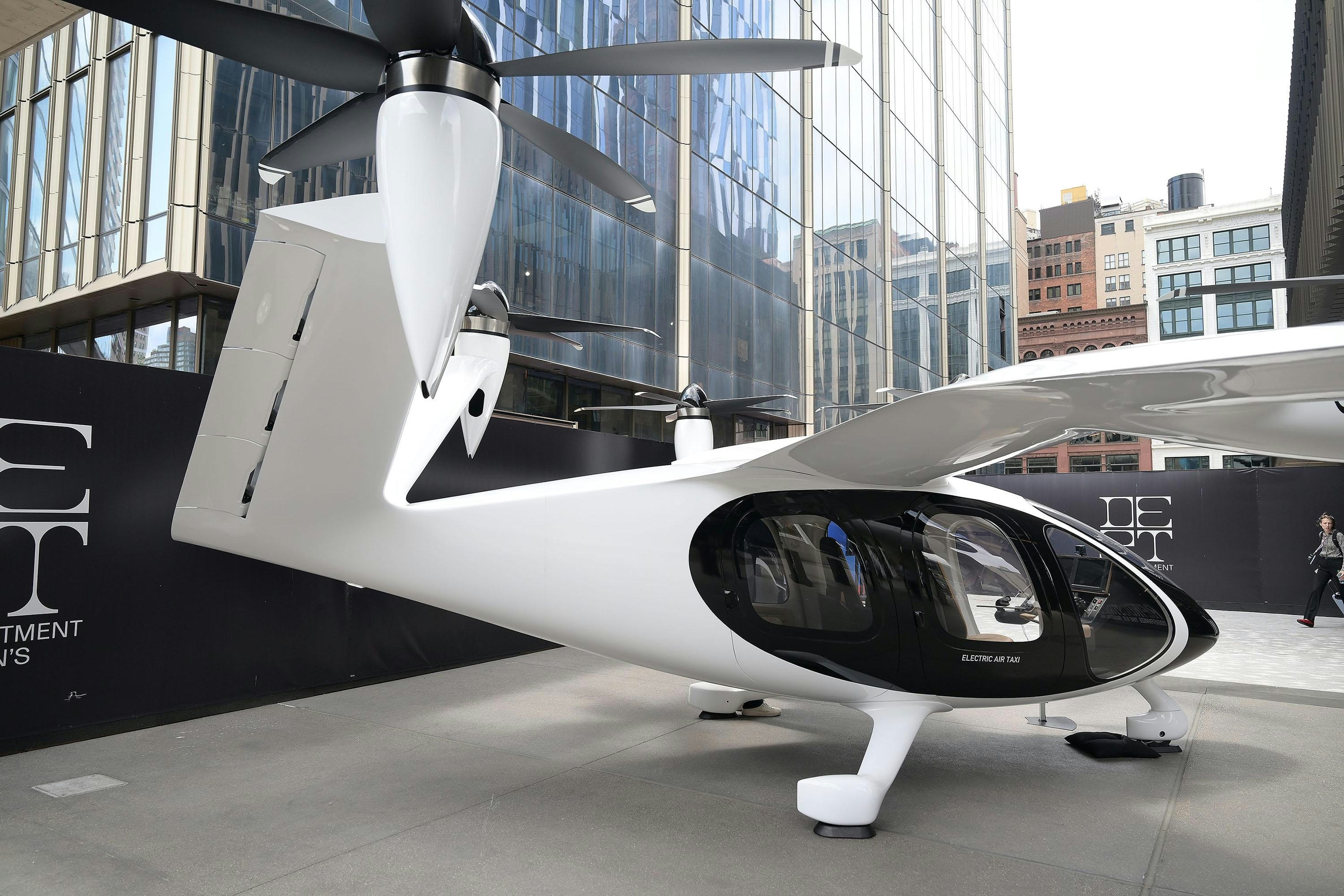
Joby Aviation Extends Autonomous Flight Capabilities with Cross-Country Tour
Strengthening Europe's Aviation Supply Chain Amid Uncertainty
The Evolution of the Aircraft Maintenance Engineer Role
