
Orchestrate AI insights into action

Trending
Categories
Singapore Airlines’ 11 Longest Nonstop Boeing 737 MAX Flights
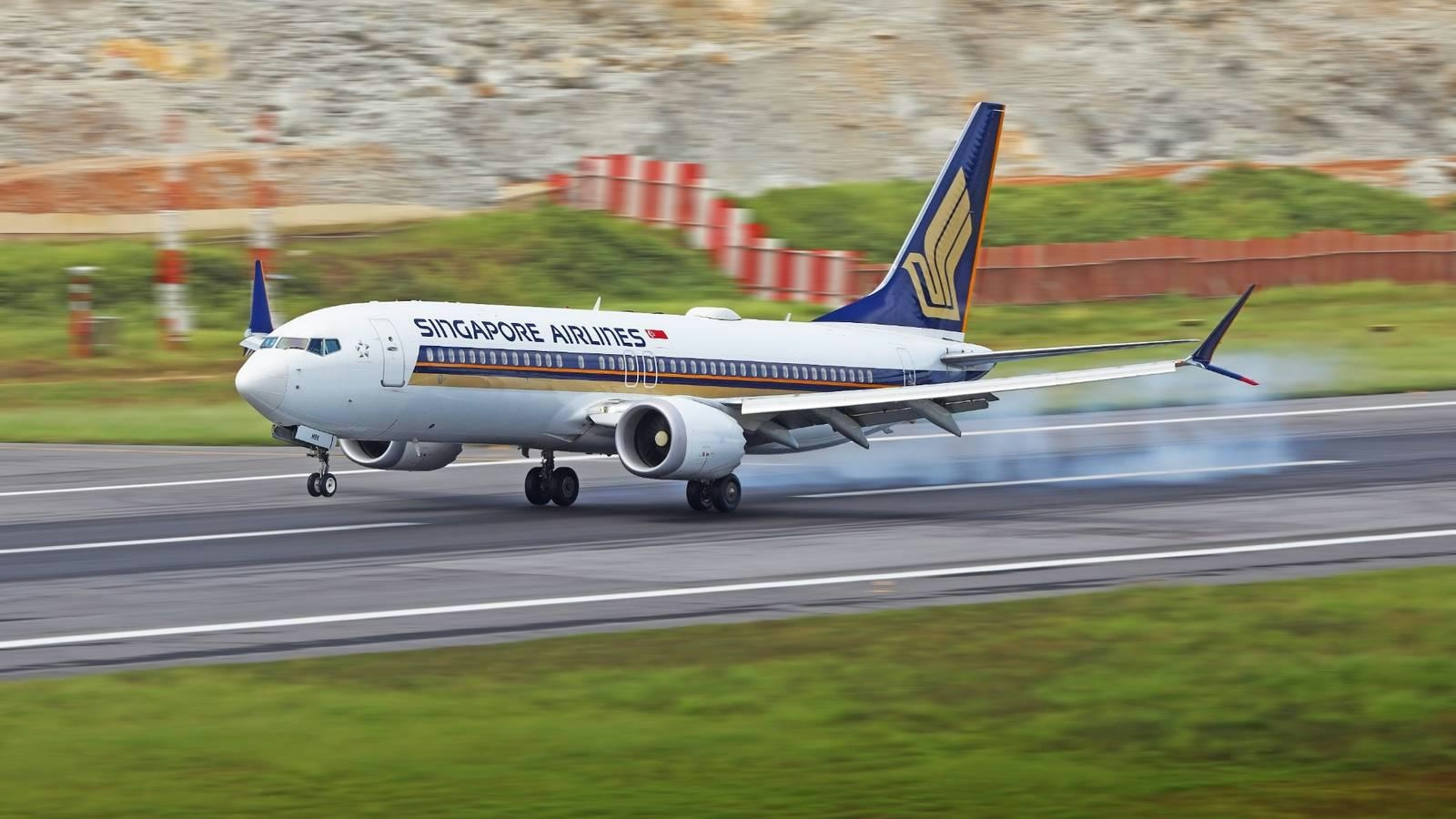
Singapore Airlines’ Longest Nonstop Boeing 737 MAX Flights
The Boeing 737 MAX, the latest iteration of one of the world’s most widely used short-haul aircraft, is transforming the scope of narrowbody operations. Advances in technology have extended the aircraft’s range significantly, enabling airlines to serve longer routes with smaller, more fuel-efficient jets. Singapore Airlines has been at the forefront of this shift, deploying its 737 MAX fleet on flights that stretch well beyond the conventional limits of narrowbody aircraft.
Expanding the Reach of Narrowbody Jets
Singapore Airlines currently operates 11 nonstop routes exceeding 4.5 hours using its 737 MAX aircraft, according to data from aviation analytics firm Cirium. While most of these flights last just over five hours, the airline’s longest MAX services—connecting Singapore Changi Airport with Busan, South Korea, and Cairns, Australia—are scheduled for nearly seven hours. This marks a significant extension of the aircraft’s traditional short-haul role, allowing the airline to maintain connectivity on routes that might otherwise require larger widebody jets.
On several of these routes, Singapore Airlines faces competition from other carriers operating narrowbody aircraft such as the Boeing 737 and Airbus A320 families. For example, on the busy Chennai-Singapore corridor, the airline offers two daily flights, with the 737 MAX complementing its larger 787-10 Dreamliner. The airline also occasionally substitutes the MAX with the Airbus A350-900, demonstrating the operational flexibility that the aircraft provides in adjusting capacity to fluctuating demand.
Operational Flexibility and Market Dynamics
This flexibility is particularly valuable during periods of variable passenger demand. During peak travel seasons, Singapore Airlines often deploys widebody aircraft like the A350 or 777-300ER on routes such as Cairns and Jakarta to Singapore. However, as demand softens, the airline can “rightsize” capacity by switching to the 737 MAX, thereby sustaining service on routes that might otherwise be uneconomical for larger jets.
The ability to operate long-distance routes year-round with the 737 MAX is increasingly important as the competitive landscape evolves. Globally, airlines are pushing the boundaries of ultra-long-haul travel, with Qantas preparing to launch a 22-hour nonstop flight from Sydney to London and a 10,000-mile service from Sydney to New York. These developments may influence passenger preferences, favoring carriers that offer longer nonstop flights with enhanced comfort, and potentially challenging Singapore Airlines’ market position on certain routes.
Competitors are also adjusting their strategies in response. Oman Air, for instance, is reportedly considering upgrading its Singapore services to widebody aircraft, which could intensify competition on key routes. Meanwhile, Boeing’s decision to expand 737 MAX production in Everett, Washington, reflects strong market demand for the aircraft, a factor likely to shape how Singapore Airlines and its rivals deploy their fleets in the coming years.
The 737 MAX’s combination of extended range, fuel efficiency, and operational versatility enables Singapore Airlines to adapt swiftly to changing market conditions, maintain vital long-haul connectivity, and compete effectively within a dynamic global aviation environment.
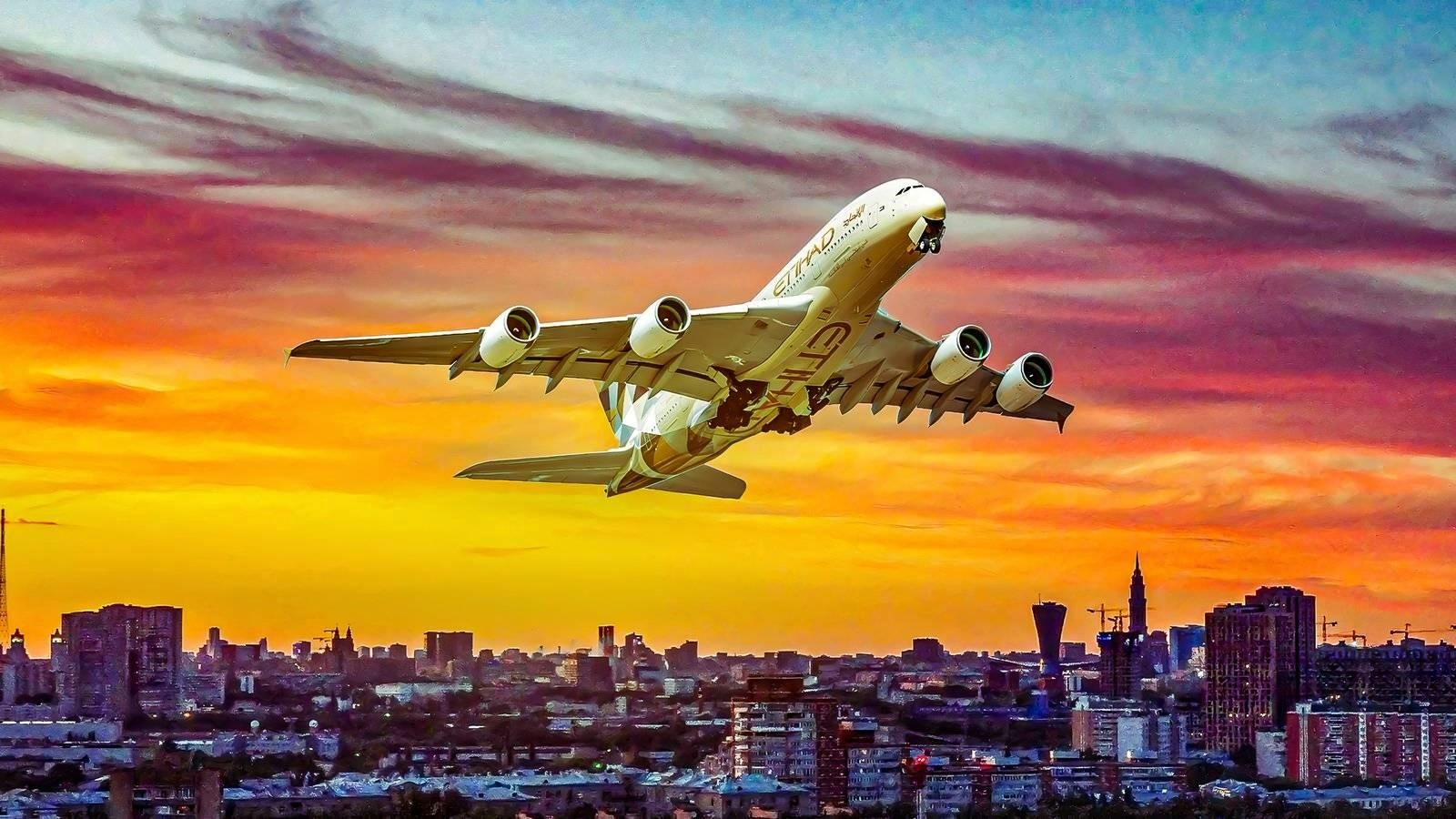
Etihad Deploys Widebody Fleet to Meet Strong Demand
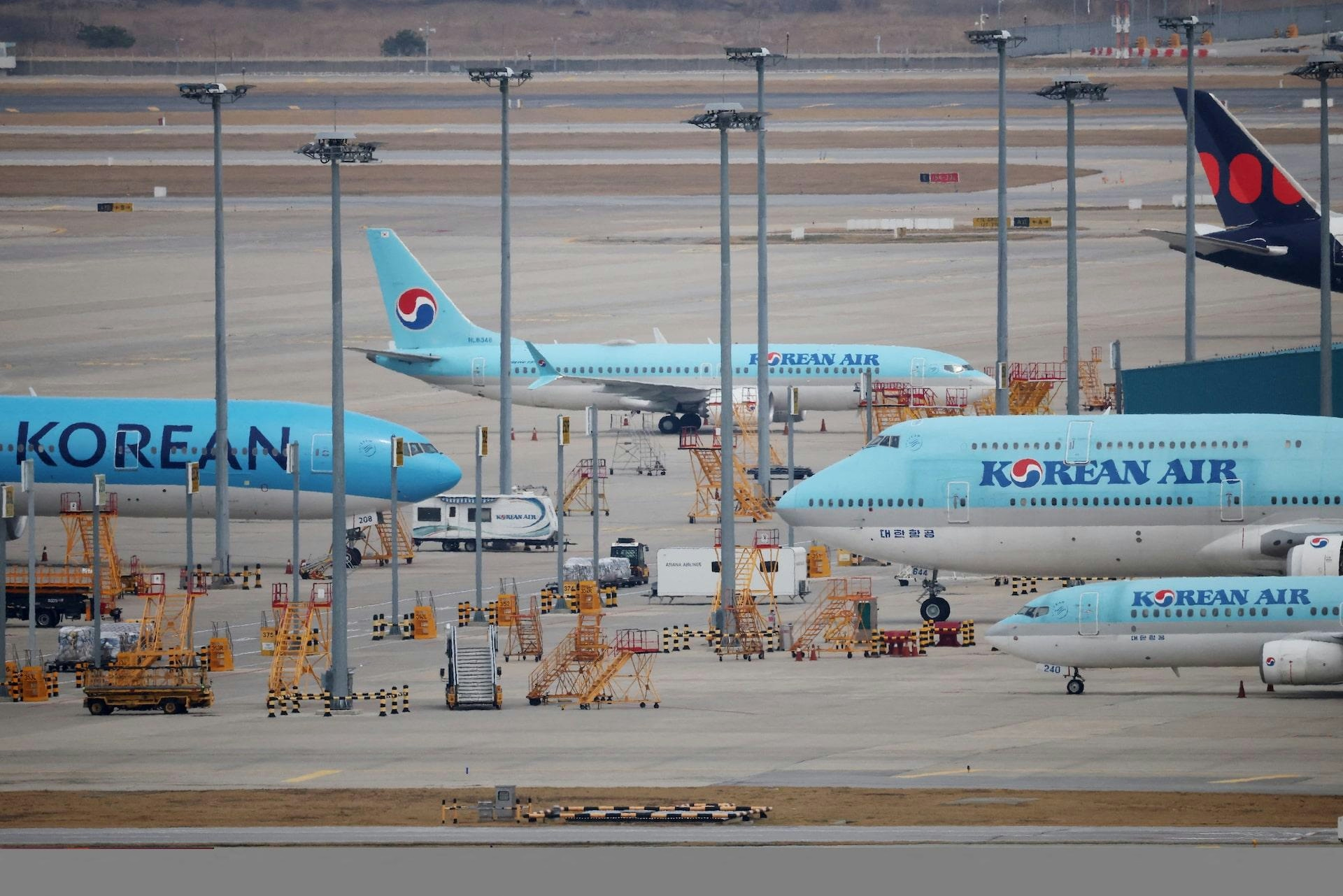
Korean Air Finalizes $36.2 Billion Deal with Boeing
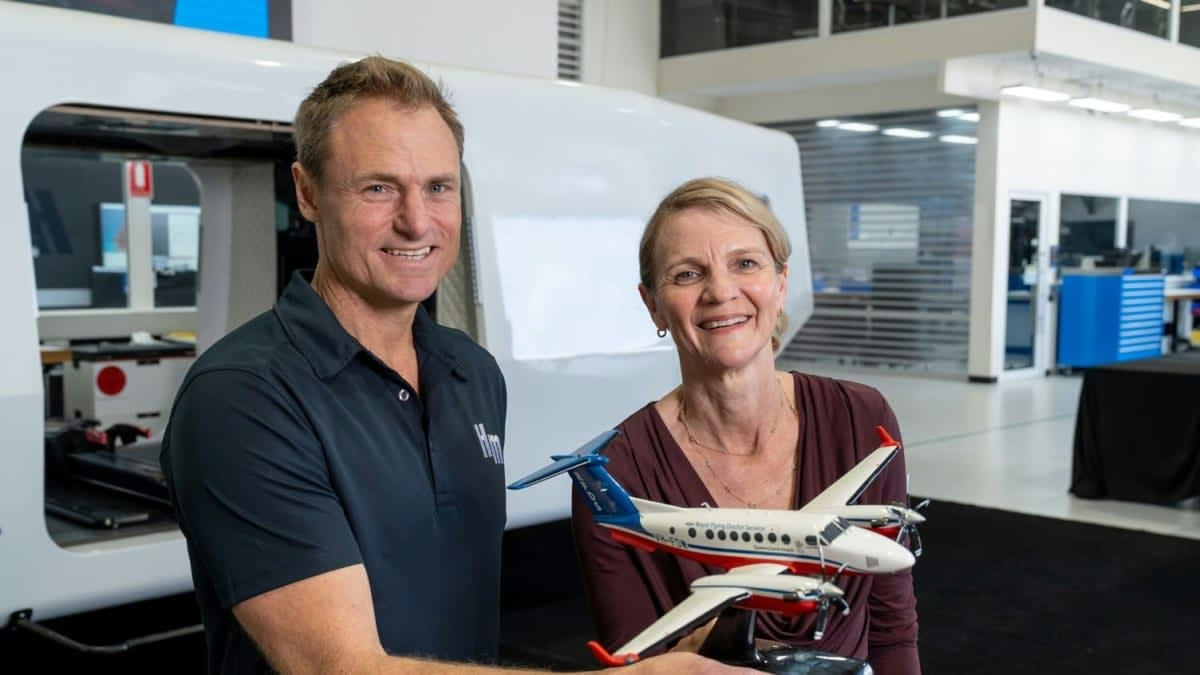
Australia’s RFDS Queensland Section Orders Six King Air 260Cs
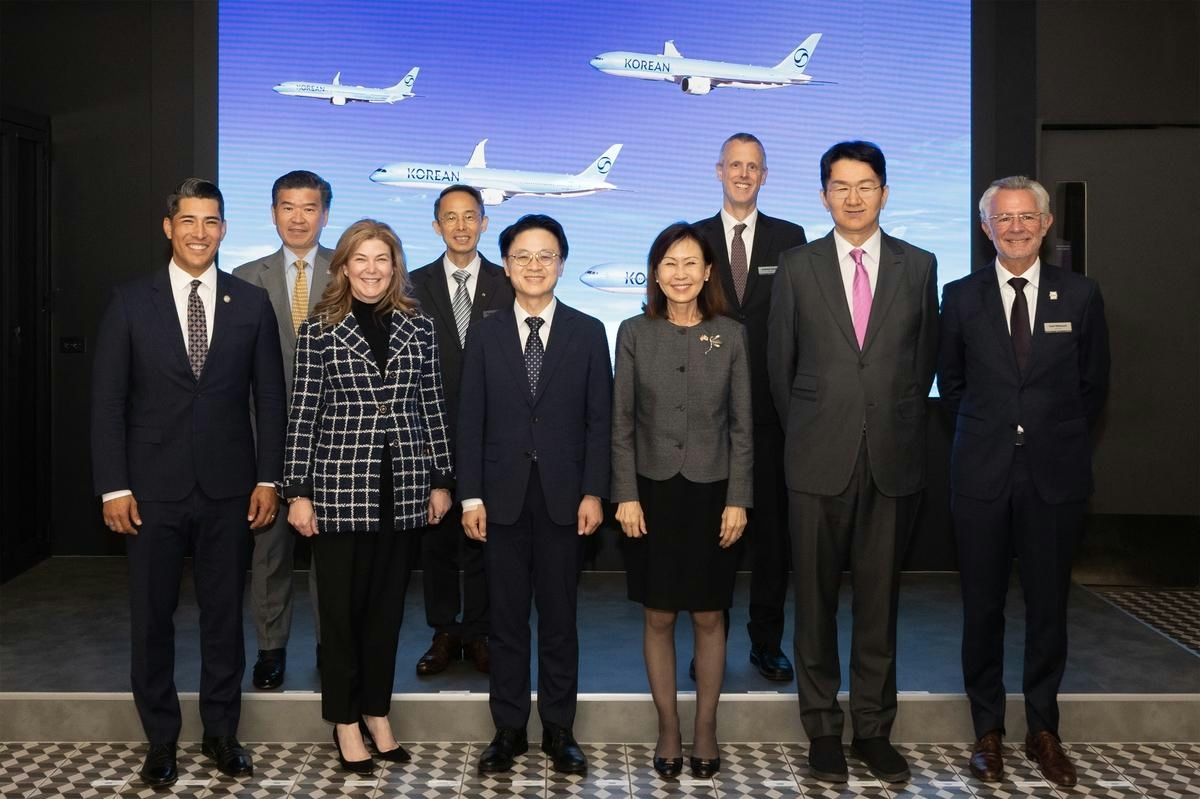
Korean Air Finalizes Order for 103 Boeing Jets and Engines
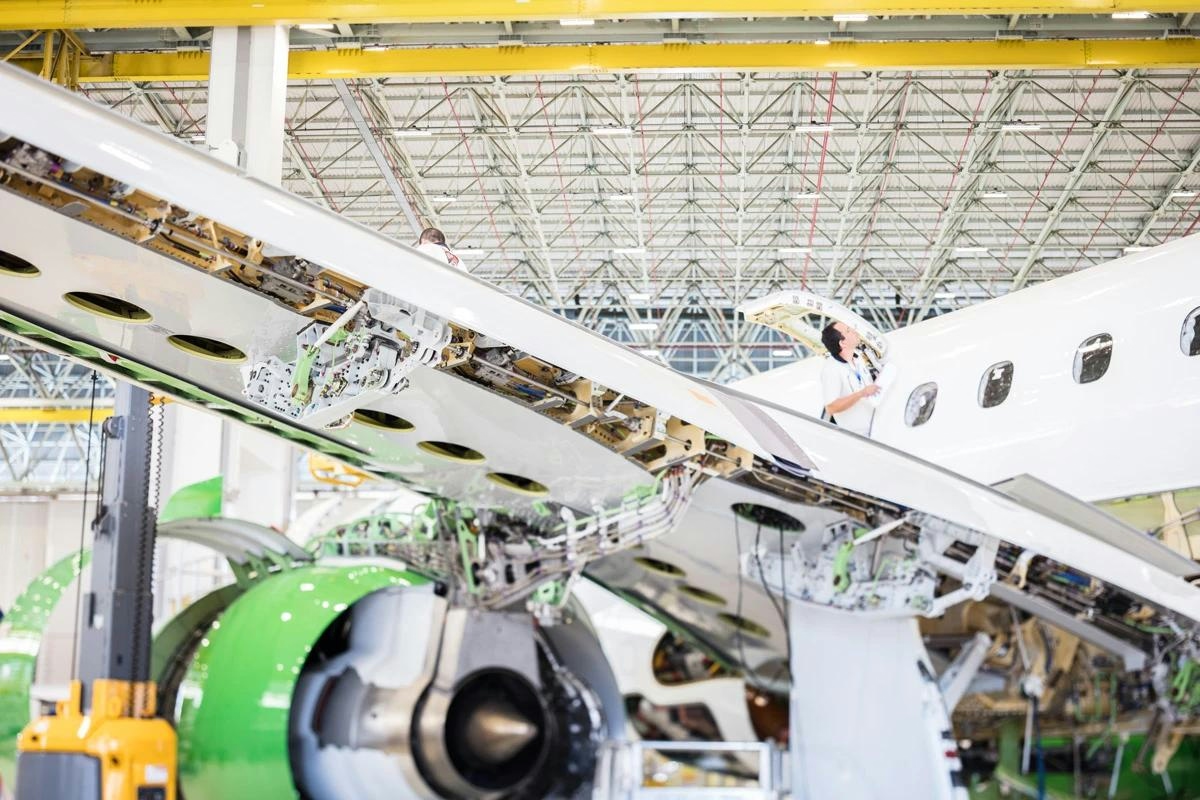
Embraer E195-E2 Features Distinctive Engine Placement Among Regional Jets
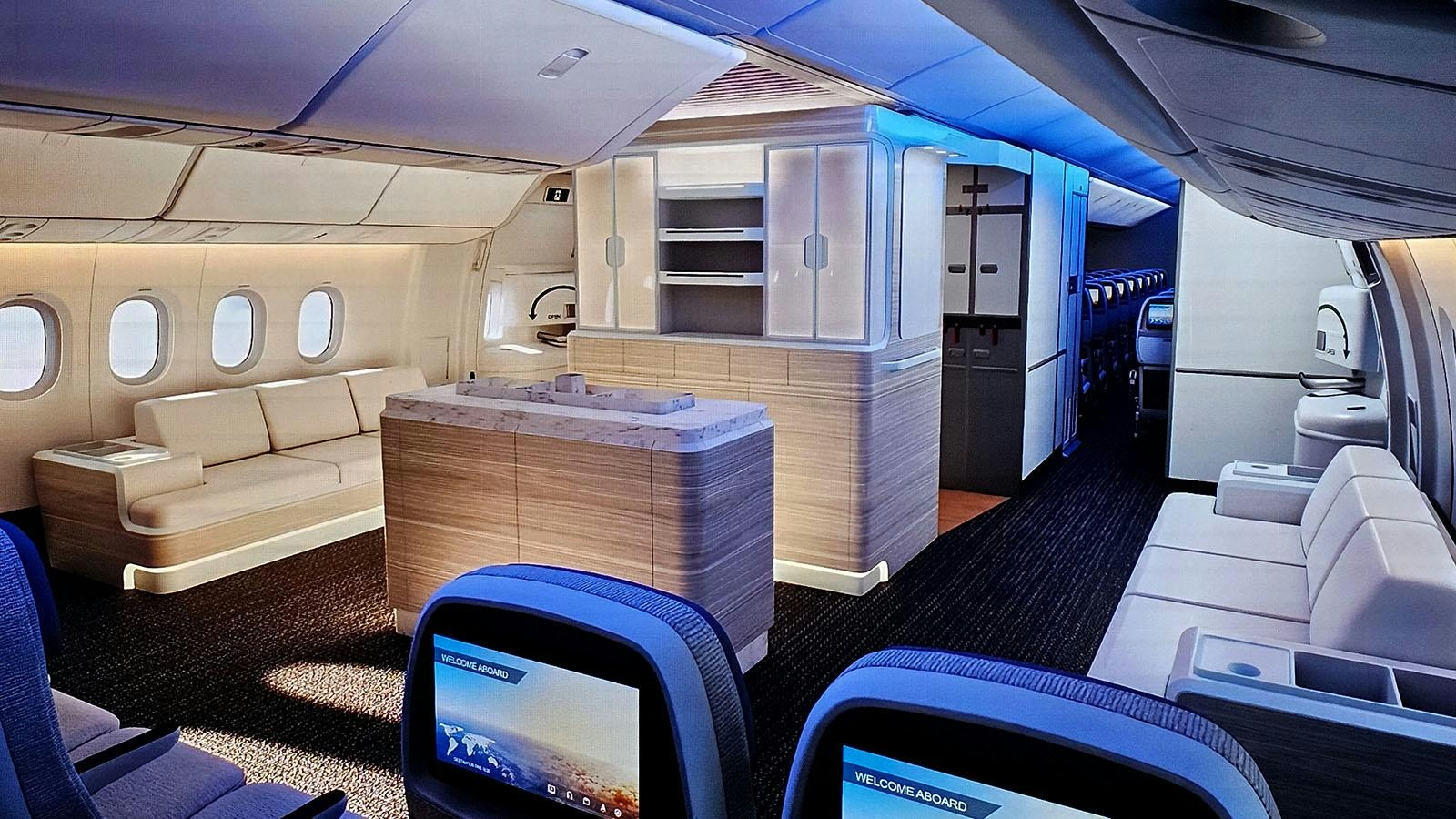
What Passengers Can Expect on Boeing’s New 777X Jet

How Ethiopian Airlines Became Africa’s Leading Carrier Amid Gulf Competition
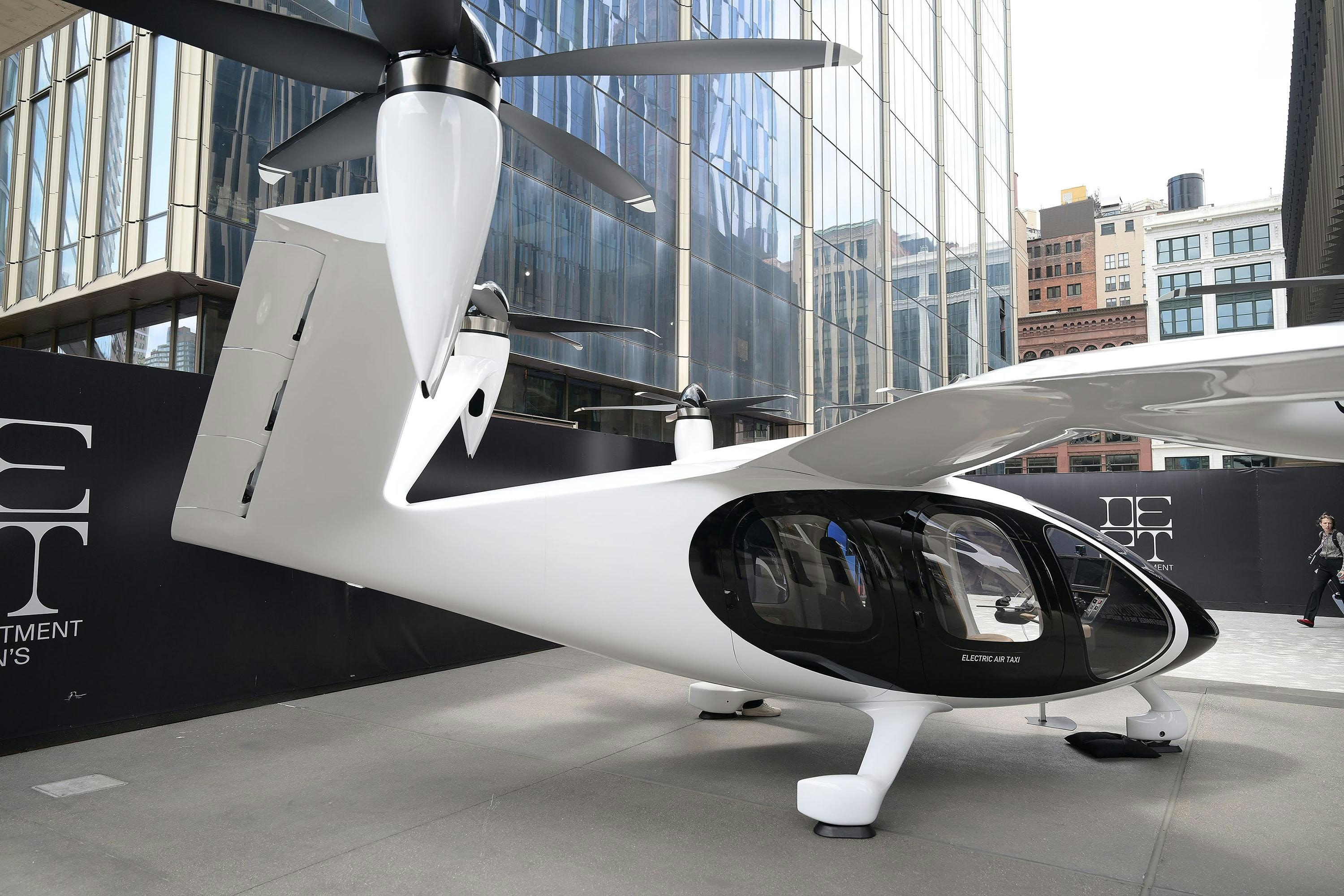
Joby Aviation Extends Autonomous Flight Capabilities with Cross-Country Tour
Strengthening Europe's Aviation Supply Chain Amid Uncertainty
The Evolution of the Aircraft Maintenance Engineer Role
