
Orchestrate AI insights into action

Trending
Categories
SITA says AI tool can save airlines $50,000 per aircraft a year
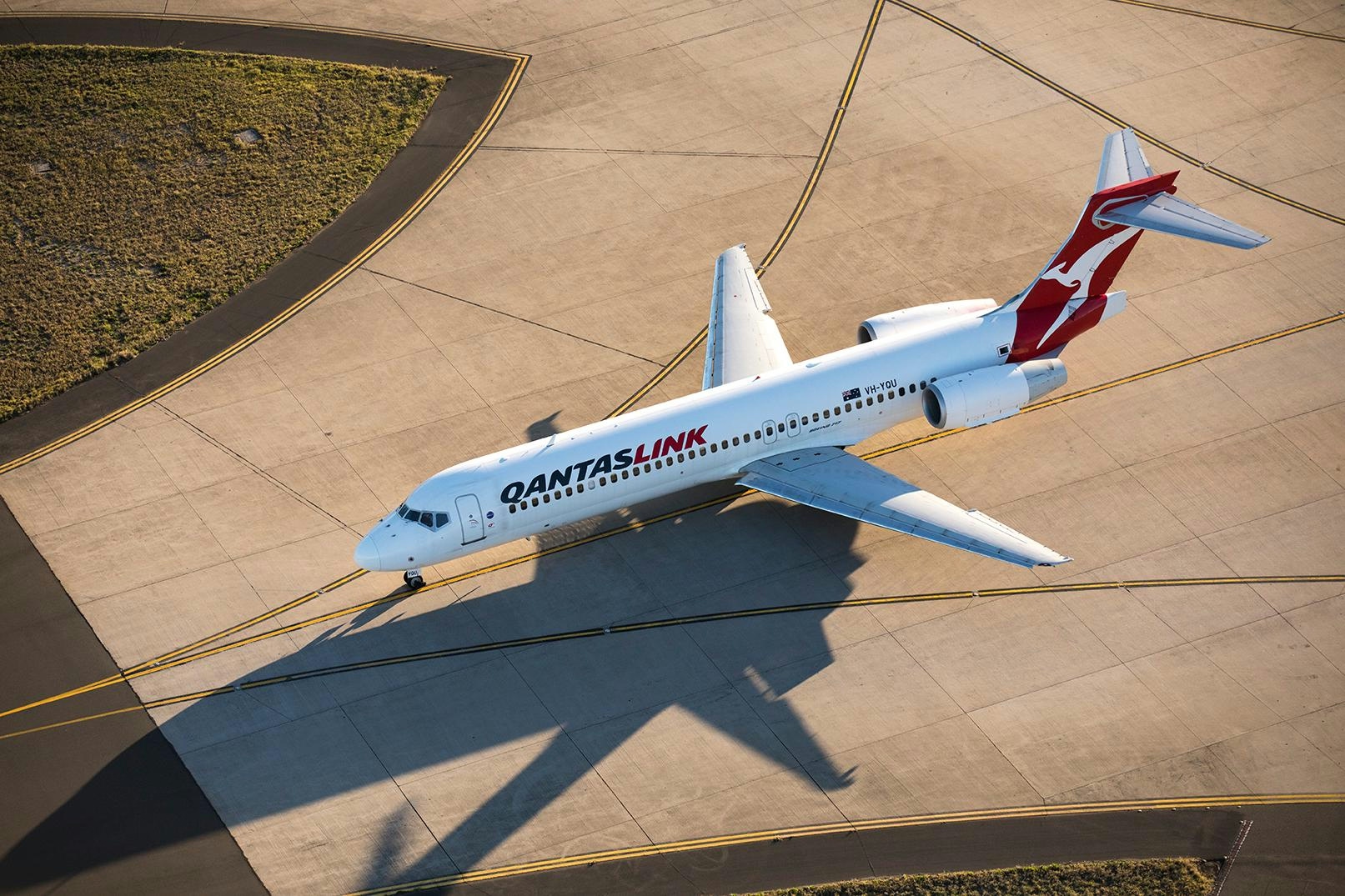
SITA’s AI Tool Offers Significant Fuel Savings for Airlines
Fuel costs remain one of the most substantial operating expenses for airlines, yet considerable savings may be unlocked through more precise management of individual aircraft operations. Aviation technology provider SITA has introduced its AI-powered platform, OptiFlight, which claims to reduce fuel consumption by up to 3% per flight. This improvement translates to approximately $50,000 in annual savings per aircraft, alongside a reduction in carbon emissions.
Digital Twins Enable Tailored Flight Optimization
Unlike traditional flight planning methods that rely on generic models for each aircraft type, SITA’s OptiFlight creates a digital twin for every individual aircraft. This approach integrates Quick Access Recorder (QAR) data, machine learning algorithms, and high-resolution 4D weather forecasts to simulate real-world aircraft performance. By doing so, the system can recommend optimal climb speeds, cruise profiles, descent paths, and routing tailored to each airframe, moving beyond standard fleet-wide assumptions.
The technology has already been implemented on over 2,500 aircraft worldwide. Airlines using OptiFlight have reported up to a 5% reduction in fuel burn during climb, around 3% savings during cruise, and an average of 3% fuel savings per flight overall. The platform also provides flight-by-flight verification of actual fuel savings, rather than relying solely on theoretical estimates. Given the scale of airline operations, these incremental improvements can result in substantial financial benefits; for instance, a fleet of 200 aircraft could achieve nearly $9.8 million in annual net savings.
Integration, Regulatory Challenges, and Industry Impact
OptiFlight integrates seamlessly without requiring new cockpit hardware. Fuel-saving recommendations are communicated directly to pilots via ACARS or through the OptiFlight Electronic Flight Bag (EFB) interface. After each flight, the system refines its performance model by comparing predicted fuel consumption with actual data, analyzing 40 flight parameters to provide increasingly precise guidance.
Despite these advantages, integrating AI-driven tools like OptiFlight into existing airline systems presents challenges, including obtaining regulatory approval and ensuring compatibility with established workflows. Regulatory frameworks such as the EU Green Claims Directive demand verifiable emissions reductions and penalize unsubstantiated sustainability claims. OptiFlight addresses these requirements by generating auditable, flight-specific fuel consumption data, enabling airlines to substantiate their environmental performance.
The adoption of OptiFlight is gaining momentum within the industry. Earlier this year, ITA Airways announced a fleet-wide rollout of the platform to optimize climb performance using AI and aircraft-specific data, anticipating savings of over 7,100 tonnes of fuel and a reduction of more than 22,100 tonnes of CO₂ emissions across 2025 and 2026. The increasing use of AI optimization tools is also influencing competitive dynamics, prompting rivals to adopt similar technologies or enhance their existing systems to maintain market position. Furthermore, regulatory bodies such as the Federal Aviation Administration (FAA) are exploring AI applications to optimize air traffic management, which may accelerate investment in AI-driven solutions and reshape industry strategies.
As airlines strive to balance cost efficiency with sustainability goals, AI-powered platforms like OptiFlight are positioned to play a critical role, contingent on their ability to navigate regulatory landscapes and integrate effectively with current operations.

Etihad Deploys Widebody Fleet to Meet Strong Demand
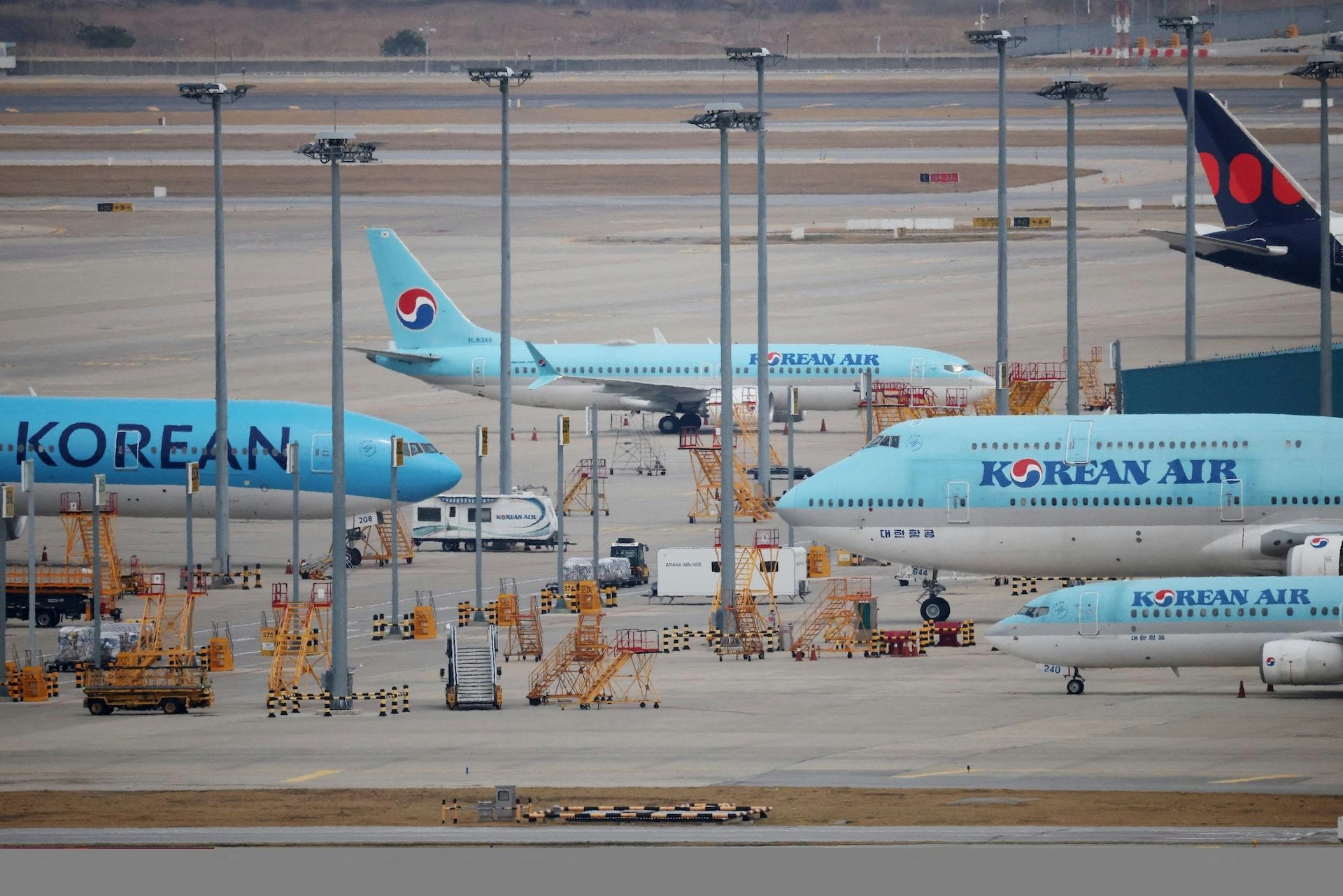
Korean Air Finalizes $36.2 Billion Deal with Boeing
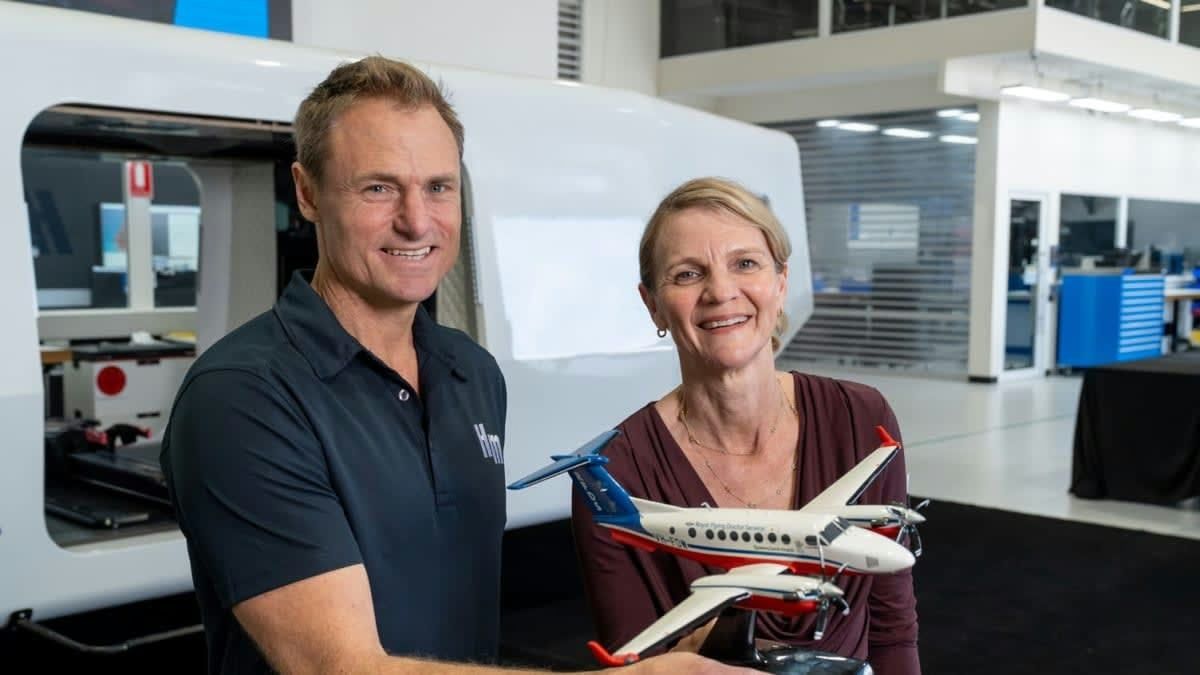
Australia’s RFDS Queensland Section Orders Six King Air 260Cs

Korean Air Finalizes Order for 103 Boeing Jets and Engines
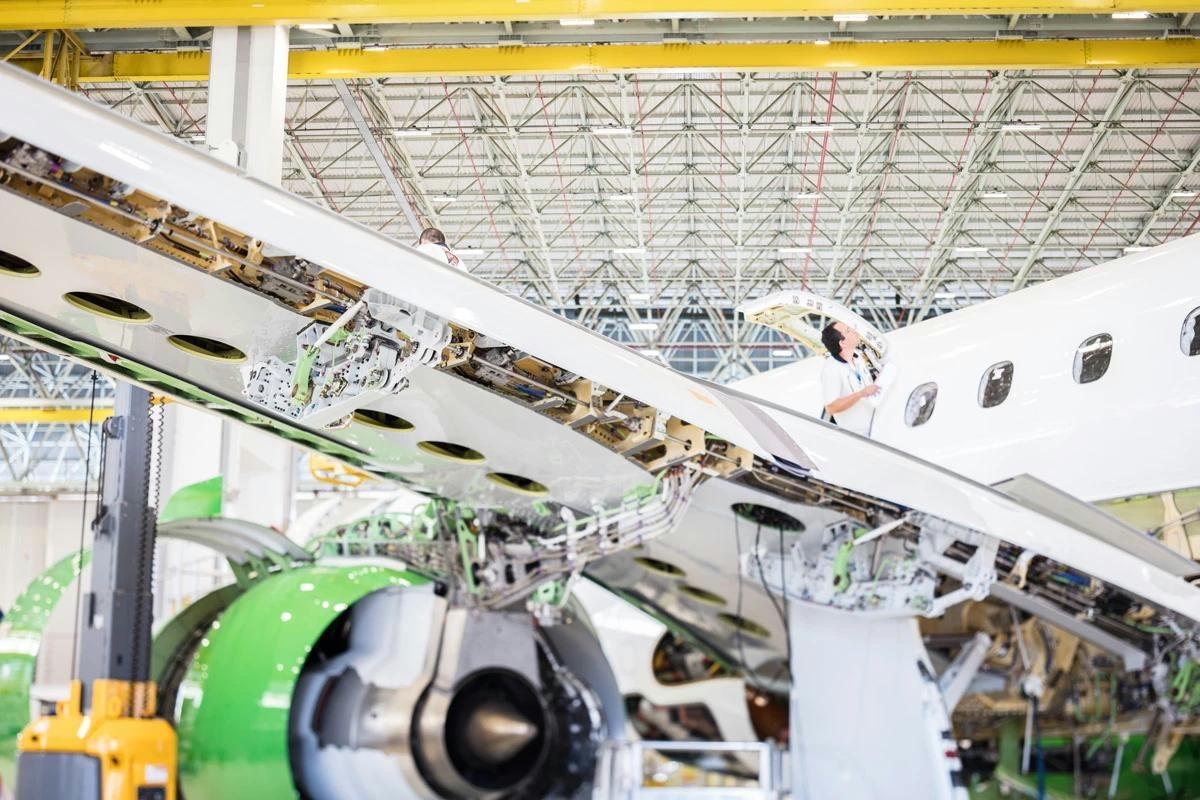
Embraer E195-E2 Features Distinctive Engine Placement Among Regional Jets
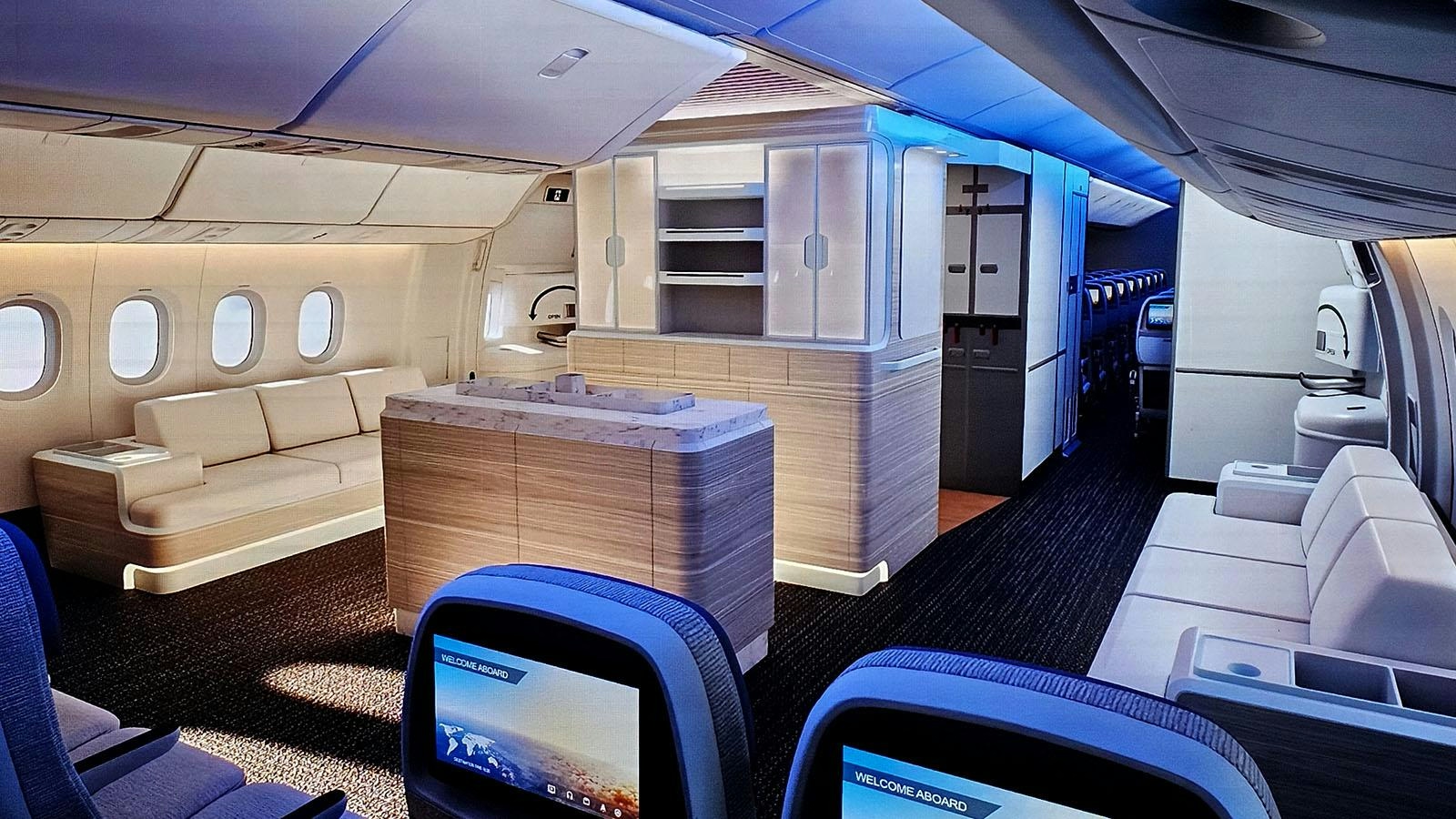
What Passengers Can Expect on Boeing’s New 777X Jet

How Ethiopian Airlines Became Africa’s Leading Carrier Amid Gulf Competition
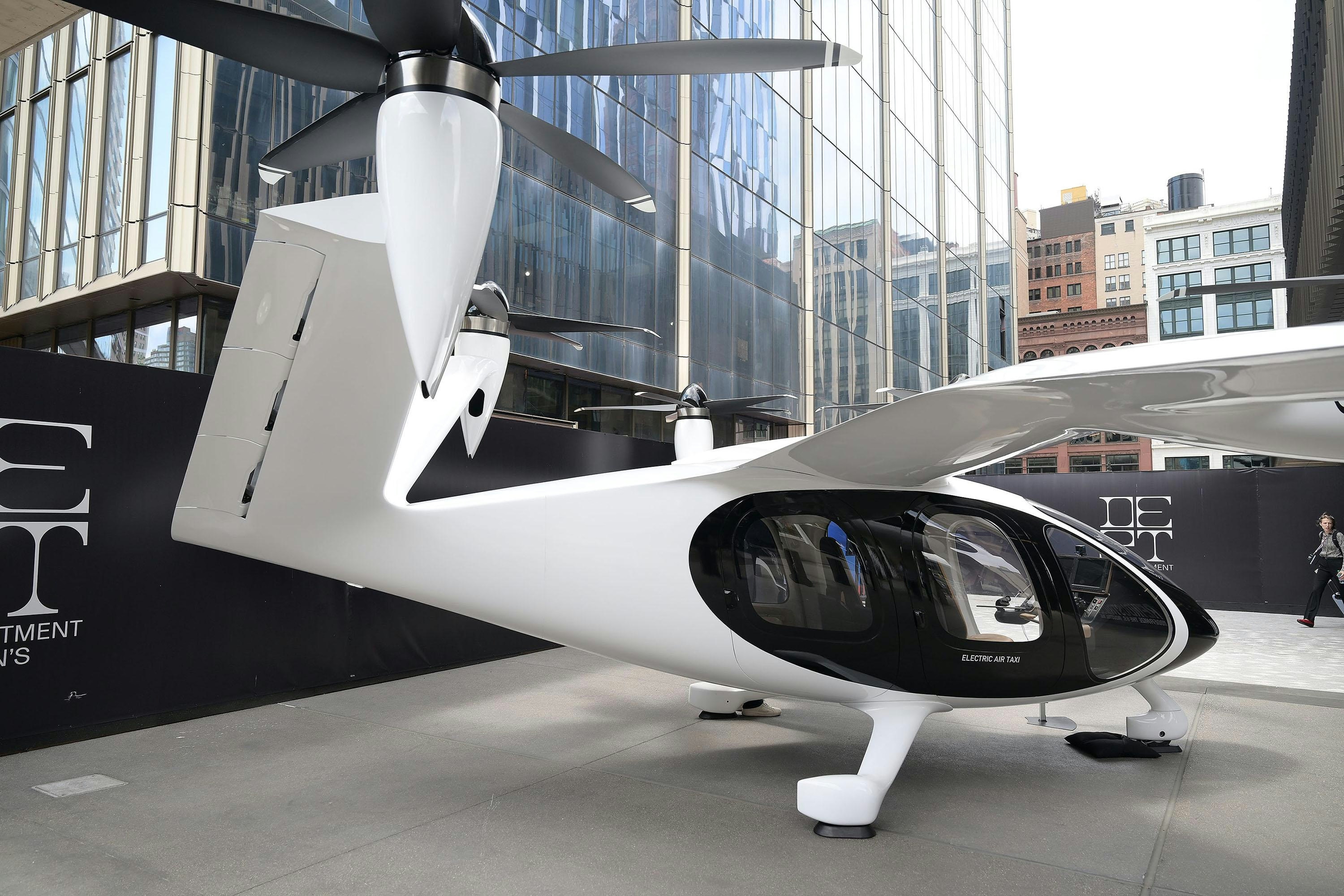
Joby Aviation Extends Autonomous Flight Capabilities with Cross-Country Tour
Strengthening Europe's Aviation Supply Chain Amid Uncertainty
The Evolution of the Aircraft Maintenance Engineer Role
