
Orchestrate AI insights into action

Trending
Categories
SMC Plans Early Completion of New Manila Airport Runway
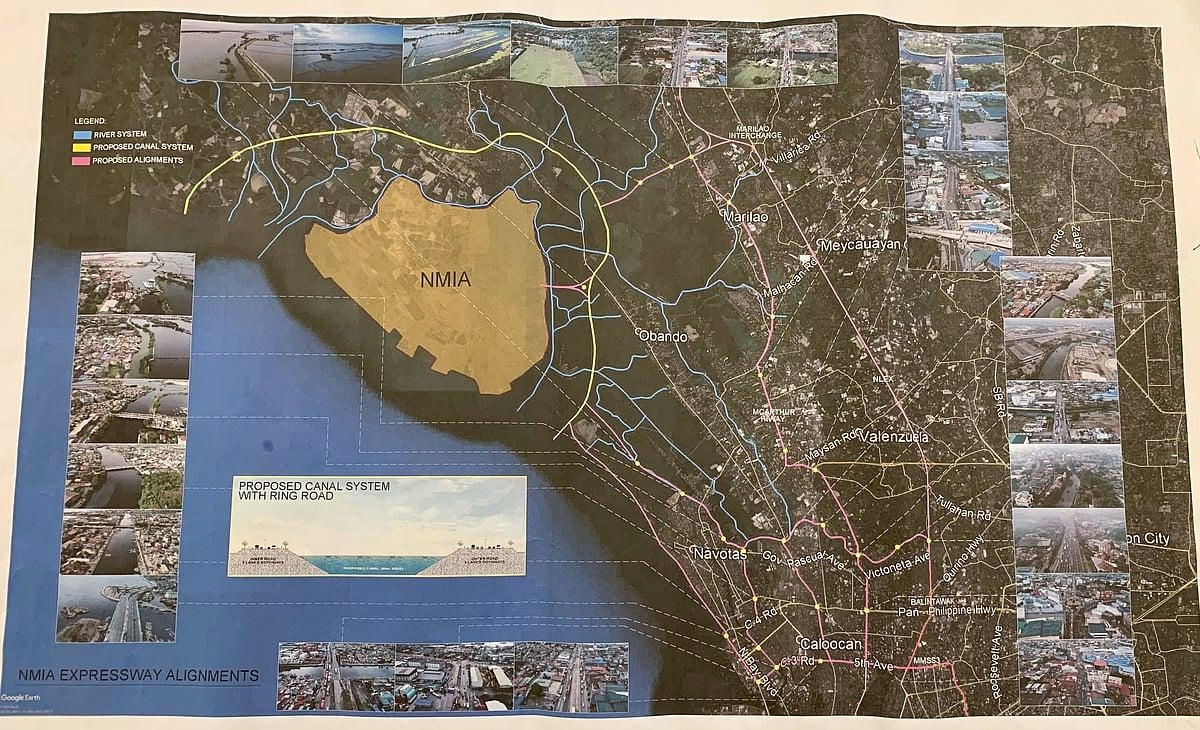
SMC Accelerates Timeline for New Manila Airport Runway Completion
San Miguel Corporation (SMC) has announced plans to expedite the completion of the first runway at the ₱735-billion New Manila International Airport in Bulacan, potentially bringing the operational date forward from the original 2028 target. During the company’s annual shareholders meeting, SMC Chairman and CEO Ramon S. Ang revealed that the runway could be functional as early as the second quarter of 2028, with the possibility of an even earlier finish.
Construction Challenges and Infrastructure Delays
Despite this optimistic outlook for the runway, Ang acknowledged delays affecting other critical components of the project, including the major passenger terminal and the logistics hub. The logistics centre, initially scheduled for completion in 2025, is now expected to be finished by the end of 2026. These setbacks are largely attributed to extensive earthworks and a tightening supply of fill sand, as multiple reclamation projects in Manila Bay have increased demand for this essential material. The airport’s construction requires approximately seven million cubic metres of fill, creating significant logistical challenges.
While SMC remains confident that the runway’s delivery timeline is insulated from these broader disruptions, the project continues to face potential obstacles such as construction bottlenecks and the need for regulatory approvals. These factors could still affect the overall schedule, particularly for supporting infrastructure.
Strategic Importance and Market Impact
The New Manila International Airport, covering 2,500 hectares in Bulakan, Bulacan, is a flagship development for the Philippine aviation sector. Designed to initially accommodate 35 million passengers annually, the airport plans to expand capacity to 100 million passengers per year upon full completion. The first phase includes two of four planned parallel runways, enabling simultaneous aircraft operations and accommodating larger wide-body planes. The passenger terminal is intended to offer a high-capacity, technology-driven experience.
Once operational, the airport is expected to serve as a primary alternative to the congested Ninoy Aquino International Airport, addressing growing demand across Metro Manila, Central Luzon, and CALABARZON. The development is also anticipated to stimulate economic activity in the surrounding regions.
Market response to SMC’s progress has been largely positive, with the prospect of early runway completion bolstering investor confidence. However, the advancement of the project may prompt competitors such as AirAsia Philippines to reconsider their operations, potentially adjusting flight schedules or renegotiating fees with the airport authority. Industry observers caution that the introduction of new capacity could lead to short-term congestion or transitional disruptions as airlines and regulators adapt to the new infrastructure.
Despite these complexities, SMC maintains that the New Manila International Airport remains broadly on track. The company continues to work closely with regulators and stakeholders to address logistical and construction challenges, aiming to deliver a transformative aviation hub for the Philippines.
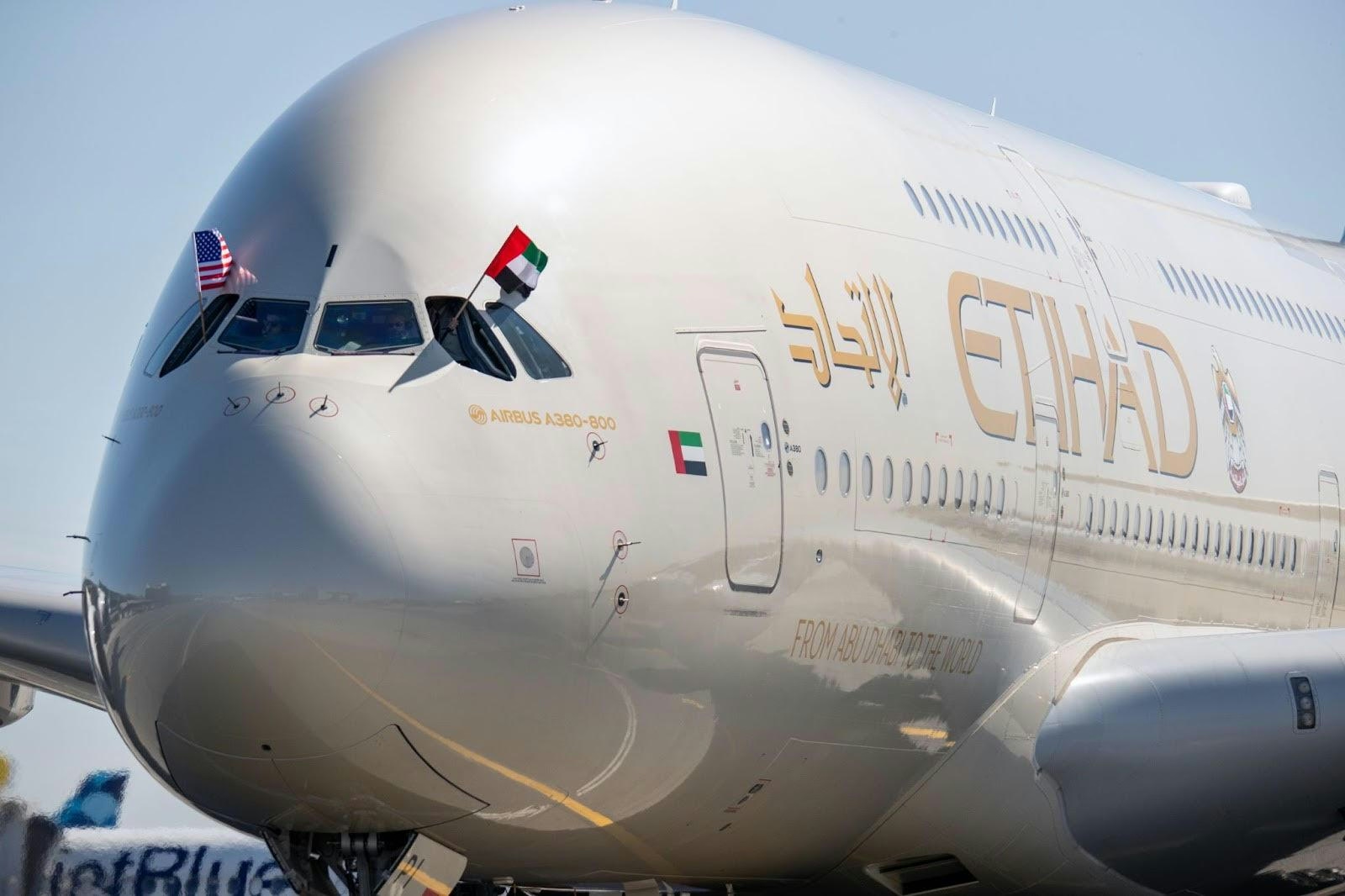
Etihad Airways Suspends Airbus A380 Flights on Key Route

Aditya Birla Group Seeks Approval for Aircraft Leasing in GIFT City

Qatar Airways Highlights Innovation and Connectivity at Arabian Travel Market 2026

Hong Kong's Five-Year Plan Includes Andrew Fan's Aircraft Parts Processing Hub Proposal

ACIA Aero Leasing Delivers ATR72-600 to Air Nostrum
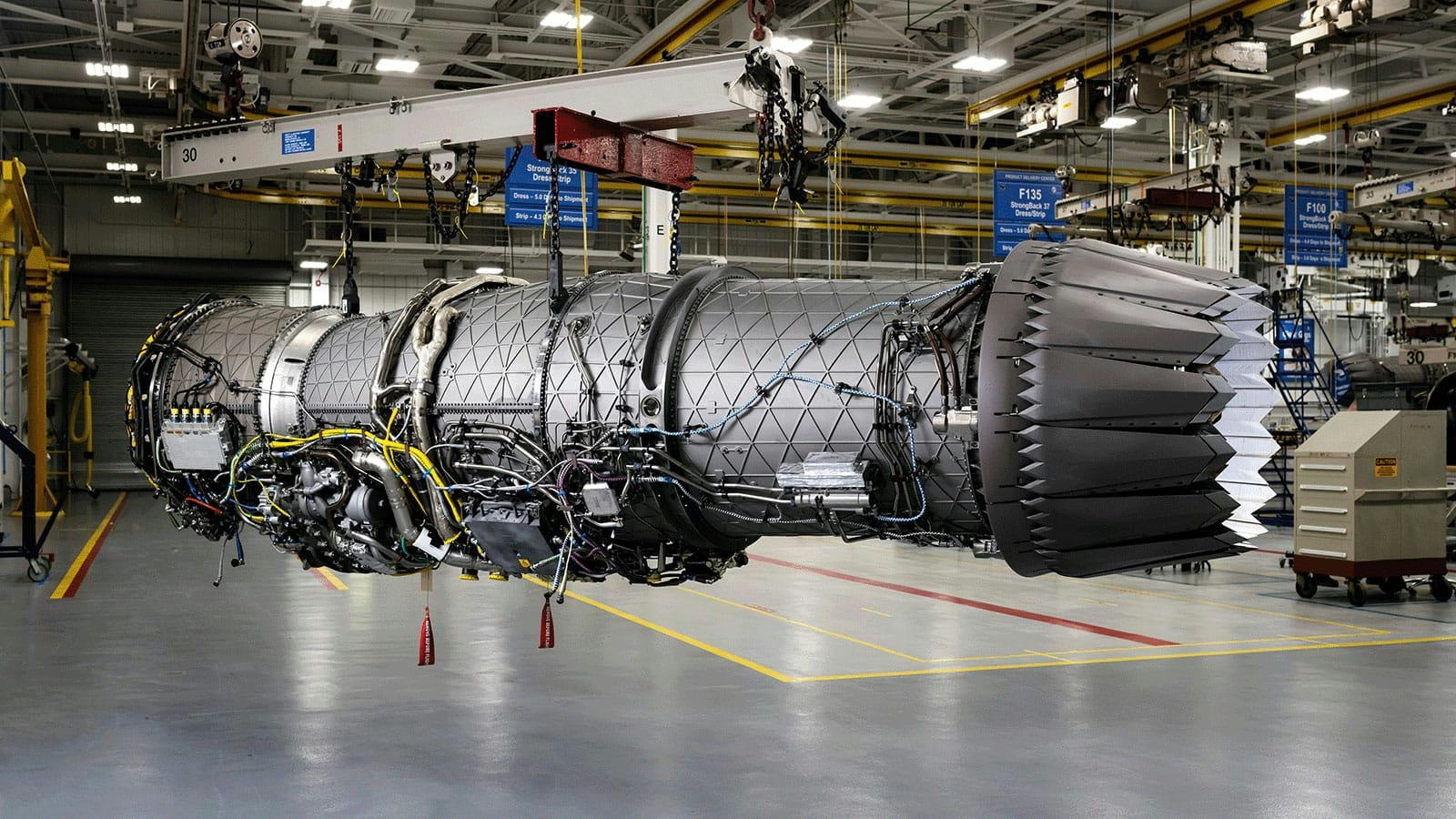
RTX Appoints Jill Albertelli as Head of Pratt & Whitney

TAT Technologies Joins Beyond Aero Hydrogen Aircraft Program
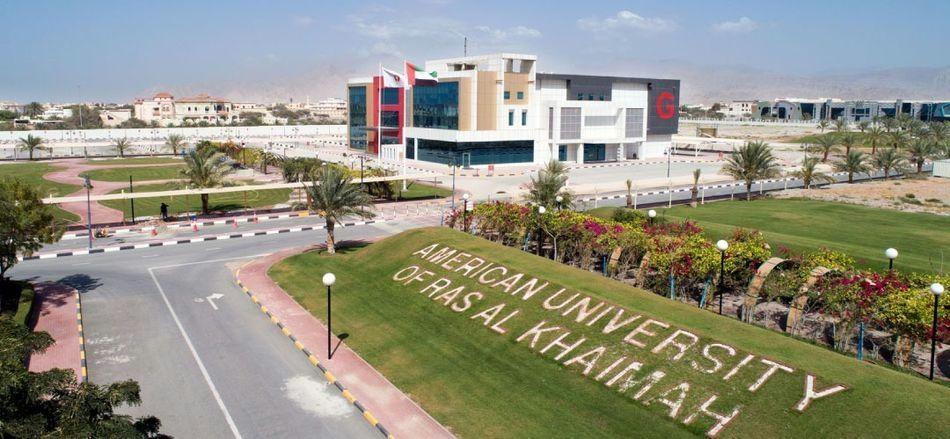
AURAK Study Highlights Barriers to Air Taxi Adoption in Emerging Economies
Xiamen Air Selects Altitude for 787 Maintenance at Heathrow
Etihad and Swissport Extend Global Partnership
