
Orchestrate AI insights into action

Trending
Categories
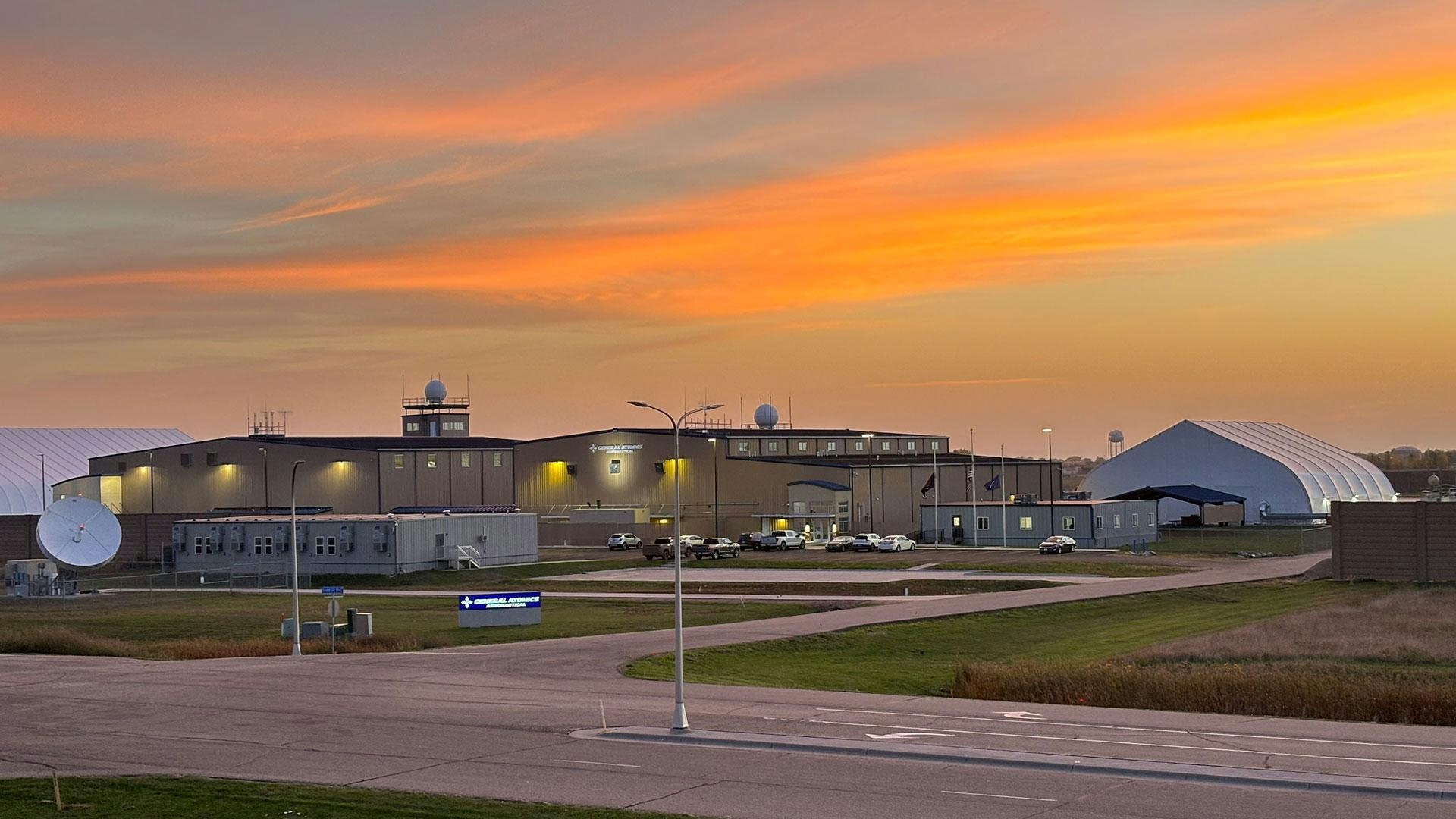
Ten Years of UAS Development at GA-ASI Flight Test and Training Center
Ten Years of UAS Development at GA-ASI Flight Test and Training Center
General Atomics Aeronautical Systems, Inc. (GA-ASI) commemorated a decade of operations at its Flight Test and Training Center (FTTC) located within the GrandSKY UAS Business Park near Grand Forks, North Dakota, on July 18, 2026. Since its establishment in 2016, the FTTC has been integral to the advancement of Uncrewed Aircraft Systems (UAS) technology, serving as the launch site for numerous industry milestones and providing training to over 4,000 pilots and sensor operators on GA-ASI platforms.
A Decade of Innovation and Training
GA-ASI CEO Linden Blue reflected on the facility’s growth, emphasizing the strategic choice of North Dakota for its expansive airspace. The FTTC was conceived to enhance flight testing and training capabilities, a vision realized through its decade-long contribution to UAS development. The center has been pivotal in the evolution and deployment of GA-ASI’s next-generation MQ-9B Remotely Piloted Aircraft (RPA), which has now been ordered by ten countries worldwide.
Among the FTTC’s notable achievements are the first nonstop transatlantic flight of a medium-altitude, long-endurance RPA—the MQ-9B—in 2018, and the inaugural MQ-9A flight within the Arctic Circle. More recently, the center facilitated Flight Into Known Icing tests with the MQ-9B, demonstrating its ongoing commitment to expanding the operational envelope of UAS technology.
Strategic Importance Amidst a Changing Security Landscape
The global security environment’s evolution has intensified demand for advanced UAS platforms, particularly in Europe, where defense strategies increasingly incorporate autonomous systems. GA-ASI’s MQ-9B SkyGuardian® and SeaGuardian® platforms, alongside the emerging Gambit Series of autonomous fighters, are central to addressing these strategic needs. The FTTC’s capacity to train international crews and support rigorous testing has solidified GA-ASI’s leadership position in this competitive sector.
However, the UAS market is rapidly evolving. Competitors such as AIRO are scaling production of their RQ-35 ISTAR UAS, reflecting the sector’s growth and the expanding role of unmanned systems in defense and security operations. Market dynamics are closely linked to the affordability and effectiveness of these advanced platforms, driving continuous innovation as companies strive to meet the increasing demand for autonomous and integrated defense solutions.
U.S. Senator John Hoeven (R-ND) underscored North Dakota’s emergence as a key hub for unmanned aviation. He praised GA-ASI as a foundational partner in the development of the GrandSKY UAS Business Park, highlighting the company’s sustained investment over the past decade. Hoeven also acknowledged the collaborative efforts that transformed GrandSKY from a concept into a thriving technology and business park, with GA-ASI playing a central role in its success.
As GA-ASI and its competitors look ahead, the FTTC remains at the forefront of UAS innovation, supporting both technological advancement and the comprehensive training necessary to operate increasingly sophisticated systems. The center’s first ten years stand as a testament to the rapid evolution of uncrewed aviation and its growing significance in global defense.

Etihad Deploys Widebody Fleet to Meet Strong Demand
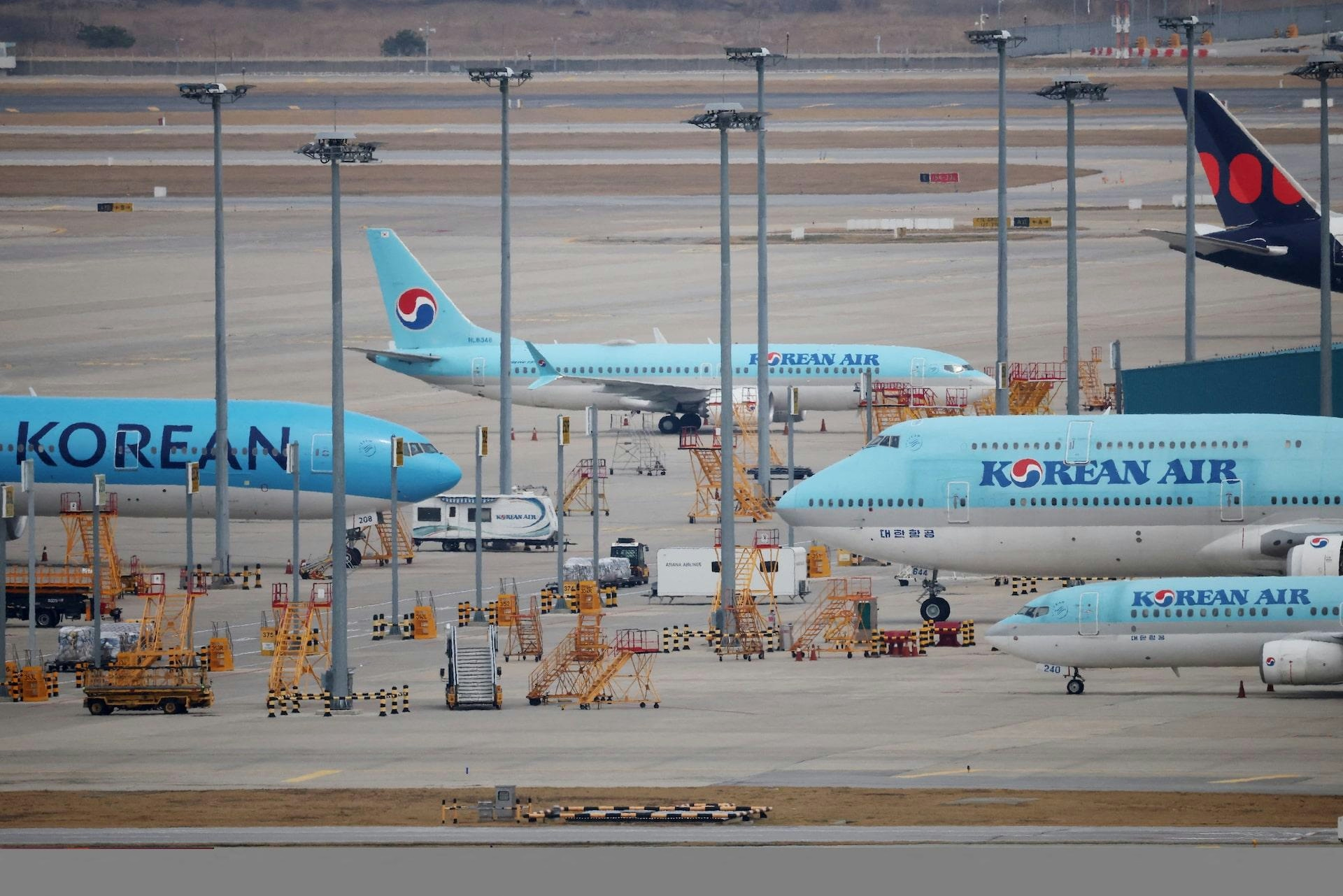
Korean Air Finalizes $36.2 Billion Deal with Boeing
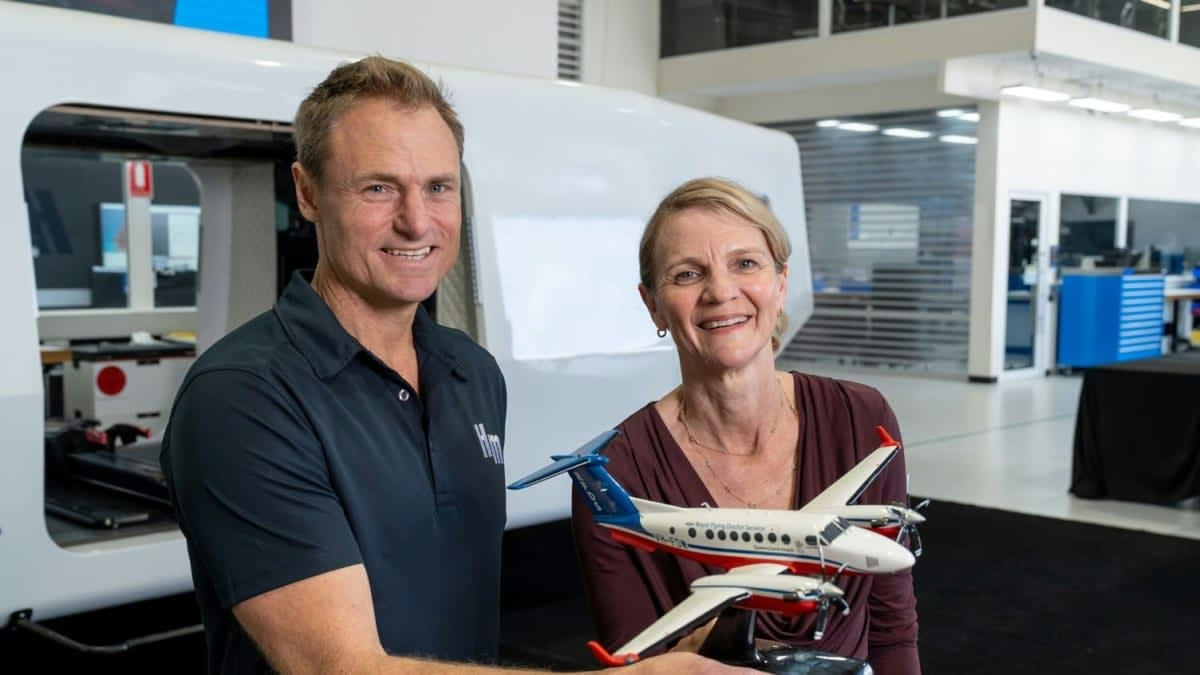
Australia’s RFDS Queensland Section Orders Six King Air 260Cs
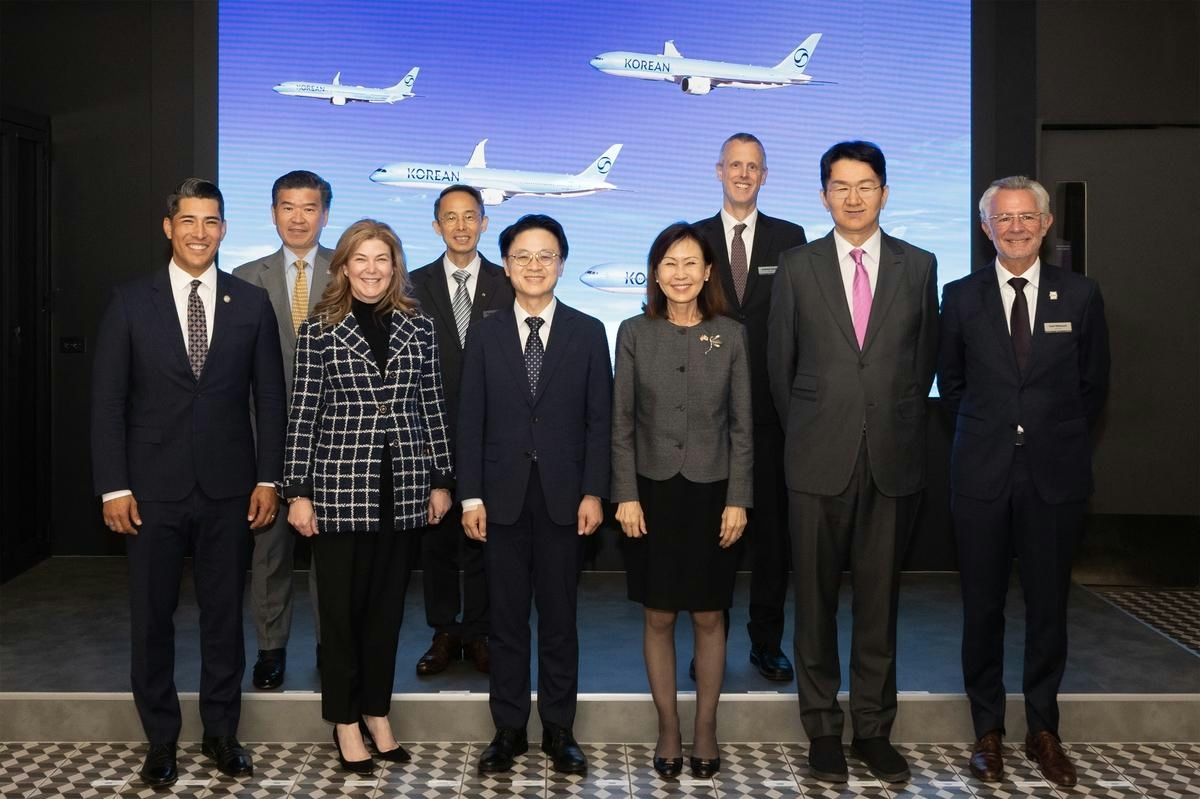
Korean Air Finalizes Order for 103 Boeing Jets and Engines
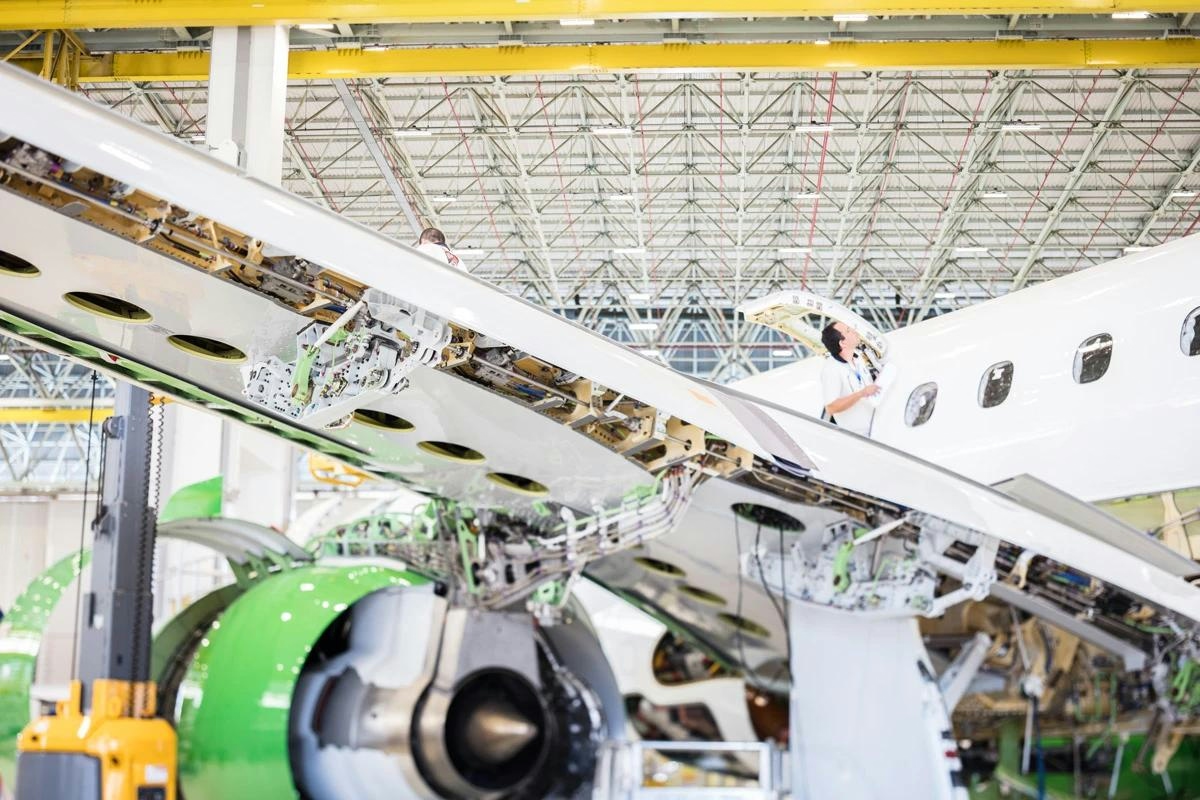
Embraer E195-E2 Features Distinctive Engine Placement Among Regional Jets
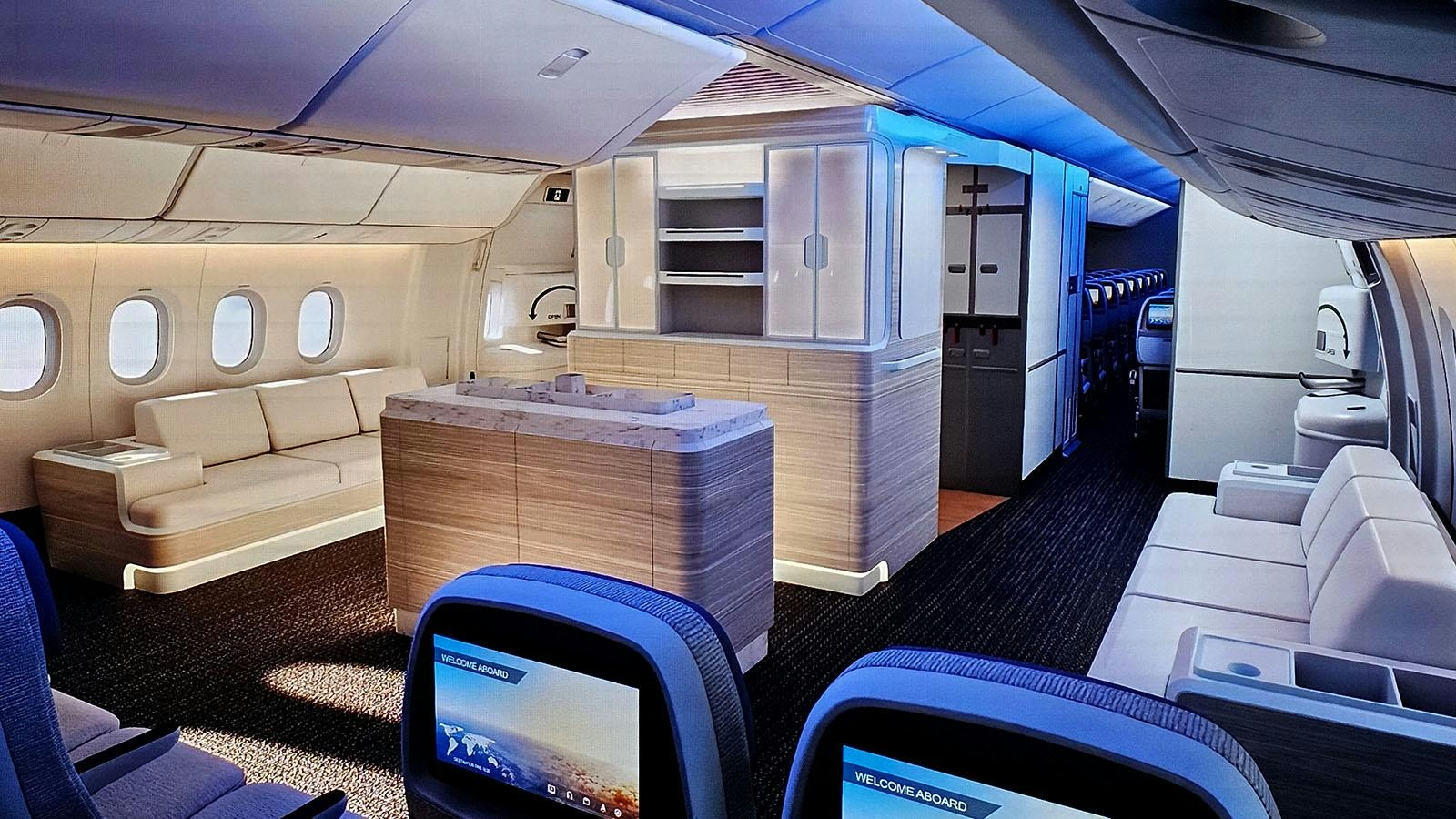
What Passengers Can Expect on Boeing’s New 777X Jet

How Ethiopian Airlines Became Africa’s Leading Carrier Amid Gulf Competition
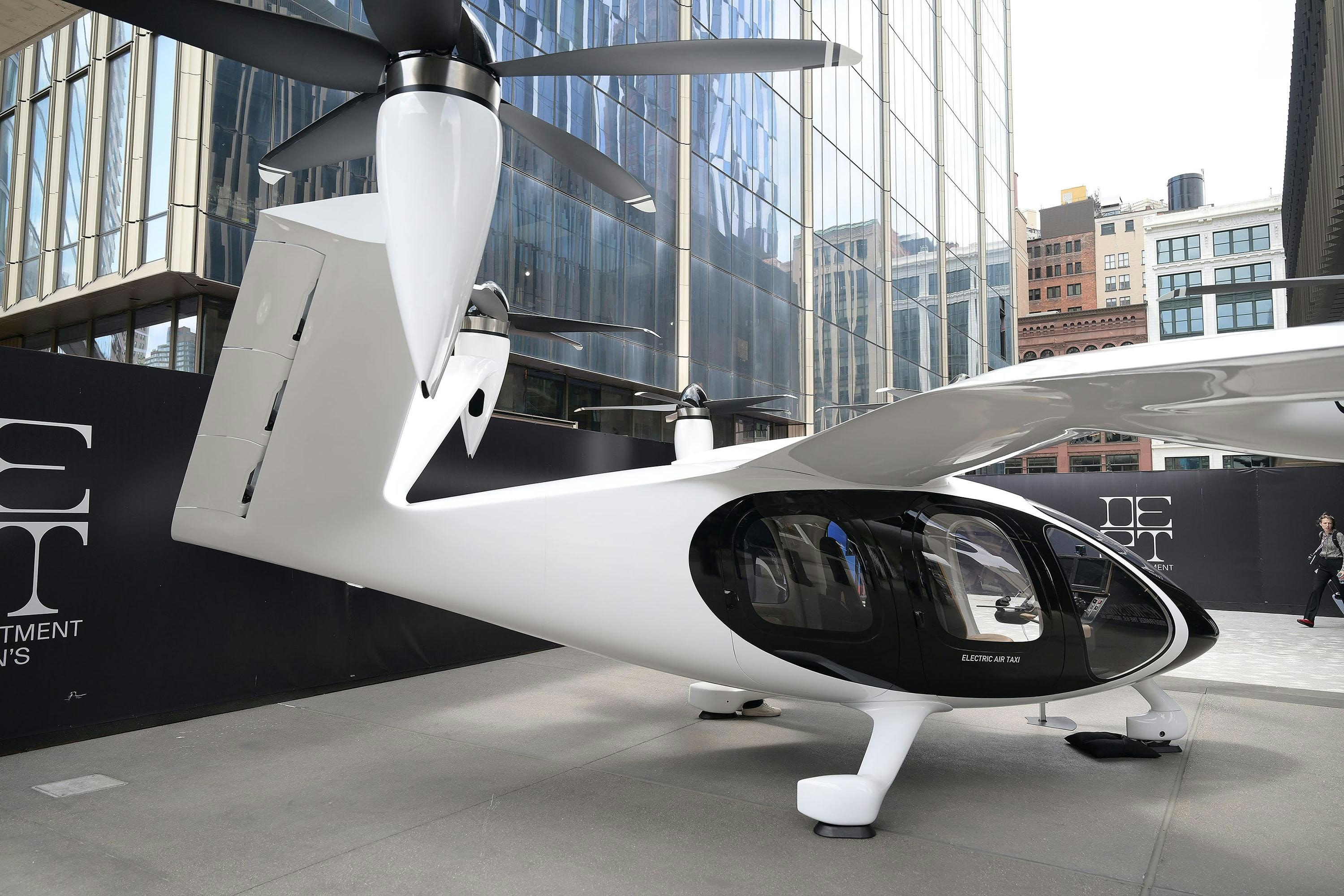
Joby Aviation Extends Autonomous Flight Capabilities with Cross-Country Tour
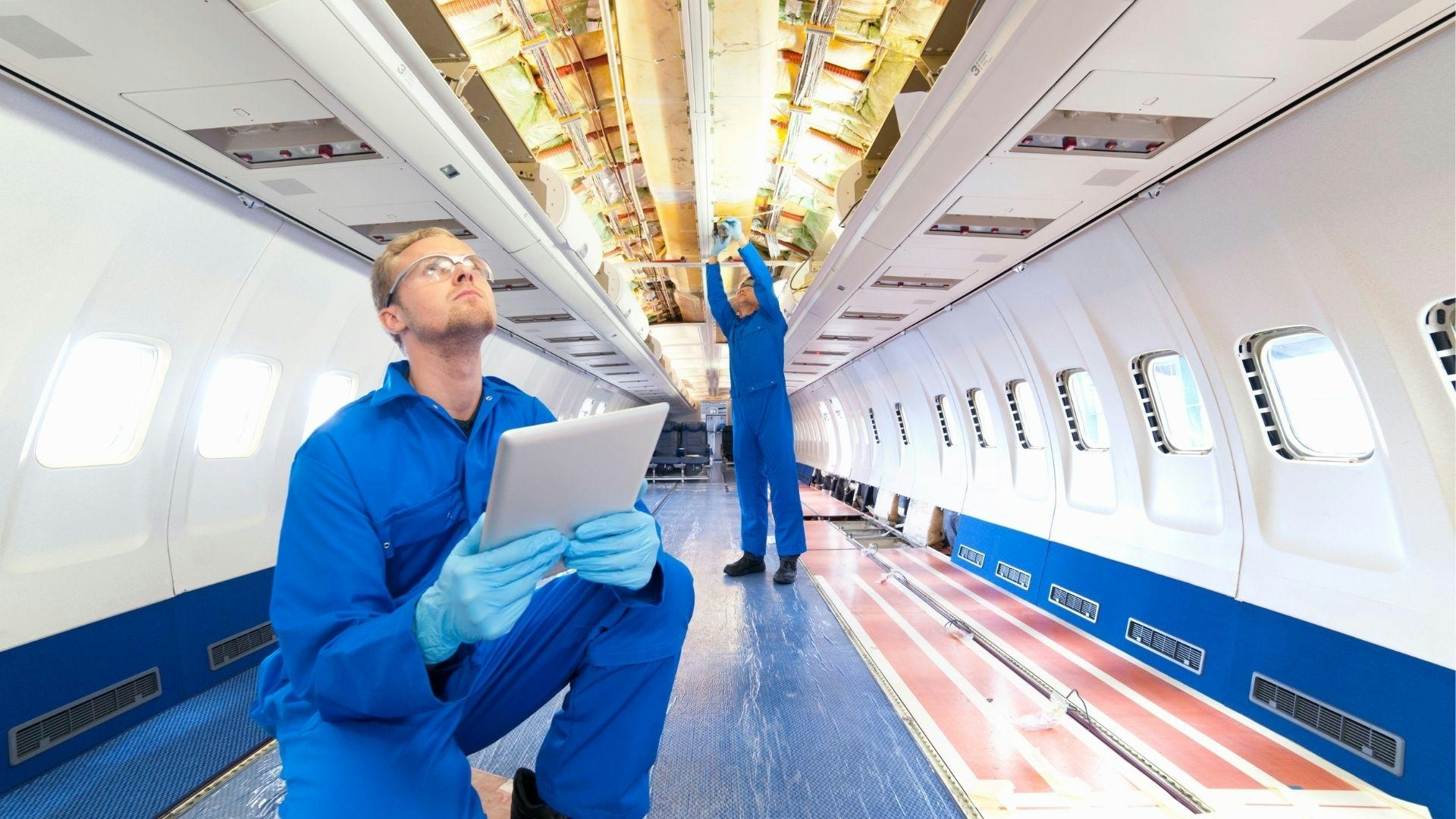
Strengthening Europe's Aviation Supply Chain Amid Uncertainty
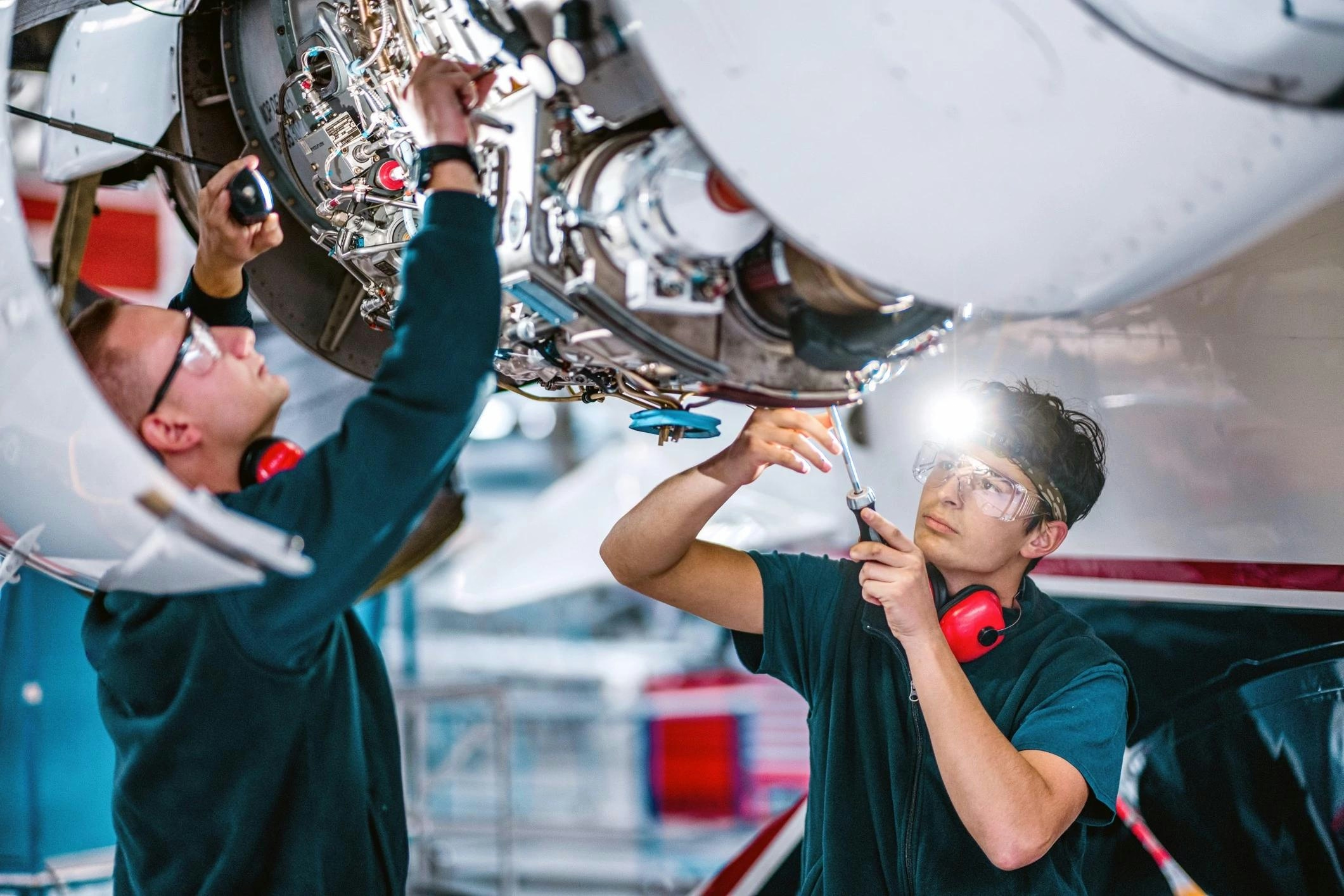
The Evolution of the Aircraft Maintenance Engineer Role
