
Orchestrate AI insights into action

Trending
Categories
Thai Airways seeks more widebodies to develop its hub strategy
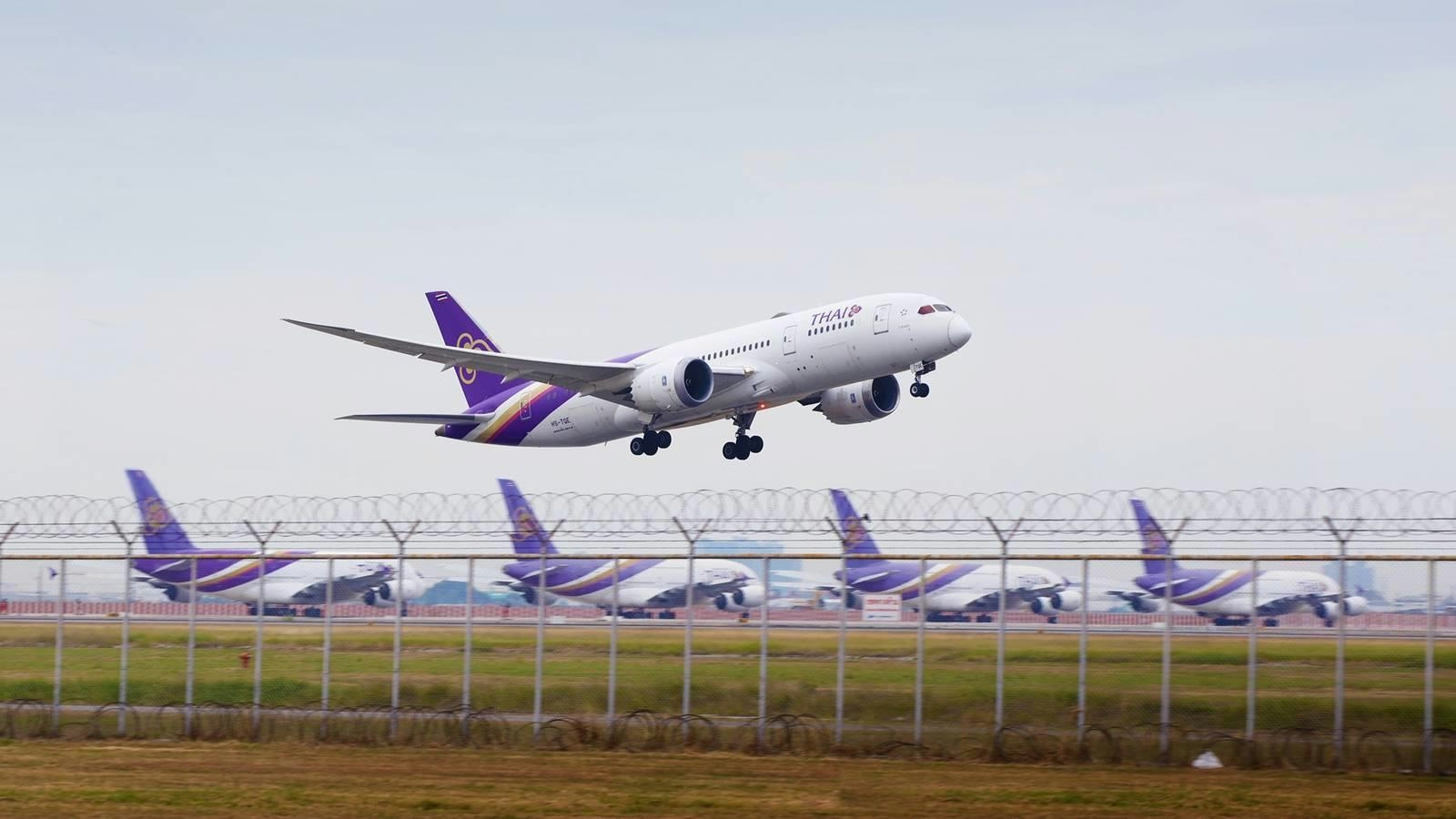
Thai Airways Pursues Widebody Aircraft to Strengthen Bangkok Hub Strategy
Thai Airways is actively seeking to expand its fleet with additional widebody aircraft as part of a broader effort to reinforce its position as a key regional hub carrier. This strategic shift aims to enhance connectivity through its Bangkok hub amid a challenging environment for Thailand’s tourism sector, which has recently experienced a downturn. The airline’s renewed focus on transit traffic reflects a desire to build a more diversified and resilient business model less dependent on fluctuating inbound tourism demand.
Strategic Focus on Transit Traffic and Fleet Renewal
At the CAPA Airline Leader Summit – Asia held in Singapore on 30 October 2025, CEO Chai Eamsiri highlighted the importance of boosting transit passenger volumes via Bangkok to mitigate the impact of volatile tourism flows. Following a significant fleet reduction during its 2020 restructuring, Thai Airways is now pursuing the acquisition of widebody aircraft that align with its revised operational strategy. In the near term, the airline plans to increase its number of leased widebodies while negotiating the conversion of existing options to expand its long-term order book.
Despite these ambitions, Thai Airways faces considerable challenges in executing its fleet expansion. The substantial costs associated with acquiring and maintaining widebody aircraft, combined with regulatory scrutiny and the complexities involved in integrating new aircraft into operations, present significant obstacles. Industry analysts have expressed doubts about the airline’s financial capacity to sustain such an ambitious renewal program, given its recent restructuring and ongoing recovery efforts.
Competitive Pressures in the Regional Hub Market
The competitive landscape further complicates Thai Airways’ plans. Rival carriers are simultaneously enhancing their hub strategies and expanding their widebody fleets to capture international connecting traffic. Turkish Airlines, for instance, is aggressively growing its long-haul network with new Boeing 787 aircraft and has acquired a stake in Air Europa to strengthen its European connections. Similarly, Ethiopian Airlines and Etihad Airways are investing in additional widebody aircraft, intensifying competition within the region.
As Thai Airways advances its fleet expansion and hub development initiatives, its ability to manage financial constraints, regulatory requirements, and competitive pressures will be crucial. The airline’s success in implementing this strategy will play a decisive role in determining its future standing as a leading connector in Asia’s increasingly crowded aviation market.

Etihad Airways Suspends Airbus A380 Flights on Key Route

Aditya Birla Group Seeks Approval for Aircraft Leasing in GIFT City

Qatar Airways Highlights Innovation and Connectivity at Arabian Travel Market 2026

Hong Kong's Five-Year Plan Includes Andrew Fan's Aircraft Parts Processing Hub Proposal

ACIA Aero Leasing Delivers ATR72-600 to Air Nostrum

RTX Appoints Jill Albertelli as Head of Pratt & Whitney

TAT Technologies Joins Beyond Aero Hydrogen Aircraft Program

AURAK Study Highlights Barriers to Air Taxi Adoption in Emerging Economies

Xiamen Air Selects Altitude for 787 Maintenance at Heathrow

Etihad and Swissport Extend Global Partnership
