
Orchestrate AI insights into action

Trending
Categories
Top 5 Airbus A380 Routes by Seat Capacity in 2026
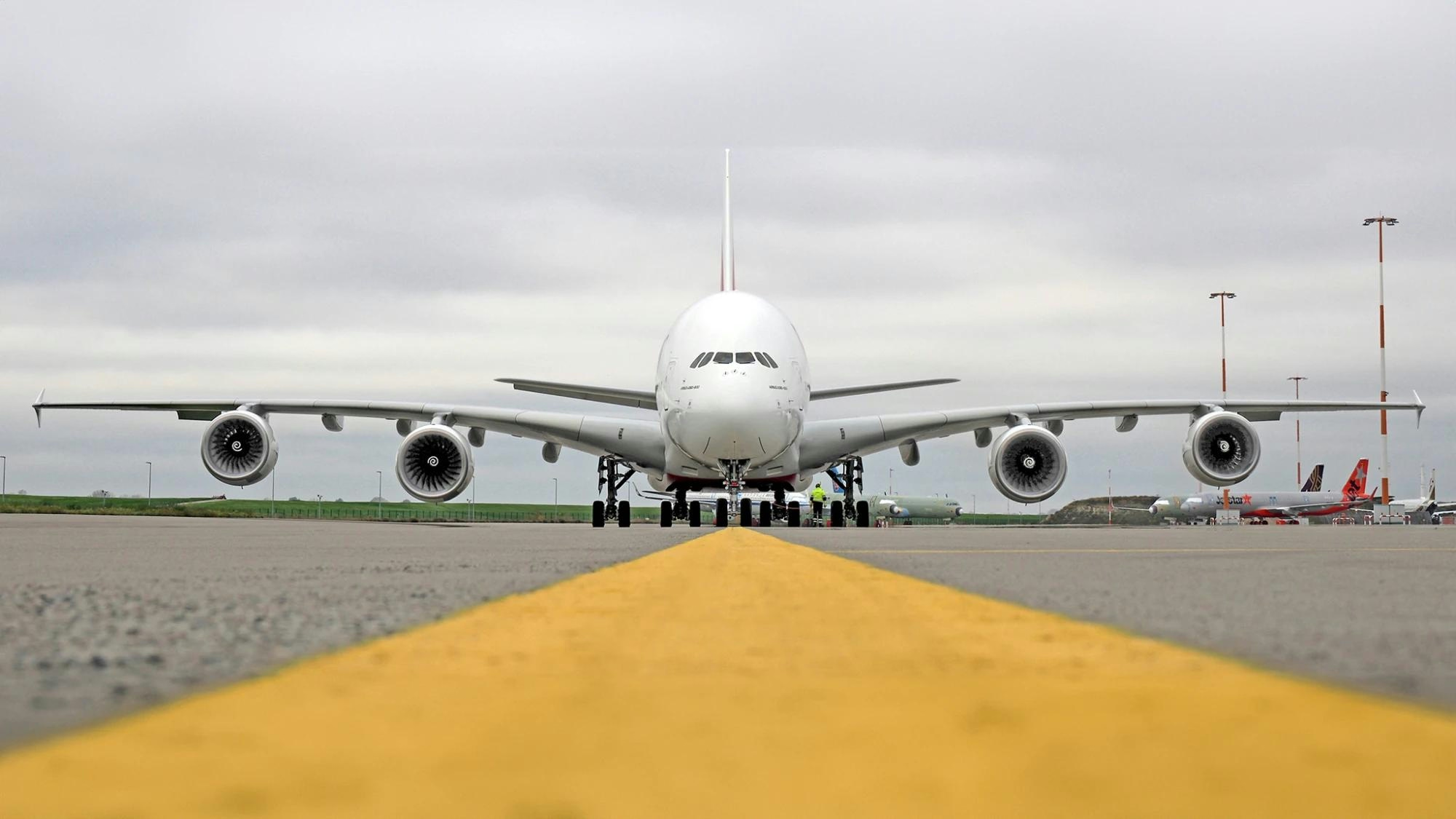
Top Airbus A380 Routes by Seat Capacity in 2026
The Airbus A380, renowned for its capacity to seat between 450 and 550 passengers, remains a distinctive presence in global aviation. Rather than operating multiple daily frequencies on a single route, airlines typically deploy the superjumbo to maximize capacity on high-demand corridors, particularly where airport slot availability is constrained. Most operators maintain relatively small A380 fleets, generally not exceeding a dozen aircraft, due to the limited number of routes capable of consistently filling such a large aircraft. Emirates is a notable exception, operating an extensive fleet of 116 A380s and utilizing them widely across its international network.
While Emirates often schedules a single daily A380 flight to many destinations, several routes feature multiple daily A380 services. According to data from aviation analytics firm Cirium, these routes represent the busiest A380 corridors worldwide by seat capacity in 2026, all operated by Emirates. However, these high-capacity routes face significant challenges, including geopolitical instability in the Middle East, which has already led to reductions in available seat capacity and necessitated route adjustments. Additionally, Airbus is contending with production constraints that may affect future A380 availability. The emergence of new competitors and ongoing consolidation among European carriers are also poised to reshape the competitive landscape.
Dubai – Cairo: Over One Million Seats in 2026
The route between Dubai International Airport (DXB) and Cairo International Airport (CAI) spans 1,306 nautical miles (2,416 kilometers), well within the A380’s operational range. Demand on this corridor remains robust, particularly for Emirates, which typically operates five daily flights, three of which are serviced by the A380. EgyptAir also serves the route, primarily with smaller narrowbody aircraft.
Emirates deploys its three-class A380s on the Dubai-Cairo route, offering between 489 and 519 seats, including first-class accommodations but excluding premium economy. The remaining flights are operated with Boeing 777-300ER aircraft configured with 421 seats across two classes. In 2026, Emirates is scheduled to operate 2,178 A380 flights on this route, providing over one million seats. The A380’s premium cabins enable Emirates to attract higher-yield passengers while maintaining substantial economy capacity.
Dubai – Jeddah: High Frequency and Capacity
Emirates plans to operate 2,254 A380 flights between Dubai and Jeddah in 2026, averaging three daily services with additional flights during peak periods. Covering 919 nautical miles (1,701 kilometers), this route is served exclusively by the A380 for Emirates, competing with Saudia and flydubai, which operate narrowbody aircraft. The relatively short flight time of approximately three hours highlights the A380’s role in efficiently transporting large numbers of passengers on high-demand regional routes.
Industry Challenges and Market Dynamics
Despite the impressive seat capacities on these routes, the future of the A380 faces considerable uncertainty. Geopolitical tensions in the Middle East have already compelled airlines to reduce seat capacity and reroute flights, directly affecting A380 operations, particularly on routes traversing conflict zones. Airbus is also grappling with production challenges that may constrain the availability of new A380 aircraft, potentially limiting future deployments.
At the same time, new entrants such as Riyadh Air are launching long-haul services to destinations including the United States, intensifying competition and prompting established carriers to reevaluate their network strategies. Concurrently, consolidation among major European airlines, including Lufthansa and Air France-KLM, may reduce competition on some of the busiest A380 routes, further influencing the market dynamics in the coming years.

Etihad Deploys Widebody Fleet to Meet Strong Demand
Korean Air Finalizes $36.2 Billion Deal with Boeing
Australia’s RFDS Queensland Section Orders Six King Air 260Cs

Korean Air Finalizes Order for 103 Boeing Jets and Engines
Embraer E195-E2 Features Distinctive Engine Placement Among Regional Jets
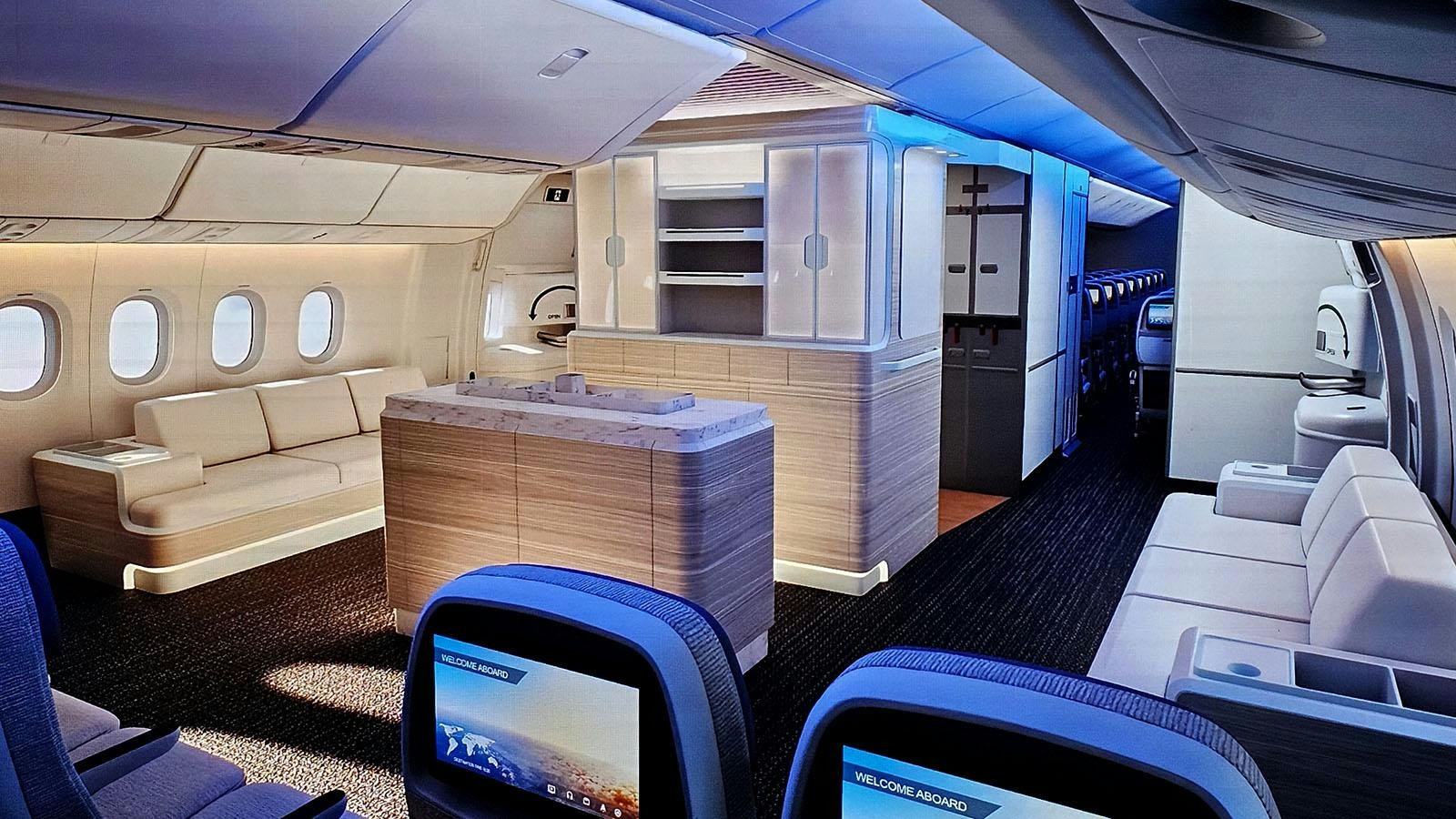
What Passengers Can Expect on Boeing’s New 777X Jet
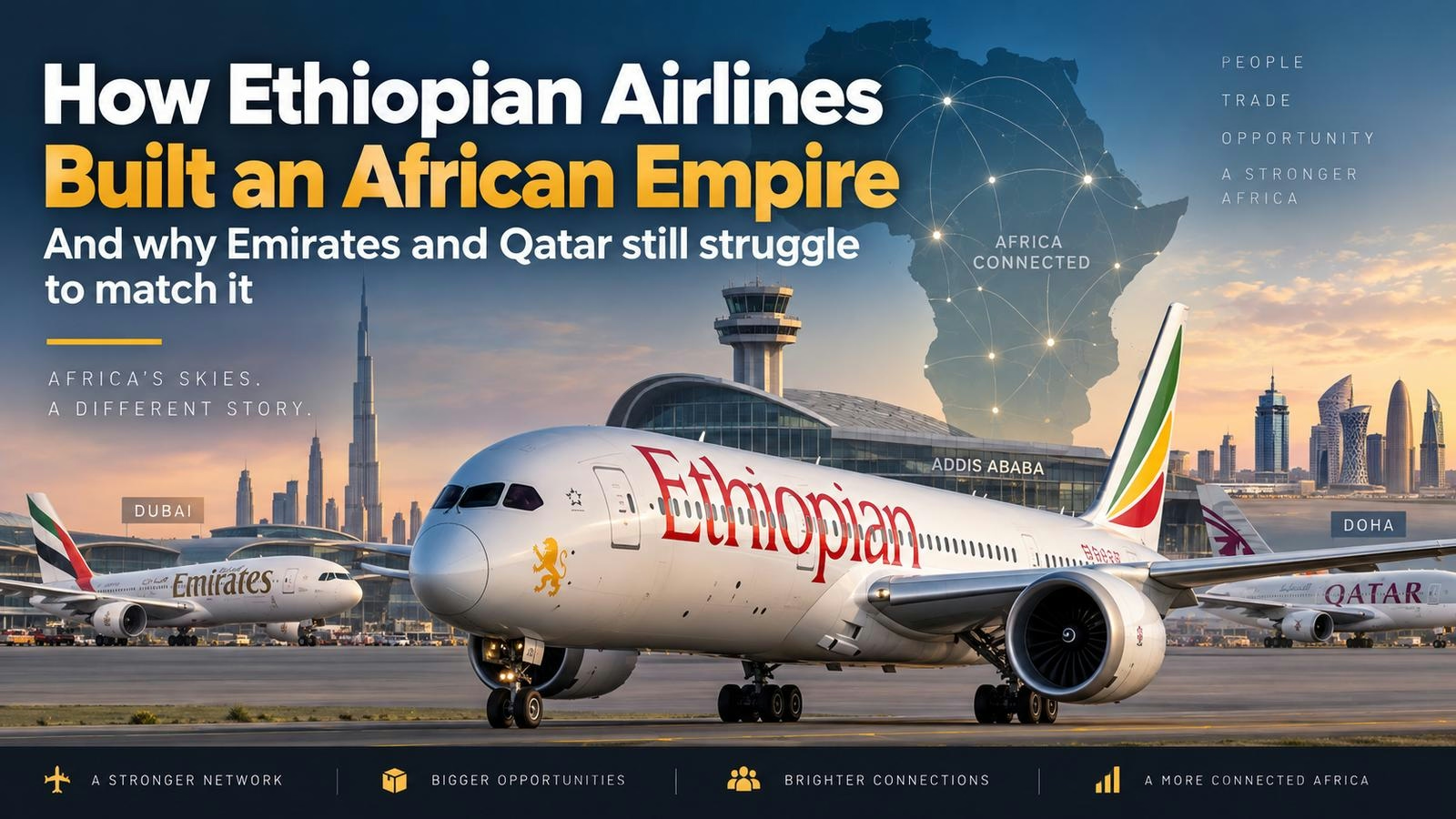
How Ethiopian Airlines Became Africa’s Leading Carrier Amid Gulf Competition
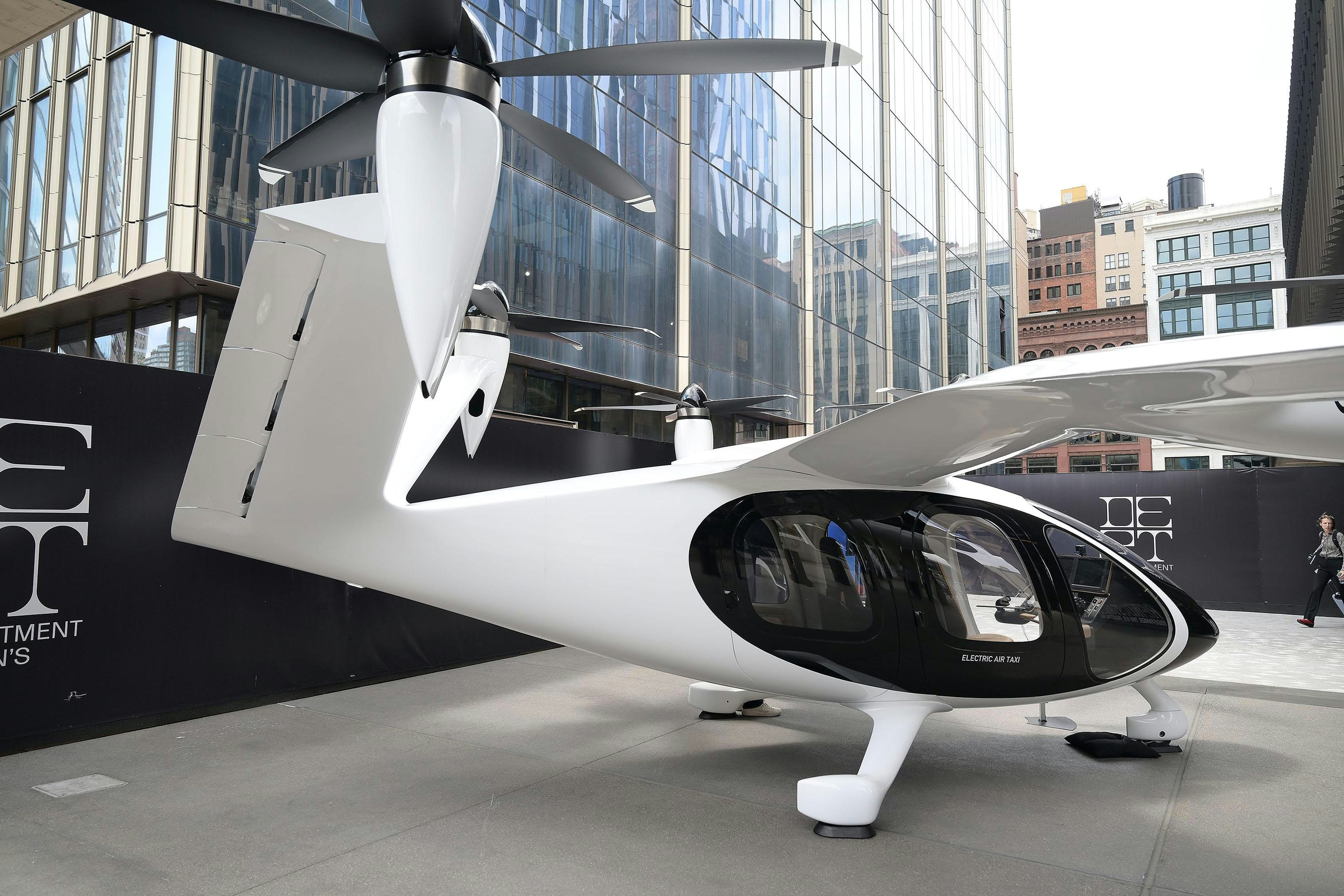
Joby Aviation Extends Autonomous Flight Capabilities with Cross-Country Tour
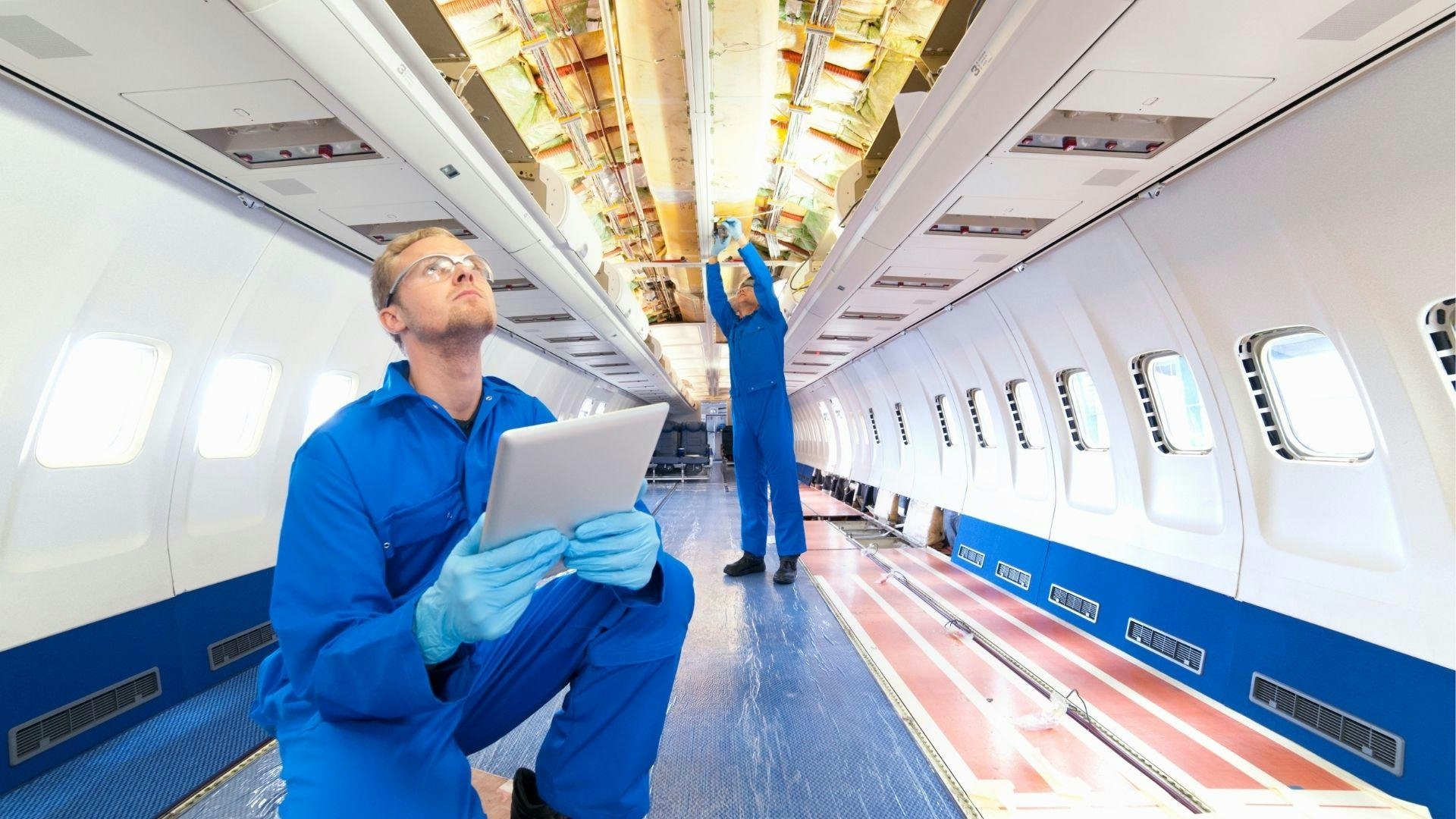
Strengthening Europe's Aviation Supply Chain Amid Uncertainty
The Evolution of the Aircraft Maintenance Engineer Role
