
Orchestrate AI insights into action

Trending
Categories
Understanding Wet, Dry, and Damp Leases in the Airline Industry
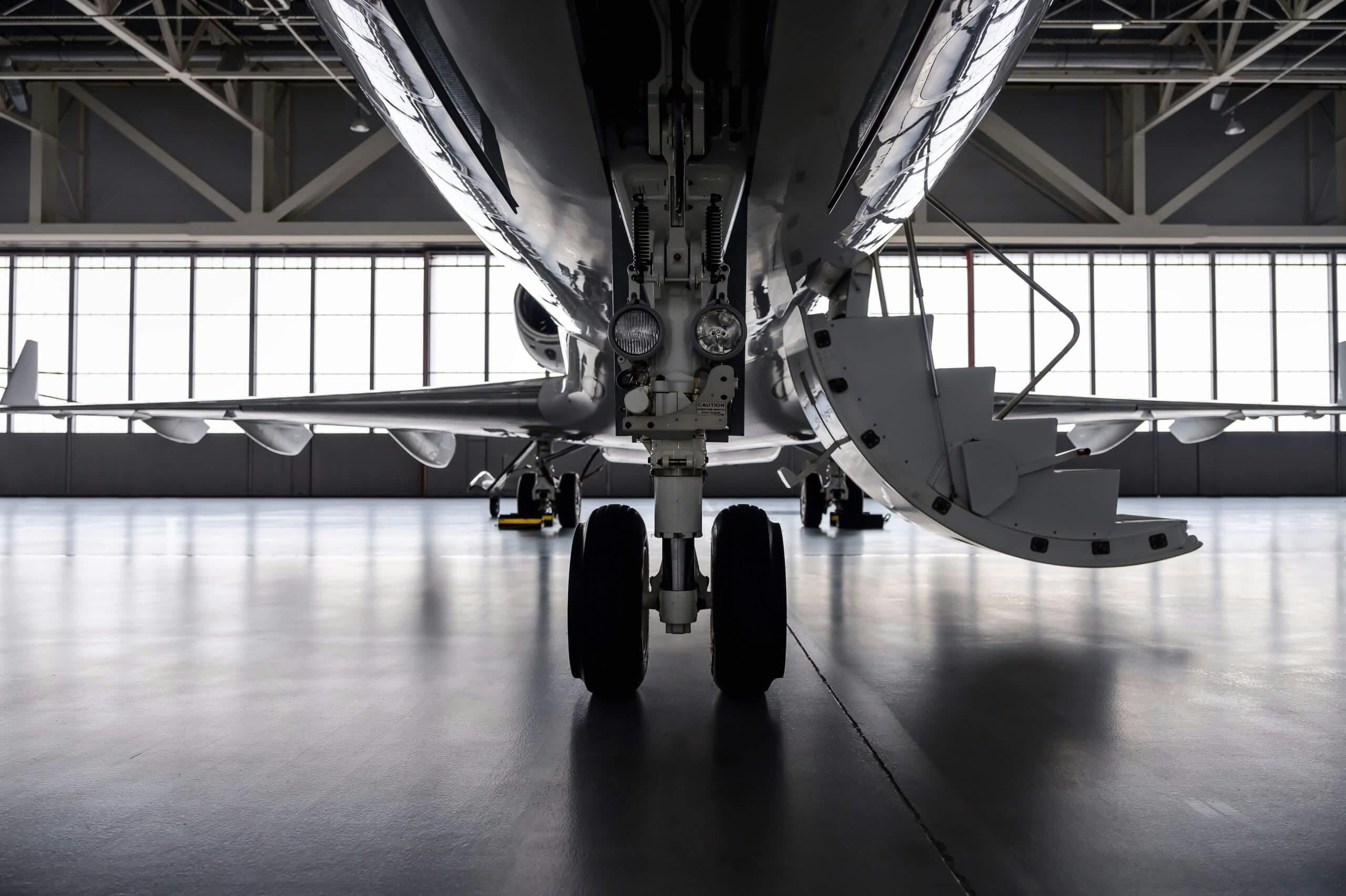
Understanding Wet, Dry, and Damp Leases in the Airline Industry
Airline leasing arrangements often go unnoticed by passengers, yet they play a crucial role in how airlines manage their fleets and operations. When travelers board a flight and notice discrepancies between the aircraft’s branding and their ticket or experience unfamiliar crew uniforms and cabin interiors, they may be witnessing the effects of these leasing agreements. The fundamental distinction among wet, dry, and damp leases lies in the extent of operational responsibility retained by the leasing airline.
The Three Main Lease Types
A wet lease, also referred to as ACMI (Aircraft, Crew, Maintenance, and Insurance), represents the most comprehensive form of leasing. In this arrangement, the leasing airline provides not only the aircraft but also the pilots, cabin crew, maintenance services, and insurance coverage. The airline that leases the aircraft is responsible primarily for ticket sales and scheduling. Wet leases are typically employed as short-term solutions, often to address unexpected aircraft shortages or to manage seasonal demand surges. For example, Norwegian Airlines relied extensively on wet leases to sustain its long-haul operations during periods when its Boeing 787 fleet experienced engine problems, despite the significant costs involved.
The damp lease model offers a hybrid approach. Under this arrangement, the leasing airline supplies the aircraft and pilots, while the lessee airline provides its own cabin crew. Maintenance and insurance responsibilities generally fall to the airline operating the flight. This structure allows the lessee greater operational integration while still benefiting from external aircraft and flight crew resources.
In contrast, a dry lease involves the leasing airline providing only the aircraft. The lessee airline assumes full responsibility for pilots, cabin crew, maintenance, and insurance. Dry leases are commonly used for longer-term fleet expansion or replacement strategies, granting airlines enhanced control over their operations and branding.
Navigating Challenges and Market Dynamics
Selecting the appropriate leasing arrangement requires airlines to carefully balance operational needs, financial considerations, and strategic objectives. Wet leases, while costly, offer immediate capacity and operational readiness, making them suitable for short-term contingencies. Dry leases provide greater flexibility and control but demand more extensive operational resources from the lessee.
The market’s response to these leasing strategies can influence broader fleet management decisions. For instance, Brussels Airlines has recently announced the cessation of its A330 expansion and plans to phase out wet leases by 2027, signaling a strategic move toward increased operational autonomy. Similarly, Alliance Aviation Services has renegotiated its wet-lease agreement with Qantas, reducing the number of Embraer 190 aircraft operated on behalf of the airline. These developments reflect shifting priorities and cost management efforts within the industry.
Conclusion
Wet, damp, and dry leases serve as vital mechanisms enabling airlines to adapt to fluctuating market demands, operational challenges, and financial pressures. While passengers may occasionally encounter aircraft and crews that differ from their expectations, these leasing arrangements remain essential tools for airlines striving to maintain agility and competitiveness in a dynamic global aviation landscape.
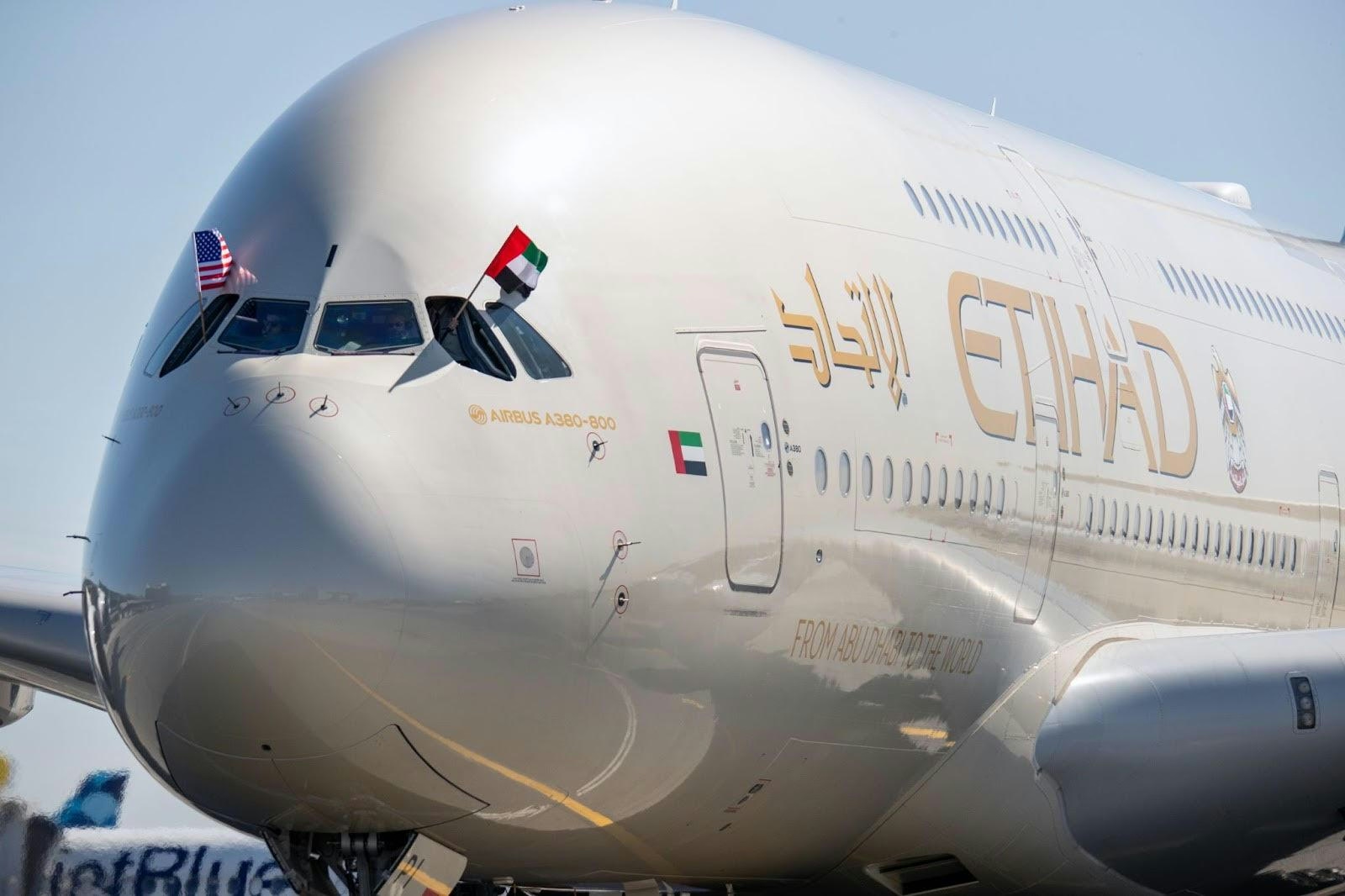
Etihad Airways Suspends Airbus A380 Flights on Key Route

Aditya Birla Group Seeks Approval for Aircraft Leasing in GIFT City
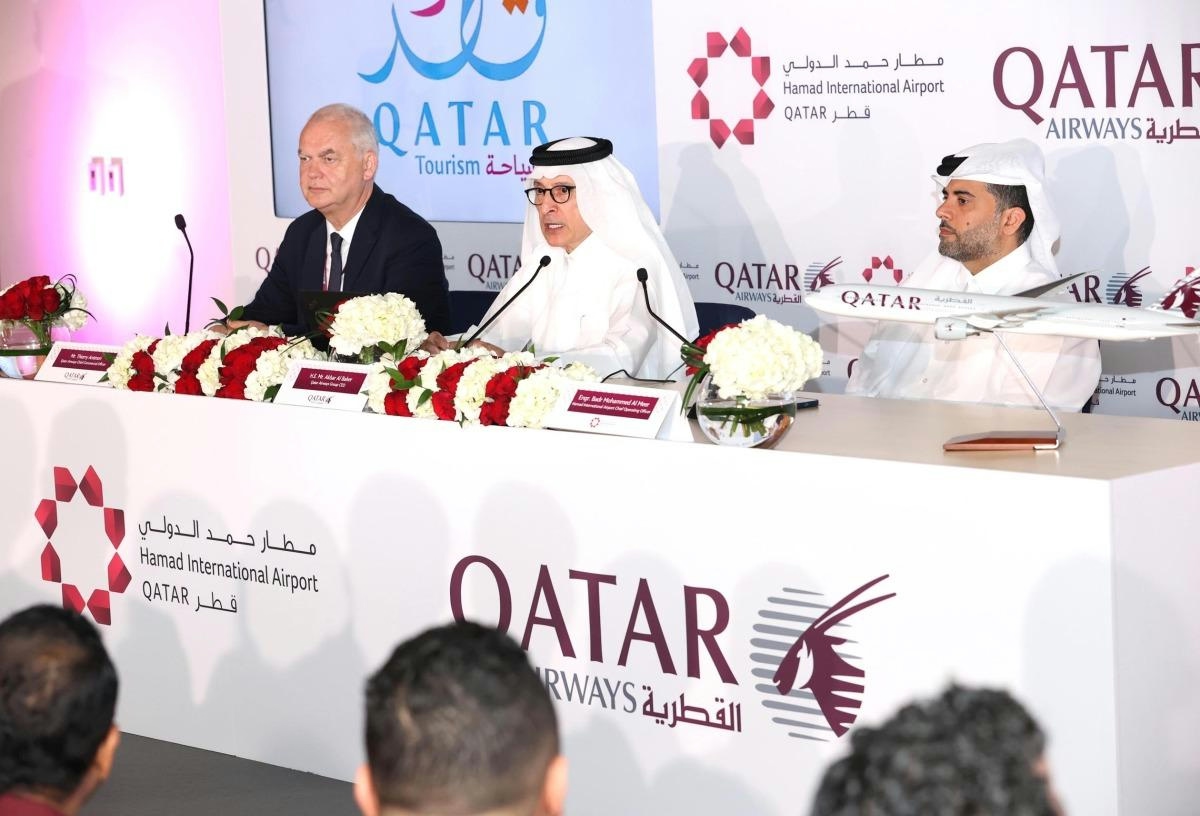
Qatar Airways Highlights Innovation and Connectivity at Arabian Travel Market 2026
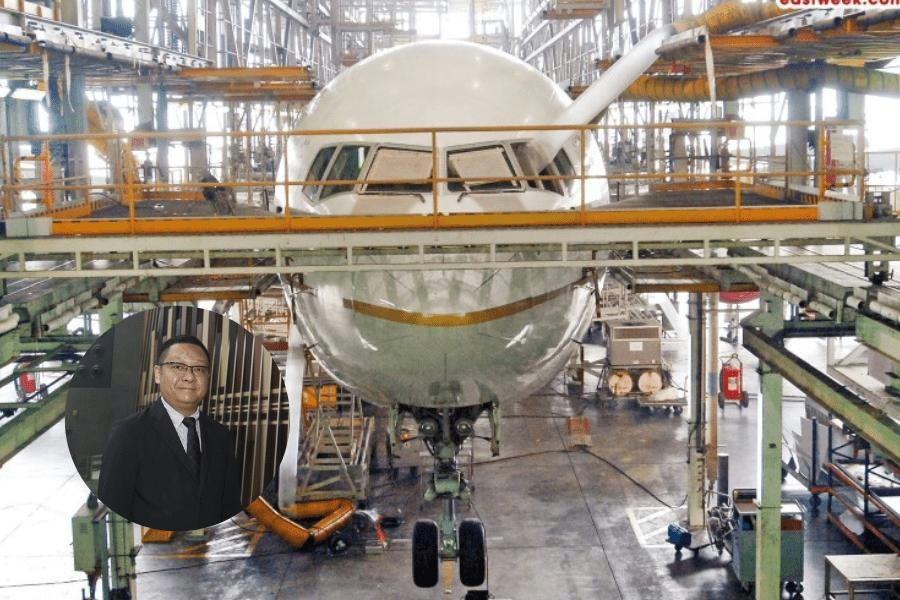
Hong Kong's Five-Year Plan Includes Andrew Fan's Aircraft Parts Processing Hub Proposal
ACIA Aero Leasing Delivers ATR72-600 to Air Nostrum
RTX Appoints Jill Albertelli as Head of Pratt & Whitney
TAT Technologies Joins Beyond Aero Hydrogen Aircraft Program
AURAK Study Highlights Barriers to Air Taxi Adoption in Emerging Economies
Xiamen Air Selects Altitude for 787 Maintenance at Heathrow
Etihad and Swissport Extend Global Partnership
