
Orchestrate AI insights into action

Trending
Categories
Which Technology Will Transform Aviation in the Next 20 Years?
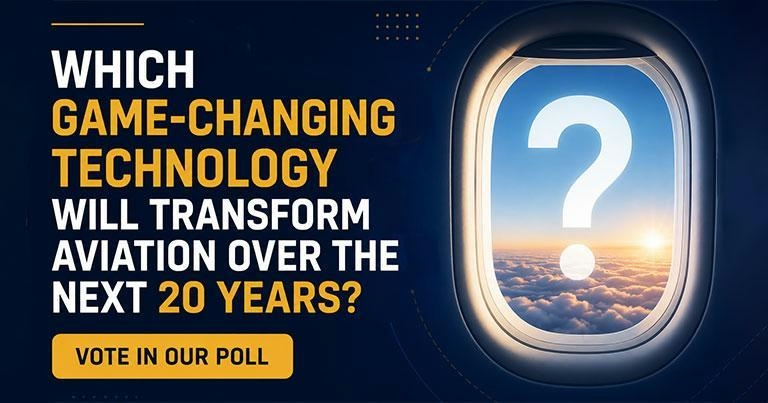
Which Technology Will Transform Aviation in the Next 20 Years?
As Future Travel Experience (FTE) approaches its 20th anniversary in 2026, the global air transport industry faces a critical question: which technology will most profoundly transform aviation over the coming two decades? The rapid acceleration of innovation in aviation encompasses a broad spectrum of advancements, from artificial intelligence and robotics to seamless travel experiences and the emerging possibility of commercial space tourism. These developments are poised to redefine every facet of the passenger journey, airport operations, and airline business models.
To commemorate this milestone, FTE has initiated a special industry poll inviting aviation professionals worldwide to identify the technology they believe will shape the future of air travel. The results of this poll will be revealed at the 20th anniversary FTE Global event, scheduled to take place in Dallas, Texas, from September 8 to 10, 2026.
Emerging Technologies and Industry Perspectives
Max Gosney, Managing Director of APEX Future Travel Experience, emphasized the organisation’s commitment to anticipating transformative technologies. He remarked, “Future Travel Experience has always taken pride in being first to look over the horizon and grasp the next big technology about to transform the passenger journey. This poll invites our community to join the debate and identify what has the greatest potential to redefine the way we travel. Is it advanced AI, ramp-ready robots, or something entirely unexpected? When FTE Global launched in 2006, flip phones, iPods, and Facebook were at the forefront of the digital age. What will another two decades of innovation bring by 2046?”
Among the technologies under consideration are advanced artificial intelligence—including agentic AI, autonomous decision-making systems, and the prospect of artificial general intelligence (AGI)—as well as fully autonomous vehicles operating without human oversight. The potential for commercial space travel, encompassing interplanetary aviation and tourist flights to the Moon and Mars, also features prominently. Additionally, the industry is exploring always-on connectivity through 6G, satellite networks, and edge computing to enable fully connected passengers, aircraft, and airports. Operation-ready robots capable of performing tasks on the ramp and in baggage halls, alongside digital twins—virtual human counterparts designed to enhance workplace productivity—are also highlighted as transformative innovations.
Challenges and Regional Opportunities
Despite the promise of these technologies, significant challenges remain. Scaling zero-emission and hybrid-powered aircraft to commercial viability continues to be a formidable obstacle, compounded by the need for substantial investment to support innovative companies. The competitive landscape is intensifying, particularly between China and the United States, where aggressive investments in new propulsion technologies and market strategies are underway. Market dynamics are increasingly shifting toward sustainable aviation fuels and technologies, driven by mounting environmental concerns and regulatory pressures.
Europe finds itself at a pivotal juncture. With appropriate legislative frameworks, funding mechanisms, and a robust industrial base, the continent has the potential to lead the next wave of aviation innovation. However, integrating new technologies into existing aviation infrastructure will require navigating complex regulatory, operational, and financial challenges.
As the aviation industry reflects on two decades of transformative progress, the next 20 years promise even greater change. The global aviation community is invited to participate in shaping this future by casting their votes and sharing their visions, acknowledging that technological breakthroughs must be matched by the capacity to overcome integration, competition, and sustainability challenges.
Etihad Airways Suspends Airbus A380 Flights on Key Route

Aditya Birla Group Seeks Approval for Aircraft Leasing in GIFT City
Qatar Airways Highlights Innovation and Connectivity at Arabian Travel Market 2026
Hong Kong's Five-Year Plan Includes Andrew Fan's Aircraft Parts Processing Hub Proposal
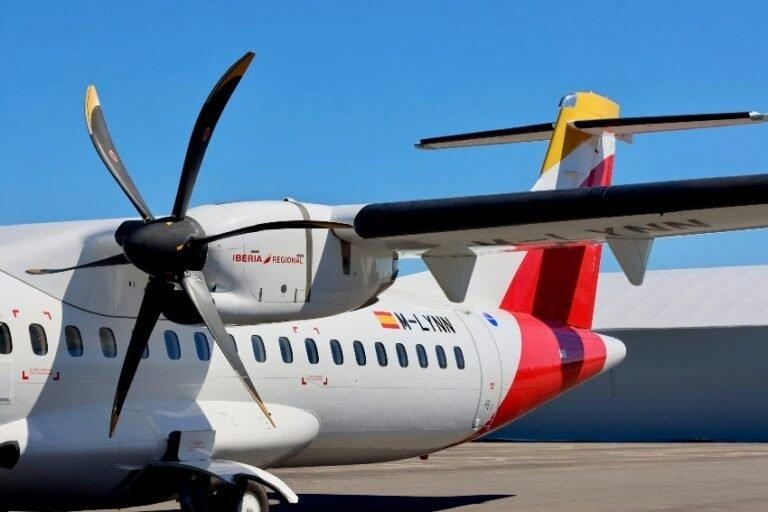
ACIA Aero Leasing Delivers ATR72-600 to Air Nostrum
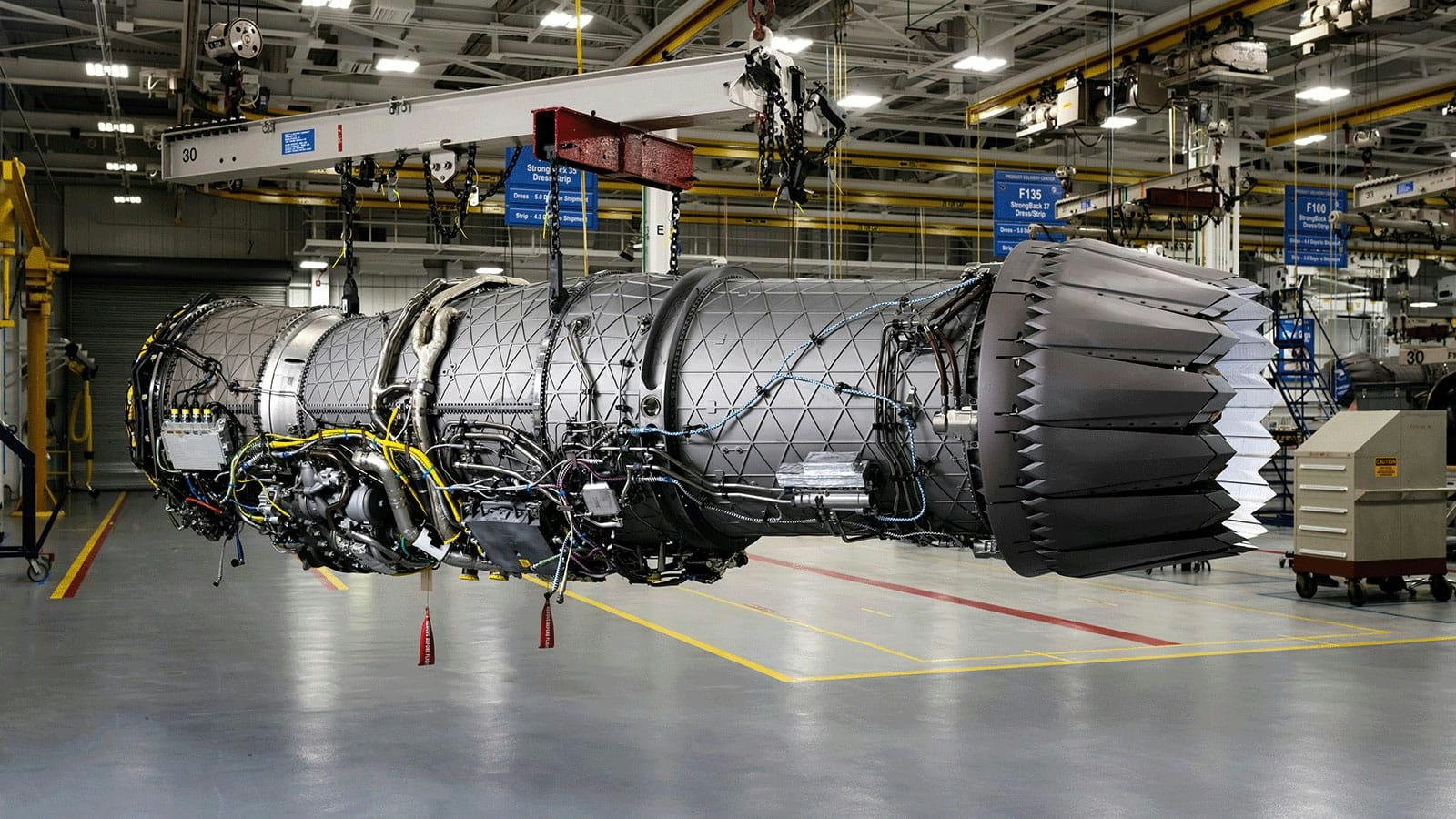
RTX Appoints Jill Albertelli as Head of Pratt & Whitney

TAT Technologies Joins Beyond Aero Hydrogen Aircraft Program

AURAK Study Highlights Barriers to Air Taxi Adoption in Emerging Economies
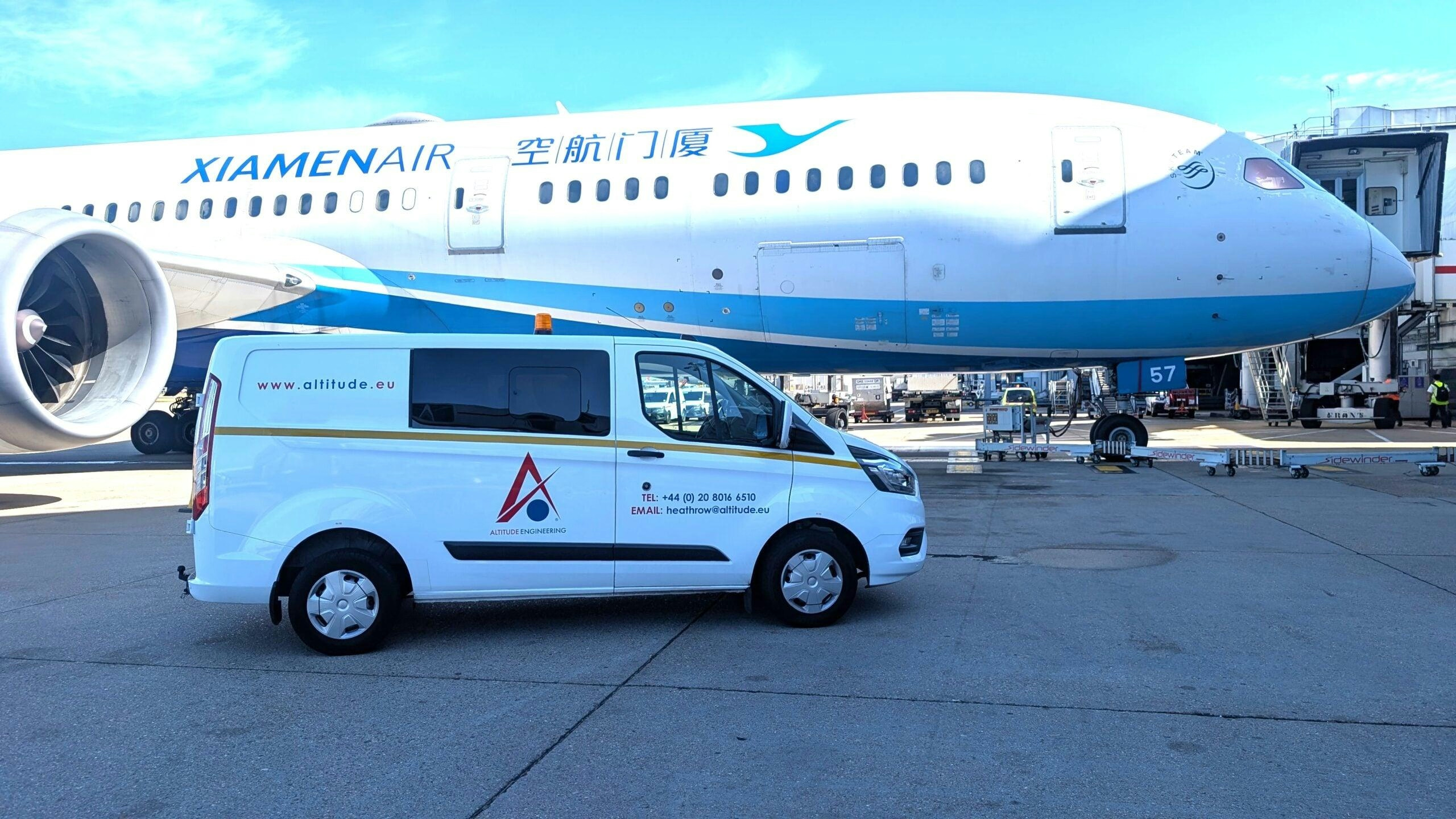
Xiamen Air Selects Altitude for 787 Maintenance at Heathrow
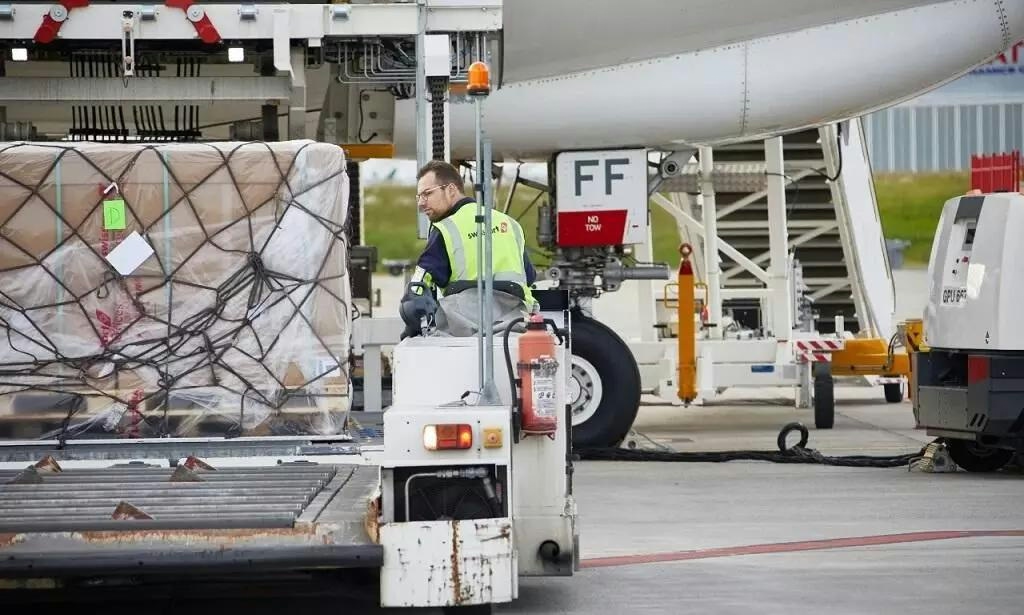
Etihad and Swissport Extend Global Partnership
