
Orchestrate AI insights into action

Trending
Categories
Why Pilots Favor the Boeing 787 Dreamliner
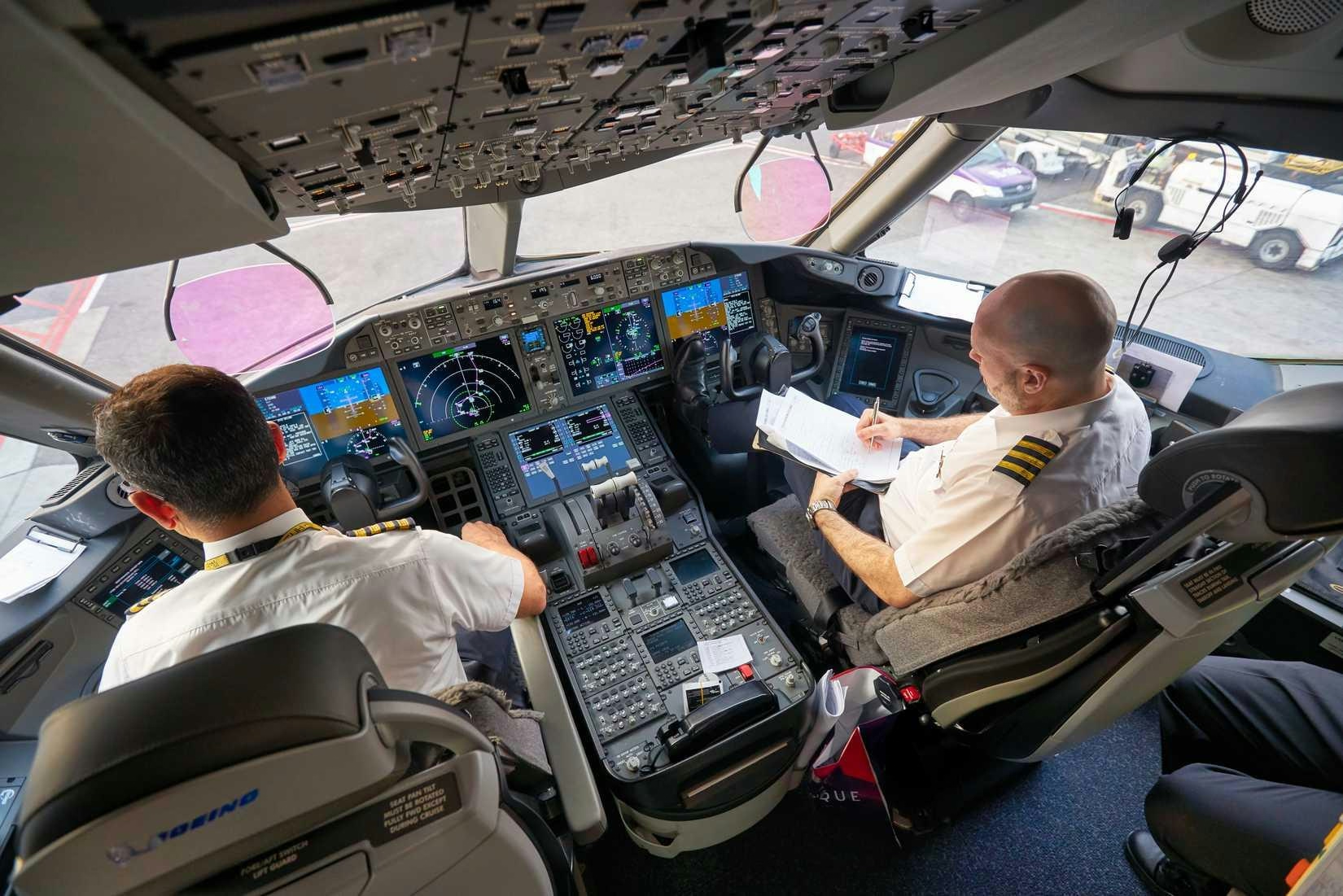
Why Pilots Favor the Boeing 787 Dreamliner
The Boeing 787 Dreamliner has earned widespread acclaim not only from passengers but also from pilots, who prioritize a distinct set of features that enhance their operational experience. While travelers often appreciate the aircraft’s larger windows, quieter cabin, and smoother ride, pilots value the Dreamliner’s cutting-edge technology, operational versatility, and cockpit ergonomics—attributes that make it particularly well-suited for the demands of modern long-haul aviation.
Advanced Technology and Operational Efficiency
A primary reason for the 787’s popularity among pilots is its exceptional fuel efficiency. The extensive use of composite materials in its construction significantly reduces fuel consumption, offering a crucial advantage on extended routes. This efficiency benefits airlines economically and aligns with the aviation sector’s increasing emphasis on sustainability. Complementing this are the Dreamliner’s advanced avionics and quieter, more efficient engines, which collectively enhance operational performance and simplify the management of complex, lengthy flights.
The aircraft’s impressive range and performance capabilities enable airlines to operate nonstop routes that older widebody models could not serve as effectively. For pilots, this translates into a highly adaptable aircraft capable of fulfilling a broad spectrum of mission profiles. The thoughtfully designed flight deck and dedicated crew rest areas further contribute to a more comfortable and less fatiguing environment during ultra-long-haul operations.
Enhanced Comfort and Flight Experience
Pilots frequently highlight the Dreamliner’s improved cabin environment as a significant benefit. Features such as fresher cabin air, a lower effective cabin altitude, and increased humidity levels help mitigate fatigue on flights that often extend beyond a typical workday. These enhancements are especially valued on long-haul sectors, where maintaining crew alertness and comfort is critical.
Another notable advantage is the 787’s superior high-altitude performance. Its combination of altitude capability, advanced wing design, and ride-control technology allows it to operate above much of the turbulence that typically affects aircraft flying at lower altitudes. Pilots observe that while other jets often encounter rough air in the mid-30,000-foot range, the Dreamliner can frequently climb higher, providing a smoother ride for both crew and passengers. The wing’s distinctive flexibility, visible during flight, plays a central role in the aircraft’s efficiency and stability at cruising altitude.
Boeing has also integrated state-of-the-art turbulence detection and mitigation systems into the 787. These technologies automatically sense and counteract turbulence, reducing the severity of bumps experienced during flight. For pilots, this translates into less time spent maneuvering around adverse weather, fewer disruptions on the flight deck, and a more consistent operational flow.
Market Impact and Industry Response
The market has responded positively to the Dreamliner, with airlines recognizing its economic and environmental advantages. In turn, competitors such as Airbus have introduced comparable fuel-efficient models, including the A350, to address the growing demand for sustainable aviation solutions.
The Boeing 787 Dreamliner distinguishes itself as a preferred aircraft among pilots due to its combination of fuel efficiency, advanced technology, operational flexibility, and enhanced comfort—qualities that make it one of the most practical and enjoyable widebody aircraft currently in service.

Etihad and Swissport Extend Global Partnership

Sepehran Airlines B737 Returns to Mashhad After Tyre and Engine Issues

Etihad Deploys Widebody Fleet to Meet Strong Demand

Korean Air Finalizes $36.2 Billion Deal with Boeing

Australia’s RFDS Queensland Section Orders Six King Air 260Cs

Korean Air Finalizes Order for 103 Boeing Jets and Engines
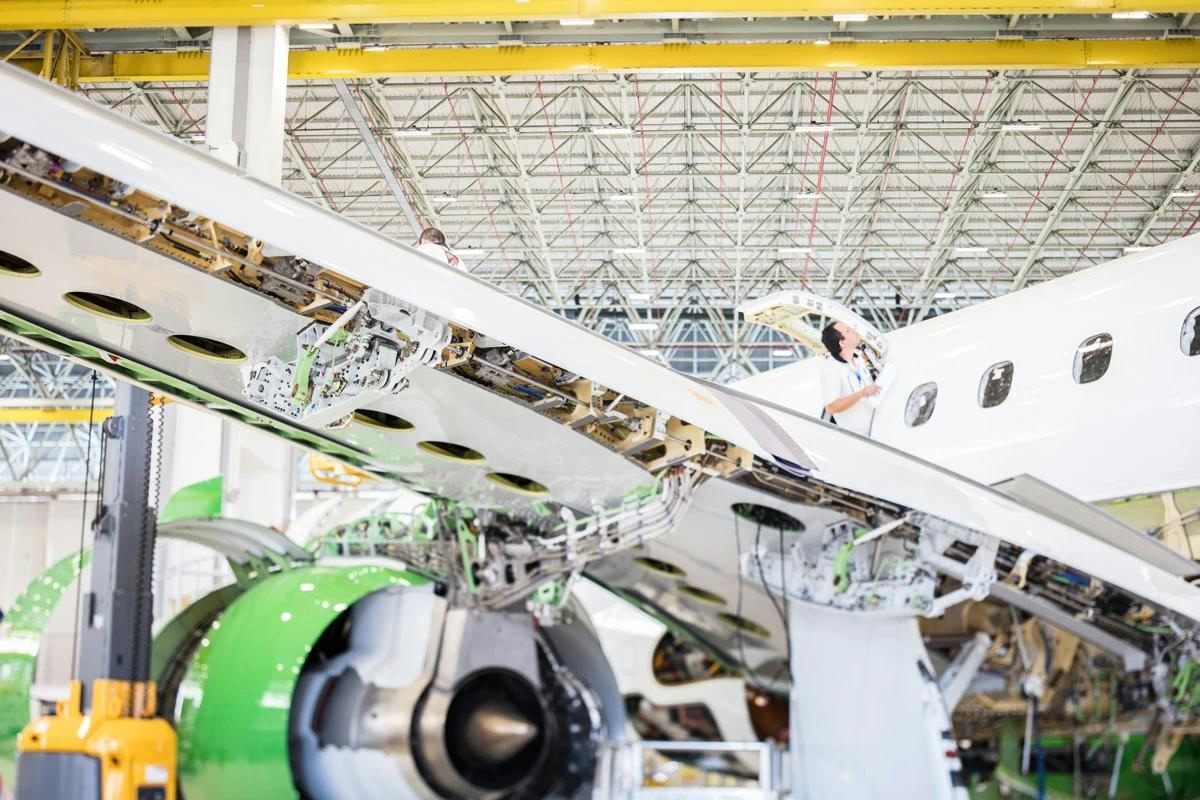
Embraer E195-E2 Features Distinctive Engine Placement Among Regional Jets
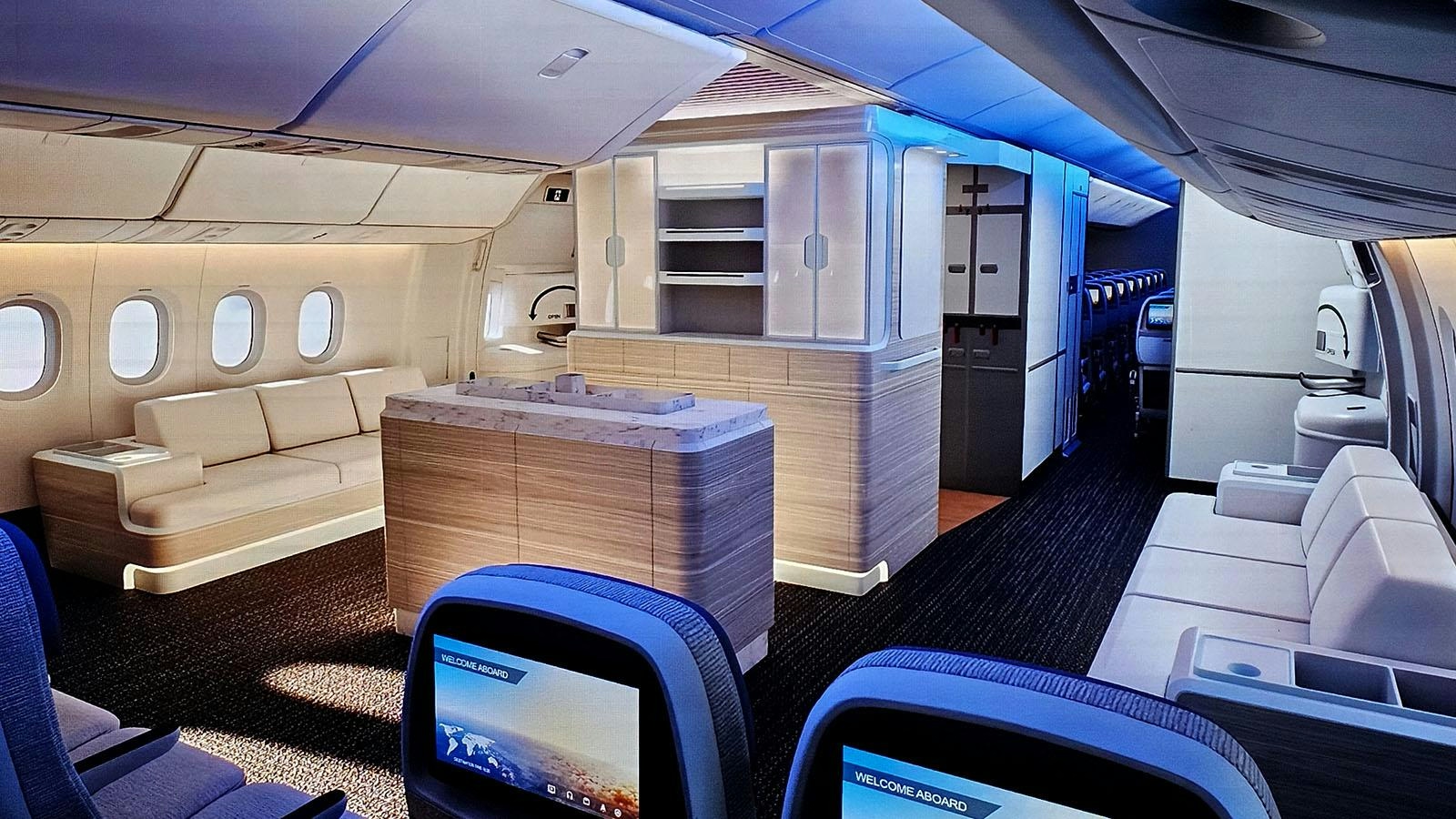
What Passengers Can Expect on Boeing’s New 777X Jet

How Ethiopian Airlines Became Africa’s Leading Carrier Amid Gulf Competition
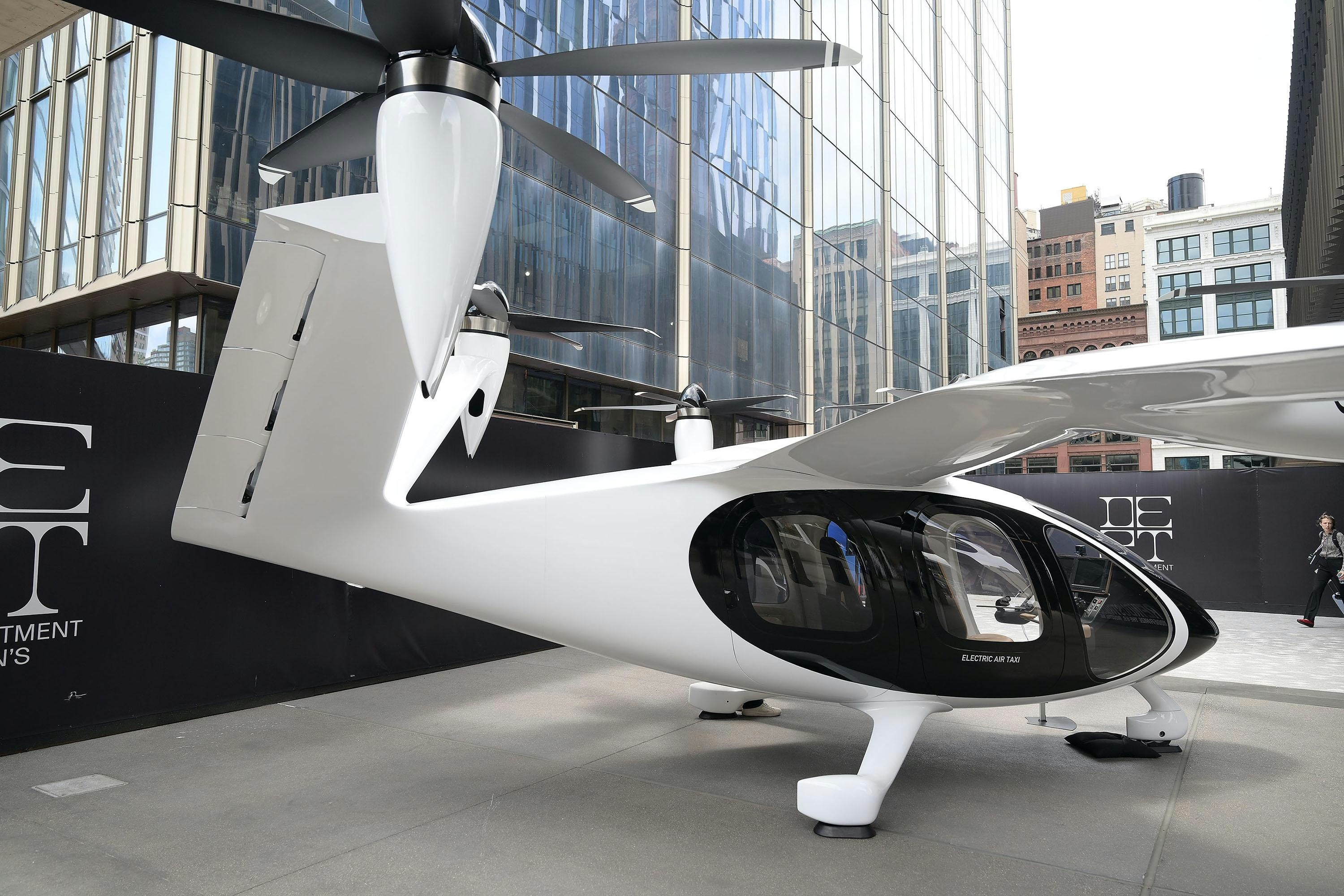
Joby Aviation Extends Autonomous Flight Capabilities with Cross-Country Tour
