Image

AeroGenie — Your Intelligent Copilot.

Ask anything. Analyze everything. Act instantly.

Trending

Categories

White House directive prioritizes U.S.-made drones, accelerates BVLOS and eVTOL integration
June 10, 2025By ePlane AI
White House directive prioritizes U.S.-made drones, accelerates BVLOS and eVTOL integration
0
0
U.S.-Made Drones
BVLOS Integration
eVTOL Aircraft

White House Directive Prioritizes U.S.-Made Drones and Accelerates BVLOS and eVTOL Integration

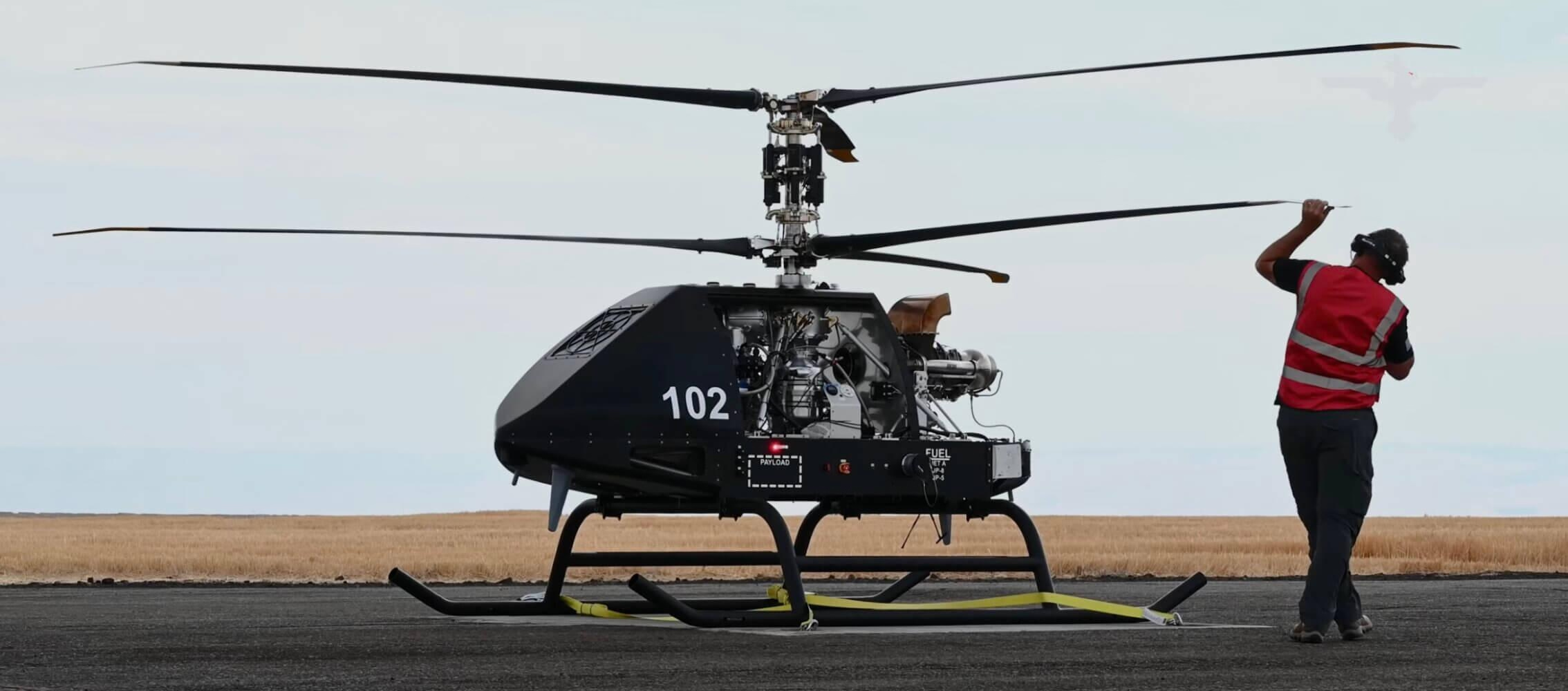
The White House has issued a series of executive orders designed to expedite the development and deployment of unmanned aircraft systems (UAS) and electric vertical takeoff and landing (eVTOL) aircraft, with a pronounced focus on American-made technologies. These directives emphasize the transformative potential of drones across various sectors, including logistics, infrastructure inspection, agriculture, emergency response, and public safety. Additionally, the orders highlight the role of eVTOL aircraft in modernizing cargo delivery and passenger transportation.

Emphasis on Domestic Production and National Security

At the core of the administration’s strategy is an “America-first” policy that prioritizes U.S.-manufactured drones and components. This approach aims to reduce reliance on foreign suppliers, particularly amid national security concerns surrounding Chinese-made drones. The directive seeks to strengthen domestic supply chains and expand U.S. production capabilities to serve both national and international markets.

A significant element of the order is the facilitation of routine Beyond Visual Line of Sight (BVLOS) operations. The Federal Aviation Administration (FAA) has been instructed to accelerate regulatory reforms that support BVLOS flights, utilizing existing UAS test ranges and safety data. The FAA will also revise its roadmap for integrating drones into the national airspace, with a focus on BVLOS, autonomous operations, and advanced air mobility (AAM) applications.

To foster innovation, the directive introduces an eVTOL Integration Pilot Program (eIPP), which builds upon the existing BEYOND initiative. This program will support at least five public-private partnerships featuring U.S.-developed technologies, with outcomes intended to inform future regulatory frameworks for safe eVTOL operations.

National security considerations remain paramount. Federal agencies are directed to prioritize American-made drones, enhance oversight of high-risk suppliers, and secure critical components from foreign influence. The establishment of a “Covered Foreign Entity List” will assist in identifying and mitigating supplier risks, while further rulemaking will aim to protect U.S. supply chains. The Department of Defense is also tasked with exploring the integration of drones to augment military capabilities.

Industry Impact and International Outreach

The directive’s emphasis on domestic production and supply chain security is expected to drive significant changes within the drone industry. U.S. manufacturers may encounter heightened competition as they scale operations to meet increased demand, while supply chains dependent on foreign components could face disruption. Industry players are likely to respond by bolstering domestic manufacturing, securing supply chains, and advocating for favorable regulatory environments.

On the international stage, the order calls for the expedited export of U.S.-made civil drones to allied countries, supported by coordinated efforts from trade and development agencies. Furthermore, a newly established Federal Task Force will assess UAS-related threats and recommend protective measures, including restrictions on drone operations over sensitive sites and critical infrastructure.

Industry leaders have expressed support for the directive. Adam Bercu, CEO of Guardian Agriculture, remarked, “Prioritizing American-made drones for regulatory approvals aligns national security with industrial policy. It sends a clear signal: the U.S. is serious about rebuilding domestic manufacturing capacity in critical tech sectors. This is a solid first step toward making the U.S. the leader in drone technology again.”

While the directive charts an ambitious course for U.S. drone and eVTOL integration, its ultimate success will depend on effective regulatory adaptation, collaboration across industry stakeholders, and the ability to manage potential market and supply chain challenges.

More news
ACG Pursues Top 10 Position in Aircraft Leasing
ACG Pursues Top 10 Position in Aircraft Leasing

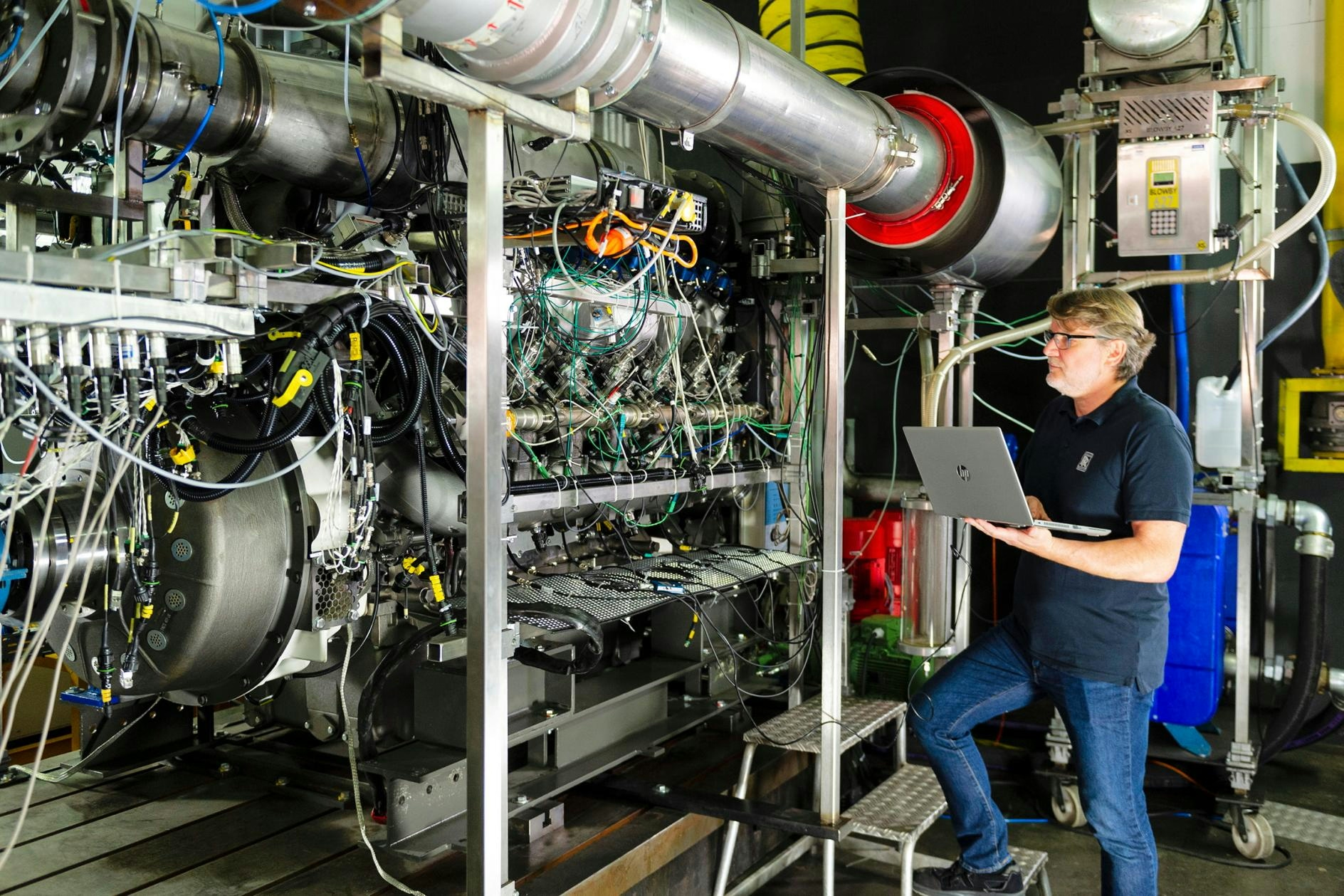
ACG Pursues Top 10 Position in Aircraft Leasing with Major Boeing Order Strategic Expansion Amid Industry Consolidation Aviation Capital Group (ACG) is intensifying its growth efforts with a substantial order for 50 Boeing 737 MAX aircraft, signaling its ambition to secure a place among the world’s top 10 aircraft lessors. This move comes as the aircraft leasing industry undergoes significant consolidation, with firms seeking scale to maintain competitiveness in a volatile market. The order is evenly divided between the 737-8 and 737-10 variants, elevating ACG’s total portfolio to more than 500 aircraft owned, managed, or on order. Notably, ACG now holds the largest order book for the MAX 10 model among lessors. This expansion reflects the company’s strategic response to intensifying competition, as rival lessors are expected to counter with larger acquisitions or strategic alliances to protect their market shares. Leadership Perspective and Market Positioning Tom Baker, ACG’s CEO, emphasized the importance of scale in the evolving leasing landscape during the Airline Economics conference, the industry’s largest annual event. He stated, “We want to be large enough to be relevant to our customers. We do think being top 10-ish is critically important.” Baker highlighted that ACG, a subsidiary of Tokyo Century Corp, is adapting to a more international and sophisticated market environment while maintaining a disciplined approach to acquisitions. Despite pursuing growth, ACG recently withdrew from the competitive bidding process for Macquarie AirFinance, a rival with over 300 owned and committed aircraft. The decision was driven by a highly competitive sales environment and a reluctance to pay a premium for an established platform, underscoring ACG’s commitment to financial discipline. Long-Term Outlook and Market Reactions The Boeing order secures a steady delivery schedule for ACG through 2033, reinforcing the company’s long-term strategic positioning. Baker expressed confidence that the larger MAX 10 aircraft will receive regulatory certification within the year, despite inherent uncertainties. “Banking on the government is always a tricky thing, but we’re very confident. We do think it will happen, and I personally think it will happen this year,” he remarked. Investor responses to ACG’s expansion have been mixed. While some interpret the move as a robust vote of confidence in the recovery of the aircraft market, others remain cautious about the financial risks associated with such significant commitments. As consolidation continues and competitors recalibrate their strategies, ACG’s disciplined growth and focus on scale are poised to be pivotal in defining its future role in the global aircraft leasing sector.
Rolls-Royce Eyes Return to Single-Aisle Market Amid Strong Large Engine Outlook for 2026
Rolls-Royce Eyes Return to Single-Aisle Market Amid Strong Large Engine Outlook for 2026

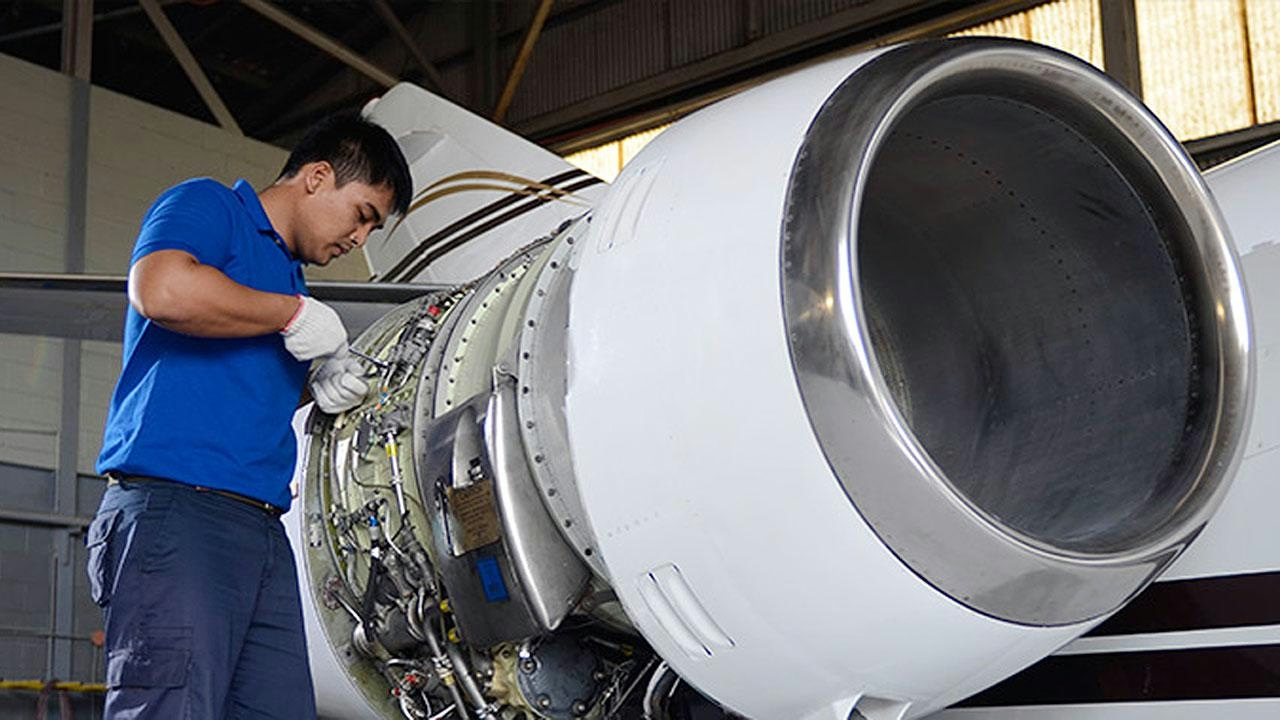
Rolls-Royce Eyes Return to Single-Aisle Market Amid Strong Large Engine Outlook for 2026 Financial Recovery and Market Reassessment Rolls-Royce is signaling a potential return to the single-aisle aircraft engine market following a series of profit increases that mark a recovery from a turbulent period characterized by technical setbacks and strategic challenges. The British engine manufacturer’s civil aerospace division, responsible for producing jet engines for commercial aircraft, is increasingly viewed by analysts as a long-term turnaround story. This optimism is underpinned by a robust outlook for large engine demand projected for 2026, with global aircraft deliveries expected to reach approximately 1,800 units. The company’s recent financial improvement comes after years of difficulties that began in 2017, when turbine-corrosion problems with its Trent 1000 engines on All Nippon Airways’ Boeing 787 fleet led to significantly reduced engine time on wing. These issues escalated worldwide, affecting all Trent 1000-powered 787s and resulting in widespread groundings as engines required removal for turbine and compressor blade replacements. The technical failures severely eroded Rolls-Royce’s market share on the 787, with rival General Electric’s GEnx-1B engine now powering 78% of the fleet. Additionally, Rolls-Royce incurred substantial costs to rectify these problems for its airline customers. Historical Context and Strategic Shifts This challenging period was particularly unexpected given Rolls-Royce’s prior successes in the commercial aerospace sector. The RB211-535 engine had been the preferred choice for the Boeing 757, while the Trent 700 maintained a dominant position on the Airbus A330, outperforming competitors from General Electric and Pratt & Whitney. However, a strategic decision in 2011 to exit the single-aisle market—marked by the termination of its partnership with Pratt & Whitney on the A320/A321 V2500 program—further constrained its aftermarket revenue. This decision compounded the financial pressures that intensified with the Trent 1000 issues and the impact of the COVID-19 pandemic. Competitive Landscape and Future Prospects Looking ahead, Rolls-Royce is reassessing its market position amid expectations of increased aircraft production and strong demand for engines, which is driving heightened part-out activity. While the company’s power systems business is regarded as having significant potential, it faces a highly competitive environment dominated by established players. Airbus continues to lead in single-aisle aircraft sales, while Boeing confronts challenges in maintaining its market share within the narrowbody segment. Competitors are anticipated to respond aggressively to any renewed Rolls-Royce efforts to re-enter the single-aisle market, seeking to defend their positions as operators extend aircraft service lives and overall retirement volumes remain below historical averages. For Rolls-Royce, the challenge will be to balance its promising prospects in the large engine sector with the complexities of re-establishing itself in a fiercely contested single-aisle market. As the aerospace industry prepares for increased production rates and critical decisions regarding future aircraft models, Rolls-Royce’s strategic moves will be closely monitored by investors and competitors alike. The company’s ability to leverage its turnaround and adapt to the evolving market dynamics will be crucial in determining whether it can regain the ground lost over the past decade.
Growth and Demand in the Philippines Aircraft Maintenance Market
Growth and Demand in the Philippines Aircraft Maintenance Market

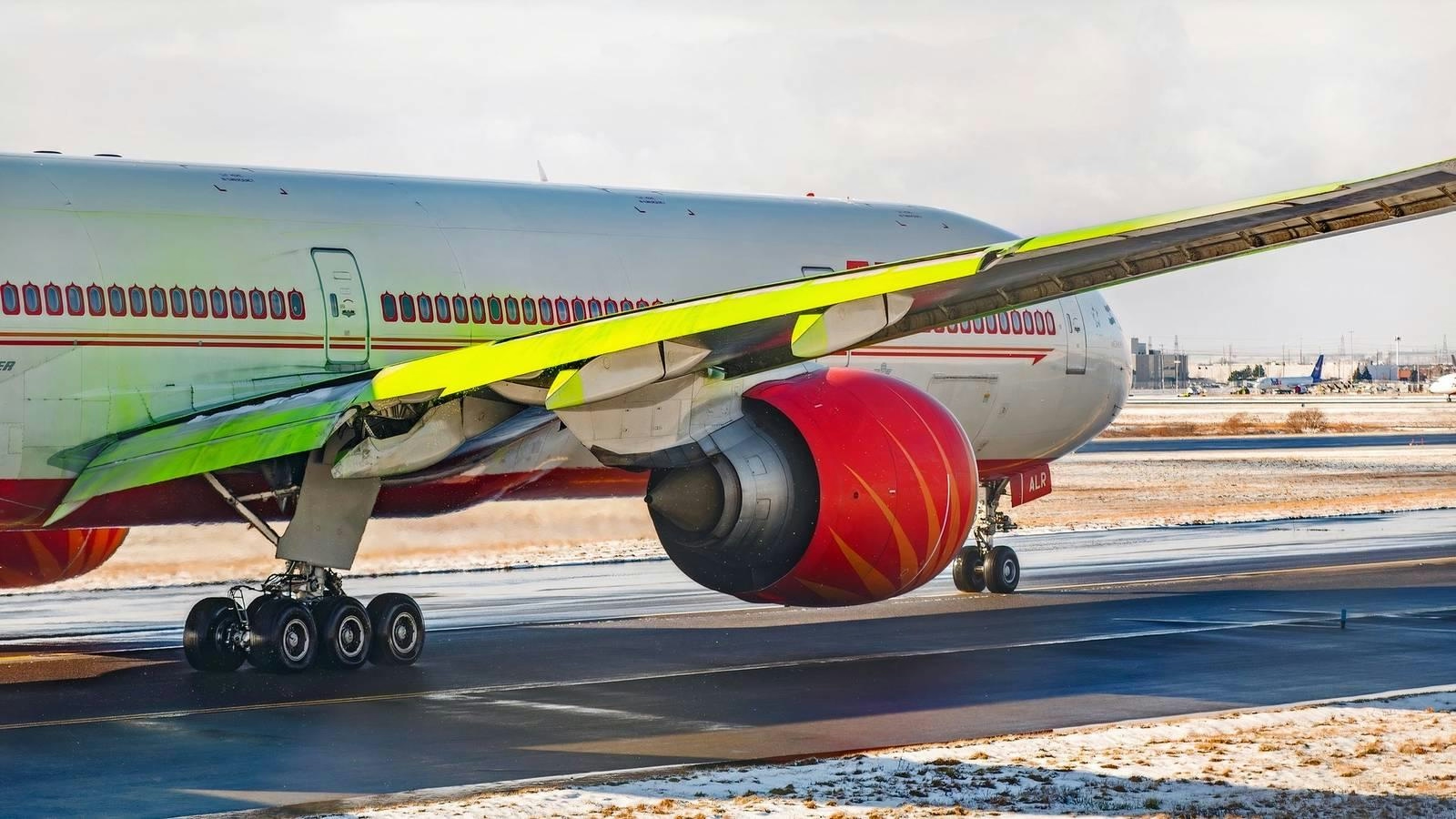
Growth and Demand in the Philippines Aircraft Maintenance Market The aircraft maintenance, repair, and overhaul (MRO) market in the Philippines is undergoing steady expansion, driven by the revival of commercial aviation and the growth of airline fleets. Market projections estimate the sector will reach USD 2.42 billion by 2025 and is expected to grow to USD 4.12 billion by 2034, reflecting a compound annual growth rate (CAGR) of 6.07% from 2026 to 2034. Aircraft MRO services encompass a wide array of technical operations, including airframe and engine maintenance, component overhauls, line servicing, and comprehensive inspections. These services are essential to ensuring safety, regulatory compliance, and airworthiness for both civil and commercial aircraft. The sector’s growth is underpinned by several converging factors: increasing passenger air traffic, enhanced regional connectivity, ongoing fleet modernization, and a rising trend toward outsourcing technical maintenance services. Key Drivers of Market Growth The resurgence in passenger air travel following the pandemic has significantly increased demand for both domestic and international flights. Airlines have responded by expanding flight frequencies, opening new routes, and deploying additional aircraft. Major airports in Metro Manila, Cebu, and Davao have experienced heightened traffic volumes, intensifying the need for dependable MRO services to maintain fleet readiness and uphold stringent safety standards. Simultaneously, airlines in the Philippines and the broader Southeast Asian region are modernizing and expanding their fleets with advanced aircraft models. These newer designs require specialized maintenance procedures, sophisticated tools, and certified technical expertise, thereby driving demand for more complex and technologically advanced MRO services. Regulatory compliance remains a critical factor in the sector’s development. Stringent aviation regulations and international standards impose rigorous maintenance and safety requirements. Adherence to airworthiness directives, inspection protocols, and documentation standards necessitates regular servicing and overhauls conducted by qualified MRO providers. Additionally, growth in charter operations, cargo services, and the business jet segment is diversifying the demand for MRO services. These sectors require flexible and rapid maintenance solutions, broadening the scope of MRO beyond traditional airline carriers. Market Segmentation and Insights The Philippine aircraft MRO market is segmented by service type, aircraft type, end user, and distribution channel. Service offerings include airframe maintenance, engine repair and overhaul, line and component maintenance, modifications, technical support, and engine leasing. Among these, engine and airframe services generate the highest revenues due to their technical complexity and regulatory importance. In terms of aircraft type, MRO operations cover commercial jets—both narrow-body and wide-body—regional aircraft, business jets, and freighter conversions. Narrow-body aircraft, which dominate domestic and short-haul routes, consistently drive demand for maintenance services. The customer base spans domestic and international airlines, MRO service providers, cargo operators, charter services, and business aviation fleets. Service delivery channels include dedicated MRO facilities, authorized centers, independent third-party providers, airline in-house teams, and international partnerships. Independent operators and strategic alliances are expanding technical capabilities and extending service reach across the region. Opportunities and Challenges Despite promising growth prospects, the sector faces challenges from intensified competition with global MRO providers, geopolitical uncertainties, and fluctuating aviation demand. The recovery of the Philippines’ manufacturing sector in December 2025, propelled by strong domestic demand, suggests potential for increased aircraft maintenance activity. However, ongoing export declines and unpredictable market dynamics may temper growth. In response to these challenges, industry players are expected to invest strategically in expanding local capacity and diversifying into mid-complexity industries to maintain momentum. As airlines continue to prioritize reliability, turnaround efficiency, and regulatory compliance, the development of a robust MRO ecosystem will be essential to supporting the evolving aviation landscape in the Philippines.
Air India to Return Long-Grounded Boeing 777-300ER to Service
Air India to Return Long-Grounded Boeing 777-300ER to Service

Air India to Return Long-Grounded Boeing 777-300ER to Service Air India is preparing to reinstate a Boeing 777-300ER, registered as VT-ALL (msn 36310), into active service by early February 2026. This aircraft has been grounded for six years at the AI Engineering Services MRO facility in Nagpur. Originally taken out of operation for a routine 30-day C-check in February 2020, the 18.2-year-old jet was subsequently cannibalised for parts to support the airline’s operational fleet. Maintenance and restoration efforts, which faced delays under both previous and current ownership, are now reportedly approaching completion. Challenges of Reintegrating a Long-Grounded Aircraft The return of VT-ALL occurs as Air India continues to operate a fleet comprising nineteen Boeing 777-300ERs and five Boeing 777-200LRs. However, reintroducing an aircraft that has been out of service for an extended period presents considerable challenges. The airline must ensure that the aircraft complies with all current safety and maintenance standards, a process that involves comprehensive inspections and potential upgrades to meet evolving regulatory requirements. This rigorous approach is essential to guarantee operational safety and reliability. Context Within Air India’s Fleet Modernization This development coincides with Air India’s broader efforts to modernize its fleet. The carrier is actively integrating new Boeing 787-9 aircraft into its operations, with deliveries of Airbus A350-1000s anticipated in the near future. Managing the return of a long-grounded aircraft alongside the introduction of new models will test Air India’s operational flexibility and resource allocation capabilities. Market analysts are closely monitoring how Air India’s strategy will influence its competitive positioning, particularly against international rivals such as Delta Air Lines and United Airlines. Both competitors have recently reported strong profitability and are advancing their own fleet modernization programs. The reactivation of VT-ALL may prompt these airlines to accelerate their strategic initiatives, including adjustments to their fleet renewal timelines, in order to maintain or enhance their market share. As Air India navigates these complex transitions, the successful reintegration of VT-ALL will serve as a significant indicator of the airline’s capacity to manage intricate fleet operations amid widespread industry modernization efforts.
Rolls-Royce Buyback Considered Amid Airbus Supply Chain Risks and Valuation Concerns

Rolls-Royce Buyback Considered Amid Airbus Supply Chain Risks and Valuation Concerns

Rolls-Royce Initiates Share Buyback Amid Supply Chain Challenges and Valuation Concerns Rolls-Royce Holdings (LSE: RR.) has launched a substantial interim share buyback programme, signaling a renewed commitment to returning capital to shareholders. This strategic move arrives as the company contends with emerging supply chain risks highlighted by Airbus, which may pose operational challenges for Rolls-Royce’s civil aerospace division. The company’s shares recently traded at £12.08, representing a 109.4% return over the past year and an extraordinary 1,200% gain over five years. This impressive performance has been underpinned by strong results in Rolls-Royce’s defense and power systems segments. Analysts remain optimistic about the power systems division, emphasizing its significant growth potential and a marked increase in order intake. However, the buyback announcement coincides with renewed concerns from Airbus regarding persistent disruptions in the aviation supply chain. These challenges, compounded by broader industry headwinds such as anticipated intensification of U.S. protectionism and trade tensions in 2026, could adversely affect Rolls-Royce’s engine deliveries and aftermarket services. Such risks may influence the company’s competitive positioning and strategic direction in the near to medium term. Valuation and Market Outlook At the current price of £12.08, Rolls-Royce shares trade approximately 3.8% below the consensus analyst target of £12.54, indicating a largely neutral near-term outlook. Despite this, the stock is valued about 23% above its estimated fair value, suggesting a stretched valuation even as the buyback programme supports earnings per share and reflects management’s confidence in the company’s prospects. In recent trading, the shares have gained 6.2% over the past month but declined 3.7% in the last week, reflecting mixed short-term investor sentiment as the buyback commences. The company’s price-to-earnings ratio stands at 17.4 times, notably below the industry average of 26.0 times, which may offer some valuation support. Investors should consider that while the buyback is expected to bolster earnings per share and underscores confidence in Rolls-Royce’s outlook—particularly given the strength in defense and power systems—the ongoing supply chain issues at Airbus could create operational friction. This may impact future engine deliveries and the broader civil aerospace business. Close attention should be paid to the pace and execution of the buyback programme, any revisions to company guidance related to aviation production schedules, and updates from both Rolls-Royce and Airbus concerning civil aerospace demand. Given the current overvaluation and forecasts of earnings declines, any missteps in execution or further supply chain disruptions could have a pronounced effect on the company’s market performance. The balance between robust performance in non-civil segments and external supply chain risks will be critical for shareholders as Rolls-Royce navigates this complex environment.
India’s Aviation Expansion Aims to Transform Global Air Travel
India’s Aviation Expansion Aims to Transform Global Air Travel

India’s Aviation Expansion Aims to Transform Global Air Travel India’s aviation sector is experiencing a profound transformation, positioning the country as an emerging global aviation hub. Once a service predominantly reserved for the affluent, India now commands the world’s third-largest domestic air market. This remarkable shift has been driven by strategic infrastructure investments, proactive government policies, and a significant surge in passenger demand. Infrastructure Growth and Regional Connectivity Over the past decade, comprehensive government initiatives have played a pivotal role in expanding the aviation landscape, with the objective of making air travel accessible to a broader segment of the population. The number of operational airports has more than doubled, increasing from approximately 70 in 2014 to over 160 today. This expansion includes the activation of more than 100 aerodromes, which has substantially enhanced connectivity for Tier-2 and Tier-3 cities. By integrating remote and previously underserved regions into the national aviation network, India is fostering greater economic and social inclusion. A key driver of this progress is the UDAN (Ude Desh ka Aam Naagrik) scheme, designed to make air travel more affordable and accessible. Since its inception, the program has facilitated approximately 15 million passenger journeys on newly established routes, opening up air travel to areas that were once isolated. The government is now preparing to launch the next phase of UDAN, aiming to further improve regional connectivity and affordability. Innovation and Industry Challenges India’s ambitions extend beyond expanding physical infrastructure. The sector is increasingly embracing innovative technologies, including electric vertical takeoff and landing (eVTOL) aircraft and sustainable aviation fuels, which are expected to shape the future of air travel. Indian airlines have placed orders for more than 1,500 new aircraft, signaling strong confidence in continued growth and modernization. Concurrently, the government is promoting domestic commercial aircraft manufacturing and the deployment of smaller, more efficient planes to bolster regional routes. Despite these advances, the rapid expansion of India’s aviation industry faces significant challenges. Structural issues persist, including rigid cost and revenue constraints and high state-level taxes on aviation turbine fuel. Operational disruptions and financial pressures have raised concerns about the long-term viability of new entrants in the market. Industry analysts remain cautious about the sustainability of profitability unless these fundamental obstacles are addressed. Responses from competitors within the sector have been varied. While some companies, such as Avis India and Pride Hotels, are expanding their services to capitalize on increased air traffic, others are encountering difficulties. IndiGo, India’s largest airline, has reported operational losses, underscoring the sector’s vulnerability to cost pressures and market volatility. India’s aviation expansion is nonetheless generating significant opportunities for investment and innovation. The country’s expanding domestic and international networks are attracting global attention, and its focus on regional connectivity and technological advancement has the potential to reshape both national and global air travel patterns. The ultimate success of these initiatives, however, will depend on the industry’s ability to overcome structural challenges and sustain its ambitious growth trajectory.
Emirates Extends Airbus A380 Lease Agreements Into Next Decade

Emirates Extends Airbus A380 Lease Agreements Into Next Decade

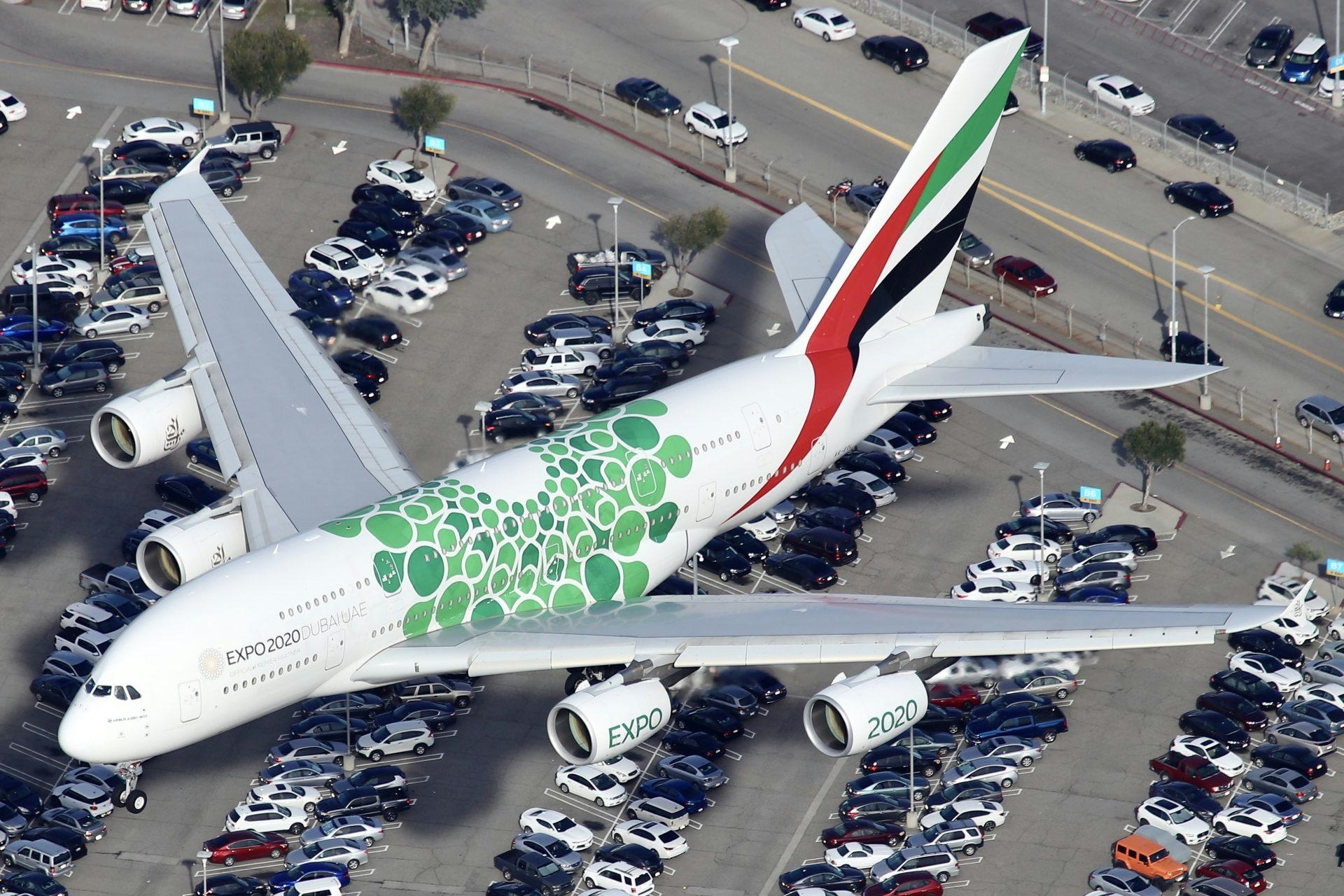
Emirates Extends Airbus A380 Lease Agreements Into Next Decade Emirates has reaffirmed its commitment to the Airbus A380 by securing the long-term lease of two additional aircraft, extending their use well into the next decade. In January 2025, the Dubai-based airline signed an agreement with DS Aviation, a subsidiary of Germany’s Dr. Peters Group, to prolong the leases of these two A380s by five years each. The new lease terms now run until December 2030 and August 2031, respectively. The contract also includes an option for Emirates to purchase the aircraft at the end of each lease, providing the airline with strategic flexibility in its future fleet planning. Strategic Importance of the A380 for Emirates This extension highlights Emirates’ ongoing strategy to maintain the A380 as a central element of its fleet, particularly on high-demand and slot-restricted routes such as London Heathrow and Paris Charles de Gaulle. The aircraft’s large capacity offers significant operational advantages on these congested routes, allowing Emirates to maximize passenger volume where airport slots are limited. This approach contrasts with the trend among several competitors, including Thai Airways, Air China, and Chinese carriers Spring and Juneyao Air, which are increasingly investing in newer, more fuel-efficient aircraft like the A320neo family. These airlines may view Emirates’ continued reliance on the A380 as an opportunity to capture market share with more economical and modern jets. Despite the strategic benefits, the decision to extend the A380 leases is not without challenges. The operational and maintenance costs associated with the aging A380 fleet have been rising, prompting concerns among some investors about the financial sustainability of maintaining such large aircraft. Market skepticism persists regarding the long-term viability of the A380, especially following Airbus’s decision to cease production in 2021. Nevertheless, Emirates appears to be banking on the aircraft’s unique appeal for luxury travel and its suitability for high-demand routes, aiming to differentiate itself in an increasingly competitive aviation market. Financial and Market Implications For the Dr. Peters Group and its investment funds—Flight Invest 50 and Flight Invest 51—the lease extension provides valuable planning certainty and attractive returns. These leases are managed through open-ended funds acquired by Dr. Peters at the end of 2021, enabling private and institutional investors to benefit directly from aviation leasing income. In December 2025, Flight Invest 50 distributed a return of 16.8 percent to investors, while Flight Invest 51 paid out 15 percent in summer 2025 and an additional 12 percent in January 2026. These strong returns underscore the sustained demand for the A380 in the Middle East and demonstrate the asset manager’s ability to capitalize on market opportunities despite uncertainties surrounding the aircraft’s future. The negotiations, finalized in late 2025, reflect a close and ongoing business relationship between Dr. Peters Group and Emirates. The purchase option included in the lease agreements offers Emirates further operational flexibility, allowing the airline either to continue flying the aircraft or to use them as a source of spare parts—a common and cost-effective maintenance strategy within the industry. Kristina Salamon, Managing Partner of the Dr. Peters Group, expressed satisfaction with the outcome, praising the professionalism of the DS Aviation asset management team. Concurrently, the group completed the sale of another A380 previously operated by Singapore Airlines, highlighting the complexity and potential of the secondary market for wide-body aircraft. As Emirates deepens its commitment to the A380, the airline navigates a delicate balance between leveraging the prestige and capacity of the superjumbo and managing the rising costs and competitive pressures posed by carriers investing in next-generation aircraft.
GE Aerospace Shares Fall After Boeing Raises Concerns Over GE9X Engine
GE Aerospace Shares Fall After Boeing Raises Concerns Over GE9X Engine

GE Aerospace Shares Decline Following Boeing’s Durability Concerns Over GE9X Engine Shares of GE Aerospace experienced a decline of approximately 1.7%, closing at $292.48 in after-hours trading on Wednesday. This drop followed Boeing’s disclosure of a potential durability issue with the GE9X engine, which is slated to power the forthcoming 777-9 aircraft. During the trading session, GE’s stock fluctuated between $291.35 and $299.73, ultimately closing about $5 below its previous finish and ending a two-day rally. Boeing Flags Durability Issue Amid Ongoing Collaboration The decline in GE Aerospace’s shares came in the wake of Boeing’s January 27 earnings call, during which CEO Kelly Ortberg revealed that a recent inspection had uncovered a possible durability concern with the GE9X engine. Boeing is working closely with GE Aerospace to investigate the issue and identify appropriate corrective measures. Despite the concern, Boeing reassured investors that the problem is not expected to delay the scheduled 2027 delivery of the 777-9 aircraft. In response, GE Aerospace confirmed the initiation of an “on-wing inspection programme” and stated that it is actively pursuing a resolution. The company informed FlightGlobal that it is investigating the root cause of the issue and developing a fix. Market sentiment remained cautious, reflecting Wall Street’s elevated expectations for GE Aerospace, which has benefited from robust demand in both commercial air travel and defense sectors. Broader Developments and Market Context In a separate announcement, GE reported the successful completion of ground testing for a hybrid-electric turbofan system at its Peebles, Ohio, facility. This test, conducted on a modified Passport engine as part of a NASA-supported initiative, demonstrated stable power extraction and reinjection—a milestone described by NASA project manager Anthony Nerone as unprecedented in the industry. Nerone emphasized the significance of this achievement, noting that no hybrid-electric engine is currently operational in flight. On the broader market front, GE shares declined 1.68% during regular trading, a relatively moderate drop compared to steeper losses in Honeywell and RTX, which also closed lower. Trading volume for GE exceeded its 50-day average. The Dow Jones Industrial Average edged slightly higher, while the S&P 500 remained largely unchanged. Despite recent fluctuations, GE shares remain approximately 12% below their January 6, 52-week high. Financial Outlook and Industry Implications The market continues to absorb GE’s January 22 forecast, which projects adjusted earnings per share for 2026 in the range of $7.10 to $7.40, alongside free cash flow between $8.0 billion and $8.4 billion. CEO H. Lawrence Culp Jr. highlighted the company’s “solid momentum” entering 2026, driven by accelerated growth in services and equipment production. Aftermarket sales, encompassing parts and maintenance for engines already in service, remain a vital revenue stream for GE Aerospace. According to Reuters, over 70% of GE’s commercial engine revenue derives from parts and services, providing a buffer against fluctuations in aircraft deliveries. However, durability issues such as those flagged with the GE9X engine can disrupt this balance, as remedial actions often require additional inspections, repairs, and increased costs. These factors may strain shop capacity and impact relationships with airline customers. Furthermore, if global travel demand softens or supply constraints in aircraft manufacturing ease, the high-margin spares business could face increased pressure. Investors are now awaiting further updates from Boeing and GE regarding the ongoing investigation into the GE9X engine and any forthcoming corrective measures. GE Aerospace is scheduled to release its first-quarter earnings report on April 21, followed by the second-quarter results on July 16.
Singapore Aims to Enhance Sustainability and Aviation Capabilities
Singapore Aims to Enhance Sustainability and Aviation Capabilities

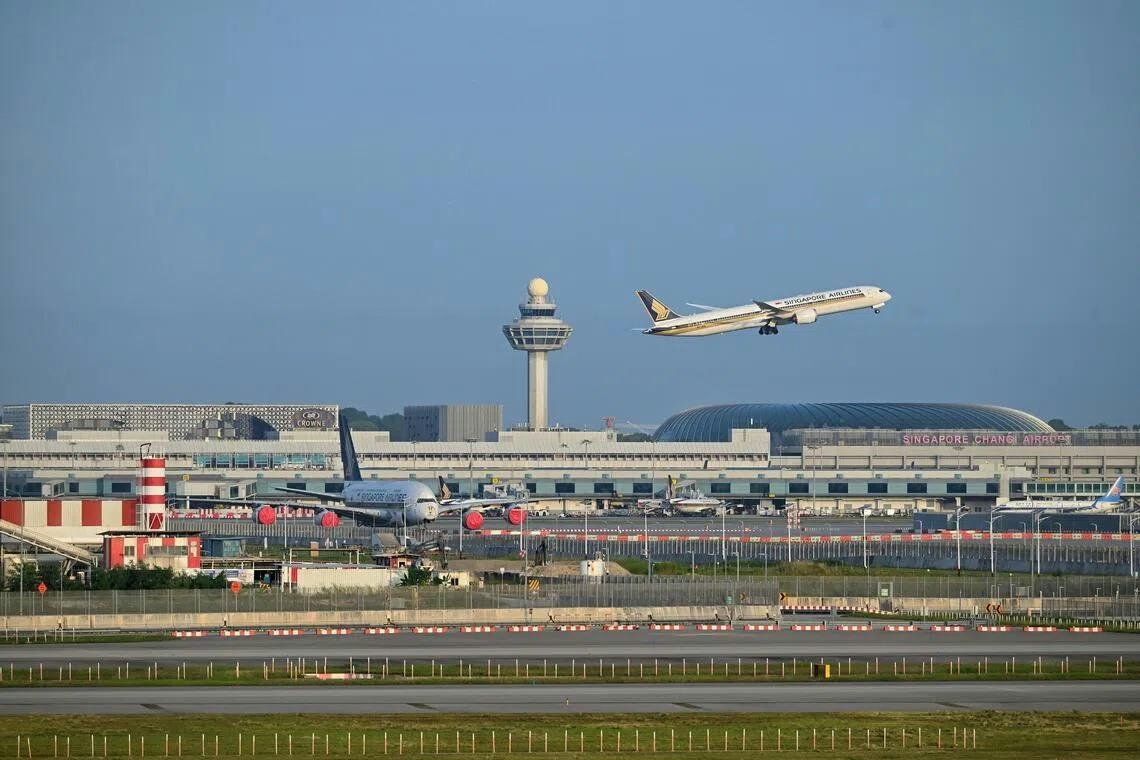
Singapore Advances Sustainability and Aviation Innovation Amid Regional Competition Singapore is intensifying its focus on sustainability, aviation innovation, and human capital development as it confronts an increasingly complex global environment. This strategic shift follows a landmark year for the city-state’s aviation sector, which recorded unprecedented passenger traffic in 2025, even as it faces growing challenges from geopolitical tensions, economic fragmentation, and rapid technological change. Record Passenger Traffic and Emerging Challenges At a media briefing on 29 January, Han Kok Juan, director-general of the Civil Aviation Authority of Singapore (CAAS), highlighted the robust performance of Singapore’s air hub. Changi Airport handled nearly 70 million passenger movements in 2025, marking a 3.4% increase from the previous year and setting a new all-time high. Han described this achievement as a testament to the resilience and strength of Singapore’s aviation sector amid a volatile global landscape. Despite this success, Han warned of “more turbulent skies ahead,” pointing to intensifying competition from regional hubs such as Indonesia, which is rapidly modernizing its airpower and upgrading aviation infrastructure. He also emphasized the imperative for Singapore to keep pace with global shifts toward sustainable aviation technologies to maintain its competitive edge. “In a more uncertain and potentially fractured world, aviation remains a unifying force that brings people together,” Han remarked. “But we cannot take our success for granted. That is why this year, we are stepping up investments to build new capabilities in sustainability, innovation, and human capital.” Strategic Initiatives and Global Partnerships Singapore’s approach involves strengthening global partnerships to safeguard its connectivity and relevance. During the upcoming Changi Aviation Summit, held as part of the Singapore Airshow from 1 to 2 February, CAAS plans to formalize nine agreements with various partners. A key highlight is a joint agreement with its subsidiary, the Singapore Sustainable Aviation Fuel Company (SAFCo), to launch the country’s first voluntary sustainable aviation fuel (SAF) procurement trial. This initiative seeks to consolidate voluntary SAF demand ahead of Singapore’s target to increase SAF usage by 1% this year. Additional agreements will address aviation innovation, workforce training, and manpower development, reflecting Singapore’s comprehensive strategy to future-proof its aviation sector. Industry Response and Regional Dynamics Reactions to Singapore’s initiatives have been mixed. While global aviation companies have expressed growing interest in the city-state’s sustainability agenda, some industry analysts remain cautious about the practicality of meeting ambitious environmental targets. Meanwhile, competitors in Southeast Asia are accelerating their own efforts to enhance aviation infrastructure and sustainability programs, intensifying the race to attract business and investment. Han underscored the necessity of adaptability and collaboration in this evolving landscape. “In a very uncertain and fractured world, we must remain connected and maintain our relevance,” he said, reaffirming Singapore’s commitment to leading the region in sustainable and innovative aviation.
Engines Used on the Airbus A380

Engines Used on the Airbus A380

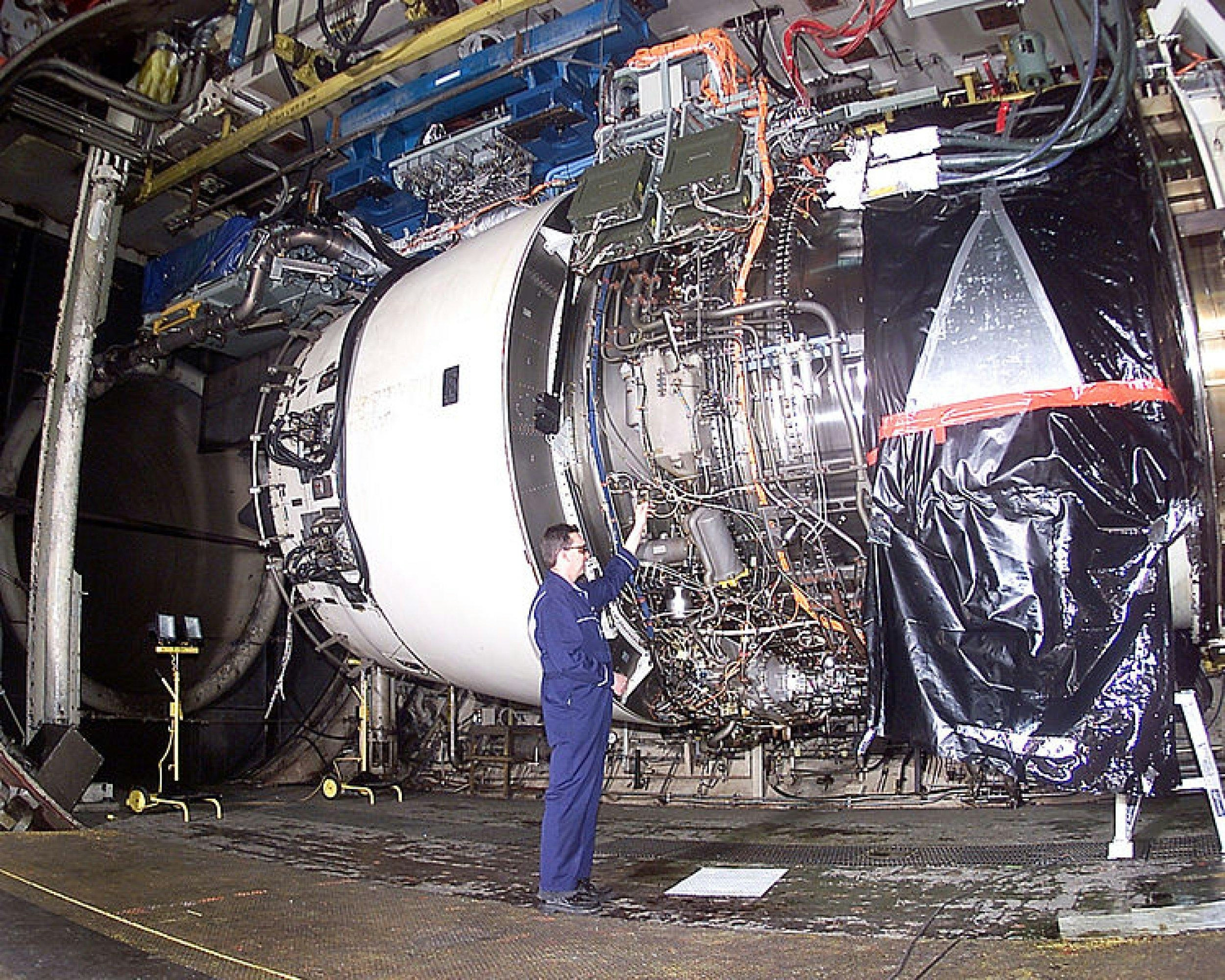
Engines Powering the Airbus A380 The Airbus A380, celebrated for its distinctive double-decker design and capacity to accommodate up to 853 passengers in an all-economy layout, remains one of the most iconic aircraft in commercial aviation. To support the substantial weight of passengers, cargo, and fuel, the A380 depends on exceptionally powerful engines. Presently, the superjumbo is equipped with one of two engine models: the Engine Alliance GP7200 and the Rolls-Royce Trent 900. The Engine Alliance GP7200 The GP7200 engine is manufactured by Engine Alliance, a joint venture between Pratt & Whitney and General Electric. In July 2024, Gaston Persano was appointed President of Engine Alliance, bringing extensive experience from his previous roles at Ford Motor Company and Pratt & Whitney Commercial Engines. Persano reaffirmed his dedication to supporting A380 operators, emphasizing that the GP7200 “will continue its track record of delivering reliable value for years to come.” Originally conceived as part of the GP7000 series in collaboration with Boeing for future 747 models that never materialized, the engine was subsequently adapted for the Airbus A380. Measuring 10.4 feet (3.16 meters) in diameter, the GP7200 generates up to 74,735 pounds-force (332.44 kN) of thrust. Production and ground testing commenced in 2004, followed by FAA certification in 2006. The engine entered commercial service on the A380 in 2007, with an updated, lighter variant introduced in 2011. The GP7200 is distinguished by its quiet operation, designed to comply with stringent global airport noise regulations while delivering the necessary thrust for the A380’s considerable size. It is also engineered for consistent durability, capable of withstanding extreme heat and demanding conditions, particularly for aircraft operating in the Middle East. Industry Challenges and Technological Advancements Despite the GP7200’s strong reputation for reliability, the broader engine sector for Airbus has encountered significant challenges. Airbus CEO Guillaume Faury has publicly acknowledged ongoing difficulties with Pratt & Whitney engines, describing them as the company’s most serious issues. These challenges have prompted market concerns and led Airbus to press Pratt & Whitney for increased engine supply volumes to secure future operational stability. Concurrently, Boeing is intensifying production of its 737 MAX and 777X models, underscoring a renewed emphasis on safety and operational dependability. This industrial recalibration positions Boeing as a formidable competitor in the global aerospace market, thereby increasing competitive pressure on Airbus and its engine suppliers. In response, Airbus is actively pursuing new propulsion technologies. The company is incorporating innovations such as CFM International’s RISE open-fan technology demonstrator and a hybridized version of Pratt & Whitney’s PW1100G engine on its A380 flying testbed. These initiatives reflect Airbus’s commitment to enhancing engine performance, efficiency, and sustainability in future aircraft designs. The reliance of the Airbus A380 on the Engine Alliance GP7200 and Rolls-Royce Trent 900 engines highlights the critical role of robust, high-performance propulsion systems in large commercial aircraft. As the aerospace industry confronts supply challenges and embraces technological innovation, the evolution of engine design remains pivotal to the future of long-haul aviation.
line
