
AIによるインサイトを行動へとつなげる

現在のトレンド
Categories
AI Advances Enable Next-Generation Aircraft
AI Advances Enable Next-Generation Aircraft
Challenges and Opportunities in Modern Aircraft Design
While sectors such as automotive technology have experienced rapid transformation, commercial aircraft design has largely progressed through incremental improvements over recent decades. Unlike the swift adoption of electric vehicles in ground transportation, aviation remains constrained by the intricate challenges of aerodynamics, propulsion systems, and stringent regulatory oversight. The development of a new aircraft demands overcoming complex engineering obstacles and coordinating the meticulous design, testing, and manufacturing of thousands of components. Regulatory bodies, including the Federal Aviation Administration (FAA), enforce rigorous standards that further slow the pace of innovation in the industry.
Despite these barriers, the imperative for advancement in aviation technology remains strong. Established manufacturers often find it difficult to pivot toward radically new aircraft models, creating an opening for agile startups to drive innovation. JetZero, a notable example, is developing an all-wing aircraft designed to improve fuel efficiency by up to 50 percent by the 2030s, signaling a potential shift in the industry’s approach to sustainable aviation.
The Role of Artificial Intelligence in Aviation Innovation
Central to these ambitious projects is the integration of advanced artificial intelligence (AI) technologies. JetZero utilizes Siemens Xcelerator, an open digital business platform developed by industrial technology leader Siemens. This platform creates seamless digital threads that connect design, production, and maintenance processes, granting startups access to enterprise-grade tools that were once exclusive to major industry players. AI is embedded throughout nearly every phase of aircraft development, from initial design concepts to ongoing maintenance operations. Tom Tengan, director of digital enterprise at Siemens, emphasizes the ubiquity of AI in these applications, stating, “It’s almost easier to say, where doesn’t AI fit in? In almost every application that we have, artificial intelligence in some form is integrated into the solutions.” This comprehensive integration enables companies to innovate and plan with a level of precision and efficiency previously unattainable.
However, transitioning AI from pilot projects to full-scale operational deployment remains a formidable challenge. A recent Newsweek report highlights that many organizations encounter both technical and organizational obstacles when attempting to scale AI initiatives beyond initial trials. Market responses to AI-driven advancements in aviation tend to be cautious, with skepticism persisting until new technologies demonstrate their value through successful real-world applications.
Shifting Competitive Dynamics and Future Prospects
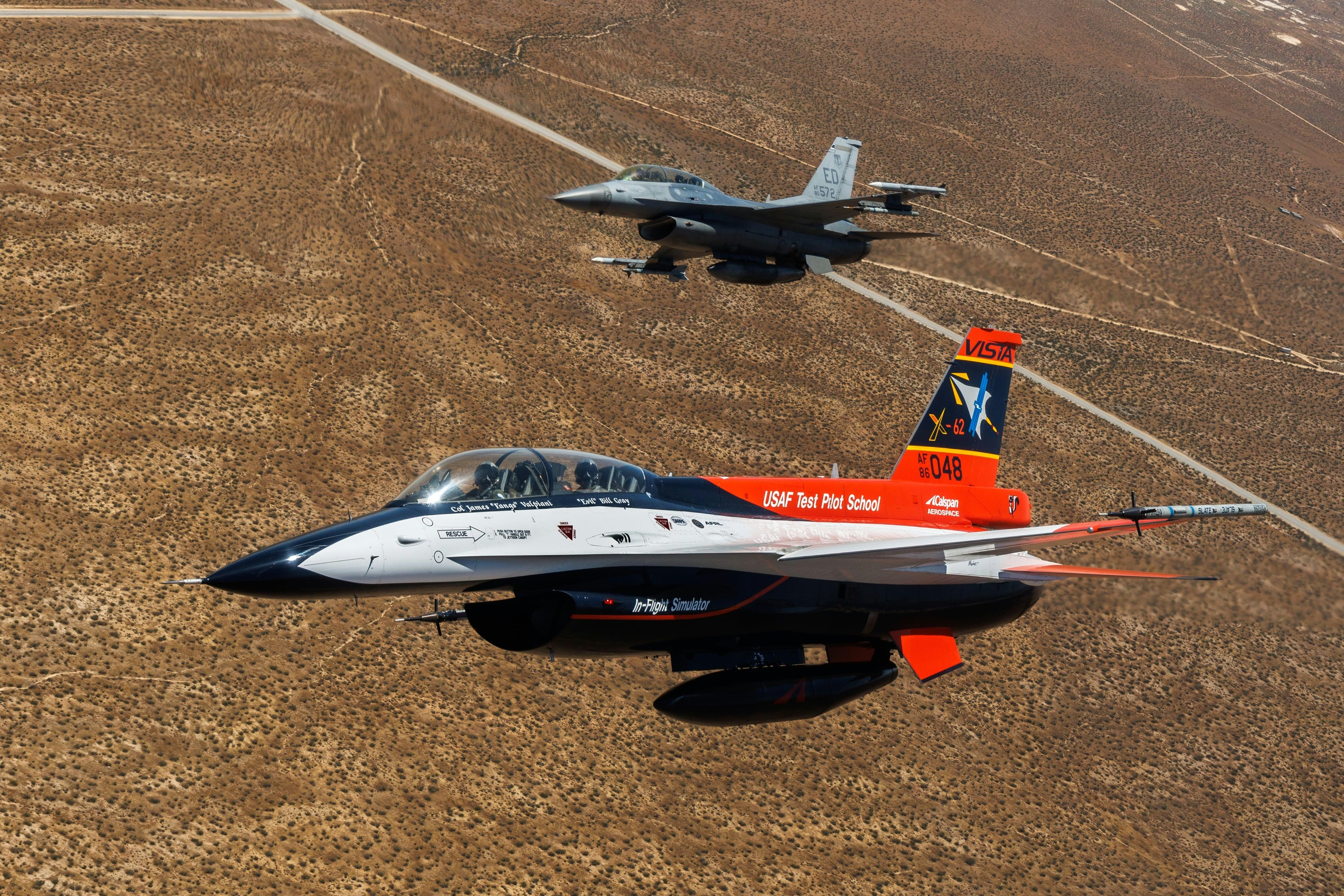
The competitive landscape in aviation is evolving rapidly as both established corporations and emerging startups accelerate partnerships and collaborations to secure strategic advantages. This trend was notably underscored at the Axios Future of Defense Summit, where the introduction of AI-powered aircraft such as Shield AI’s X-BAT was highlighted. These innovations promise significant cost reductions and the development of novel deterrence strategies within military aviation, potentially reshaping defense dynamics and prompting strategic responses from other nations seeking to maintain technological parity.
As AI continues to permeate every aspect of aircraft design and operation, the aviation industry stands poised on the cusp of transformation. Although substantial challenges remain, the convergence of advanced digital tools, evolving regulatory frameworks, and market-driven innovation suggests that the next generation of aircraft may soon take flight—powered as much by sophisticated algorithms as by traditional aerodynamics.

Etihad Airways Suspends Airbus A380 Flights on Key Route

Aditya Birla Group Seeks Approval for Aircraft Leasing in GIFT City

Qatar Airways Highlights Innovation and Connectivity at Arabian Travel Market 2026

Hong Kong's Five-Year Plan Includes Andrew Fan's Aircraft Parts Processing Hub Proposal

ACIA Aero Leasing Delivers ATR72-600 to Air Nostrum

RTX Appoints Jill Albertelli as Head of Pratt & Whitney

TAT Technologies Joins Beyond Aero Hydrogen Aircraft Program

AURAK Study Highlights Barriers to Air Taxi Adoption in Emerging Economies

Xiamen Air Selects Altitude for 787 Maintenance at Heathrow

Etihad and Swissport Extend Global Partnership
