
AIによるインサイトを行動へとつなげる

現在のトレンド
Categories
AirAsia Nears Deal to Purchase 100 Airbus Jets, Including A220 Models
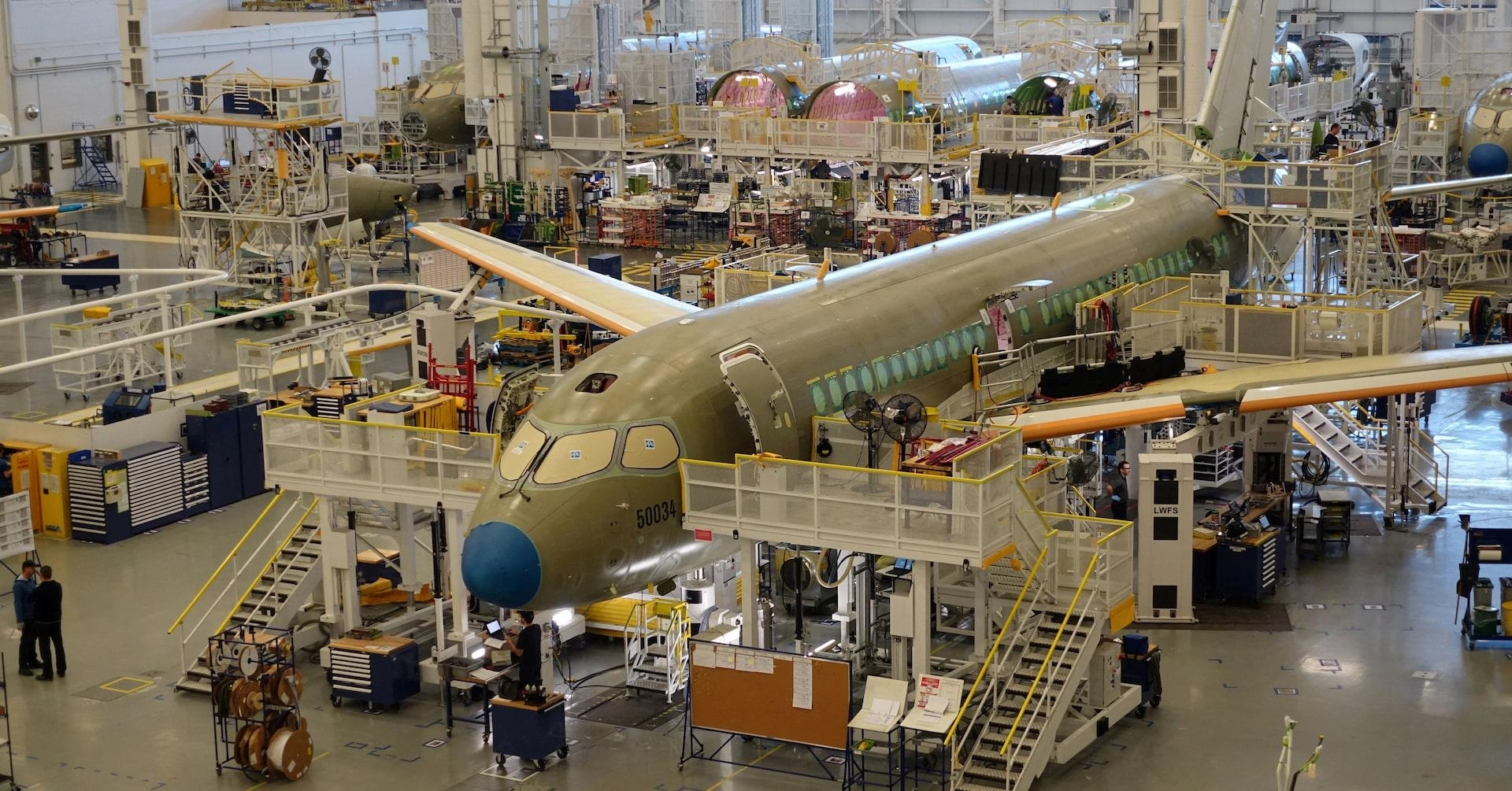
AirAsia Nears Agreement to Acquire 100 Airbus Jets, Including A220 Models
AirAsia is on the verge of finalizing a significant deal to purchase 100 aircraft from Airbus, encompassing the fuel-efficient A220 model. This acquisition aims to modernize the airline’s fleet and strengthen its regional footprint. Should the agreement be completed, it would represent one of the largest aircraft orders in Southeast Asia, reflecting the airline’s strategic response to intensifying competition and evolving dynamics within the global aviation industry.
Competitive Landscape and Market Challenges
The prospective order faces a complex competitive environment. Air India is reportedly negotiating a substantial purchase of narrow-body jets, a development that could influence pricing structures and delivery timelines across the sector. Concurrently, Etihad Airways has recently secured an order for 28 Boeing widebody aircraft, signaling heightened rivalry among regional carriers to obtain the latest, most efficient planes.
Further complicating the market is the potential for a large-scale Airbus order from China, where authorities are considering acquiring hundreds of jets. This move could shift industry focus and resources, potentially affecting AirAsia’s negotiating leverage and the availability of aircraft for delivery.
Boeing, Airbus’s principal competitor, continues to encounter challenges in the region, particularly due to ongoing tariff disputes. These issues have constrained Boeing’s competitiveness in securing new orders, as airlines carefully evaluate the risks and benefits of diversifying their fleets amid persistent global supply chain uncertainties.
Strategic Implications for AirAsia and Airbus
Despite these obstacles, AirAsia’s pursuit of the Airbus deal underscores its confidence in a post-pandemic recovery and its determination to maintain a competitive advantage. The A220, noted for its fuel efficiency and optimal performance on short- to medium-haul routes, is expected to be central to AirAsia’s strategy to meet rising demand across Asia-Pacific markets.
Industry analysts emphasize the timing of AirAsia’s potential order as particularly significant. Airlines worldwide are reassessing fleet requirements in response to shifting travel patterns and economic pressures. With major carriers such as Air India and Etihad making strategic fleet investments, alongside China’s possible mega-order, the outcome of AirAsia’s negotiations could have far-reaching implications for the aviation sector.
As the deal approaches finalization, attention remains focused on how AirAsia and Airbus will navigate the intricate challenges posed by global competition, supply constraints, and changing market priorities. If completed, the agreement would not only enhance AirAsia’s fleet capabilities but also solidify Airbus’s standing as a leading supplier in one of the world’s fastest-growing aviation markets.

Etihad Airways Suspends Airbus A380 Flights on Key Route

Aditya Birla Group Seeks Approval for Aircraft Leasing in GIFT City

Qatar Airways Highlights Innovation and Connectivity at Arabian Travel Market 2026

Hong Kong's Five-Year Plan Includes Andrew Fan's Aircraft Parts Processing Hub Proposal

ACIA Aero Leasing Delivers ATR72-600 to Air Nostrum

RTX Appoints Jill Albertelli as Head of Pratt & Whitney

TAT Technologies Joins Beyond Aero Hydrogen Aircraft Program

AURAK Study Highlights Barriers to Air Taxi Adoption in Emerging Economies

Xiamen Air Selects Altitude for 787 Maintenance at Heathrow

Etihad and Swissport Extend Global Partnership
