

現在のトレンド
Categories
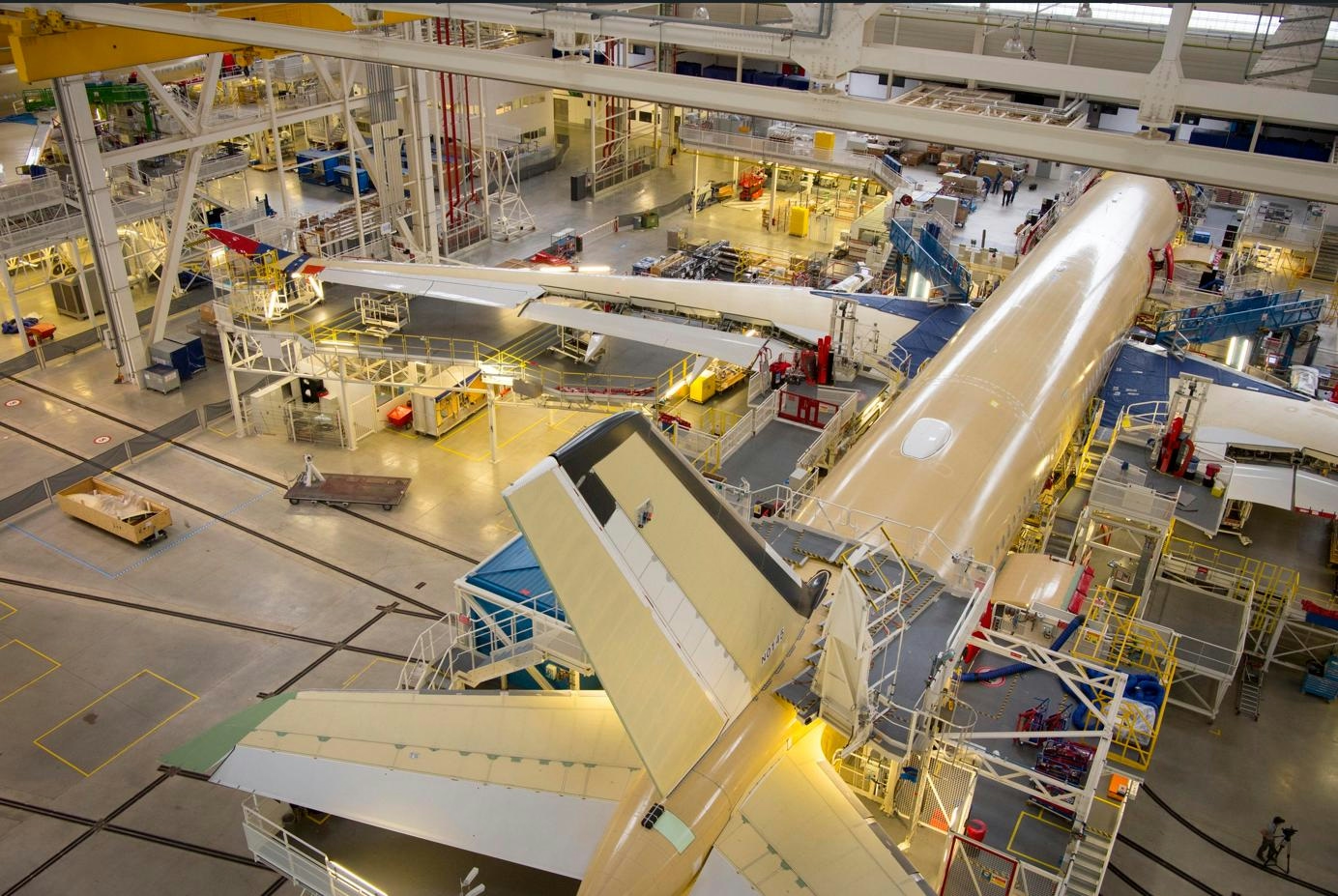
Airbus Aims to Align Production and Deliveries Ahead of Second Half
Airbus Aims to Align Production and Deliveries Ahead of Second Half
Challenges in Production and Delivery Schedules
Airbus is striving to realign its aircraft production and delivery schedules by the end of June, following recent disruptions caused by quality issues and administrative delays. The European aerospace leader has encountered significant obstacles, including an 11% decline in first-quarter commercial aircraft revenues and an 84% drop in adjusted earnings. Despite these setbacks, Airbus remains committed to its full-year target of delivering 870 aircraft.
The primary challenge originated late last year when deviations in the thickness of forward fuselage panels were identified on A320neo-family jets, raising concerns about structural integrity. Chief Executive Guillaume Faury described the corrective process—replacing the affected panels—as “quite a bit of work,” but emphasized that progress is steady. He anticipates the issue will be “almost completely behind us” by the end of the first half.
Faury explained that the resources required to replace the panels are substantial, necessitating a careful balance between expediting deliveries and managing repair workloads. “We’re trying to find a good balance between delivering to customers as quickly as possible and managing resources so we can repair multiple aircraft simultaneously,” he said.
Impact of Administrative Delays and Inventory Build-Up
In addition to the panel issue, an administrative delay hindered the transfer of nearly 20 aircraft to China, causing a “desynchronisation” between production and deliveries, according to Faury. He noted that China represents a significant market, and the delay of almost 20 aircraft in a single quarter, particularly the first, had a notable impact. Airbus’s financial disclosures revealed that inventories increased by €5.2 billion in the first quarter, reaching €46.9 billion, largely due to the hold-up in China. Deliveries to the Chinese market have since resumed.
Faury highlighted that the inventory build-up reflects ongoing production ramp-up efforts. However, he acknowledged that the delivery schedule remains dependent on engine shipments from Pratt & Whitney. The number of engines Pratt & Whitney is set to deliver this year remains “frozen and stable,” forming the basis for Airbus’s annual delivery target. While disagreements persist between Airbus and Pratt & Whitney in other areas, the engine delivery count for the year is not among them.
Outlook for the Coming Months
Although Airbus is experiencing another year of backloaded deliveries, Faury expressed confidence that resolving the Chinese administrative issues and advancing panel repairs will help restore balance. “We believe we should be reasonably back to where we should have been by the end of the first half,” he stated. He added that undelivered aircraft from the first quarter will be delivered in the second quarter, in addition to the planned deliveries for that period.
Airbus continues to monitor geopolitical developments in the Middle East for any potential operational impacts and remains focused on achieving targeted production rates across its aircraft models. Barring unforeseen disruptions, the company expects to have the “vast majority” of affected aircraft delivered and production and deliveries resynchronized by the end of June.

TrueNoord Names Arcus as Majority Investor
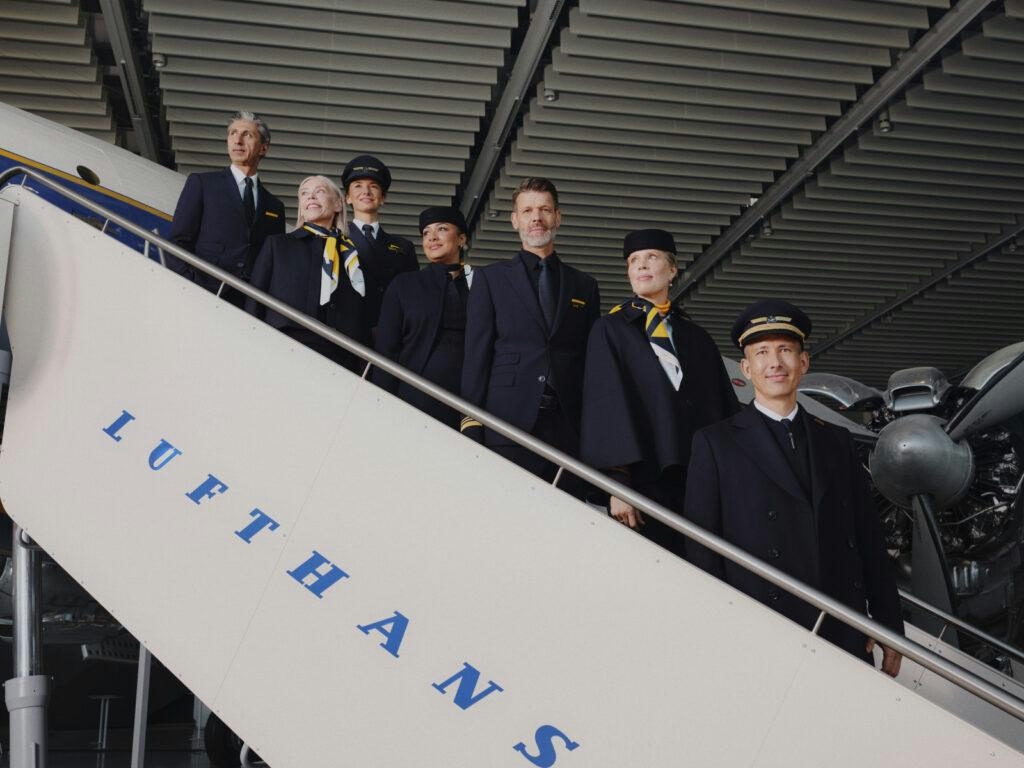
Lufthansa Marks 100th Anniversary with New Uniforms Designed by BOSS
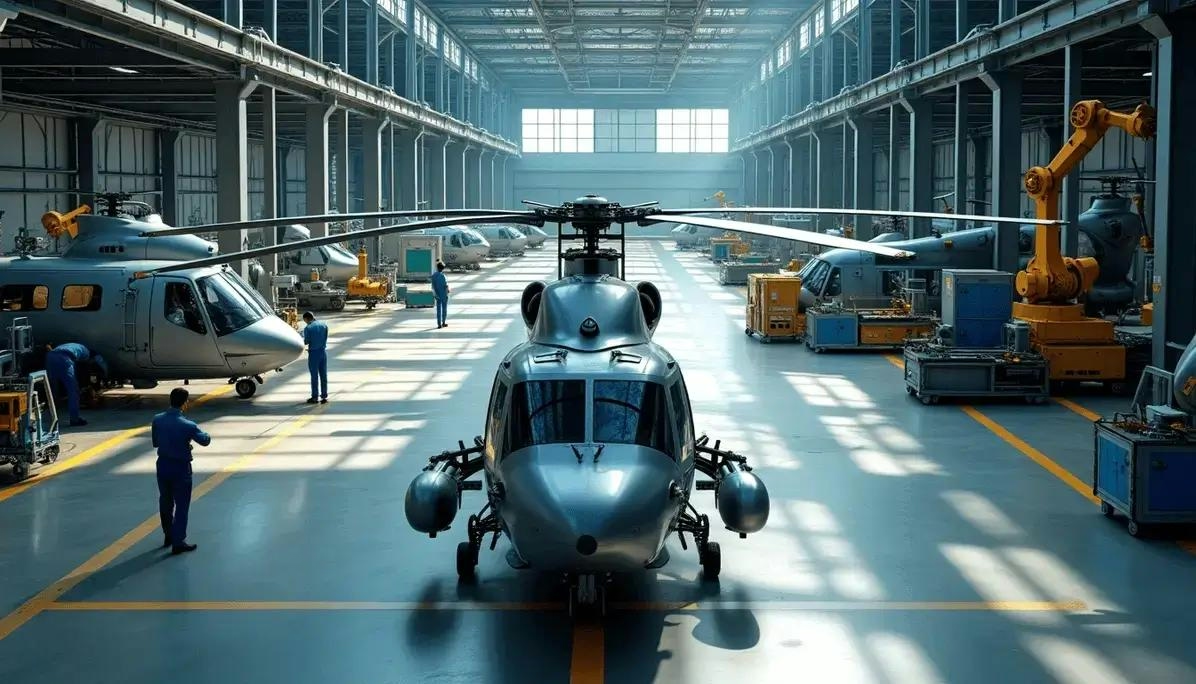
HAL Appoints New Leadership to Guide Aviation Strategy

Safe skies and smart systems: The DIALOG vision for human-AI teaming
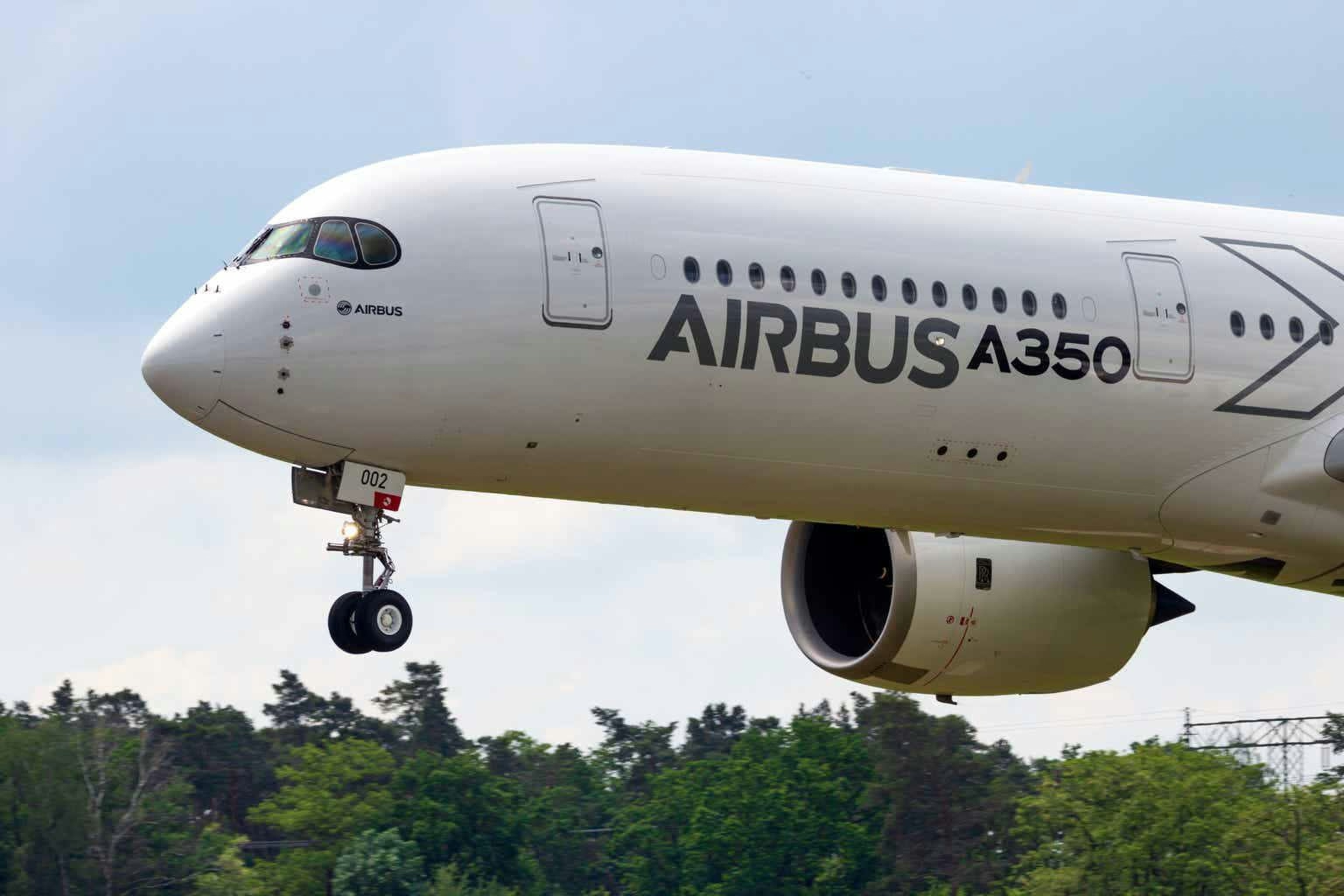
China Southern Airlines Places $21 Billion Order for Airbus Jets
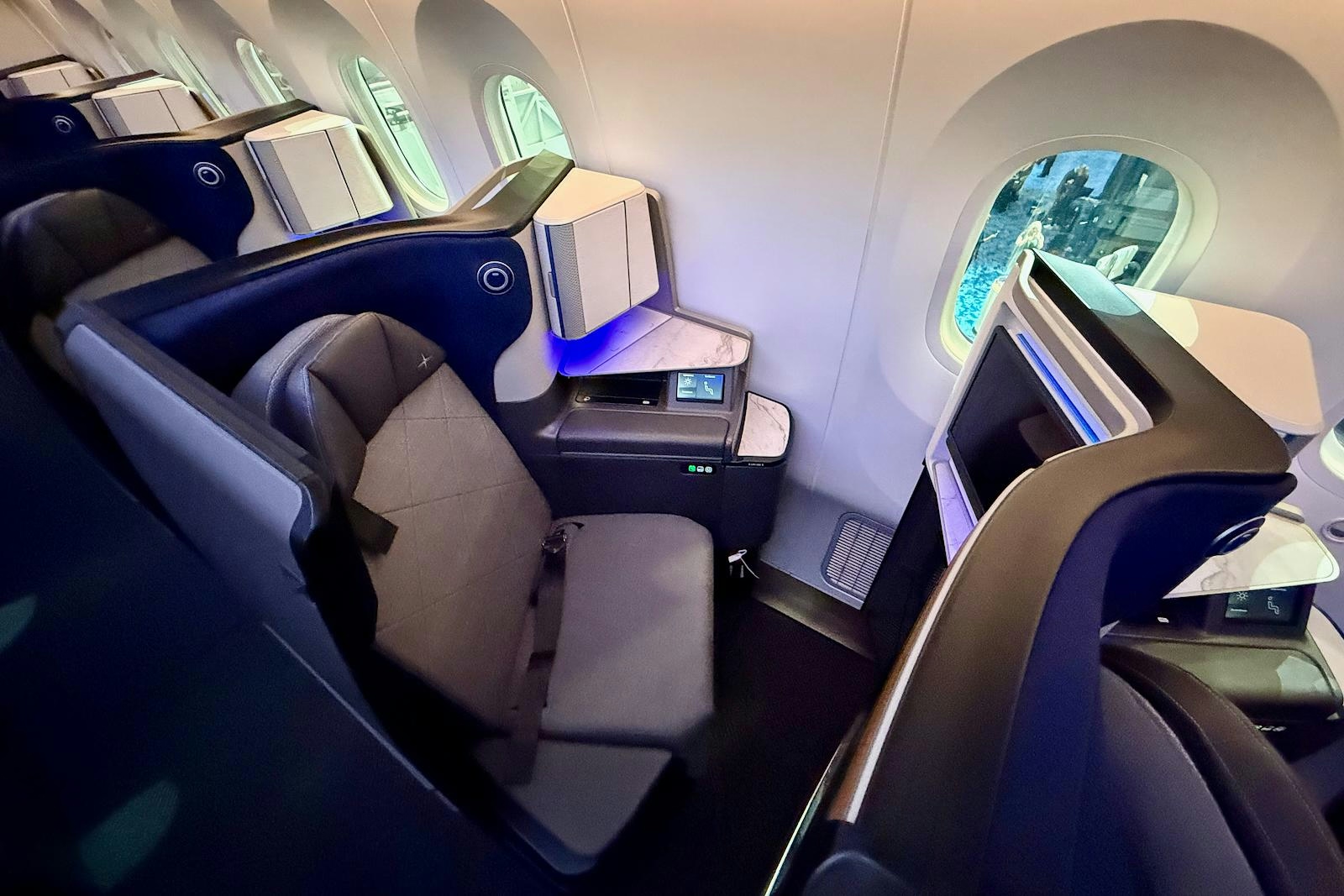
United Airlines' New Polaris Boeing 787-9 Grounded Twice in Five Days
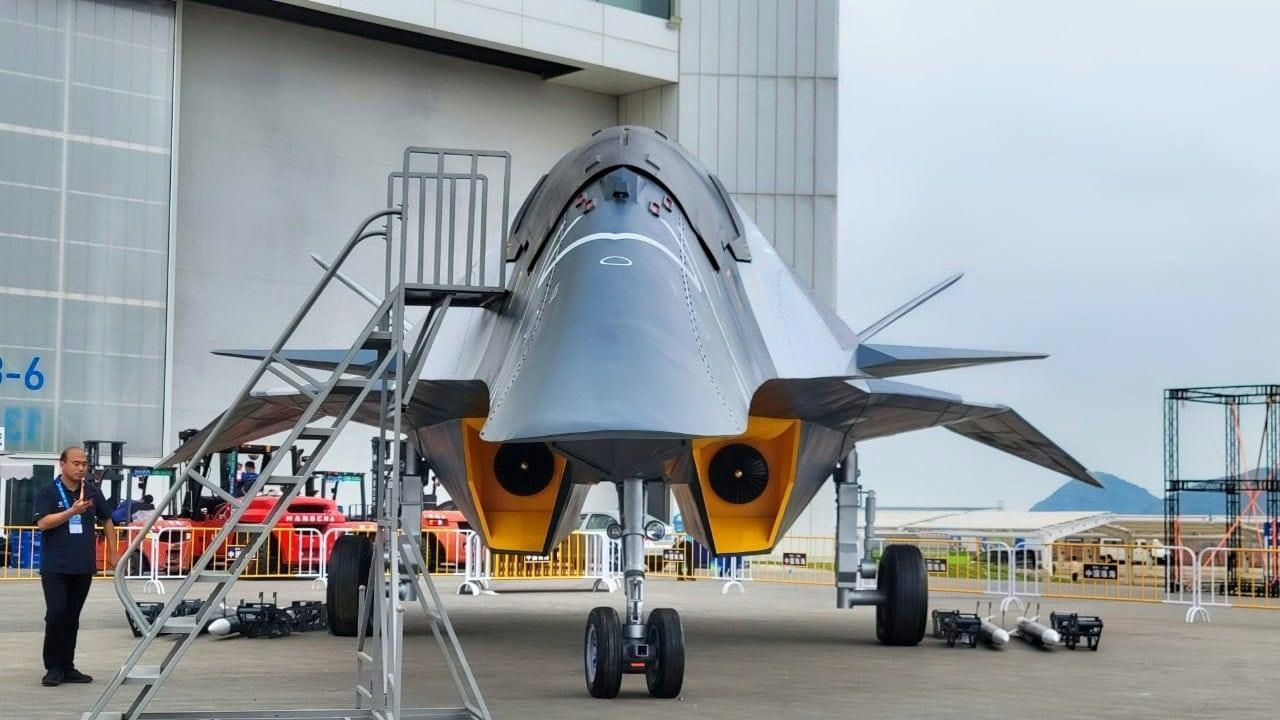
China Develops Indigenous Aircraft Engine Signaling Strategic Ambitions

Analyzing Key Factors and Their Hierarchy in Green Supply Chain Management for China’s Aerospace Manufacturing
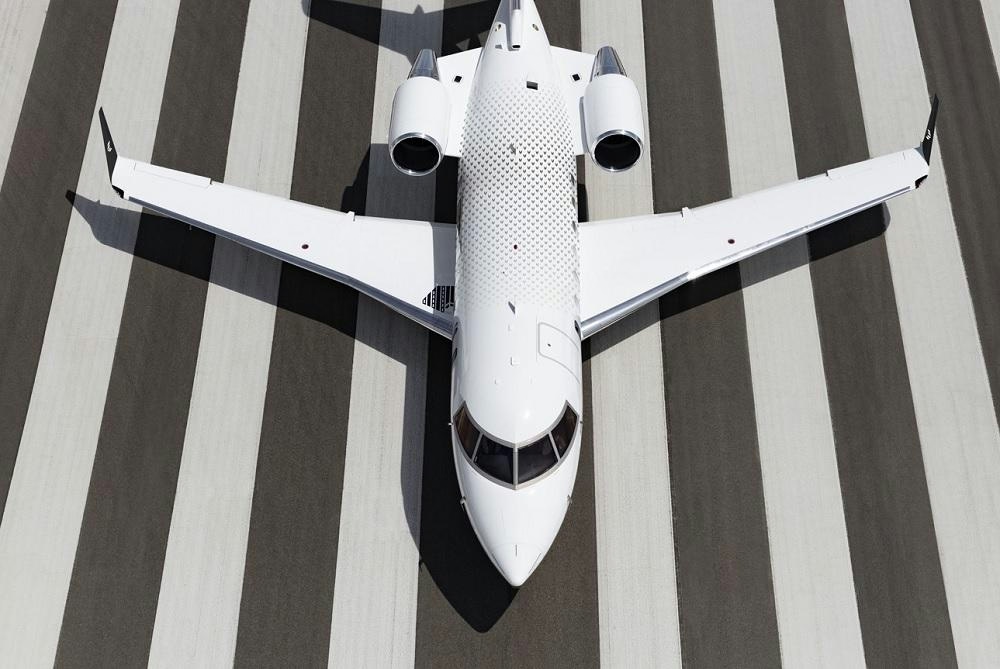
FAA to Mandate CF34 Engine Corrosion Inspections After Challenger Crash

FG Resolves Two-Decade MM2 Dispute, Approves Aircraft Leasing Firm
