
AIによるインサイトを行動へとつなげる

現在のトレンド
Categories
Amazon Prime Air Airbus A330 Makes Emergency Landing in Cincinnati After Bird Strike Causes Engine Fire
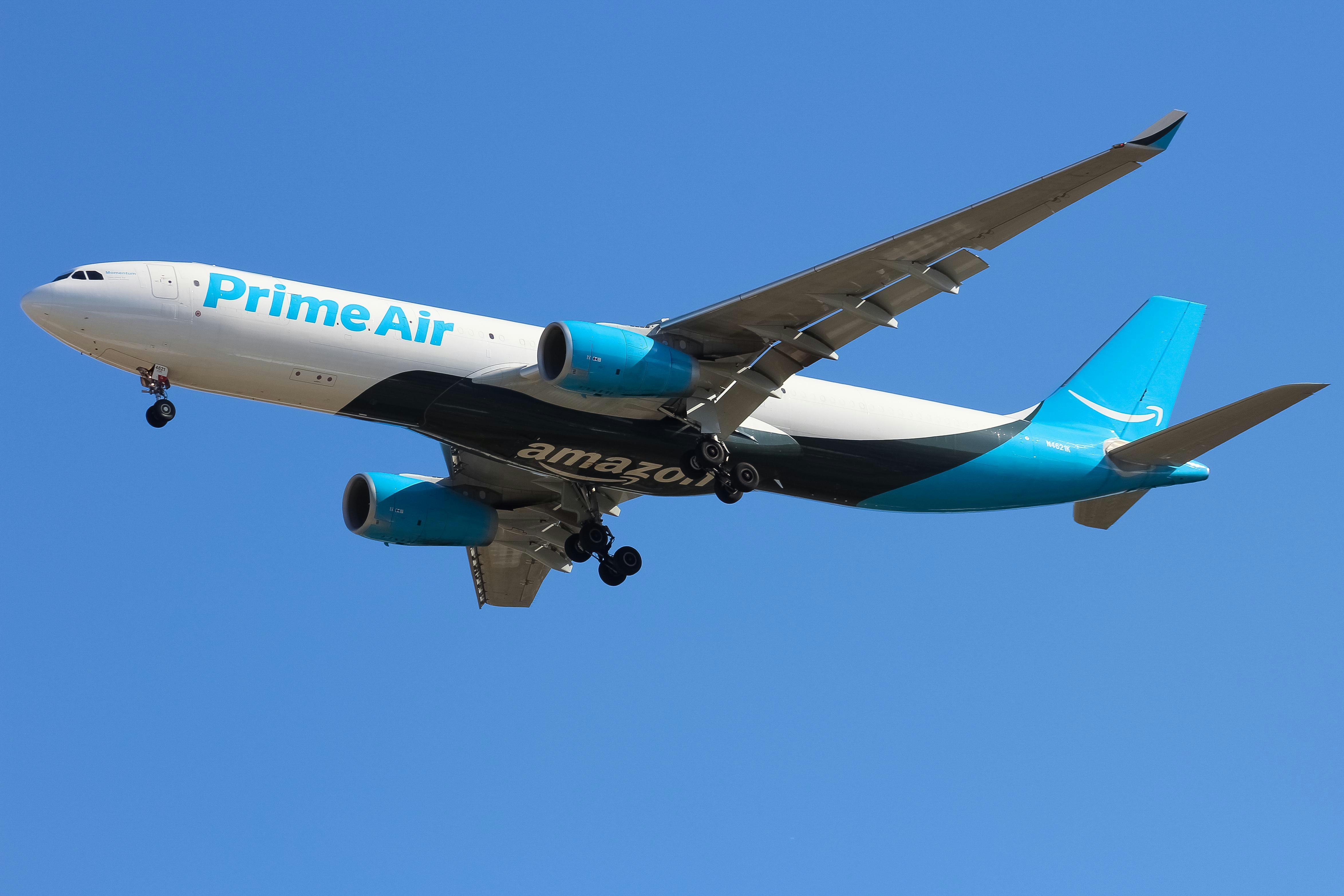
Amazon Prime Air Airbus A330 Makes Emergency Landing in Cincinnati After Bird Strike Causes Engine Fire
Incident Overview and Flight Details
On Wednesday, January 28, 2026, an Amazon Prime Air Airbus A330-300 freighter was compelled to execute an emergency landing shortly after takeoff from Cincinnati/Northern Kentucky International Airport (CVG). Flight AS-2616, operated by an Amazon air carrier partner and destined for Houston’s George Bush Intercontinental Airport (IAH), departed CVG at 3:05 p.m. local time. The aircraft, registered as N5827K, ascended normally until reaching approximately 3,000 feet when the crew reported a significant bird strike involving the No. 1 (left) engine. The ingestion of the bird caused the engine to lose power and subsequently catch fire, filling the cockpit with smoke.
Air traffic control (ATC) communications captured the urgency of the situation as the pilots calmly declared an emergency, requesting immediate return to the airport. Within eight minutes of departure, the aircraft completed a rapid left turn and safely landed back at CVG at 3:13 p.m., where it was met by a substantial response from Crash Fire Rescue (CFR) units.
Emergency Response and Crew Safety Measures
Upon landing, the flight crew halted the aircraft on the runway, expressing concern over the structural integrity of the damaged engine and the potential for fire or toxic fumes to spread. Rather than initiate a slide evacuation, the pilots requested extraction via ladder, specifying the right side door to avoid the fire on the left. CFR teams confirmed that although flames were visible during the aircraft’s approach, onboard fire suppression systems and the engine shutdown had effectively contained the fire by the time the plane came to a stop. The aircraft was subsequently towed to Amazon’s Global Air Hub at CVG for a thorough inspection.
No injuries were reported among the crew or ground personnel. An FAA spokesperson confirmed the safe outcome, and Amazon issued a statement emphasizing that the aircraft returned as a precaution and is currently undergoing inspection.
Industry Implications and Safety Considerations
This incident highlights the persistent risks bird strikes pose to cargo operations at major airports. It underscores the critical importance of rigorous engine testing and certification to withstand such events, a challenge recently addressed through successful PD-8 engine trials at the Saturn facility. As the air cargo industry continues to evolve, this event may prompt heightened scrutiny of both conventional aircraft and emerging technologies, including Amazon Prime Air’s drone delivery systems. Safety concerns arising from such incidents could delay the deployment of drone fleets, while competitors may accelerate their own technological advancements to maintain market competitiveness. Meanwhile, traditional airlines such as Delta are reaffirming their commitment to widebody aircraft, as evidenced by recent orders for Airbus A330s and A350s, signaling a continued reliance on established air freight solutions amid ongoing safety challenges.
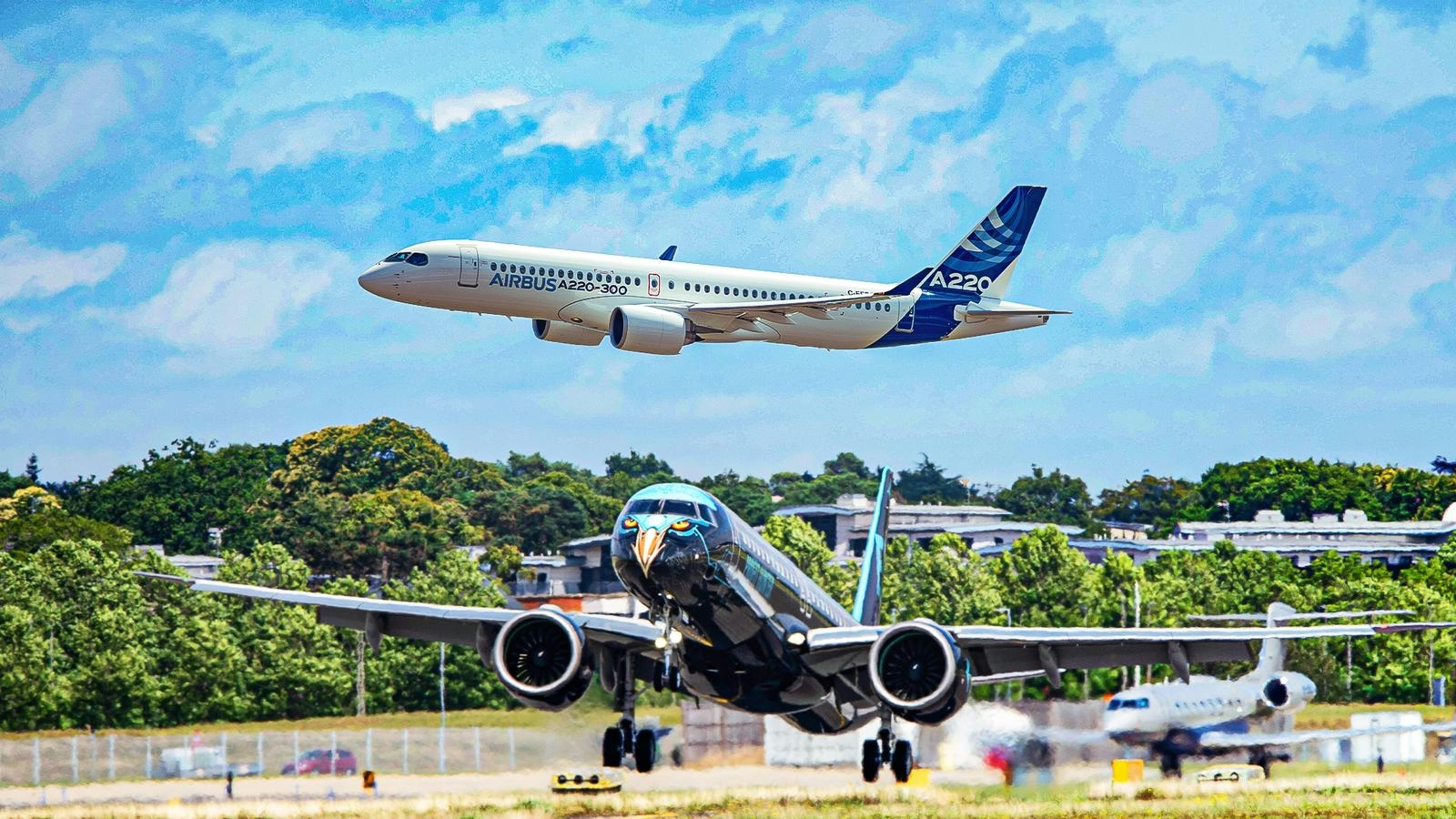
Embraer Delivers 2,000th E-Jet as Airbus A220 Seeks Market Share
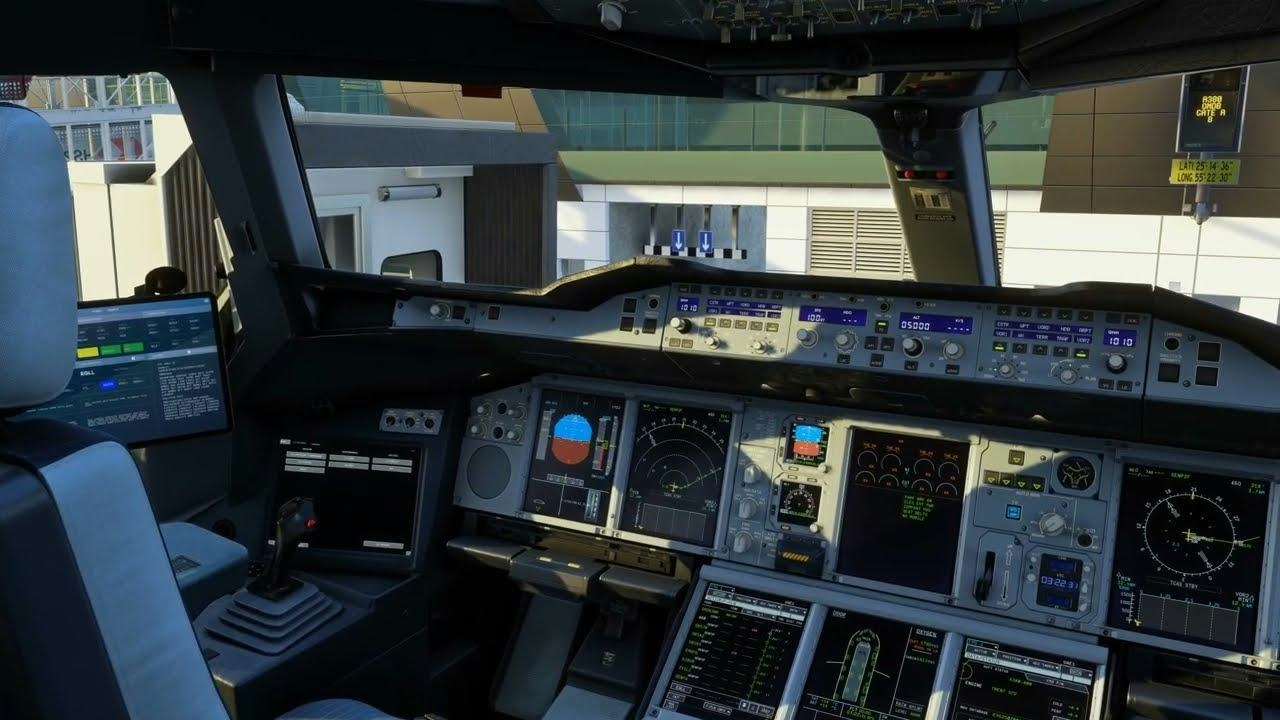
iniBuilds Releases Second In-Depth A380 Video
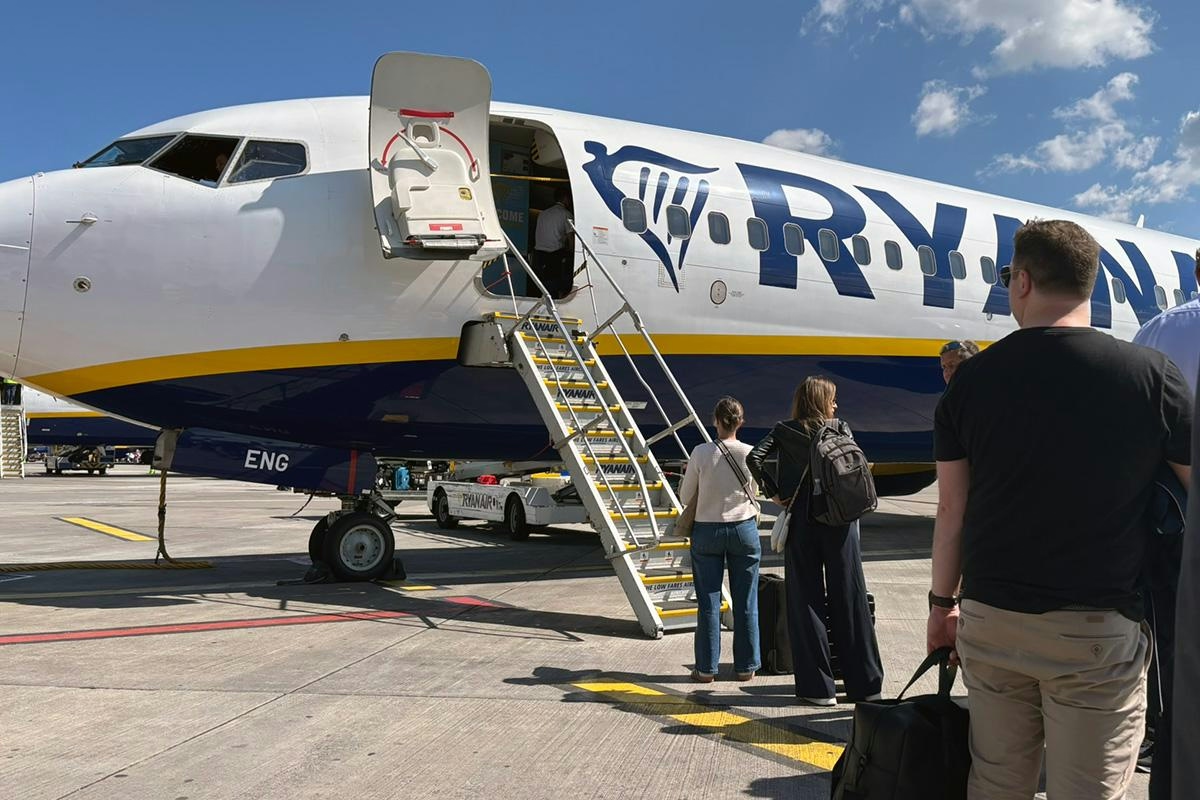
Ryanair and Alaska Airlines Apply AI to Operational Decision-Making

Digital Payments, AI, and Aviation Strengthen Philippines-India Relations
PlaneSense Suspends PC-12 Jet Card Sales
How AI Could Transform Bird-Strike Prevention for Business Aviation
American Airlines and Boeing Complete First 737 MAX Landing Gear Swap

Vietjet and Thales sign major MRO and AI deals in Paris
Etihad CEO Cites Aircraft Capacity as Limiting Factor Amid Growth in China and Africa
Artificial Intelligence Enters the Cockpit
