
AIによるインサイトを行動へとつなげる

現在のトレンド
Categories
Canada Introduces A321XLR as Air Canada Advances Fleet Modernization
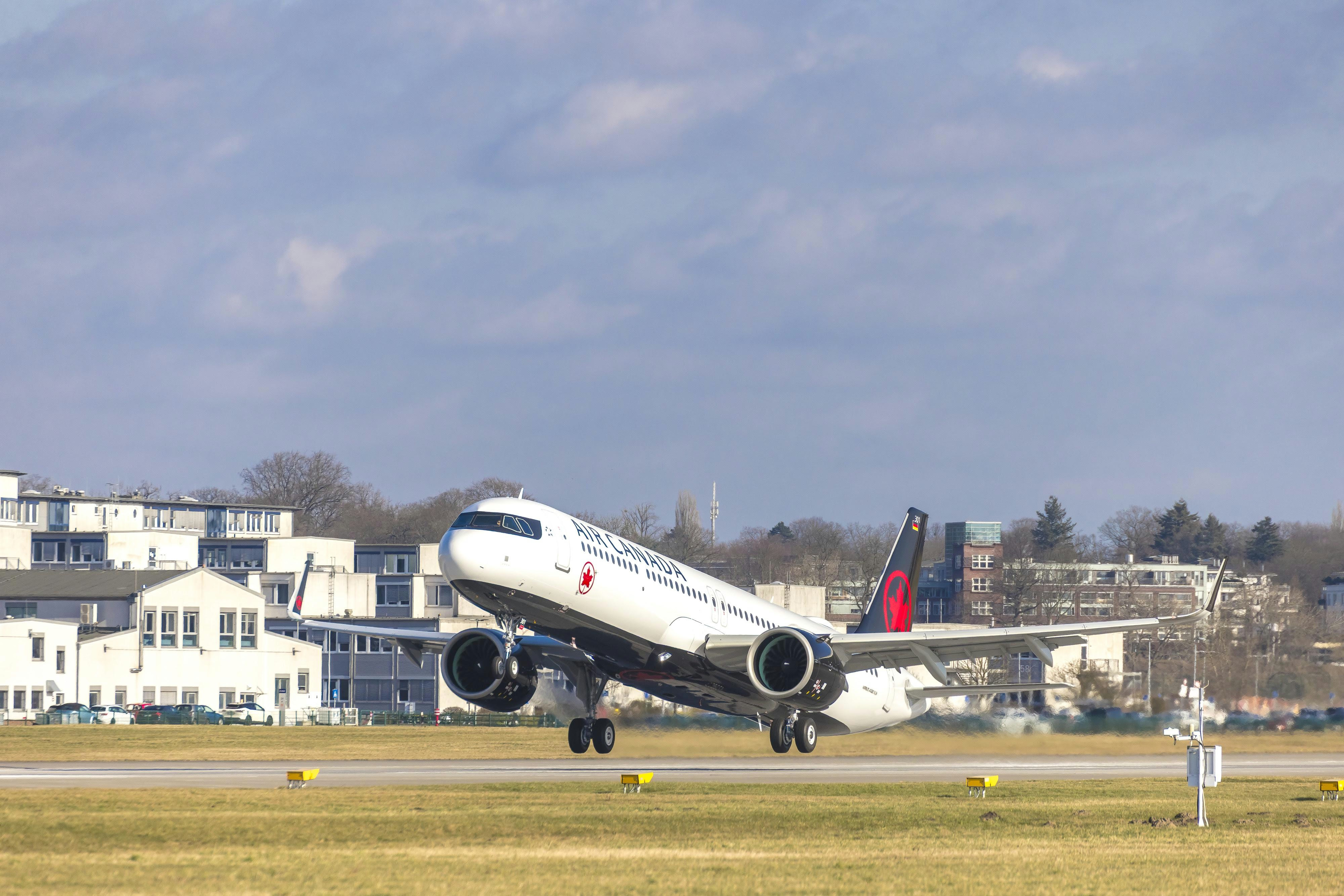
Canada Introduces A321XLR as Air Canada Advances Fleet Modernization
Canada has marked a significant milestone in its aviation sector with the introduction of the Airbus A321XLR, positioning itself alongside global leaders such as the United States, United Kingdom, France, Germany, and Japan. At the forefront of this development is Air Canada, the country’s flagship carrier, which is demonstrating a strong commitment to sustainability, operational efficiency, and expanded international connectivity through this fleet upgrade.
Advancing Fleet Capabilities with the A321XLR
The Airbus A321XLR represents the latest and longest-range variant within the A321neo family, engineered to operate extended routes of up to 4,700 nautical miles. Its advanced fuel efficiency and enhanced passenger capacity make it a strategic asset for medium-haul and transatlantic flights. By incorporating the A321XLR into its fleet, Air Canada aims to reduce its carbon emissions, improve profitability, and sustain its competitive position within the North American airline market.
This modernization effort aligns Air Canada with a select group of international carriers that are adopting next-generation aircraft to address the evolving demands of air travel. The move reflects a broader industry trend, as airlines worldwide invest in innovative technologies designed to enhance sustainability and operational flexibility.
Strategic Implications and Market Challenges
Despite the promise of the A321XLR, Air Canada faces a complex landscape marked by economic uncertainties, shifting geopolitical dynamics, and intense competition from both domestic and international airlines. The introduction of this aircraft is expected to facilitate Air Canada’s route expansion, particularly into Latin America and Europe, potentially influencing the airline’s profitability as it seeks to capture new markets.
Industry analysts are closely monitoring how Air Canada’s investment in new aircraft and upgraded business class cabins will affect its market position. Competitors may respond with their own fleet modernization initiatives or adjust their long-haul service offerings to protect market share. The success of Air Canada’s network expansion and product enhancements will depend largely on its ability to adapt to market pressures and meet evolving passenger expectations.
As Air Canada spearheads Canada’s entry into the next era of aviation, the delivery of the A321XLR stands as a pivotal achievement. This advancement not only enhances the airline’s operational capabilities but also signals Canada’s growing influence in shaping the future of global air travel.

Etihad Airways Suspends Airbus A380 Flights on Key Route

Aditya Birla Group Seeks Approval for Aircraft Leasing in GIFT City

Qatar Airways Highlights Innovation and Connectivity at Arabian Travel Market 2026

Hong Kong's Five-Year Plan Includes Andrew Fan's Aircraft Parts Processing Hub Proposal

ACIA Aero Leasing Delivers ATR72-600 to Air Nostrum

RTX Appoints Jill Albertelli as Head of Pratt & Whitney

TAT Technologies Joins Beyond Aero Hydrogen Aircraft Program

AURAK Study Highlights Barriers to Air Taxi Adoption in Emerging Economies

Xiamen Air Selects Altitude for 787 Maintenance at Heathrow

Etihad and Swissport Extend Global Partnership
