
AIによるインサイトを行動へとつなげる

現在のトレンド
Categories
Cosmic Rays Disrupt Aircraft Systems, Grounding Fleet
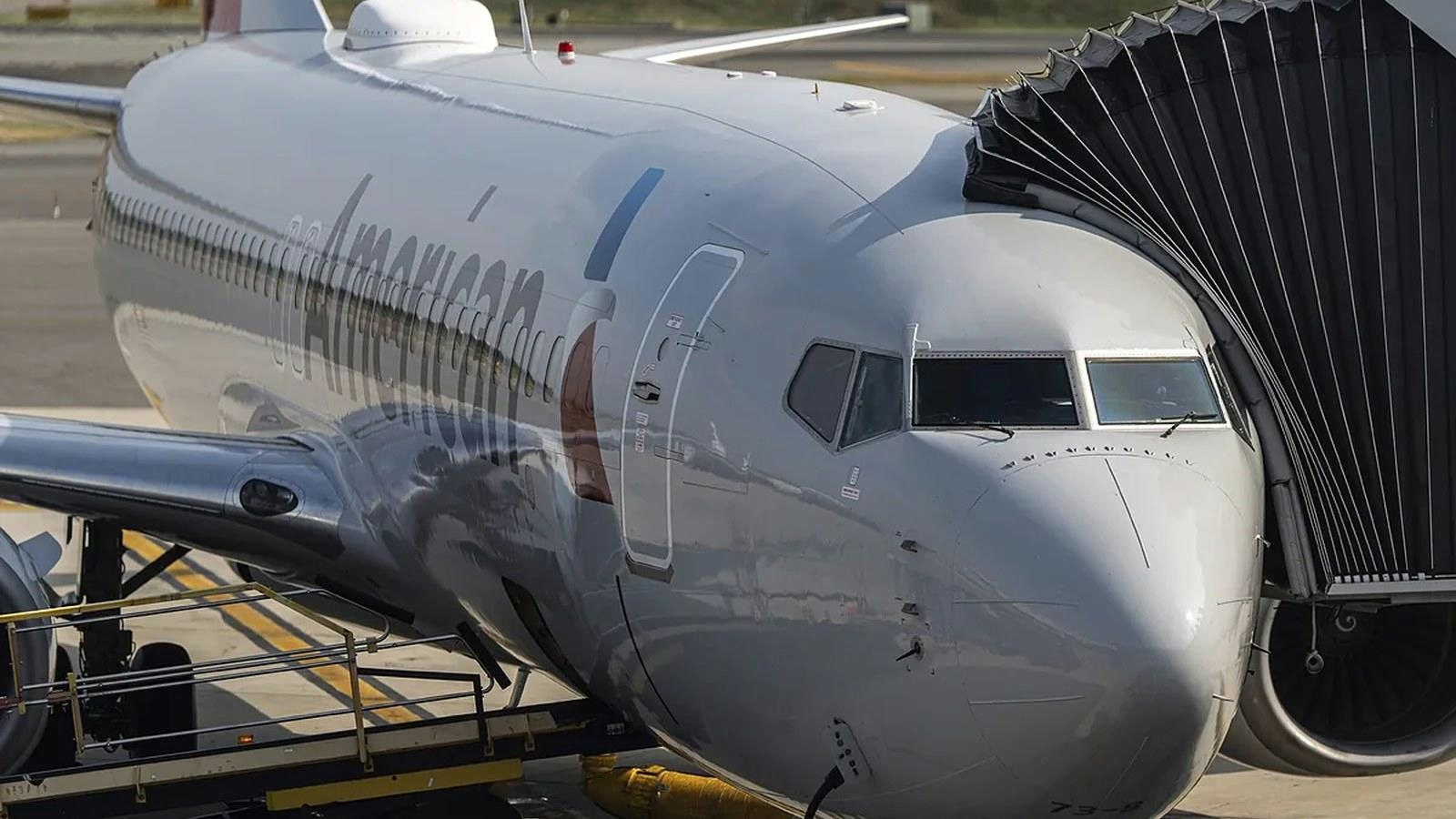
Cosmic Rays Disrupt Aircraft Systems, Grounding Fleet
Incident Overview and Immediate Consequences
On October 30, 2025, a JetBlue Airbus A320 en route from Cancun, Mexico, to Newark, New Jersey, experienced a sudden and unexpected loss of altitude. The pilot urgently contacted air traffic control, requesting medical equipment onboard. The incident resulted in head lacerations for three passengers, with at least fifteen individuals requiring hospitalization after the flight was diverted to Florida. Initially perceived as an isolated event, this occurrence soon revealed a far more extensive problem affecting the aviation industry.
Within a month, over 6,000 aircraft were grounded in what has become one of the largest recalls in aviation history. The widespread grounding caused significant disruption, leading to numerous flight cancellations during the critical post-Thanksgiving travel period in the United States. The scale of the response highlighted the severity of the underlying issue and its impact on both passenger and cargo air transport.
Cause and Technical Investigation
Airbus conducted an internal investigation and identified cosmic rays—high-energy particles originating from outer space—as the root cause of the malfunction. On the day of the incident, a surge in cosmic radiation triggered a failure in one of the aircraft’s onboard computers, specifically those responsible for controlling the wing’s moving parts. This malfunction directly contributed to the abrupt loss of altitude and the injuries sustained by passengers.
The findings underscore the vulnerability of modern aircraft systems to rare but powerful cosmic events. The incident has prompted renewed scrutiny of the resilience of avionics and flight control systems to space weather phenomena, raising concerns about the potential for similar disruptions in the future.
Broader Impact on Aviation and Air Cargo
The repercussions of the grounding extended beyond passenger flights, affecting the air cargo sector as well. Major carriers UPS and FedEx were compelled to ground their MD-11 fleets following a UPS crash linked to the same issue. Despite these operational challenges, analysts at Stifel have noted that the impact on overall air cargo capacity has been limited. UPS responded by acquiring additional aircraft and consolidating flight routes to optimize available capacity.
While the removal of MD-11 aircraft from service could exert upward pressure on air cargo rates during the peak holiday shipping season, analysts do not foresee significant disruptions. UPS has refrained from imposing additional surcharges for the season, and the extent of any shipping delays will largely depend on the duration of the grounding and the effectiveness of carriers’ adaptive measures.
The unprecedented grounding of thousands of aircraft highlights the aviation industry’s exposure to external cosmic influences and the critical need for enhanced safeguards against such rare but impactful events. As airlines and cargo operators strive to resume normal operations, the incident serves as a stark reminder of the challenges posed by space weather to modern aviation infrastructure.

Etihad Airways Suspends Airbus A380 Flights on Key Route

Aditya Birla Group Seeks Approval for Aircraft Leasing in GIFT City

Qatar Airways Highlights Innovation and Connectivity at Arabian Travel Market 2026

Hong Kong's Five-Year Plan Includes Andrew Fan's Aircraft Parts Processing Hub Proposal

ACIA Aero Leasing Delivers ATR72-600 to Air Nostrum

RTX Appoints Jill Albertelli as Head of Pratt & Whitney

TAT Technologies Joins Beyond Aero Hydrogen Aircraft Program

AURAK Study Highlights Barriers to Air Taxi Adoption in Emerging Economies

Xiamen Air Selects Altitude for 787 Maintenance at Heathrow

Etihad and Swissport Extend Global Partnership
