
AIによるインサイトを行動へとつなげる

現在のトレンド
Categories
Dammam Airports Lead Smart Travel Innovations in Saudi Arabia’s Aviation Sector
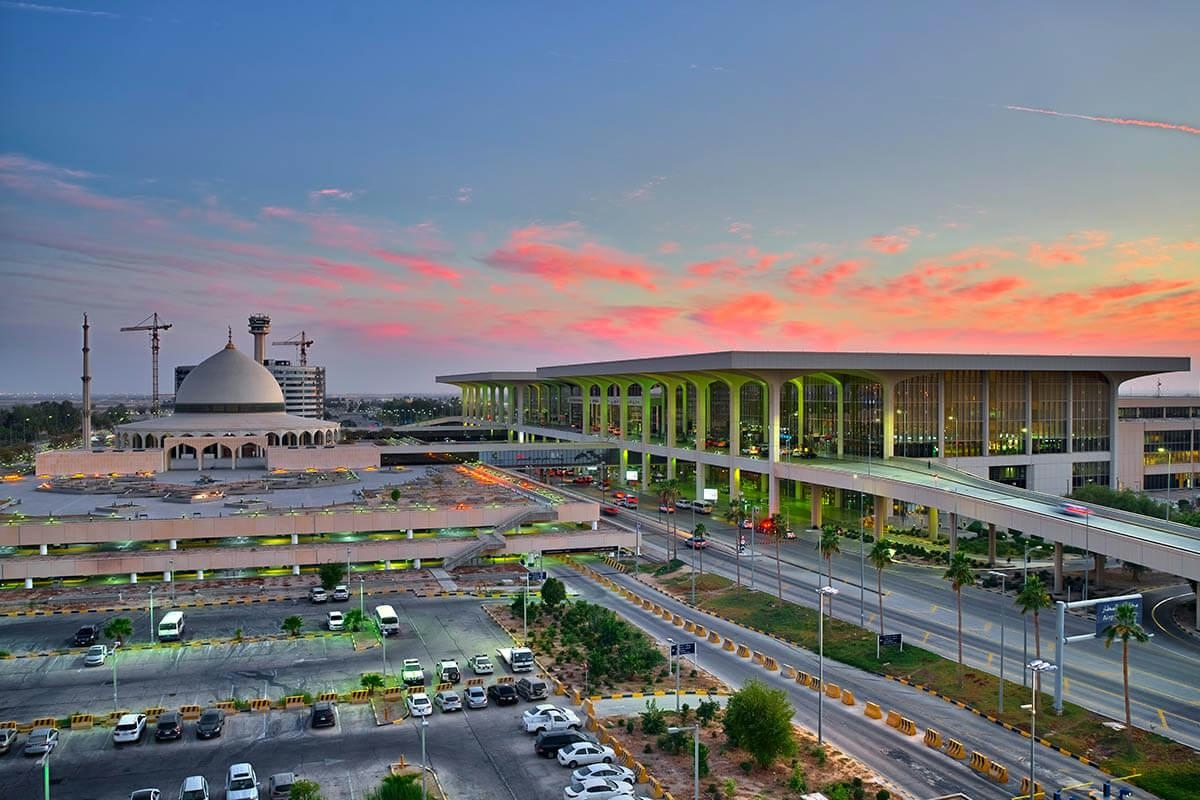
Dammam Airports Lead Smart Travel Innovations in Saudi Arabia’s Aviation Sector
Dammam Airports have established Saudi Arabia’s Eastern Province as a leader in global aviation innovation, receiving international acclaim at the 2026 Digital Revolution Awards in London. Recognized among nearly 200 global entries, the airports were named one of the top five projects in the Digital Transformation Project of the Year category. This distinction highlights the Kingdom’s expanding role in advanced aviation infrastructure and smart airport operations, positioning Dammam alongside prominent transport hubs across Europe, Asia, and North America.
Digital Asset Management and Operational Excellence
At the core of Dammam Airports’ success is the deployment of an integrated digital asset management system. Utilizing data analytics and cutting-edge digital technologies, this system enhances maintenance processes, improves operational reliability, and promotes long-term sustainability throughout the airport network, including King Fahd International Airport. The digital transformation facilitates more efficient infrastructure management, reduces operational disruptions, and ensures smoother passenger flow and flight scheduling.
For travelers, these technological advancements result in increased airport reliability, fewer delays, and a more seamless experience when transiting through Dammam, a vital gateway to Saudi Arabia and the broader Gulf region.
Enhancing Passenger Experience and Efficiency
The comprehensive digital overhaul at Dammam Airports directly benefits passengers by enabling precise asset tracking and predictive maintenance, which significantly reduces the likelihood of disruptions affecting both domestic and international flights. Serving as a key aviation hub, Dammam connects the Eastern Province with major Saudi cities such as Riyadh, Jeddah, and Madinah, as well as international destinations across the Middle East, Asia, and Europe. Improved operational efficiency supports smoother passenger movements, enhanced baggage handling, and more reliable airline scheduling.
Navigating a Competitive Aviation Landscape
Dammam’s pioneering role in smart travel innovation emerges amid a transformative period for Saudi Arabia’s aviation sector. The forthcoming launch of Riyadh Air, backed by substantial government investment, is poised to challenge Saudia’s longstanding monopoly on direct flights to the United States, with planned routes to New York, Los Angeles, and Chicago. This new competition is expected to disrupt the market, potentially triggering price wars, service improvements, and strategic partnerships as airlines compete for market share. Such dynamics may accelerate innovation and lead to more competitive pricing for consumers. Furthermore, ongoing consolidation trends in the European aviation market could influence Saudi carriers to pursue similar strategies to strengthen their market positions.
Supporting Vision 2030 and Tourism Growth
The digital transformation of Dammam Airports aligns closely with Saudi Arabia’s Vision 2030 objectives, which aim to position the Kingdom as a premier global aviation and logistics hub connecting three continents. Modernizing airport infrastructure in Dammam, Riyadh, Jeddah, and emerging tourism destinations is essential to accommodate increasing passenger volumes driven by tourism, business, and religious travel. As Saudi Arabia expands its tourism sector—highlighted by developments in AlUla, the Red Sea, and Riyadh’s cultural districts—efficient airport operations are critical to managing the growing influx of international visitors.
Dammam Airport remains central to the Eastern Province’s connectivity, supporting both domestic and international tourism networks and reinforcing Saudi Arabia’s commitment to smart, sustainable, and competitive air travel.

Etihad and Swissport Extend Global Partnership
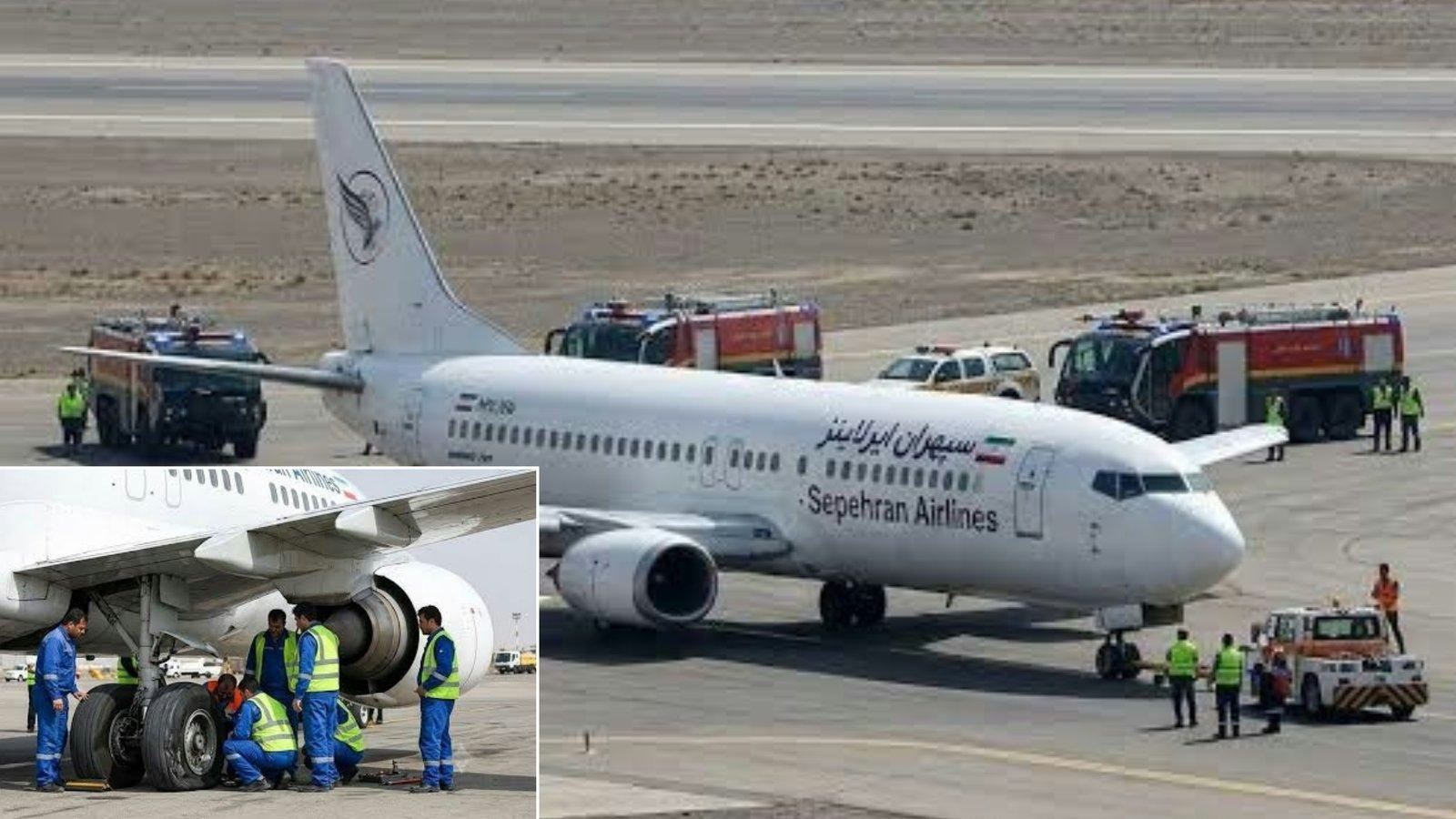
Sepehran Airlines B737 Returns to Mashhad After Tyre and Engine Issues

Etihad Deploys Widebody Fleet to Meet Strong Demand
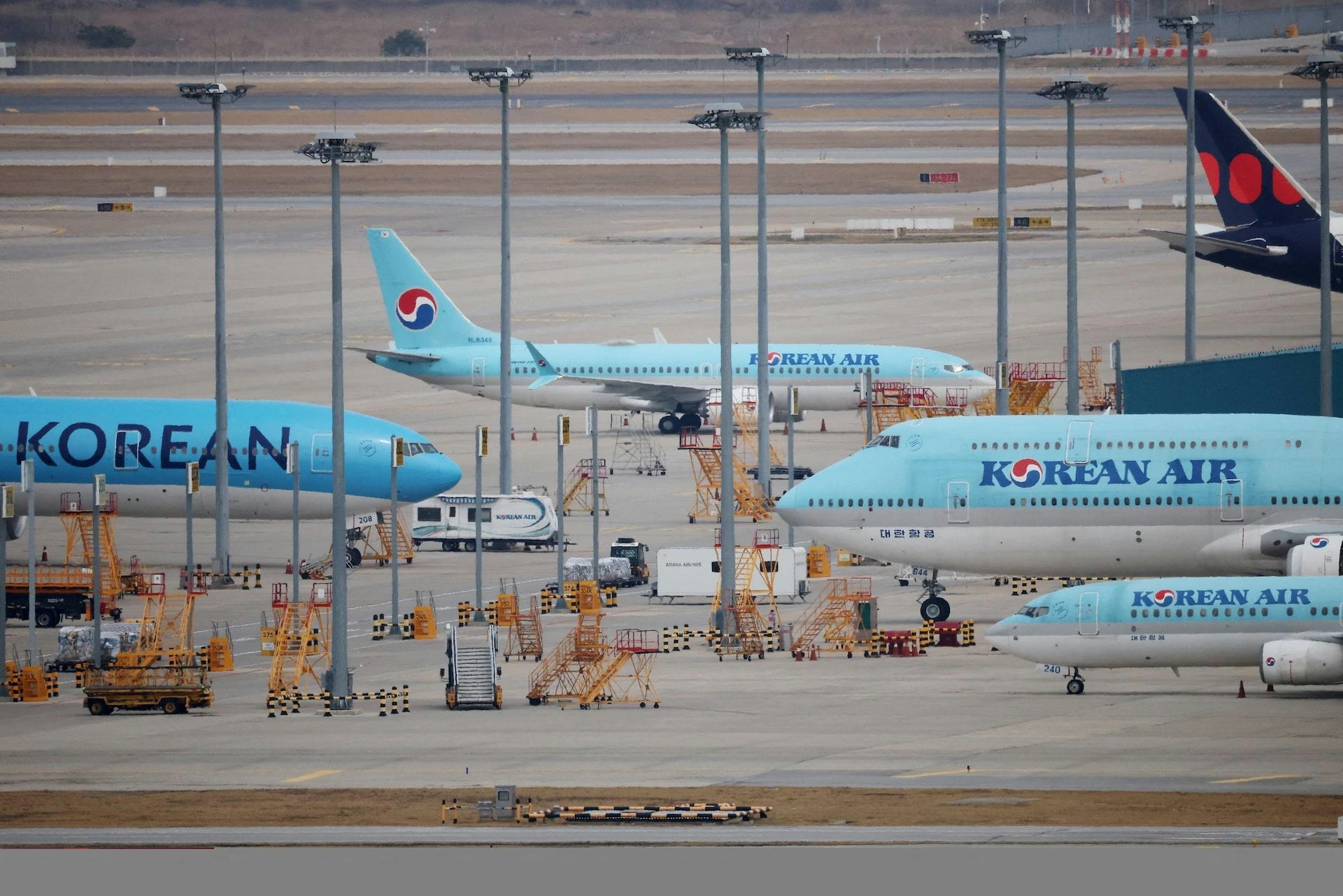
Korean Air Finalizes $36.2 Billion Deal with Boeing

Australia’s RFDS Queensland Section Orders Six King Air 260Cs

Korean Air Finalizes Order for 103 Boeing Jets and Engines
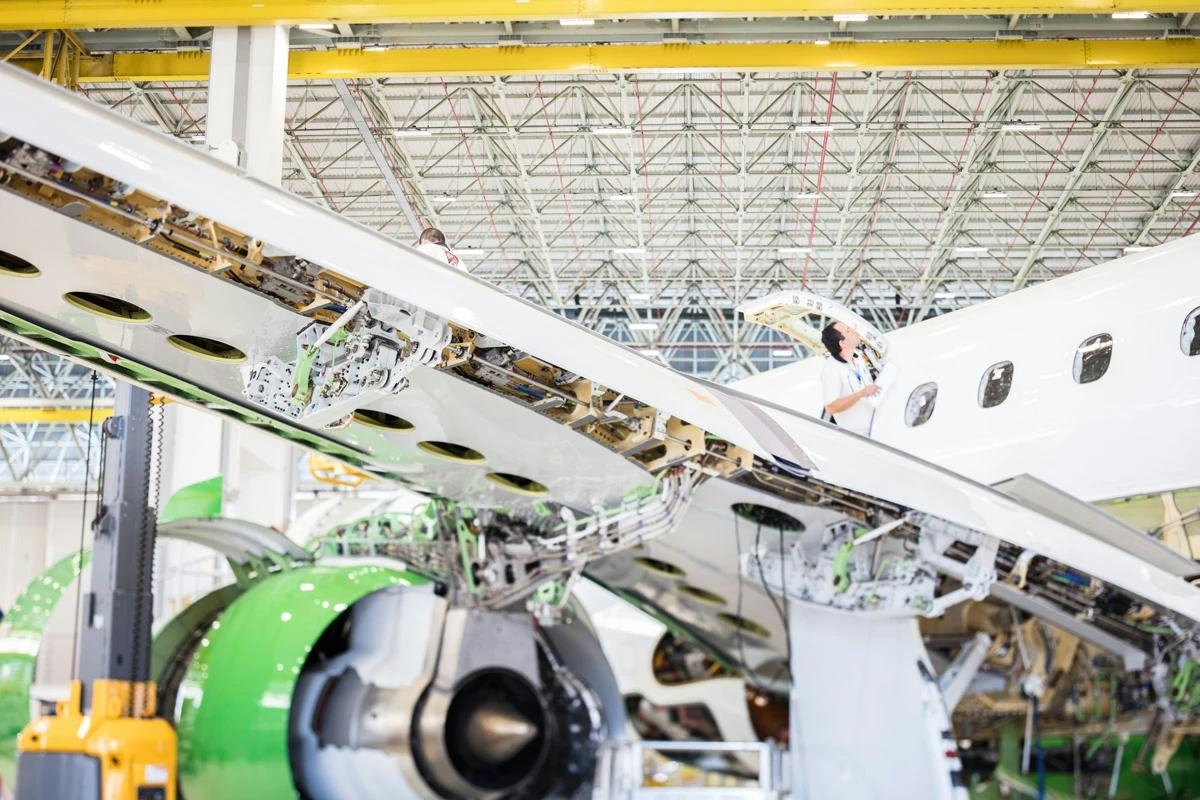
Embraer E195-E2 Features Distinctive Engine Placement Among Regional Jets

What Passengers Can Expect on Boeing’s New 777X Jet
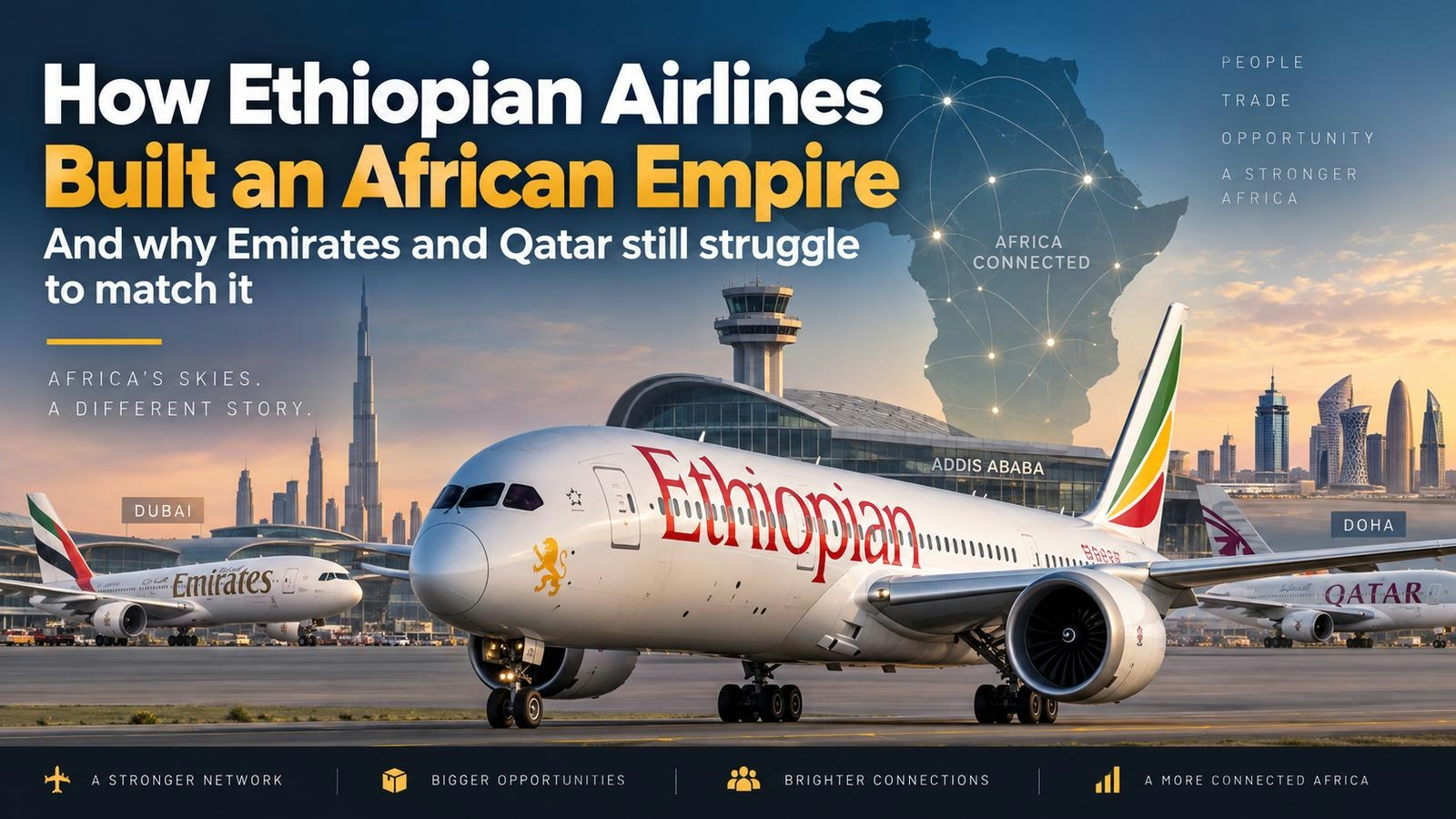
How Ethiopian Airlines Became Africa’s Leading Carrier Amid Gulf Competition

Joby Aviation Extends Autonomous Flight Capabilities with Cross-Country Tour
